It’s Nice That: trends report
It’s Nice That posted an article outlining the design trends for 2026, as seen by the editorial team. They believe that graphic designers will employ lots of micrographics, while type designers will forget everything they learned in their schools and start creating typefaces that make you think of patchwork collages.
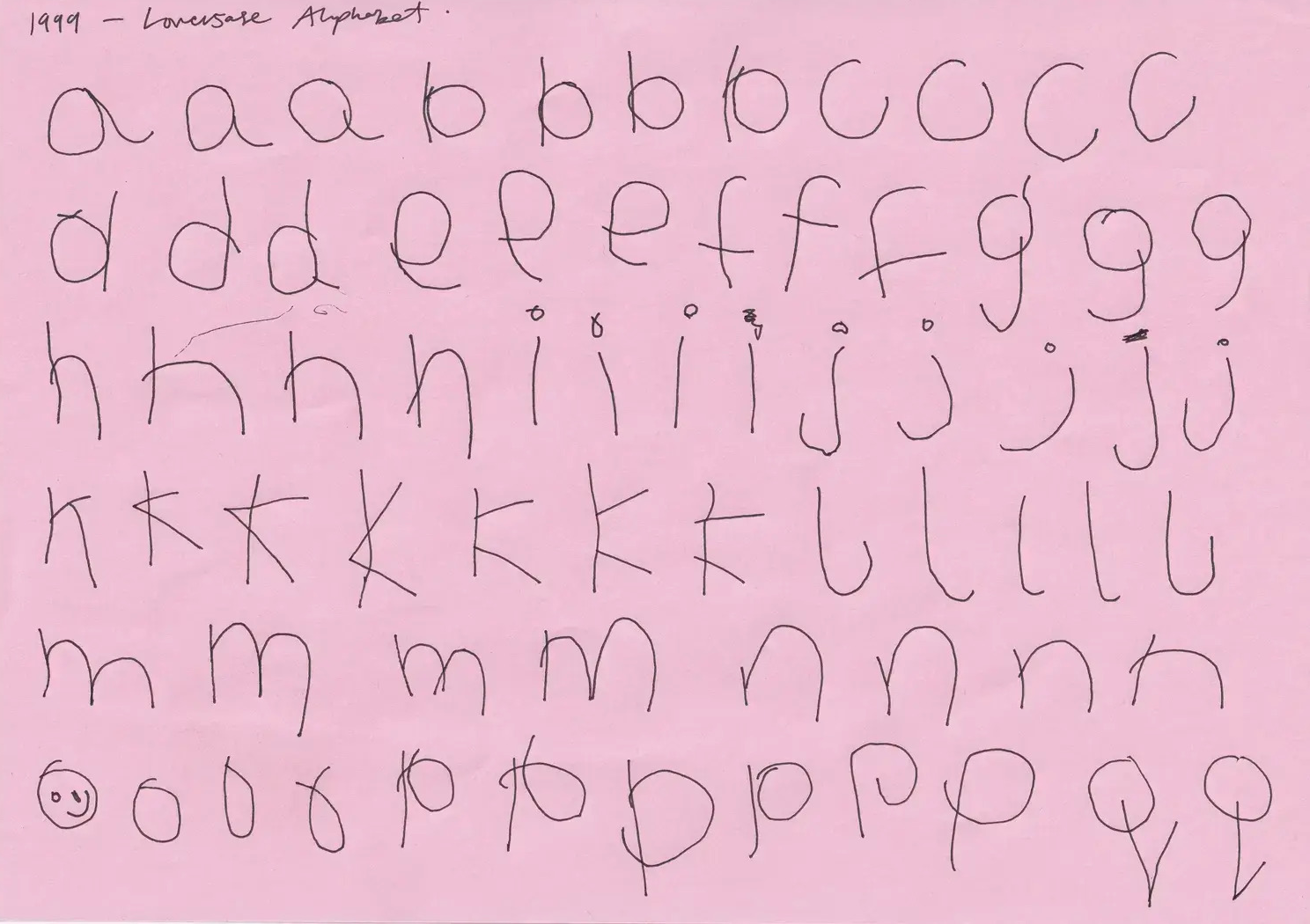
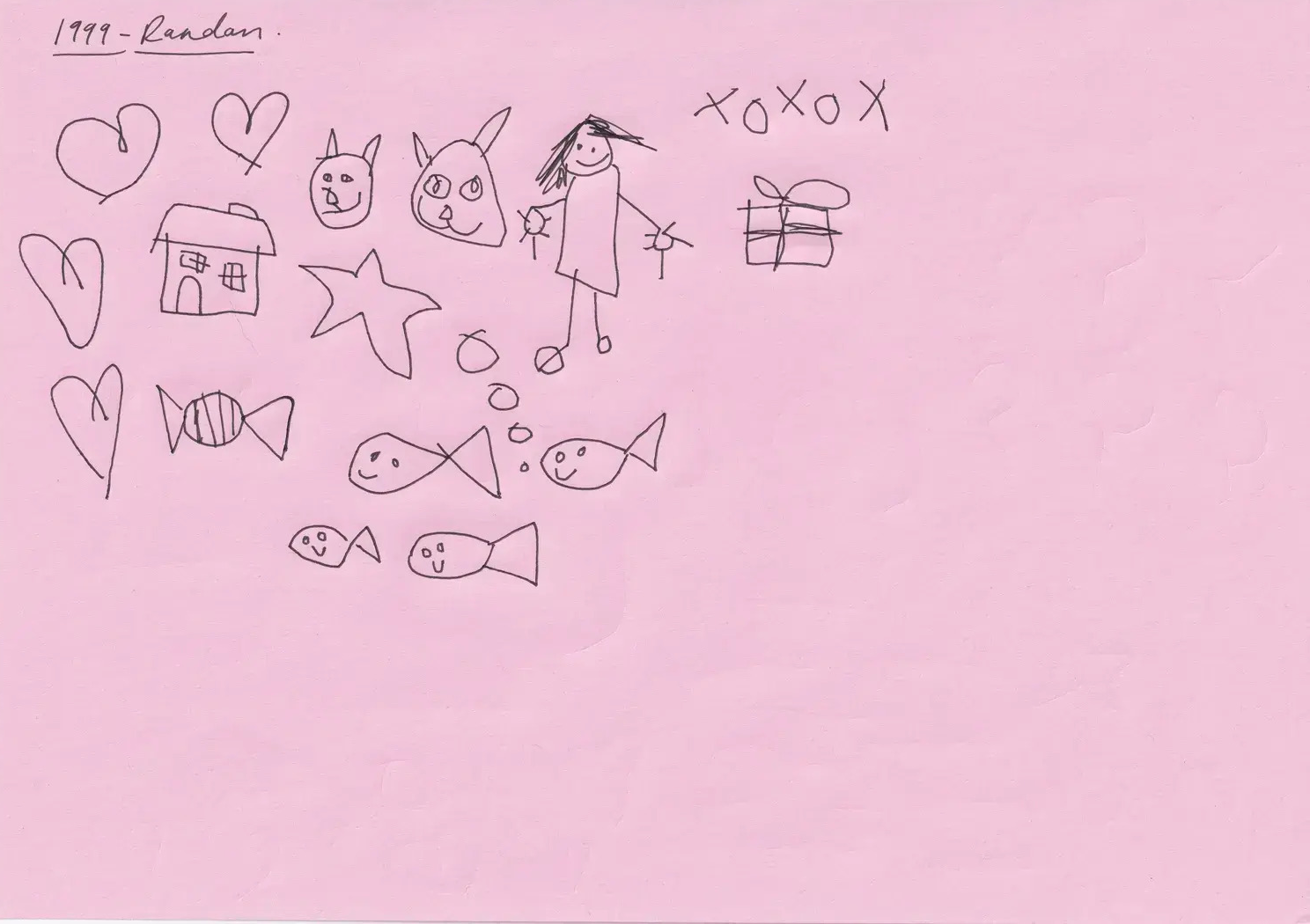
A typeface by F37 and Harriet Richardson:. From the It’s Nice That report
DoomGlyphscrolling
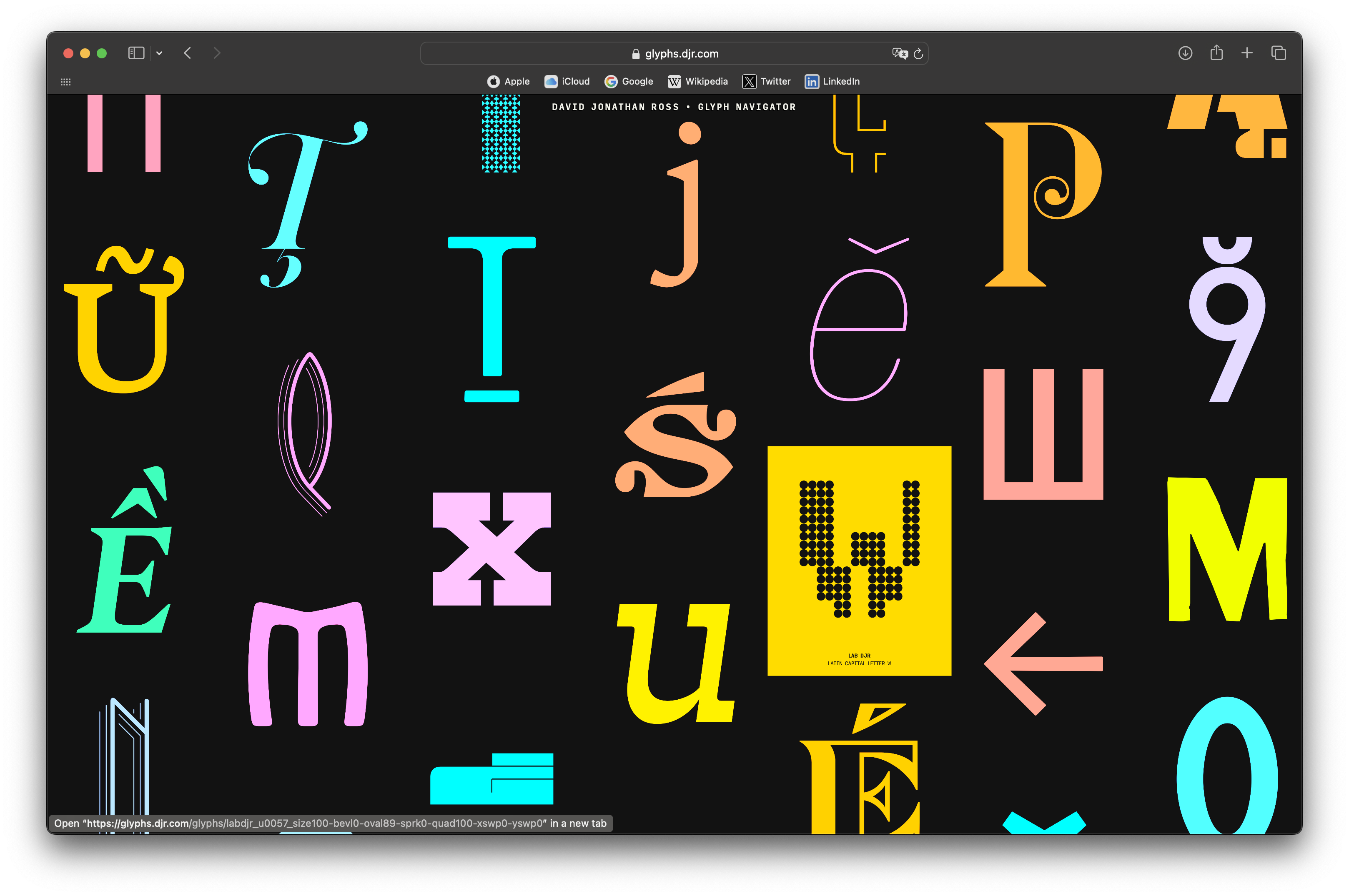
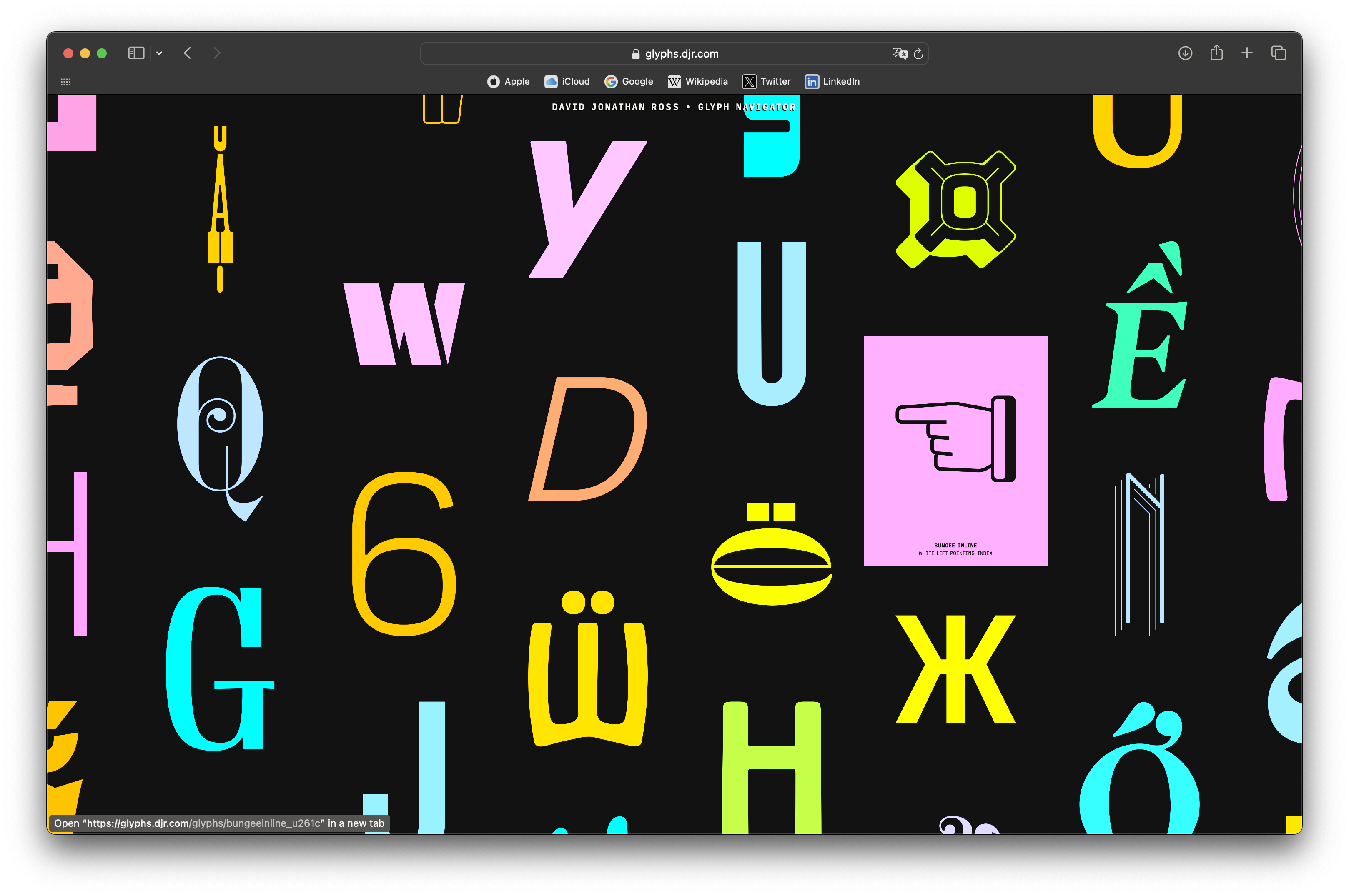
David Jonathan Ross — author of Input, Roslindale, and Fit — made a bottomless website that features every glyph from every typeface he’s ever made, stating that it’s better to mindlessly scroll glyphs than mindlessly scroll your social media feed. Along with the website, he launched an account, glyphoftheday@pixelfed.social — each day, the followers get one glyph from those available on his new website.
Fontstand — now in Berlin
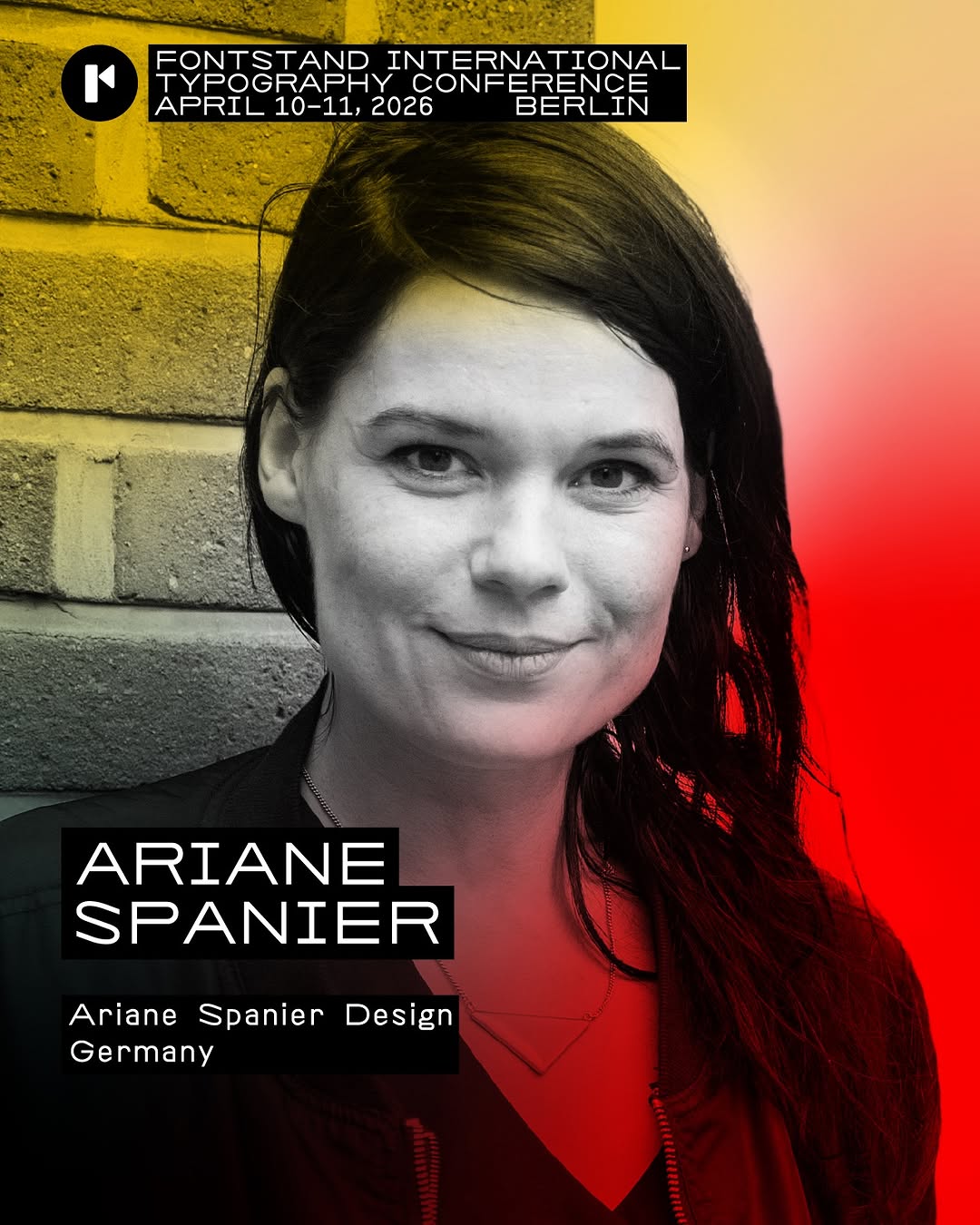
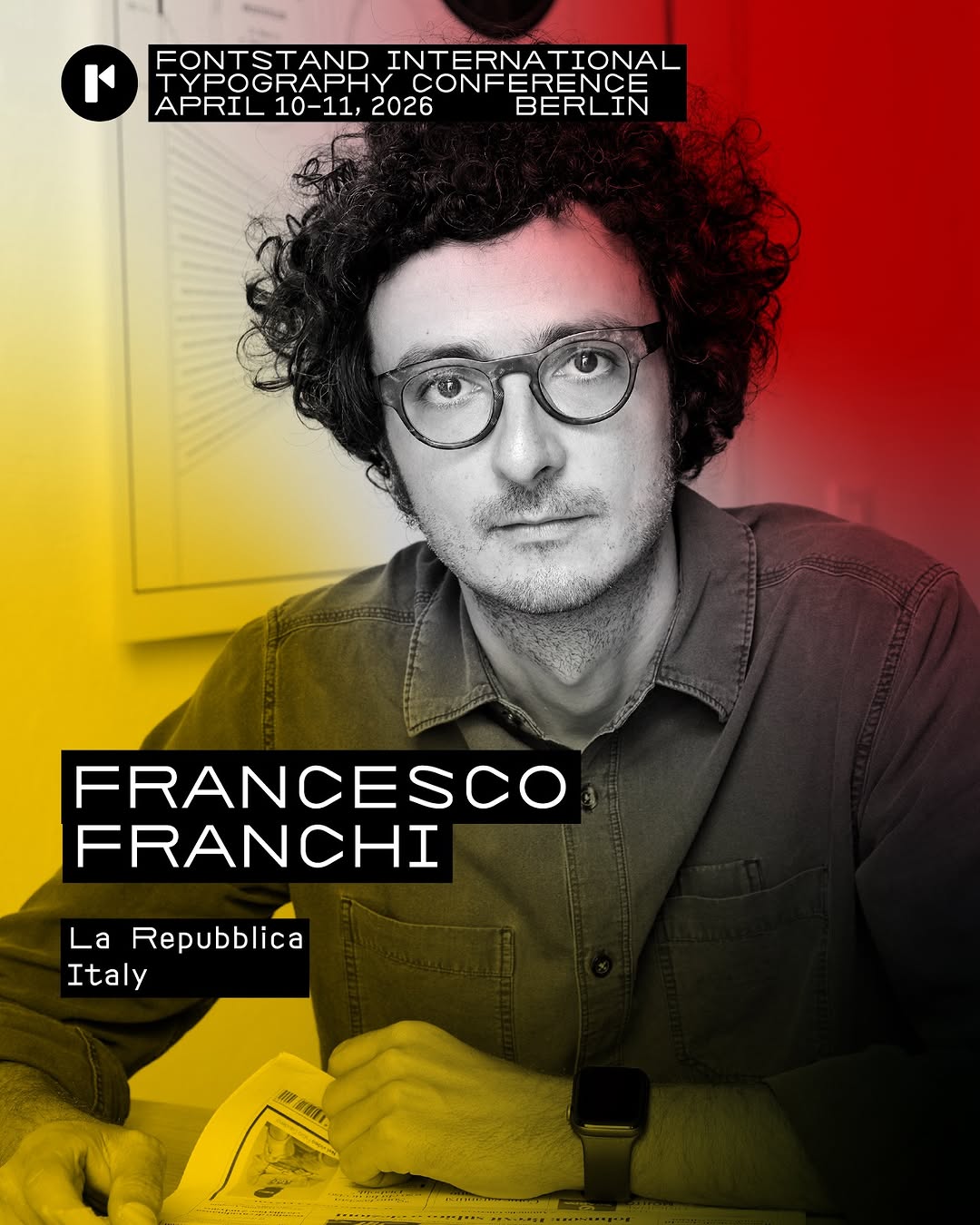
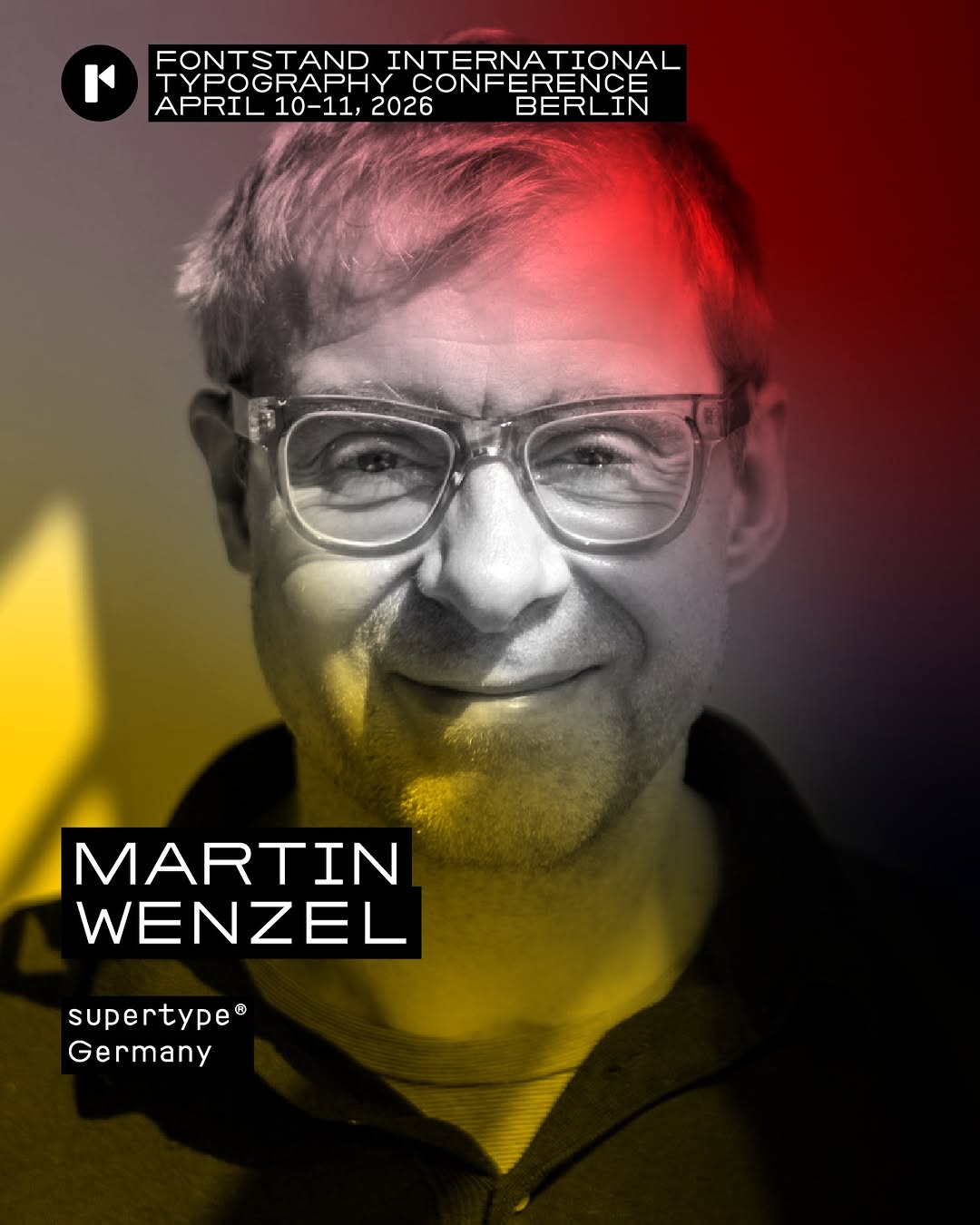
A conference organised by the Fontstand font rental platform announced the dates and the city to host it this
Fontstand doesn’t offer any discounts or early-bird tickets, but the designer partners of the platform are willing to help students pay for their entry.
2025 Web Fonts
almanac.httparchive.org/en/2025/fonts
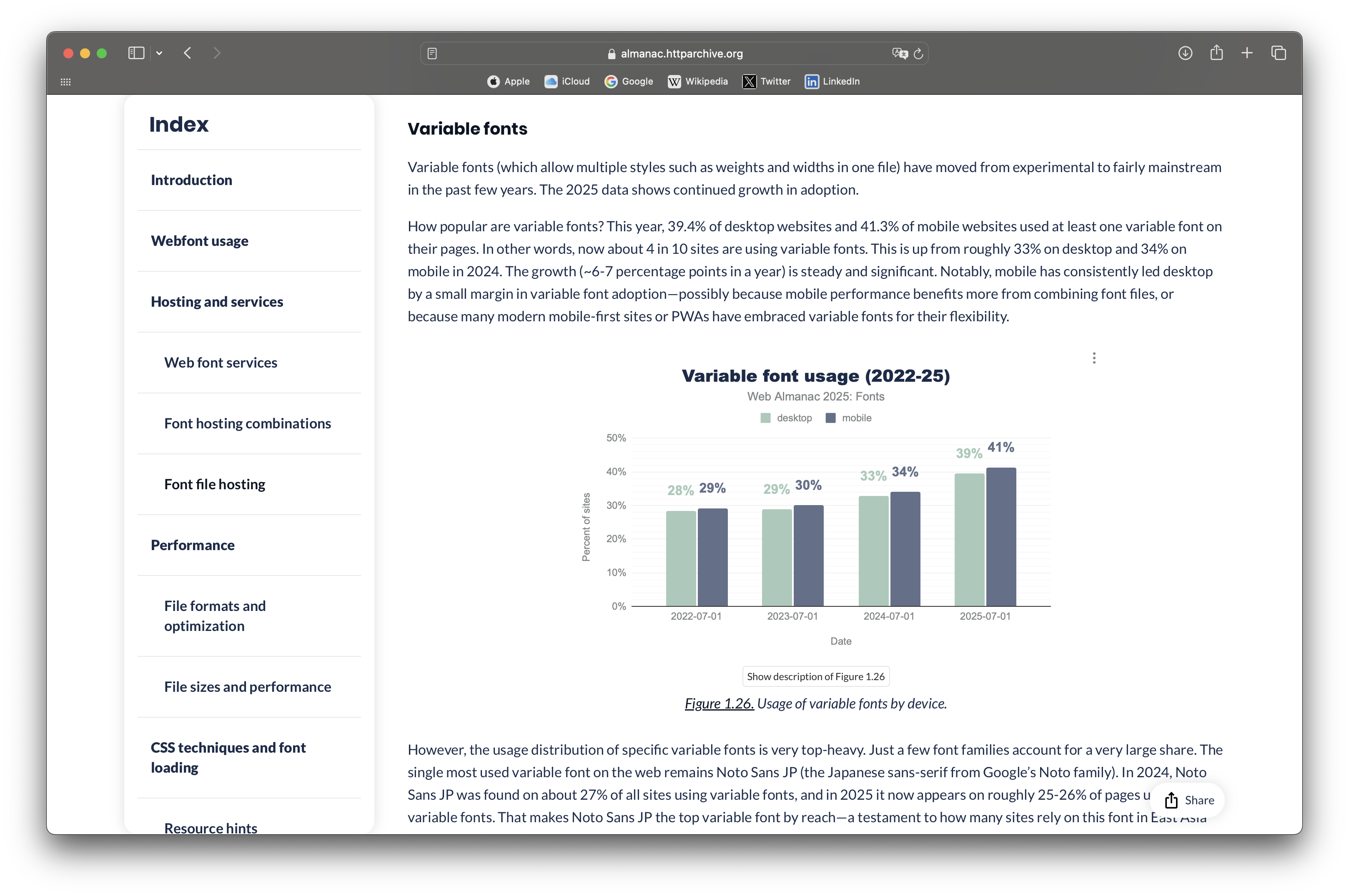
Every year, Web Almanac publishes a detailed report on web font usage. The 2025 report reveals that the majority of websites used a sans serif typeface as a body text font, and the most visible type designer on the web is Dave Gandy, creator of the Font Awesome icon
Variable fonts are used in the typography of 4 out of 10 websites, whereas color fonts appear on only 0.06%. The most common OpenType feature is kern (45% of fonts include a kerning feature), while liga ranks second (43% include a ligature feature).
Granshan Bloom
granshan.com/granshan-competition-base-bloom
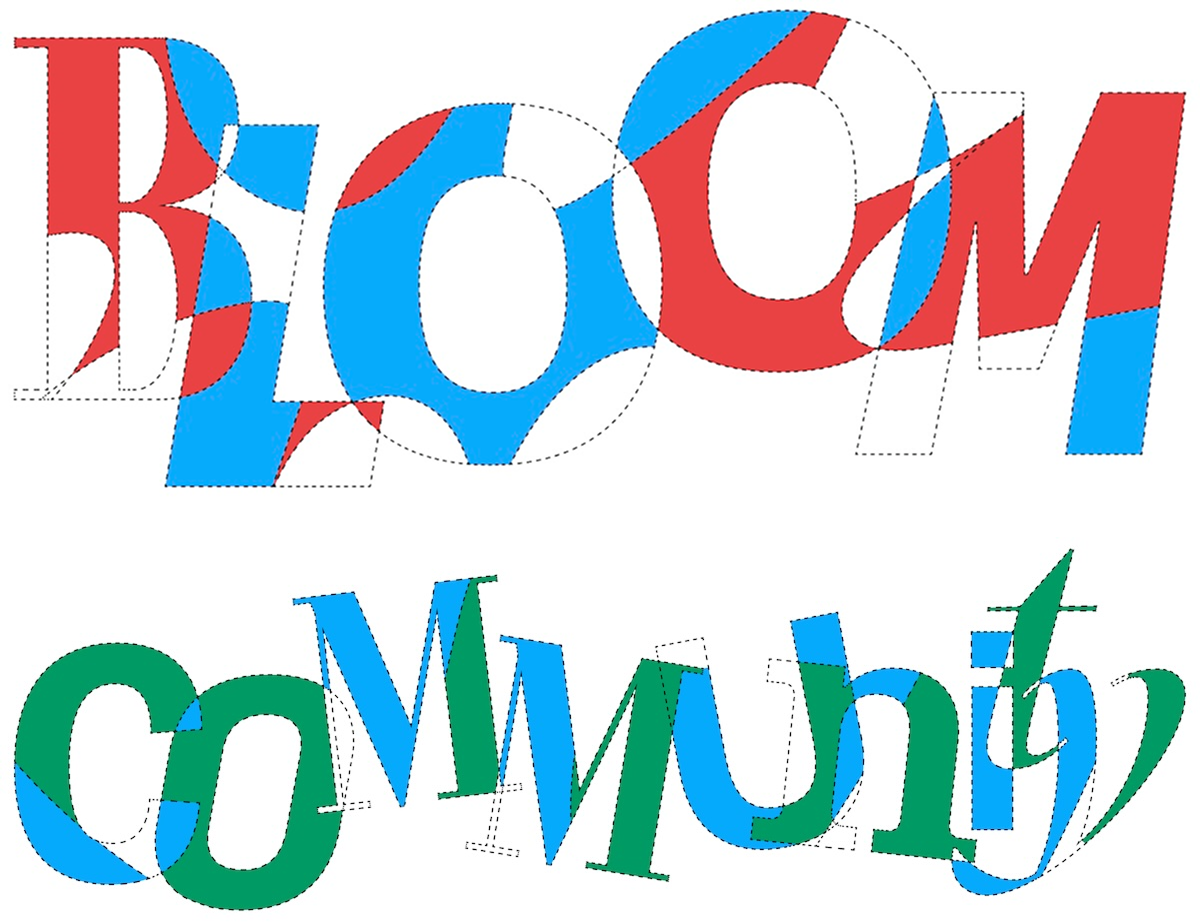
Granshan, an institution that previously held type design competitions, is now running a communication design award, Granshan Bloom. The submissions will be evaluated by experts who are native speakers of a language written in the script in question, including Arabic, Armenian, Japanese, Chinese, Greek, Thai, and several scripts used in India.
One cannot enter the competition with a design containing texts exclusively in Latin, but projects using multiple scripts, including Latin, are eligible to apply.
Granshan Bloom is accepting submissions until June 9th. The application fee for students and freelancers is €19.50.
Zed in 4D
typotheque.com/blog/a-typeface-in-four-dimensions
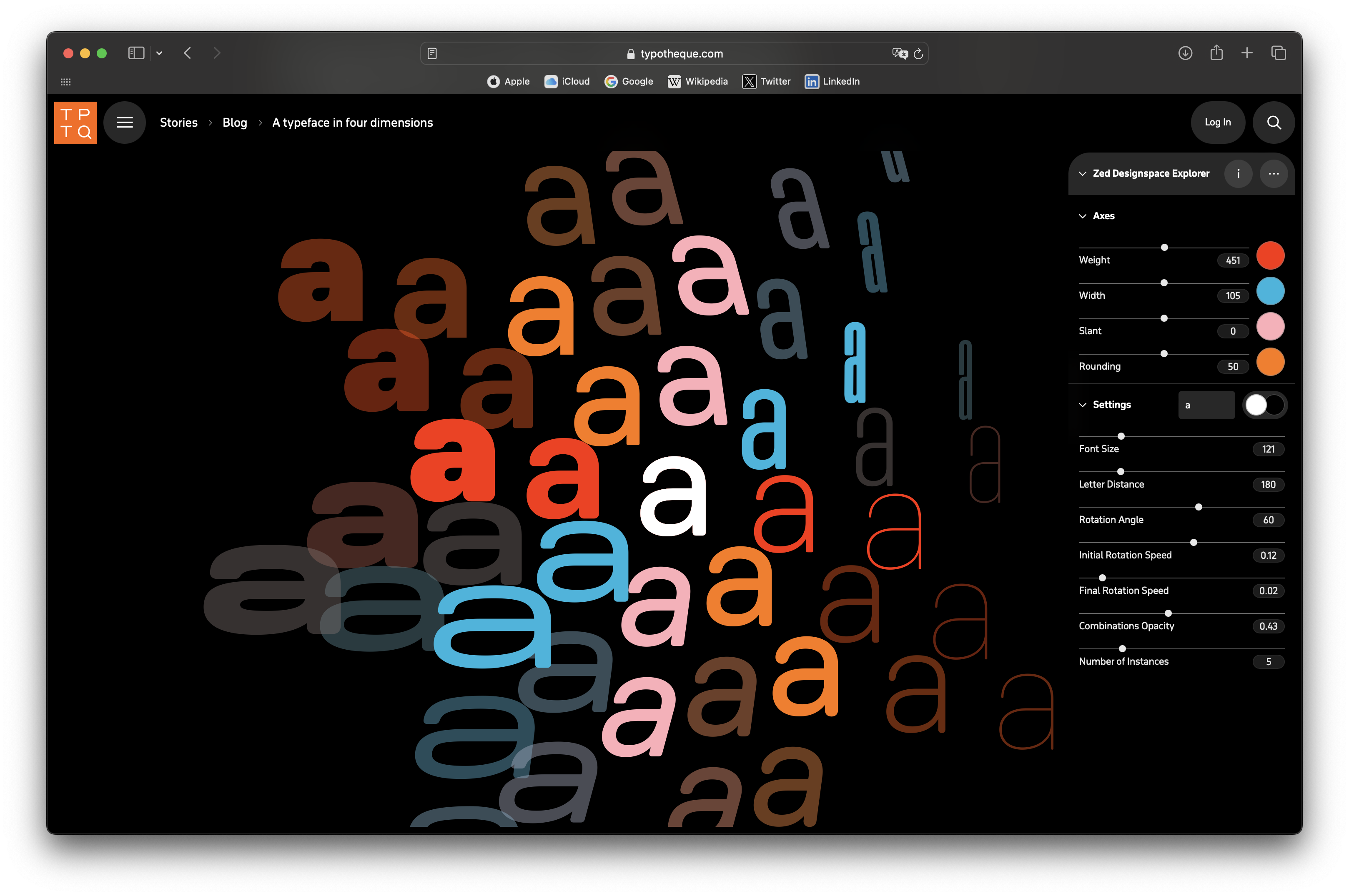
The Zed collection by Typotheque, which already includes a library of icons that adapt to the parameters of the typeface, now supports five more scripts: Cyrillic, Armenian, Greek, Georgian, and Hebrew. For the font update, Just van Rossum created a rotating interactive diagram to help users better understand how the design space of a font with 558 static styles works. The user can move the sliders along the variable
BLAG, issue 08
bl.ag/whats-inside-issue-08-of-blag-better-letters-magazine
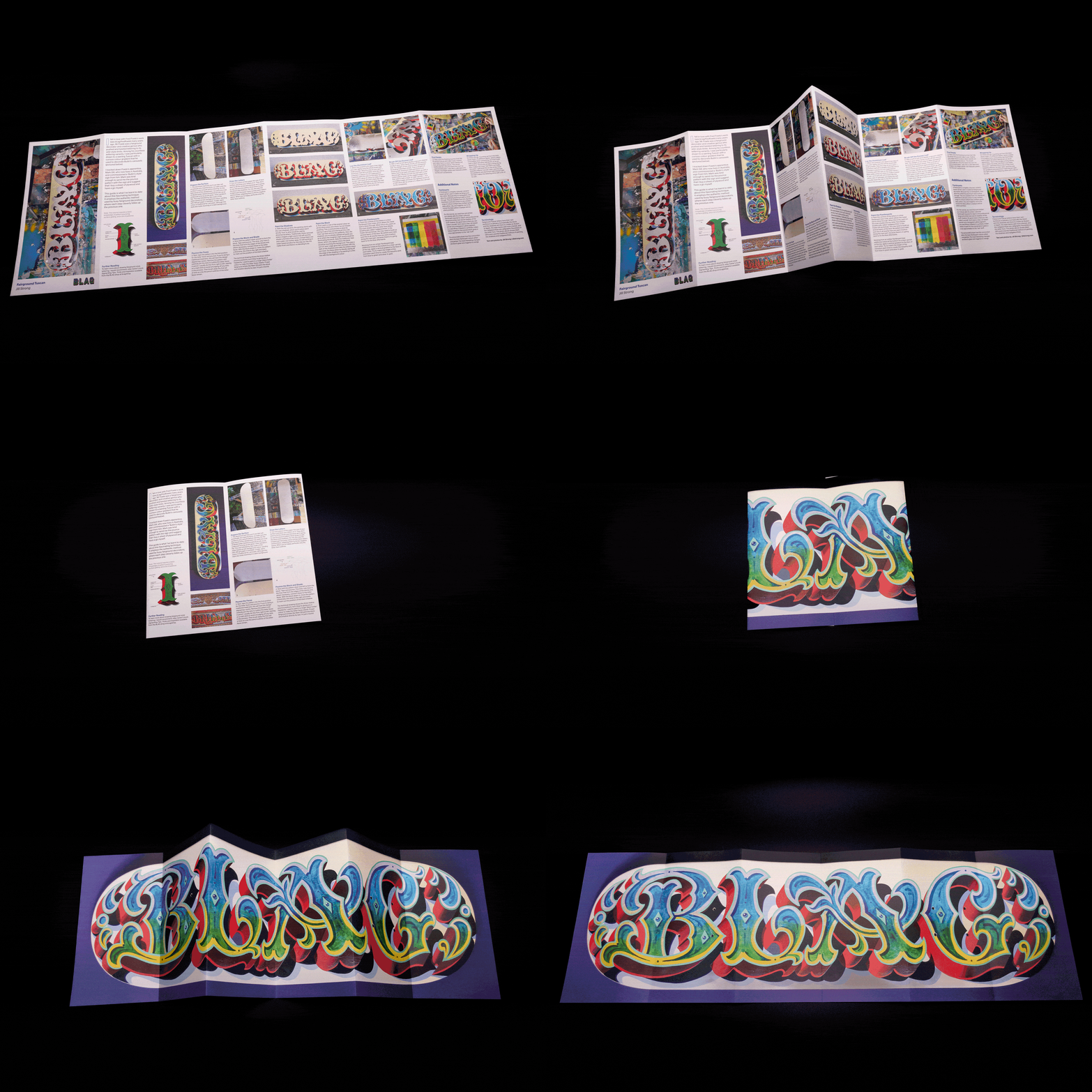
The eighth issue of BLAG, a magazine about sign painting, is now out. It features stories of five artists, announcements of four exhibitions, an essay on what soon may happen to old Hong Kong street signage, and a large poster with a hand-painted skateboard.
ABC Dinamo × Words of Type
youtube.com/watch?v=QZ81EJdIJQY
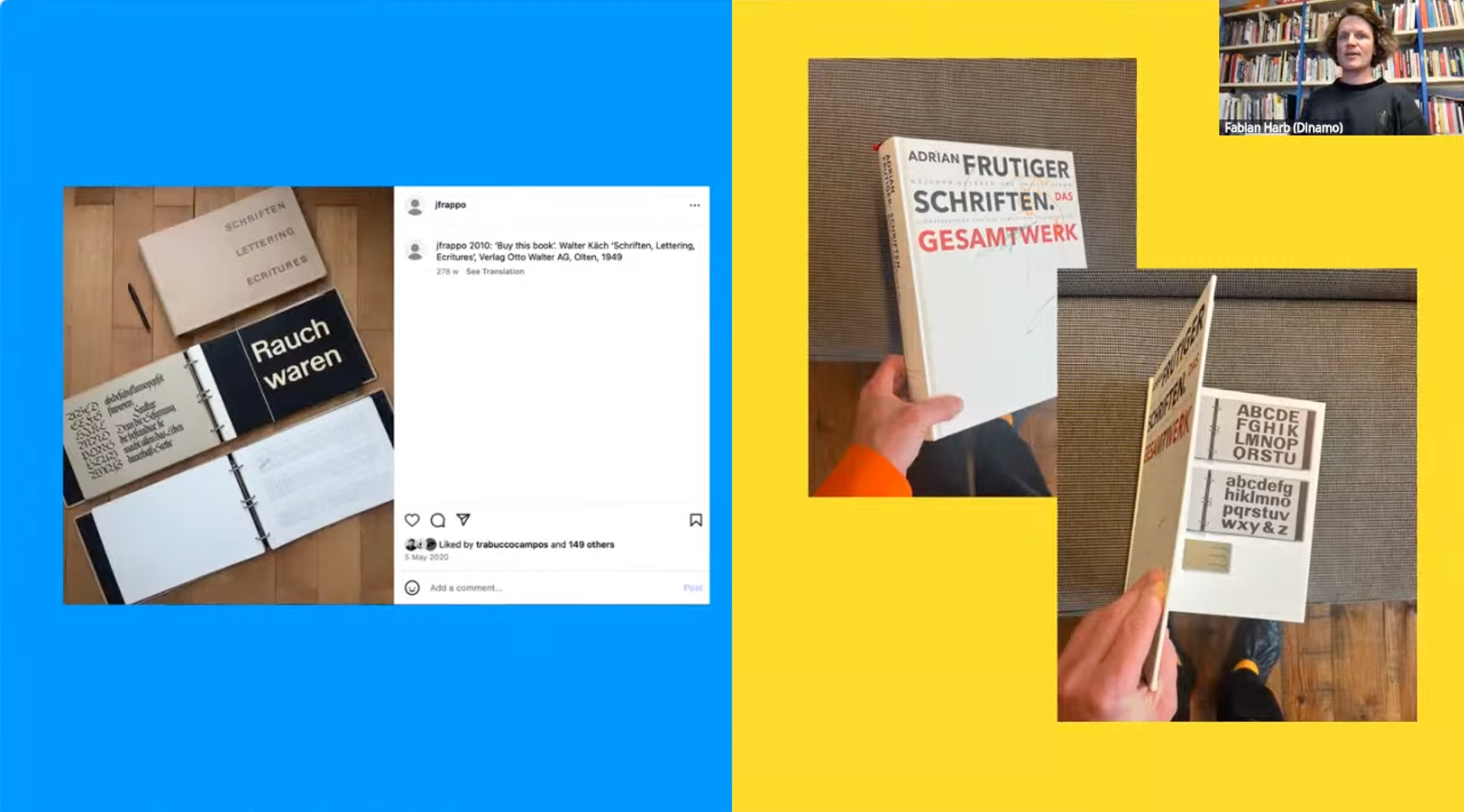
Fabian Harb of ABC Dinamo delivered a talk on the Words of Type typography encyclopaedia platform. He shared how Dinamo, together with Omnigroup, explored the legacy of Swiss designer and type educator Walter Käch, designed revivals of his typefaces, and then reinterpreted them as a modern type family.
Krista Radoeva → About Type
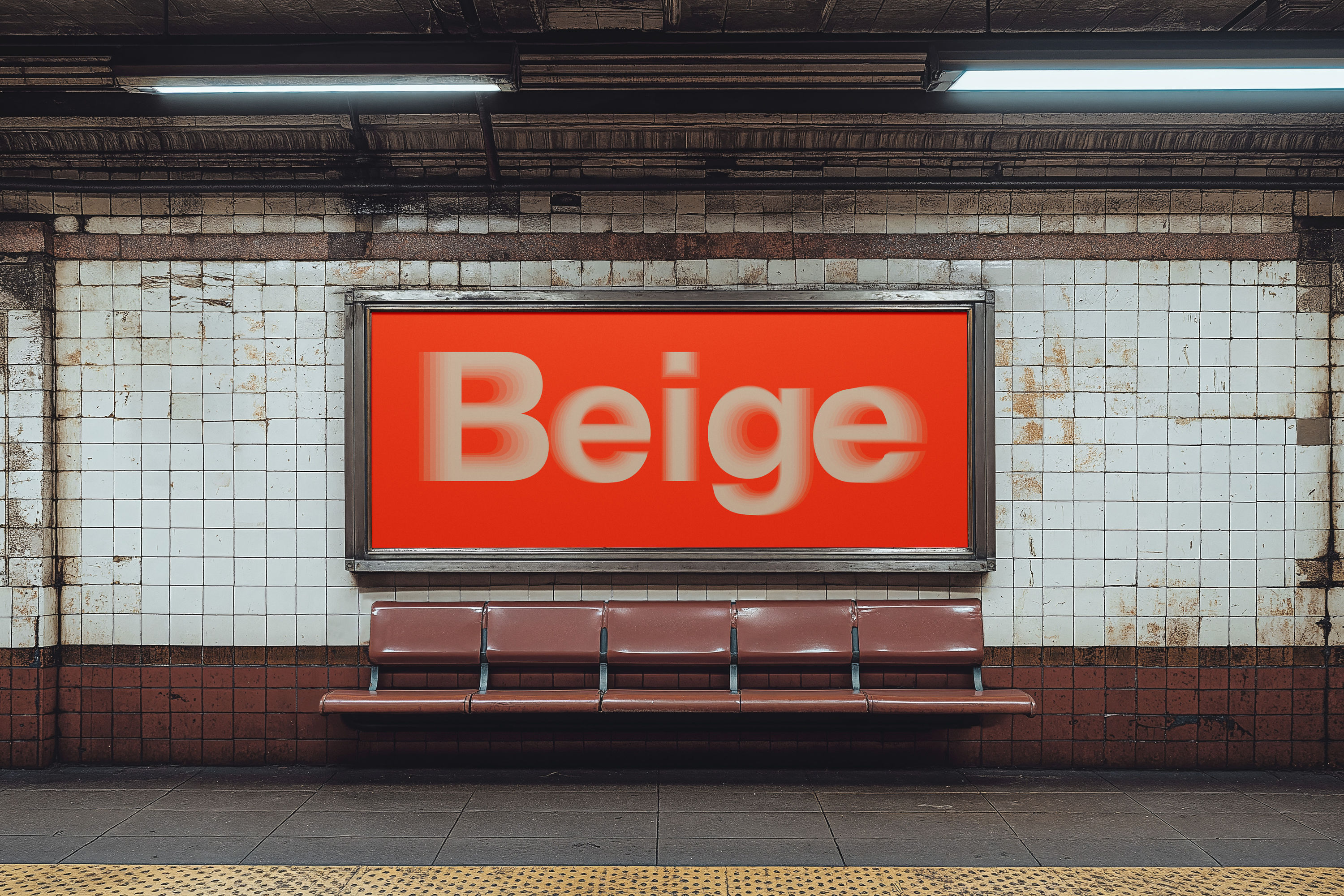
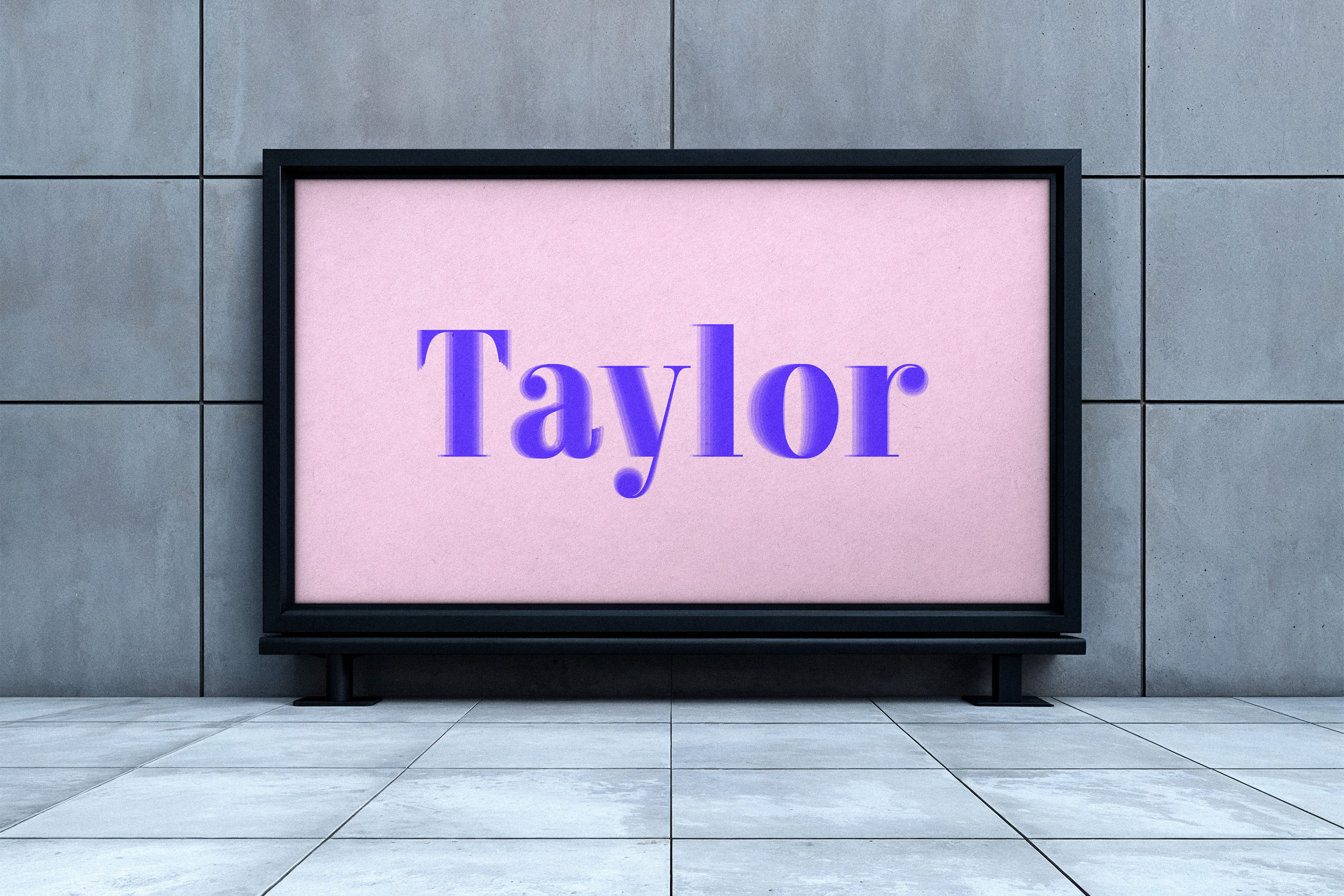
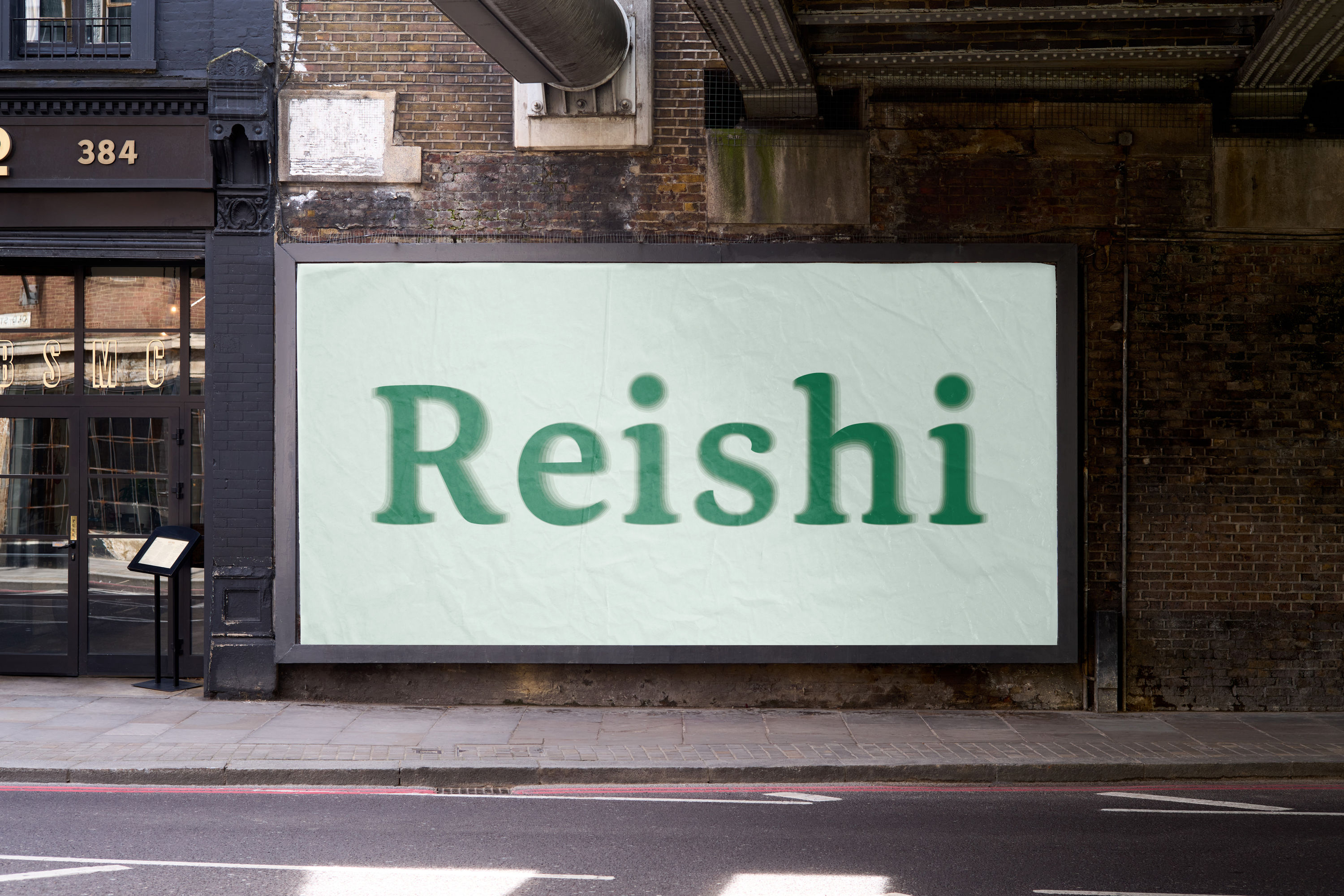
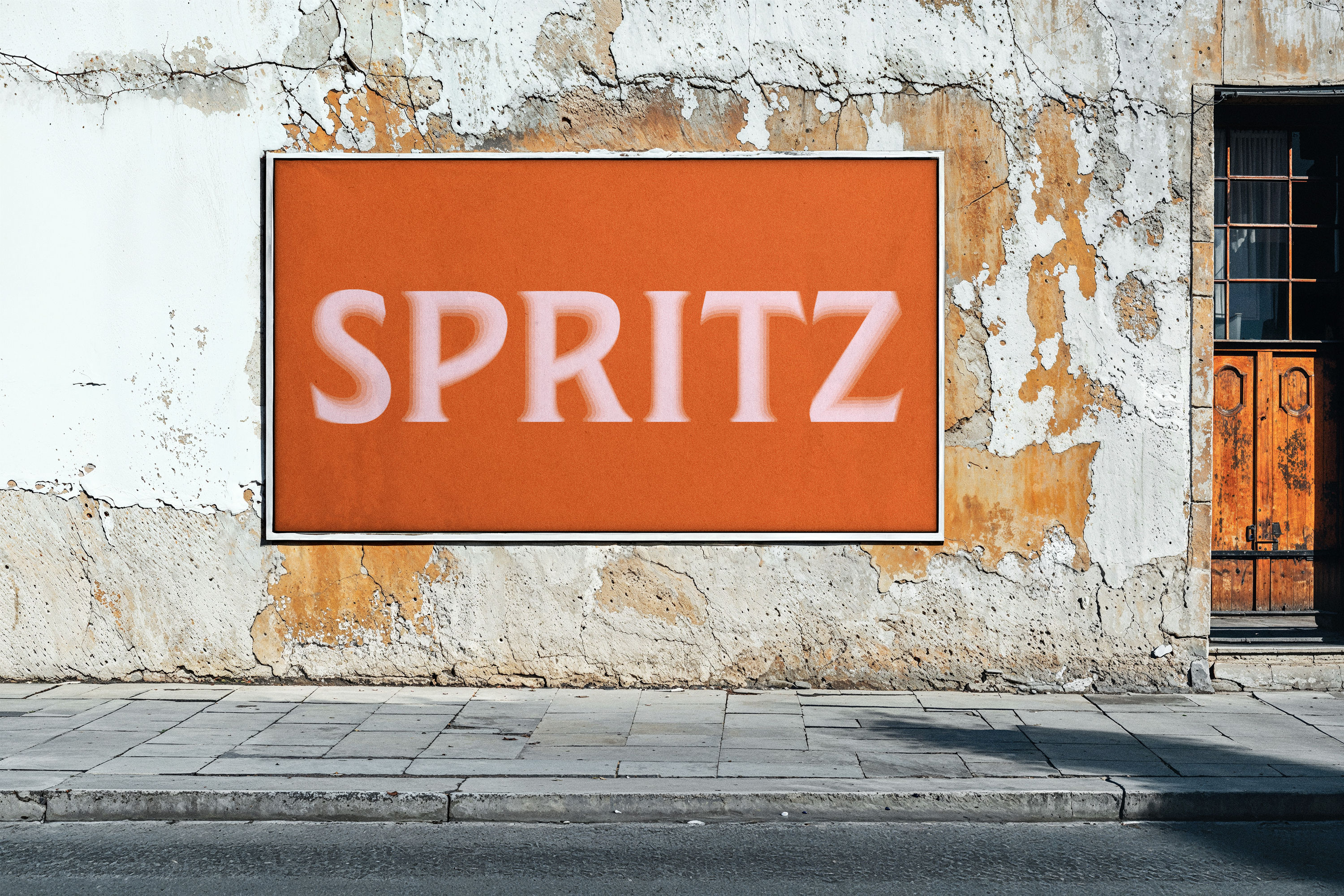
Krista has launched her own type shop. As of now, the About Type collection includes four of Krista’s typefaces: Beige, a neutral neogrotesque; Taylor, a high-contrast serif available in four widths; Reishi, a delicate humanist sans; and Spritz (a serif and a sans serif inspired by Art Nouveau lettering). All four fonts support extended Latin and Cyrillic.
Pangea Thai
fontwerk.com/en/fonts/pangea-collection
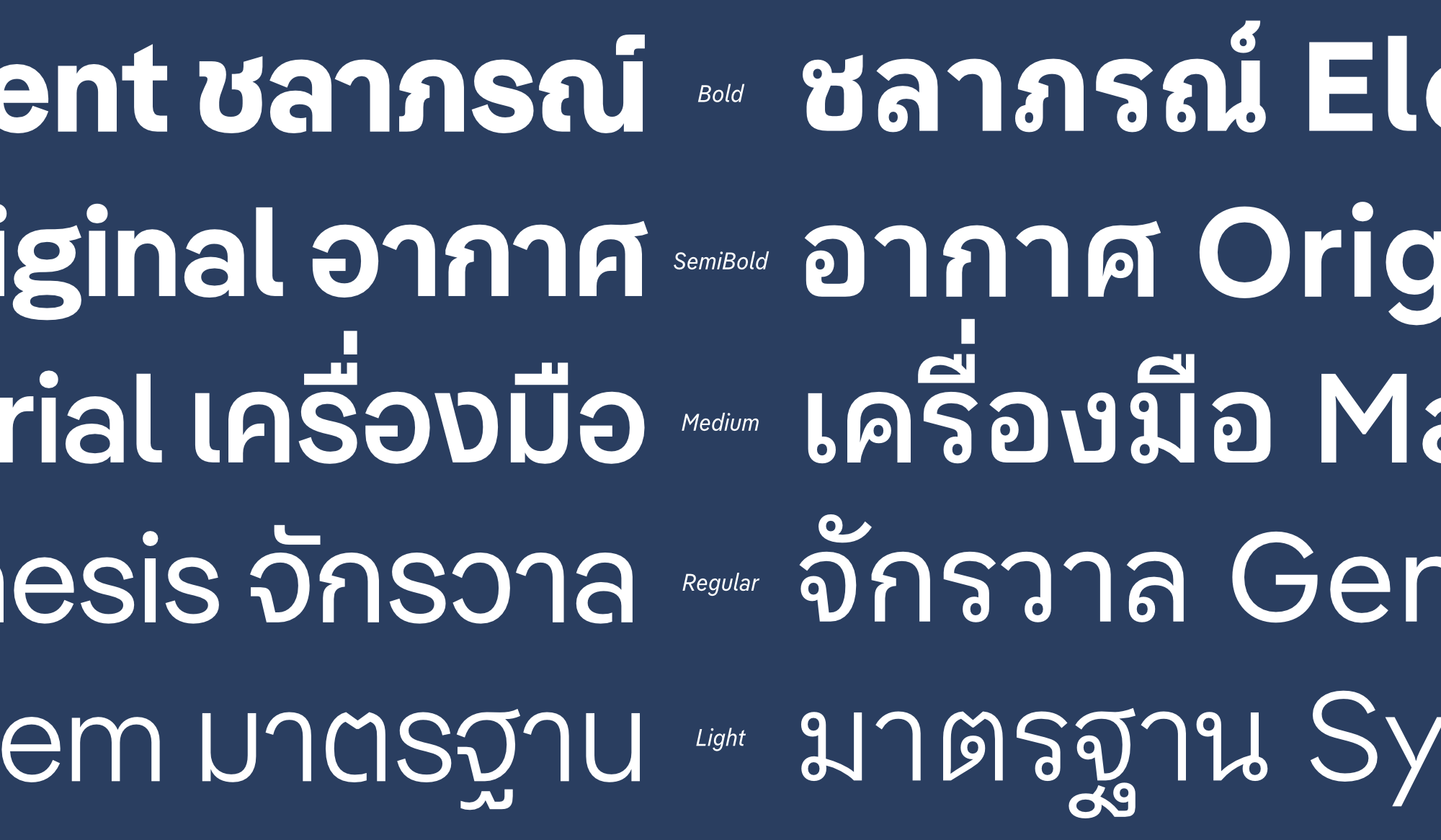
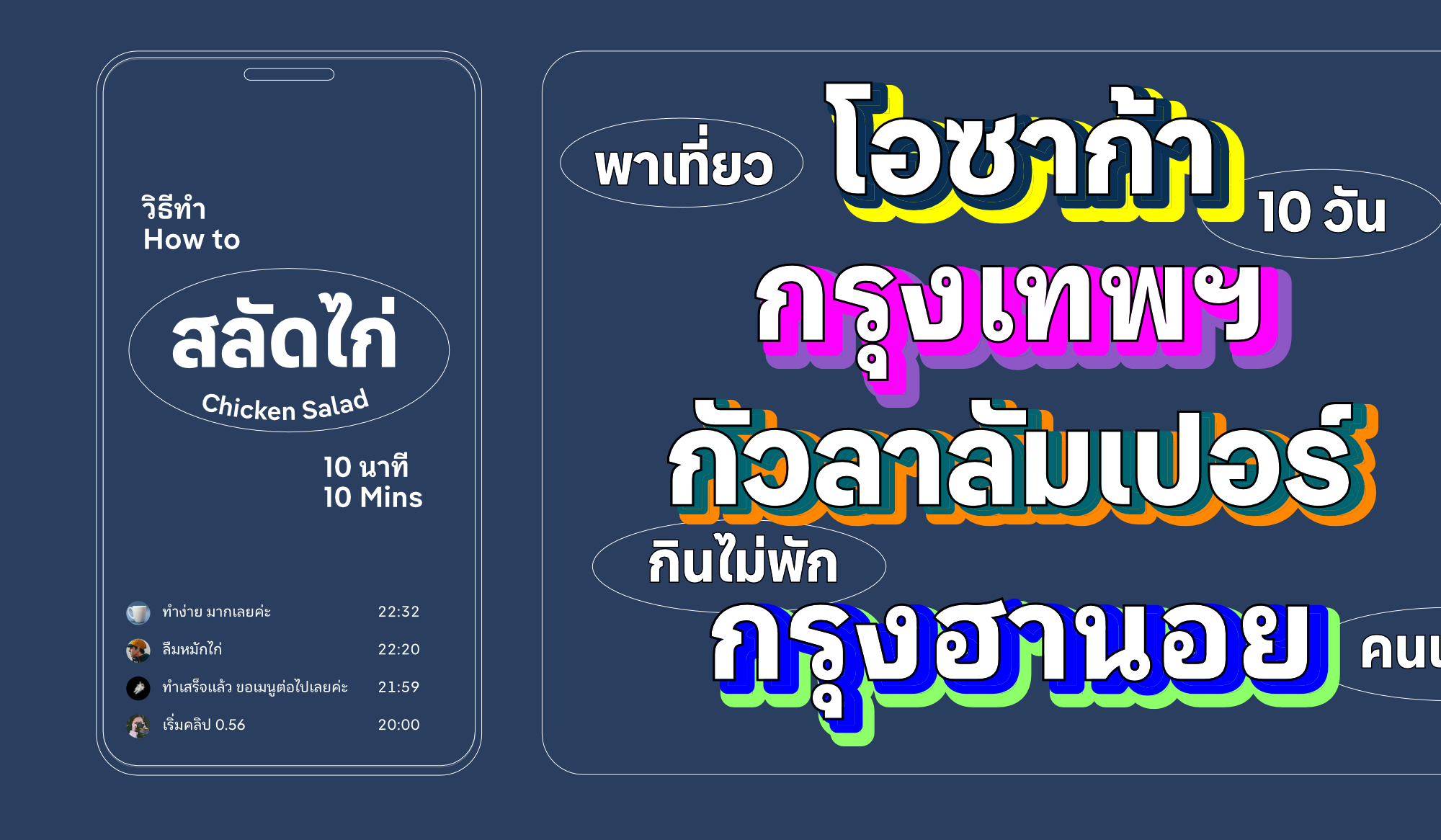
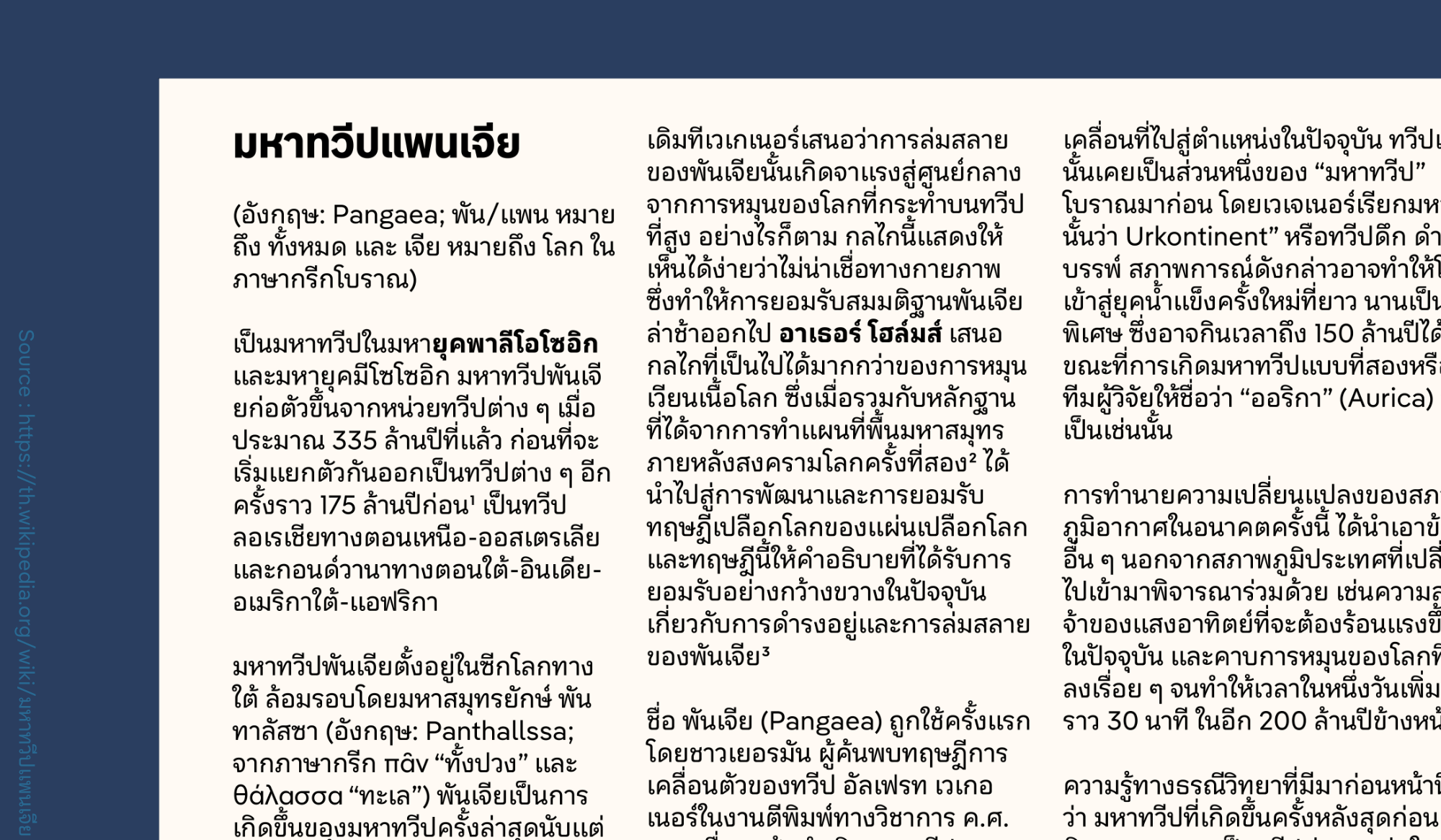
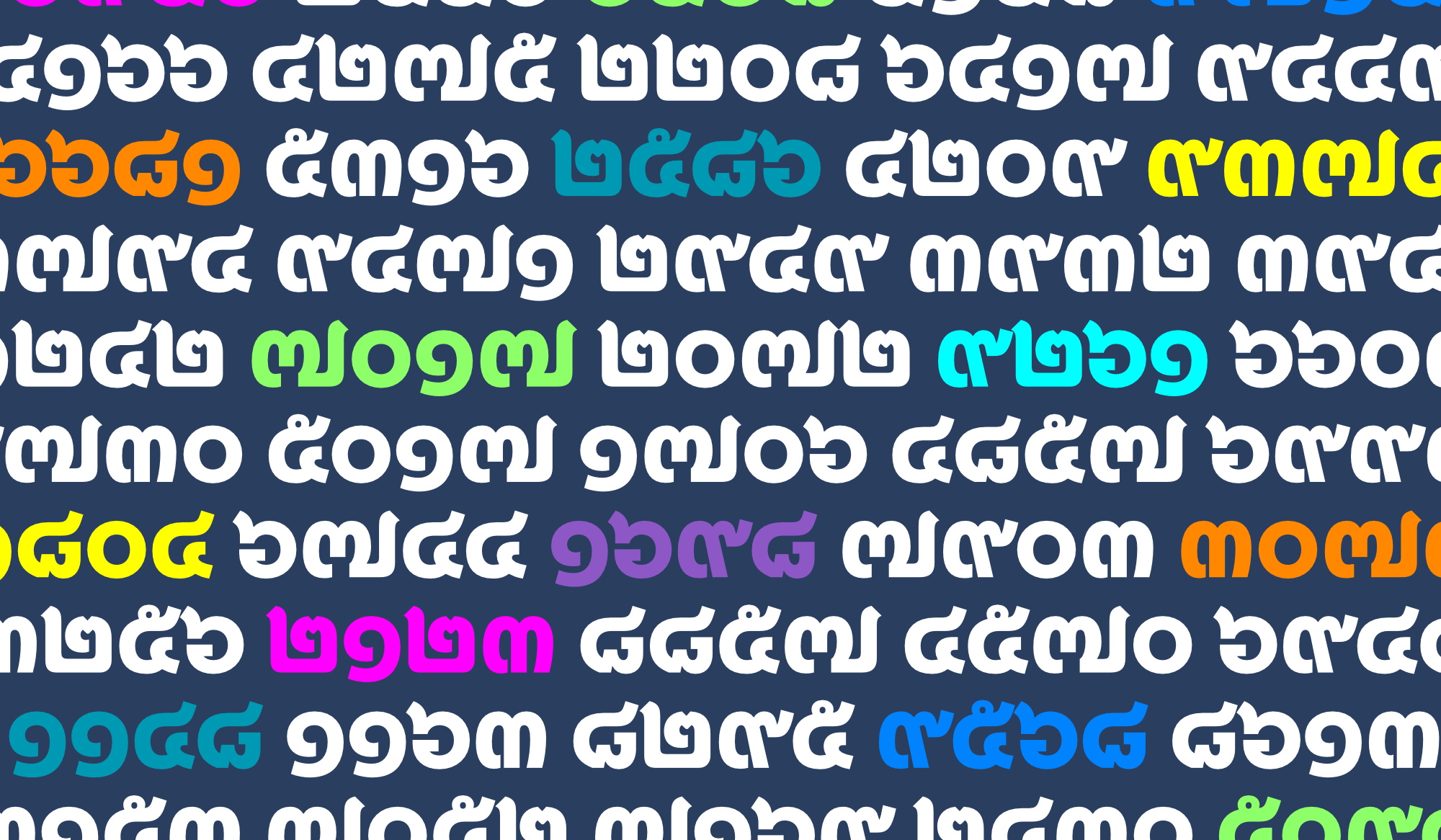
Designer Christoph Koeberlin has been working on the Pangea superfamily since 2016, continuously expanding the range of supported languages. As of January 2026, Pangea includes Thai, designed by Boom Promphan Suksumek. This is the sixth script Pangea speaks in.
Late last year, Fontwerk, the store that sells Pangea, updated its pricing policy. The price of the typeface now depends on the region it will be used
Identity Is Variable
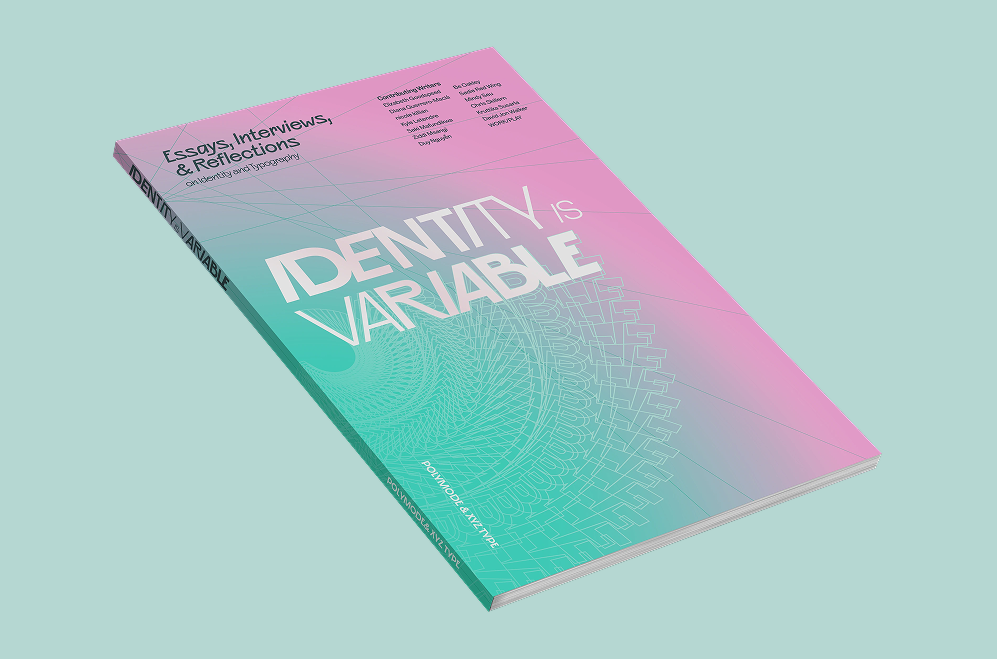
XYZ Type and the Polymode studio released a joint project, a book titled Identity Is Variable, in which 15 designers reflect, in various formats, on how they express their identity through typography. For instance, the book includes an essay by It’s Nice That editor Elizabeth Goodspeed, a poem by designer-poet Sadie Red Wing, and a conversation between WORK/PLAY founders.
Type Designer Toolkit
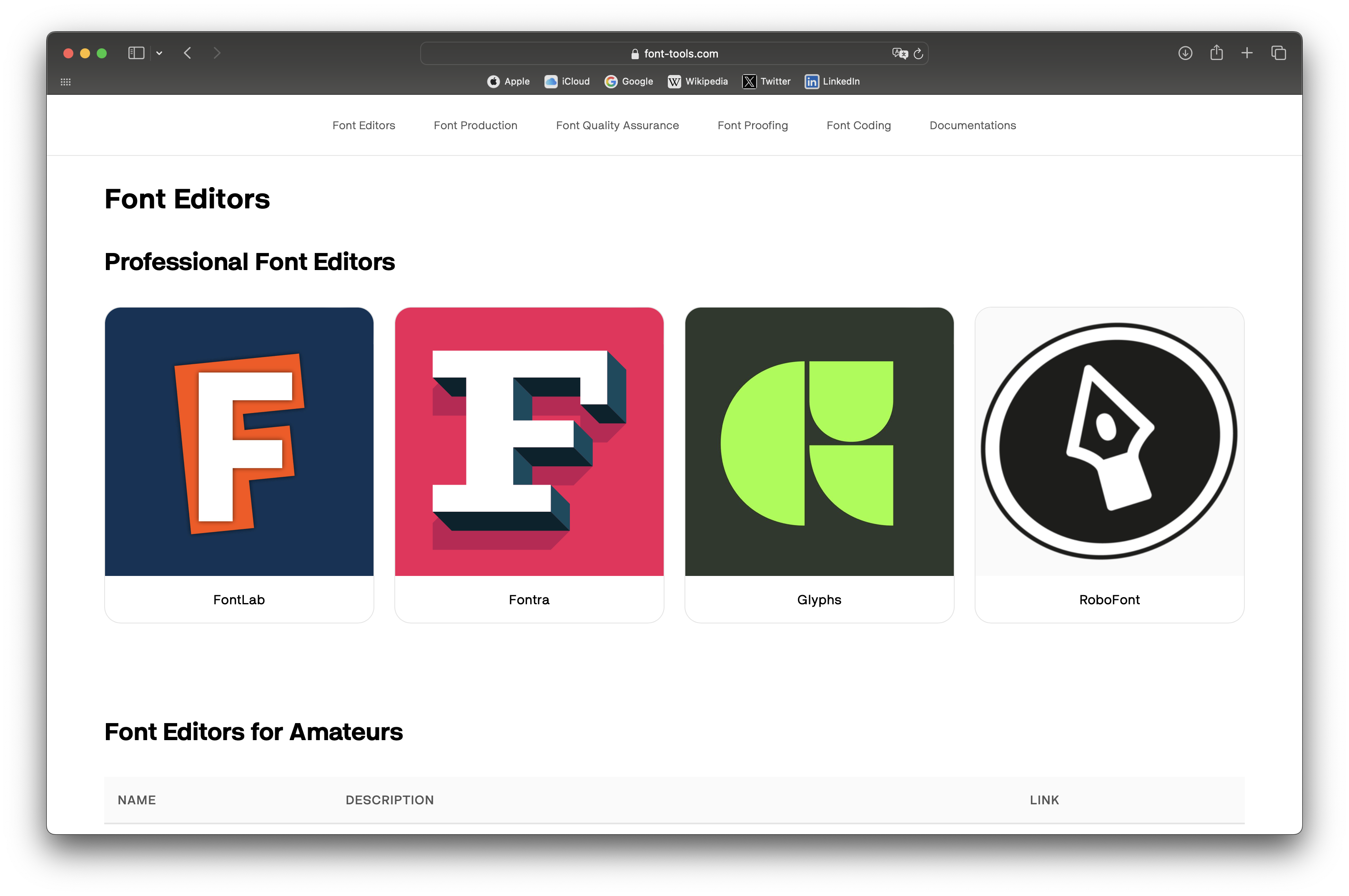
Designer and developer Olli Meier has put together a collection of tools for type designers. It includes links to popular web apps for testing fonts, the most common graphic editors, and a number of GitHub libraries that may come in handy when working on a typeface.
Vera Evstafieva’s Calligraphy Marathon
facebook.com/share/p/18E1wzmSzy
From January 28th to February 10th,
A name written in Cyrillic as part of the Calligraphy Marathon
New typeface: Zhivov
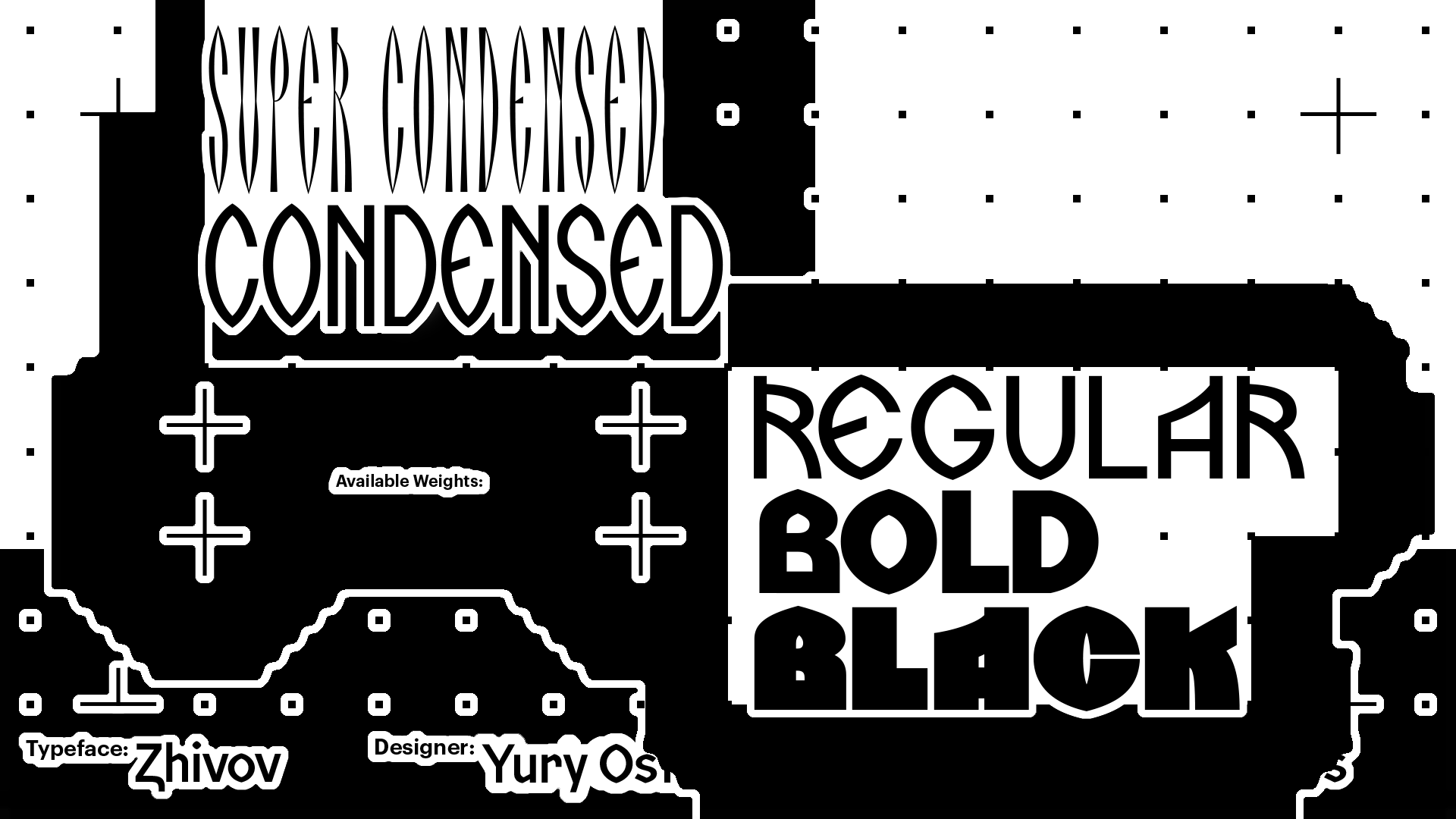
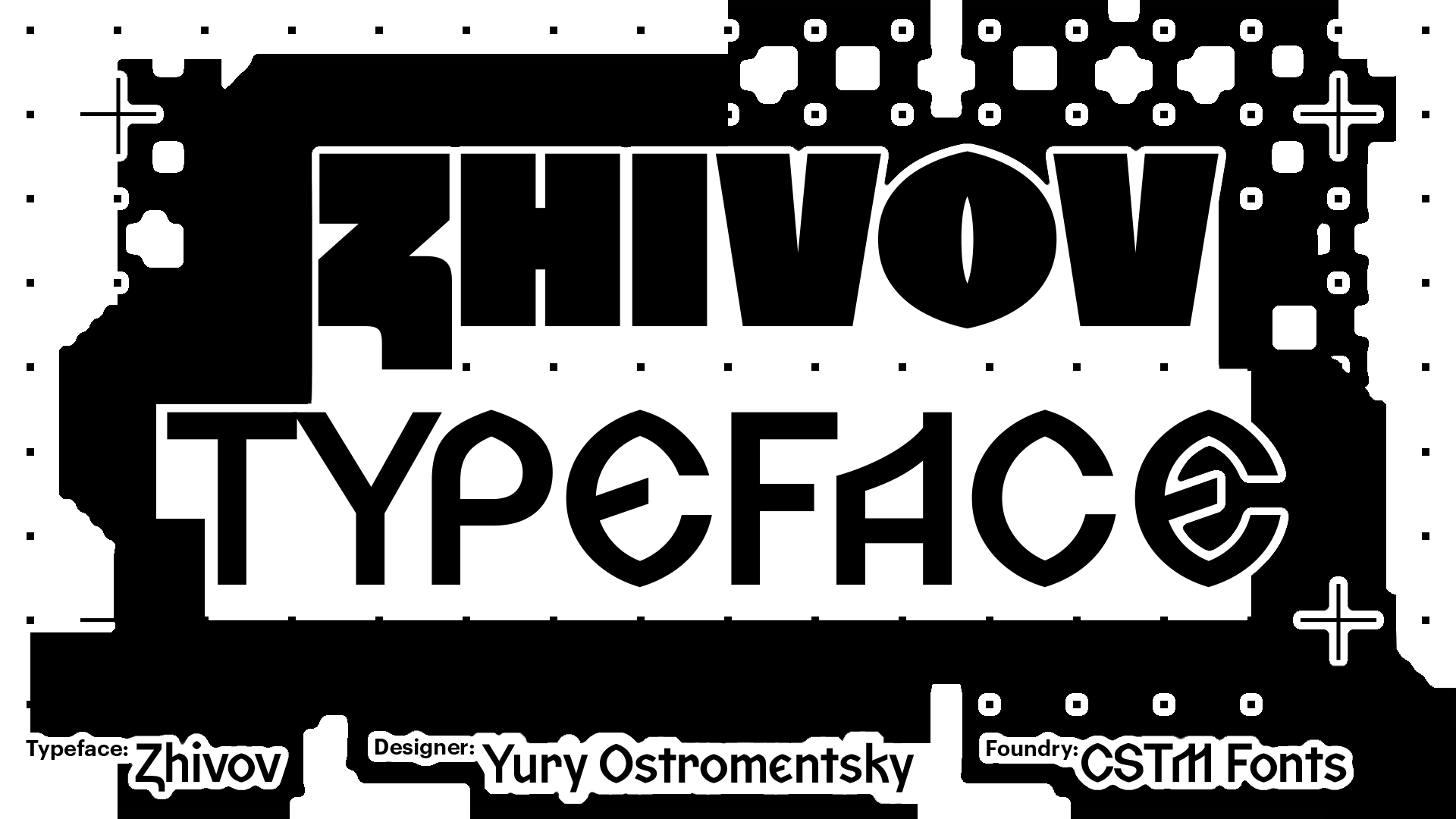
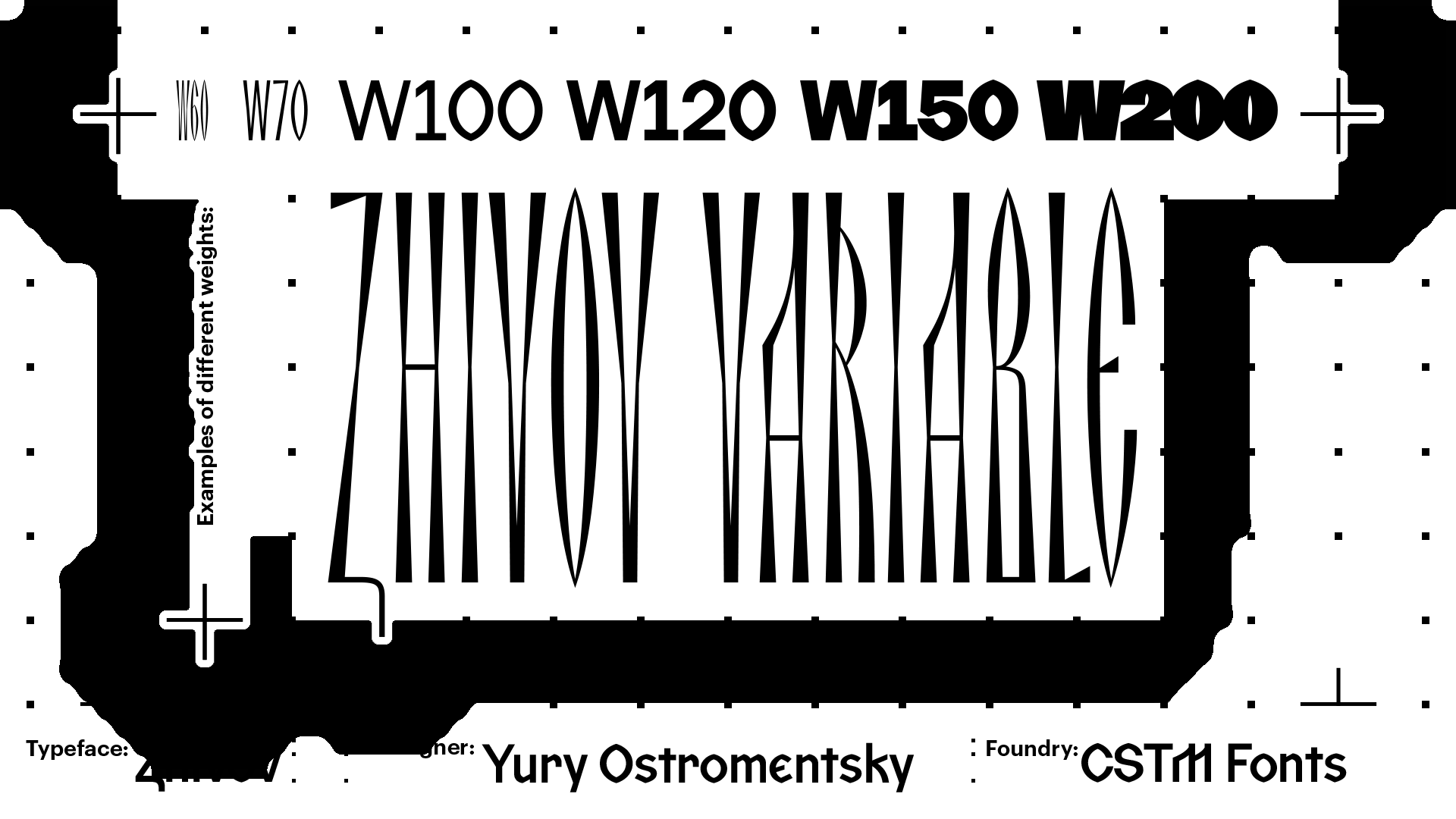
Zhivov by the CSTM Fonts studio has been released with Future Fonts and is now available in our type store. The typeface supports Old Church Slavonic and somehow reflects on what may have happened to Cyrillic if Peter the Great hadn’t reformed it in the early 18th century. Ahead of the release, we spoke with researchers working with Old Church Slavonic language and literature to find out what typographic challenges they encounter in their practice.
Zhivov is free of charge for scholars. If you’re looking to use it in your work, please reach out to us at yury@type.today, and we will send you the font files.
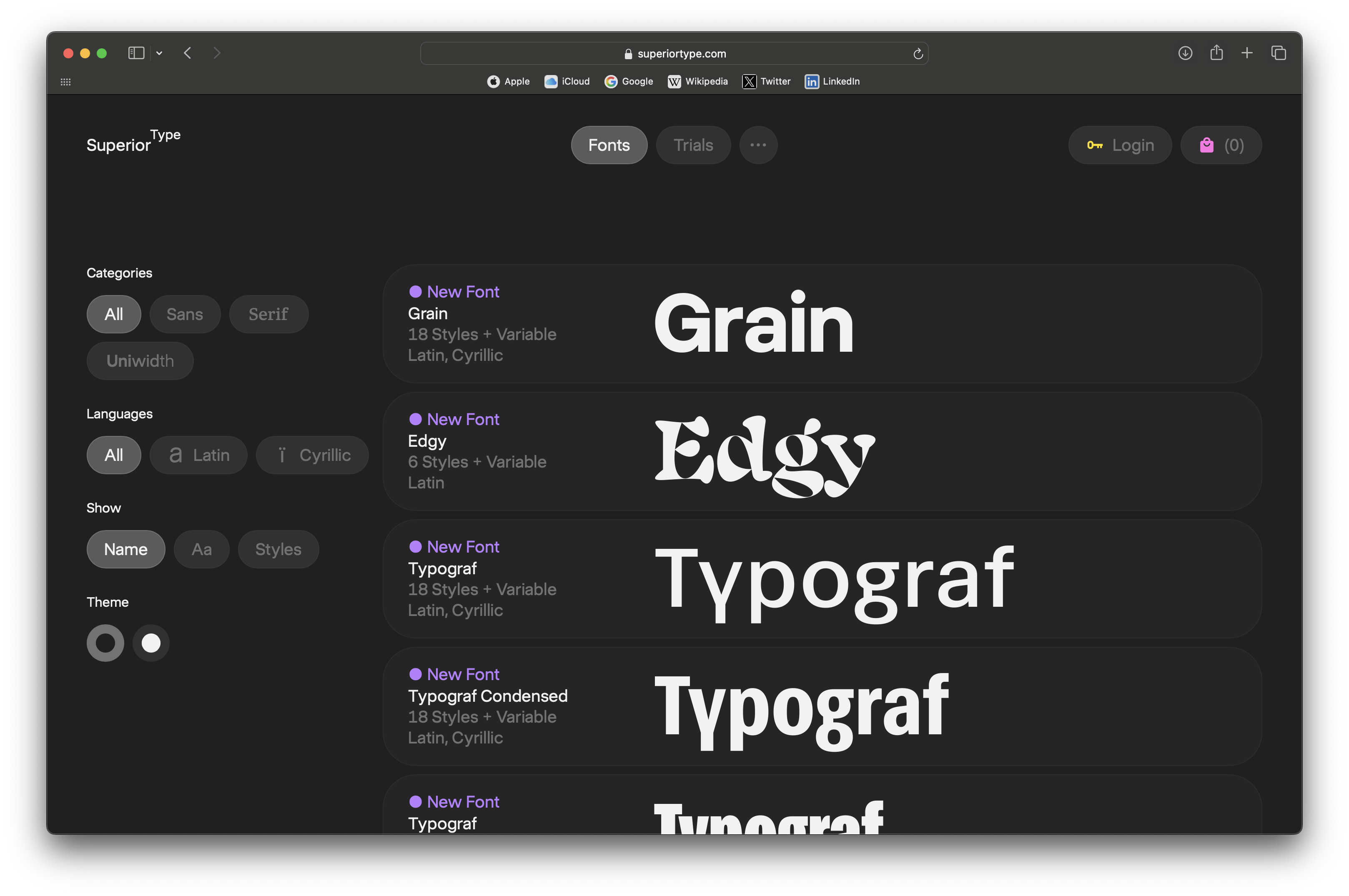
Superior Type update
Superior Type has updated its
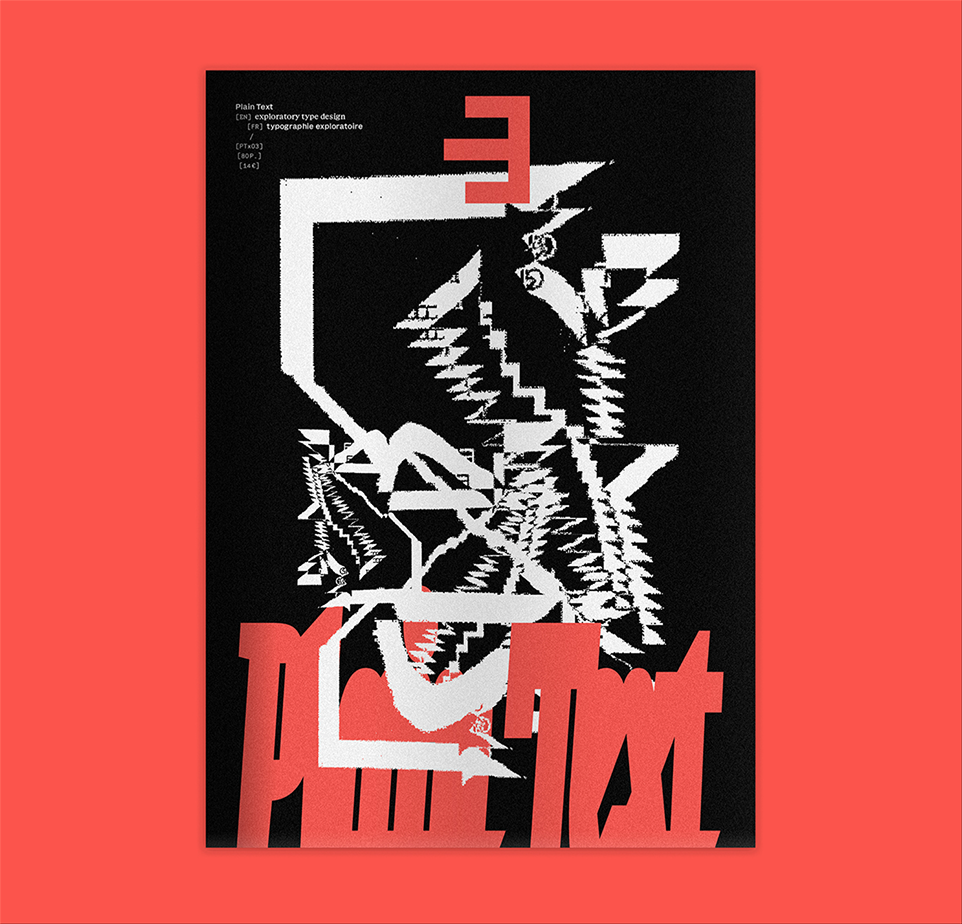
Plain Text, issue 3
Once every six months, Plain Form (which is Lucas Descroix and Benjamin Dumond) issues a bilingual zine, Plain Text, in which the foundry’s team invites their fellow professionals to talk about type, all while stepping away from a strictly technical or purely historical perspective.
In January, Plain Form announced the third issue of the zine. It will feature an article by Benjamin Dumond on typography as a multiple practice, a piece by Eugénie Bidaut on legibility and inclusivity, as well as a poem by Alex Balgiu.
HarfBuzz at 20
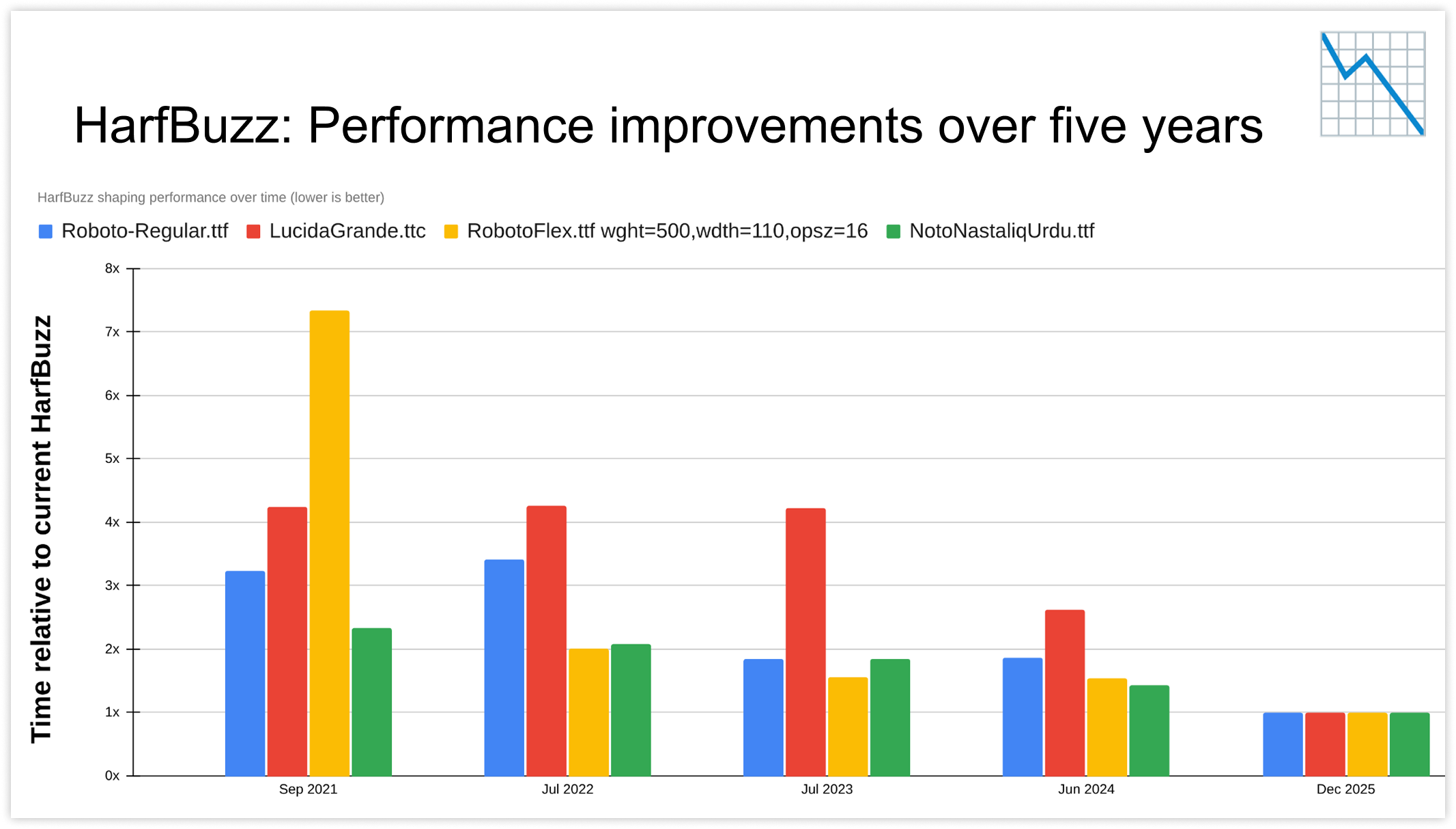
To mark the 20th anniversary of HarfBuzz — a text shaping engine used for applications such as Illustrator and