Typefaces of the Month, Matthijs Sluiter’s Picks
We asked Fonts In Use editor and Type Specimens curator to select the most notable type releases and updates of April.
Releases
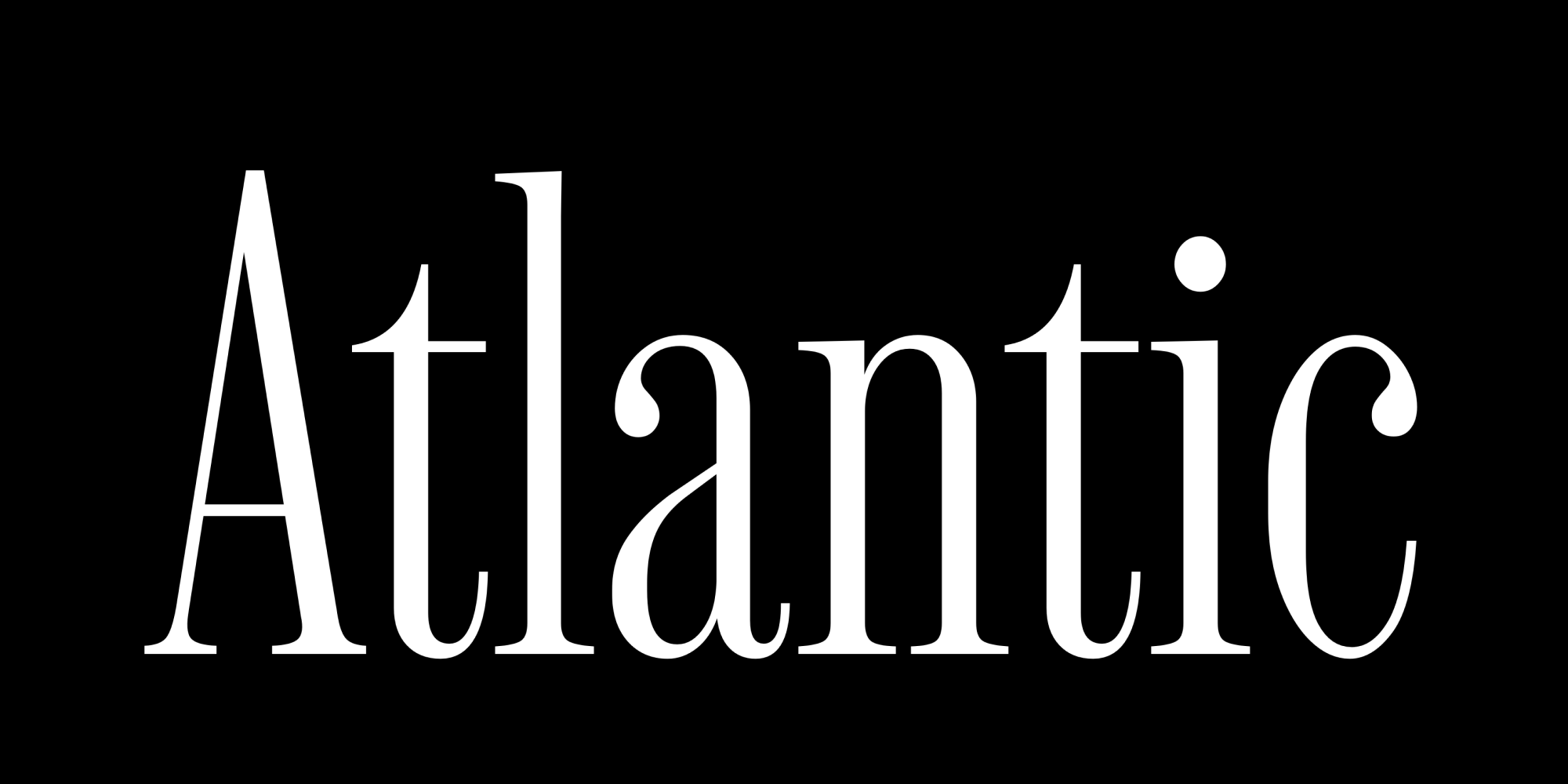 Atlantic by MCKL Type
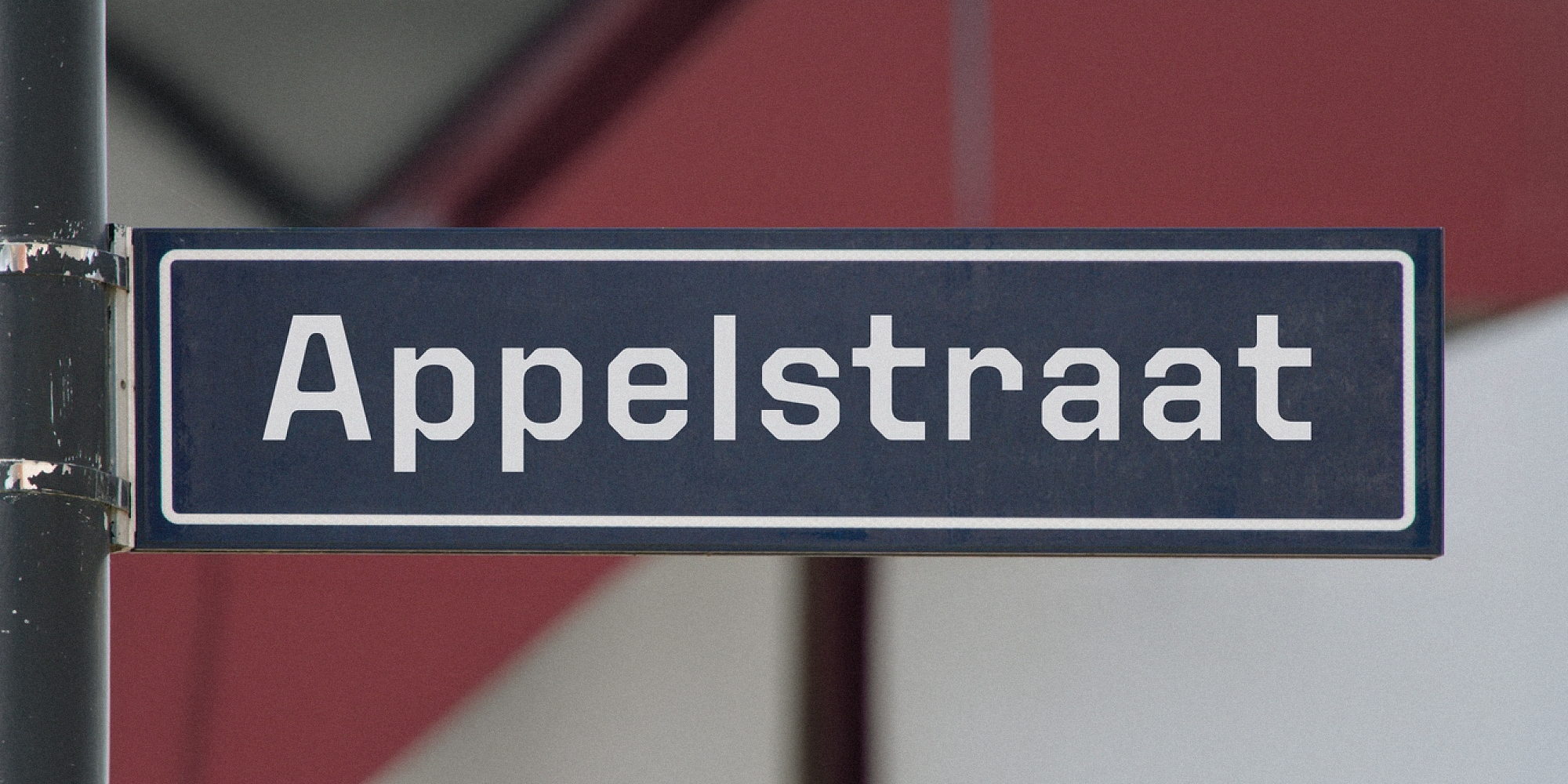 Botter by Retype Foundry
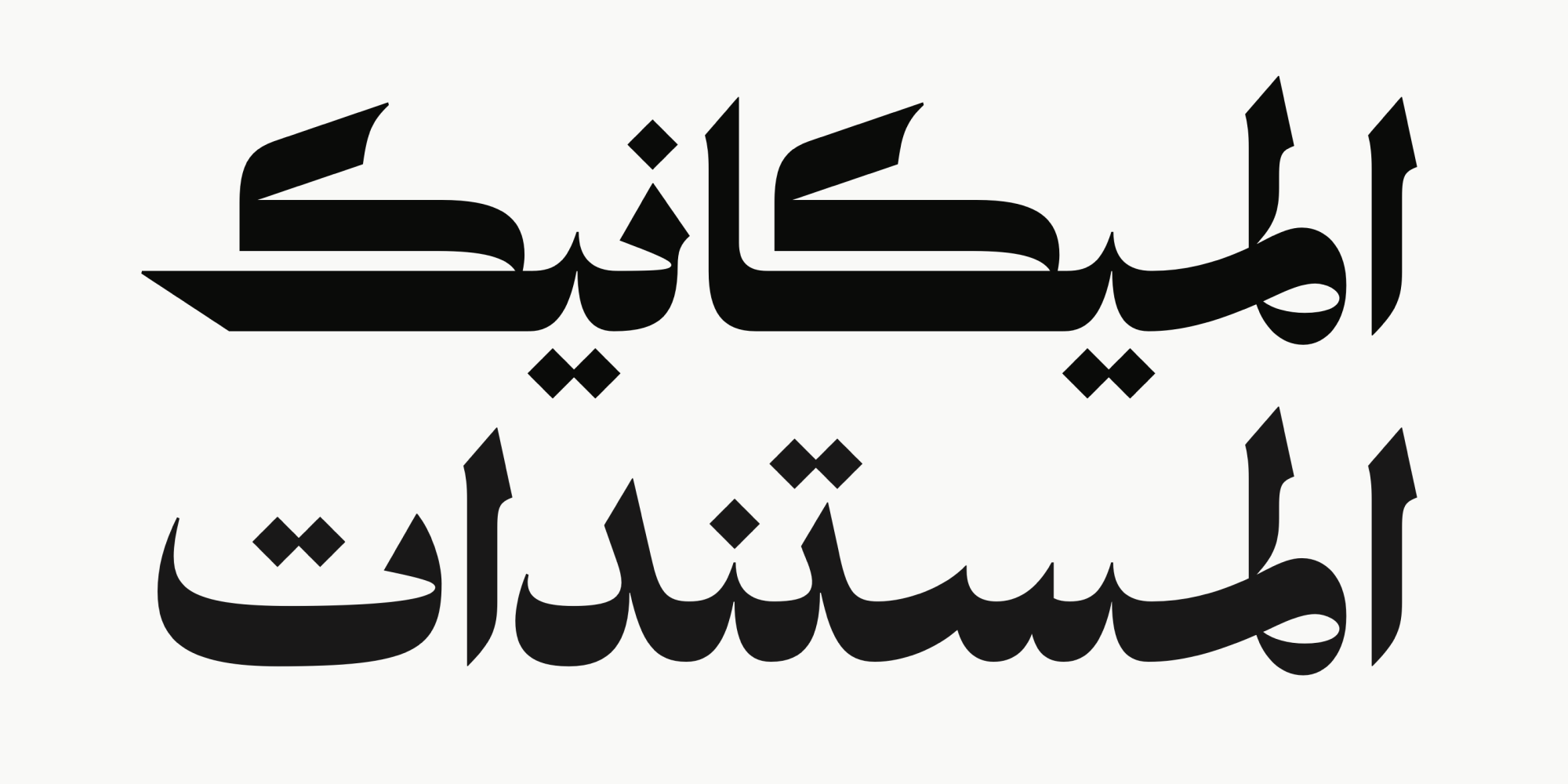 Canela Arabic by Khajag Apelian, Waël Morcos
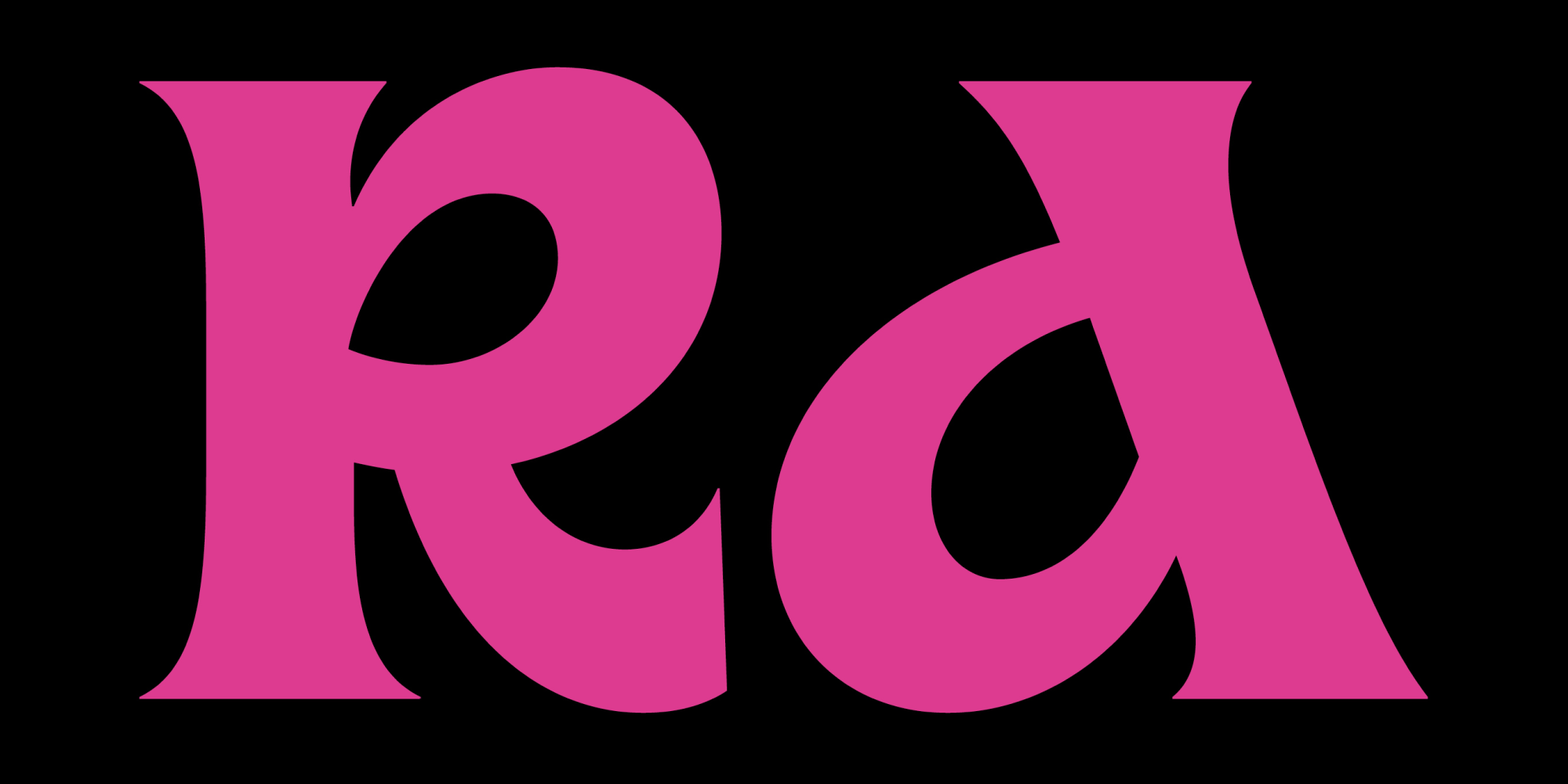 Dargon by Anne-Dauphine Borione
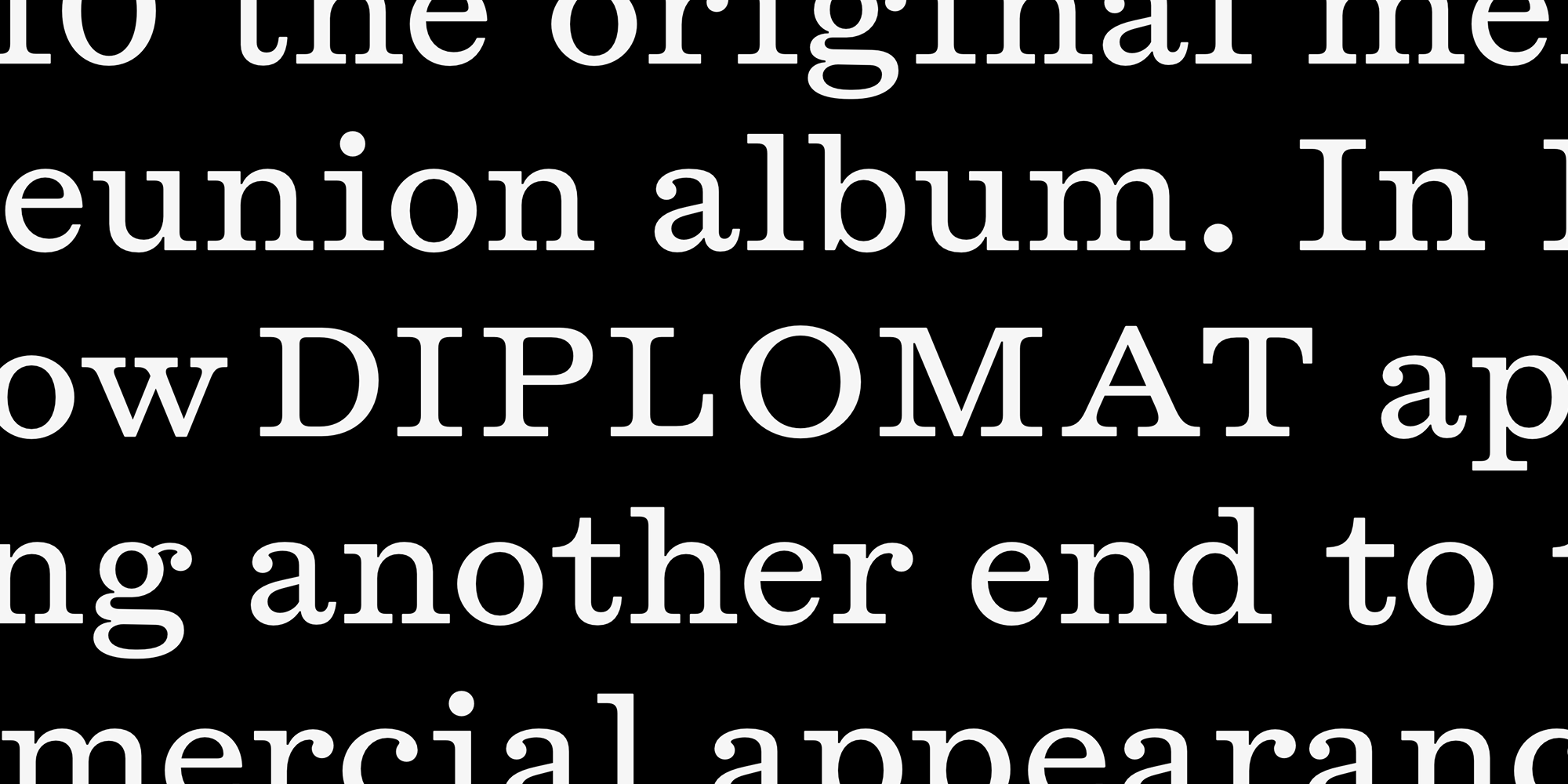 Diplomat by Source Type
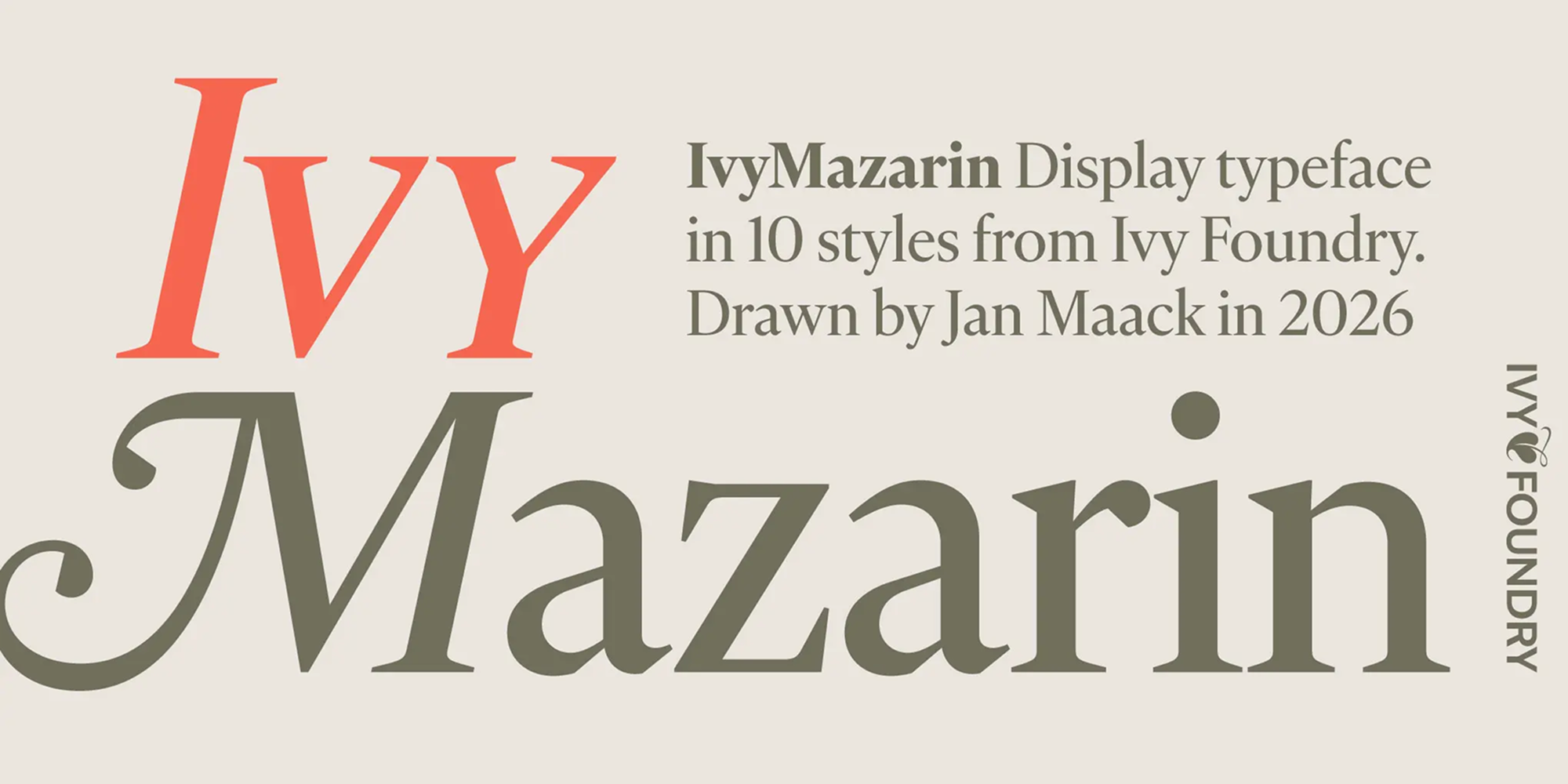 IvyMazarin by Ivy Foundry
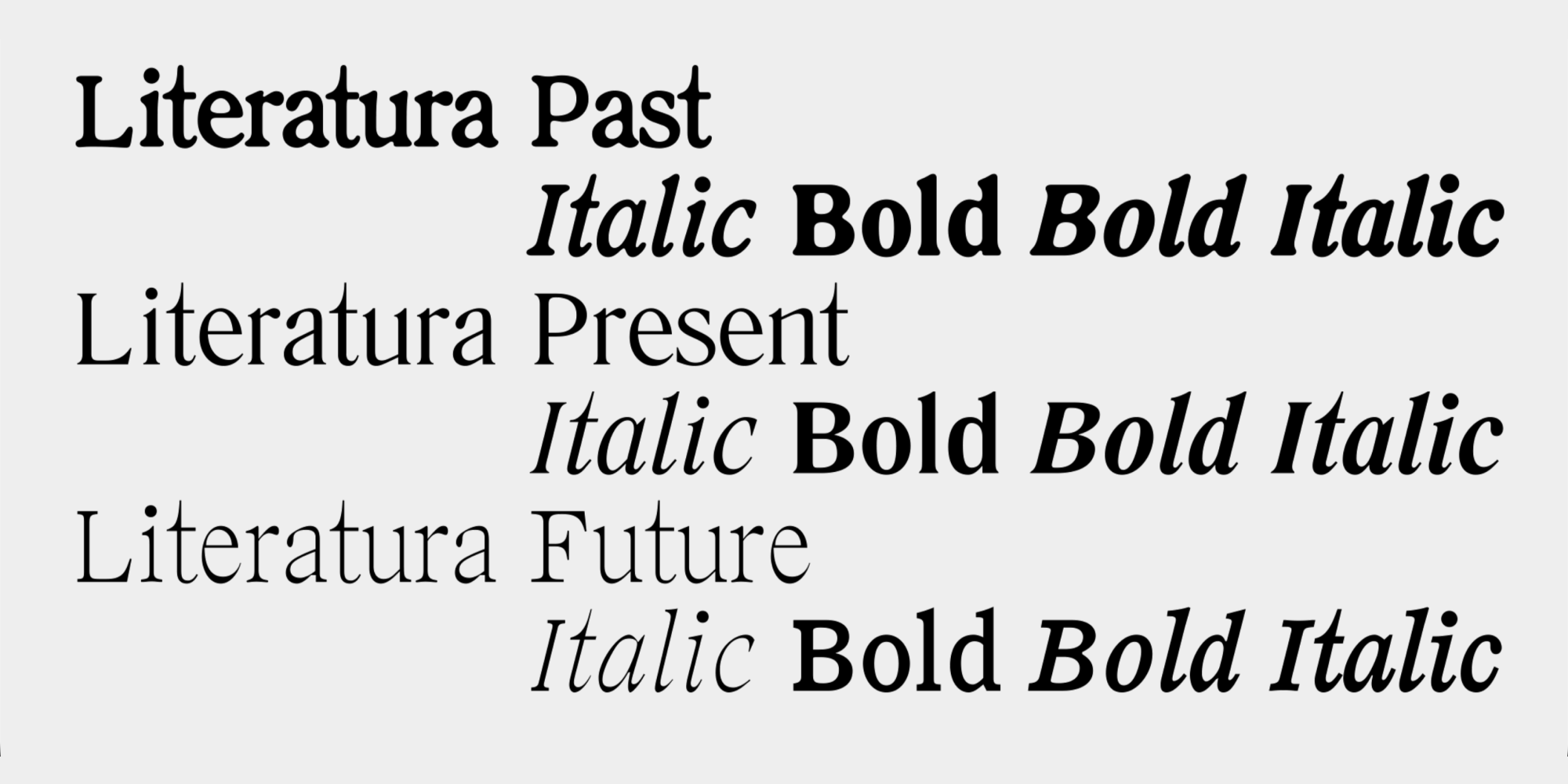 Literatura by Roman Gornitsky
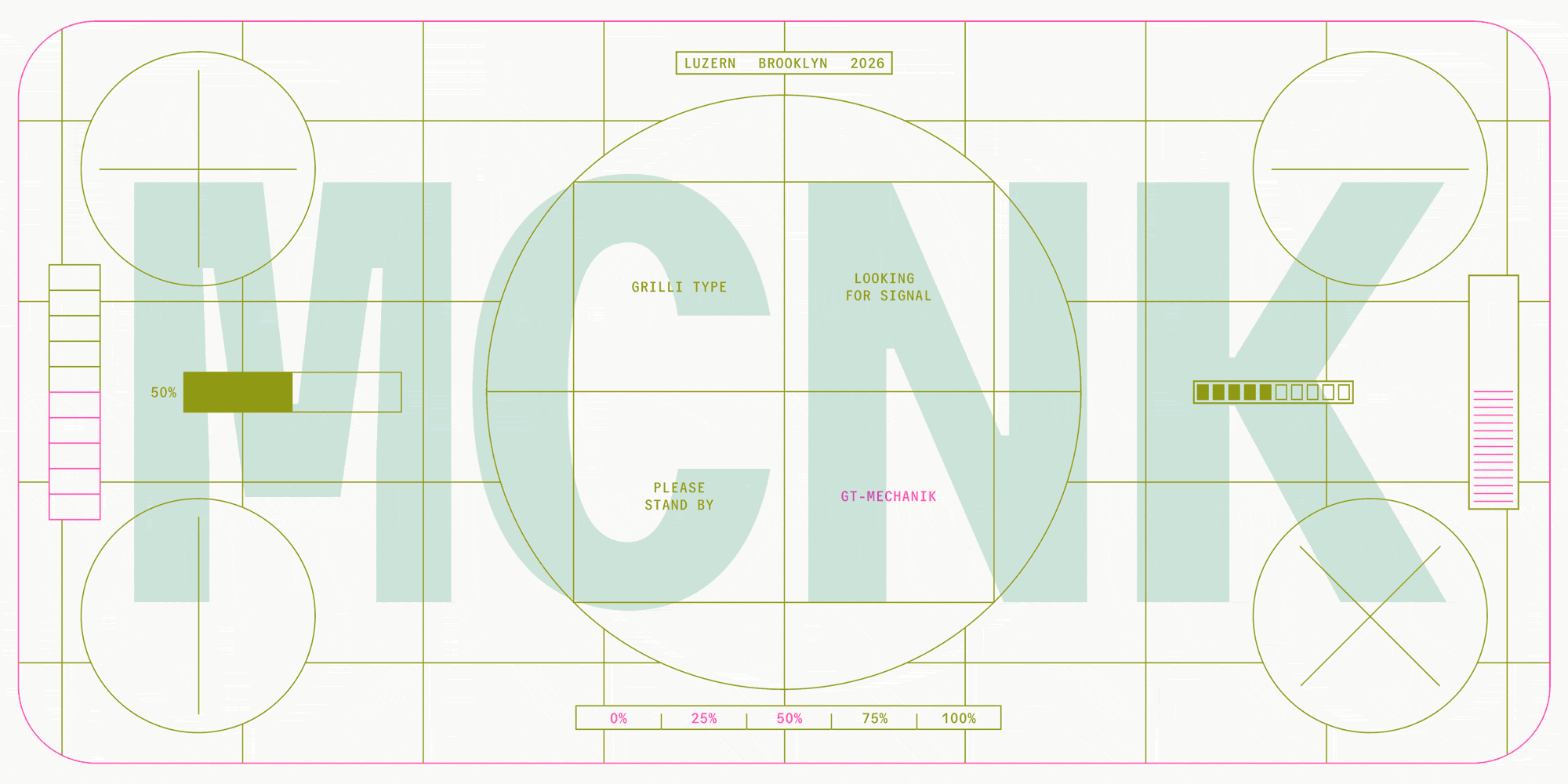 GT Mechanik by Grilli Type
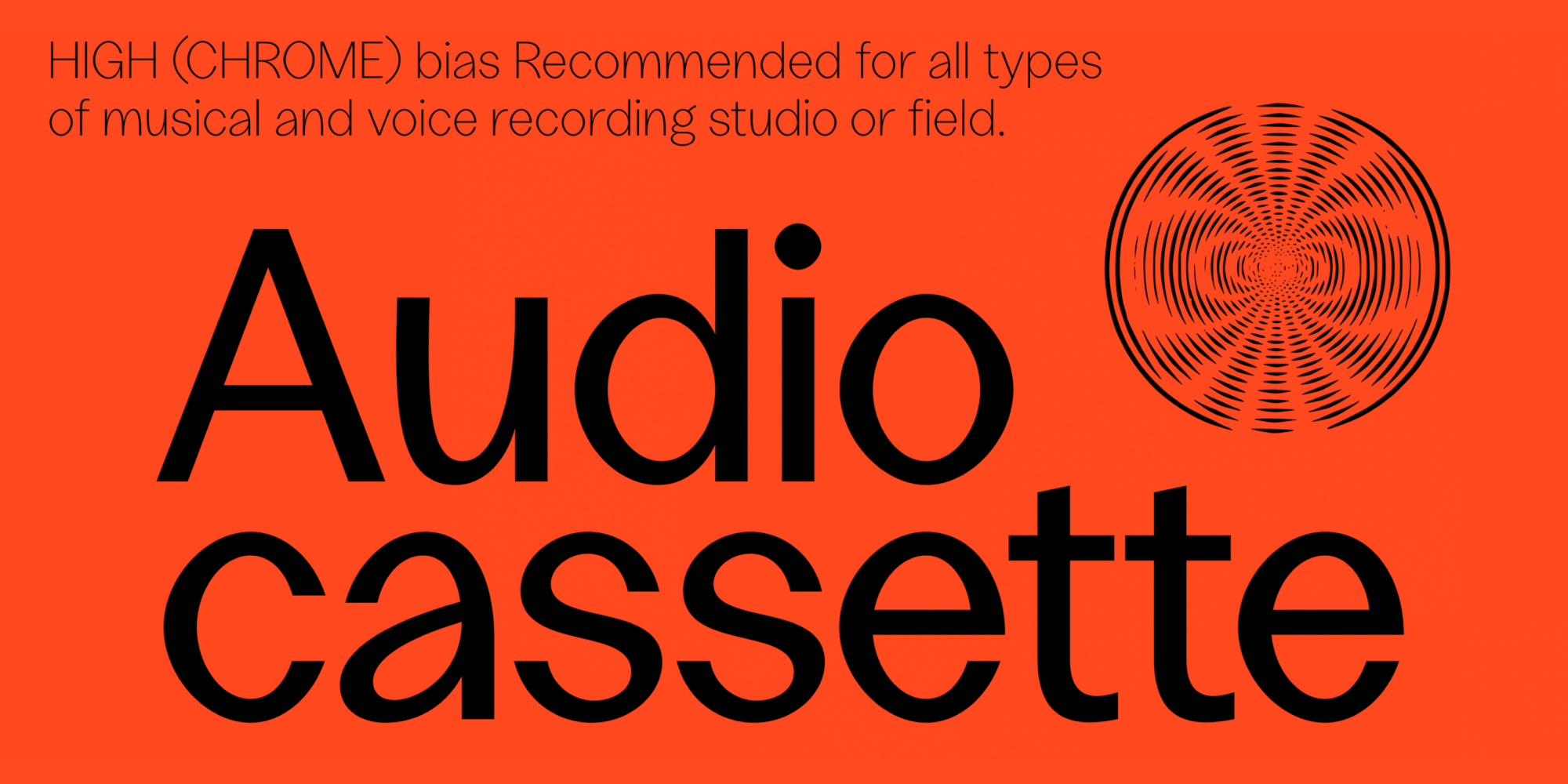 Walney by Luzi Type
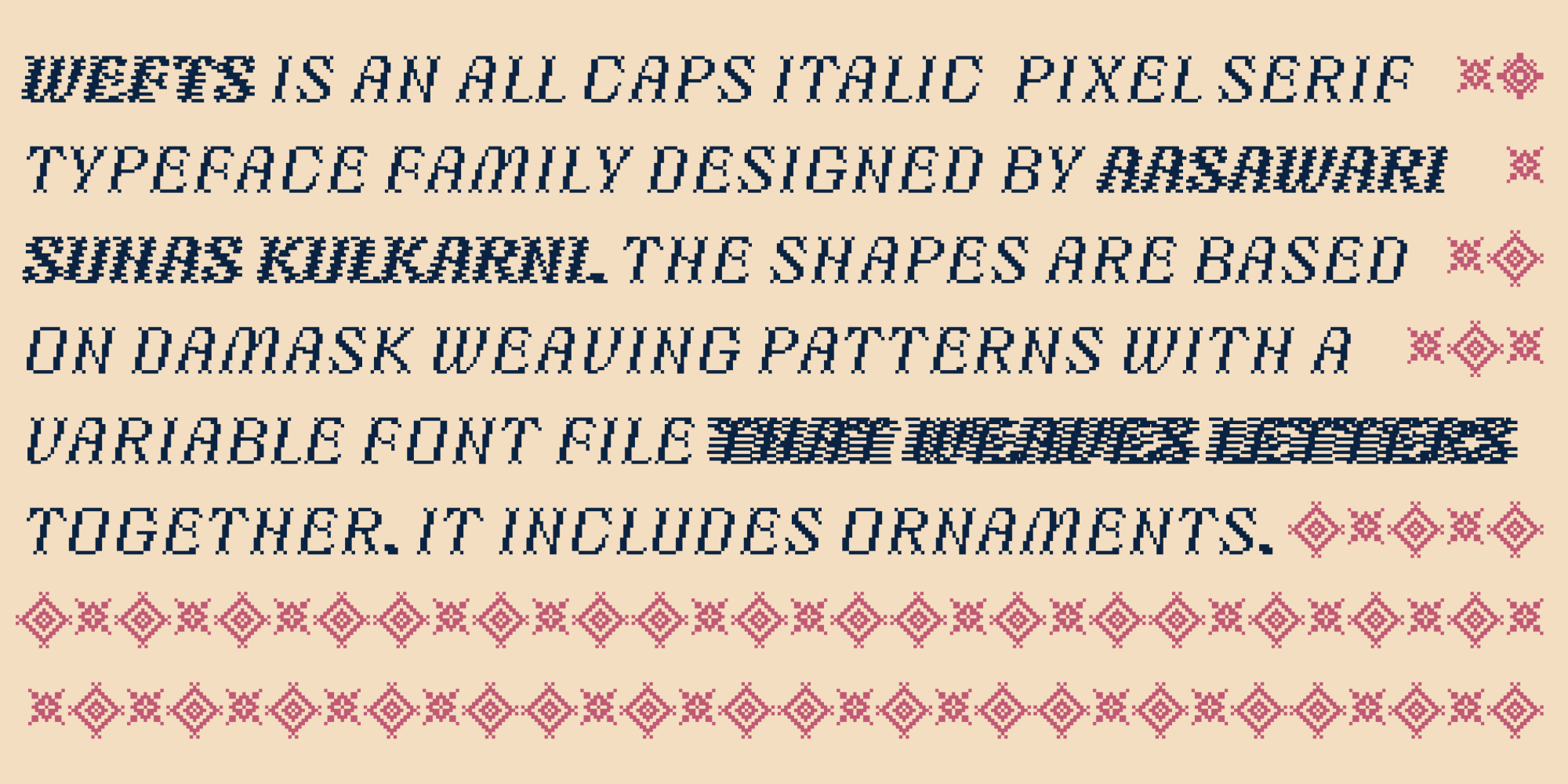 Wefts by Overlap Type
Updates and family extensions
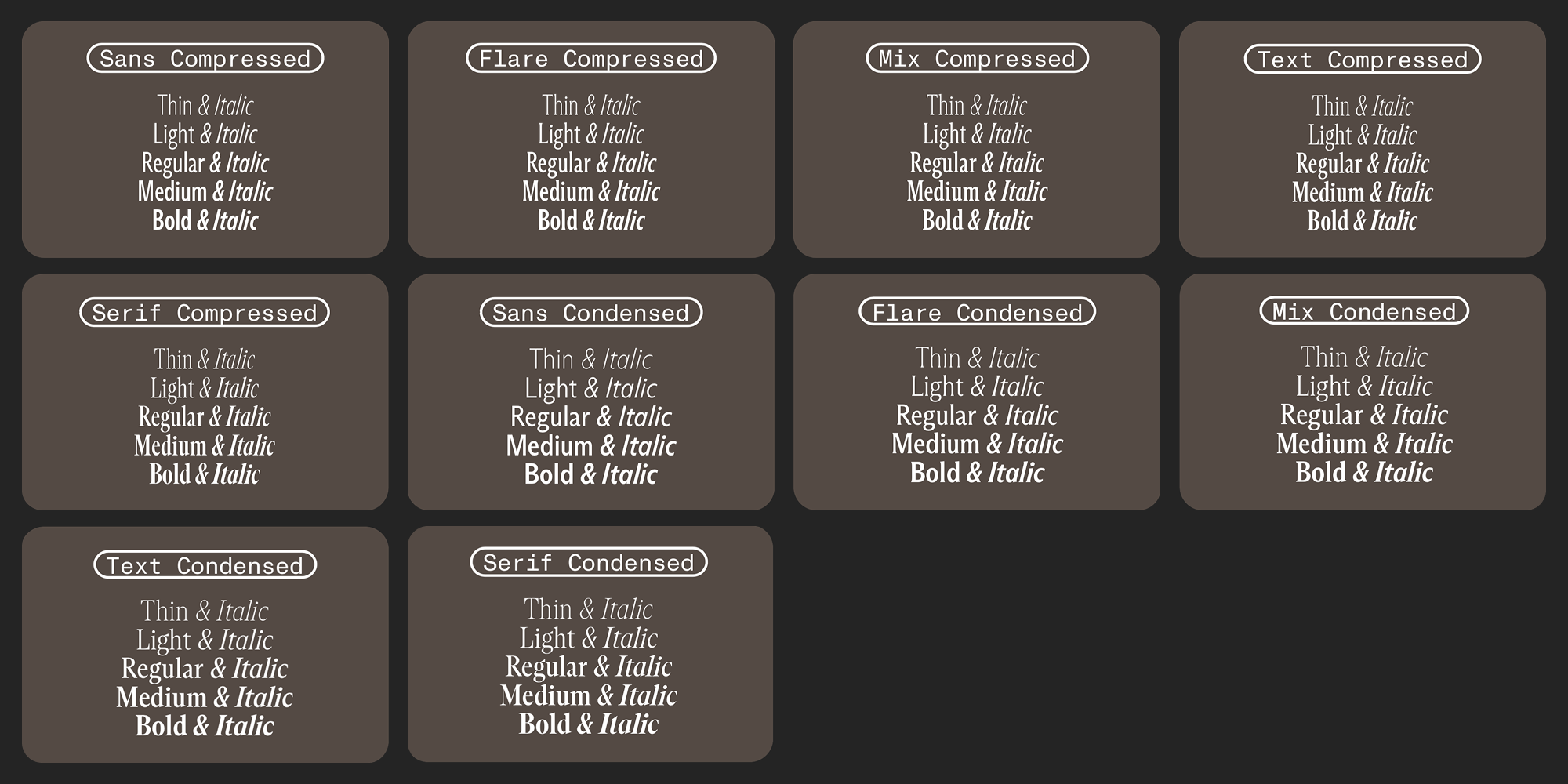 ABC Arizona by Dinamo now has two new widths: Condensed and Compressed
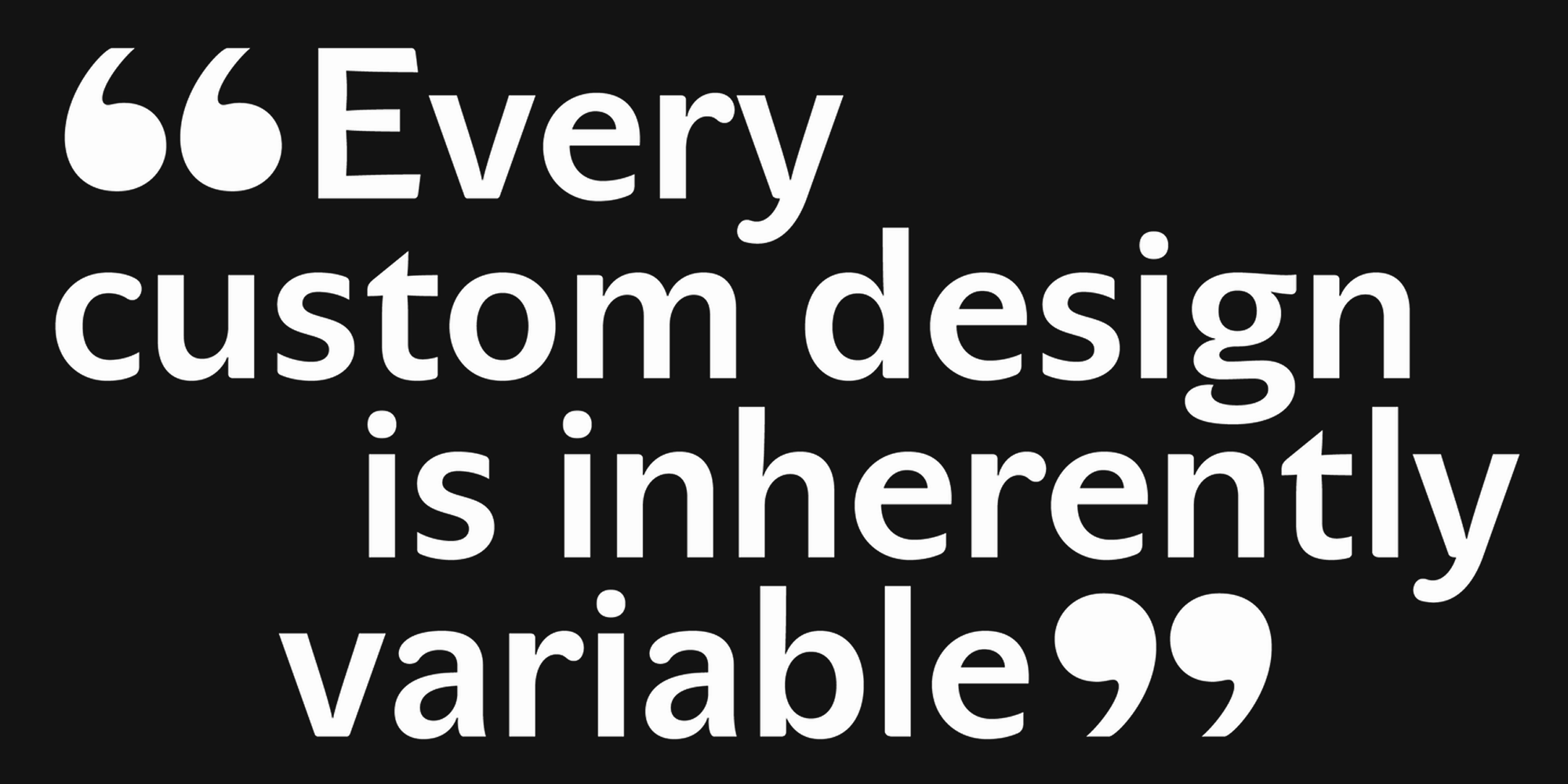 Baskerville Sans is a revised, redesigned and
extended version of John Sans by Storm Foundry. It counts six widths, each in seven weights plus italics, supporting Latin, Greek and Cyrillic
Baskerville Sans is a revised, redesigned and
extended version of John Sans by Storm Foundry. It counts six widths, each in seven weights plus italics, supporting Latin, Greek and Cyrillic
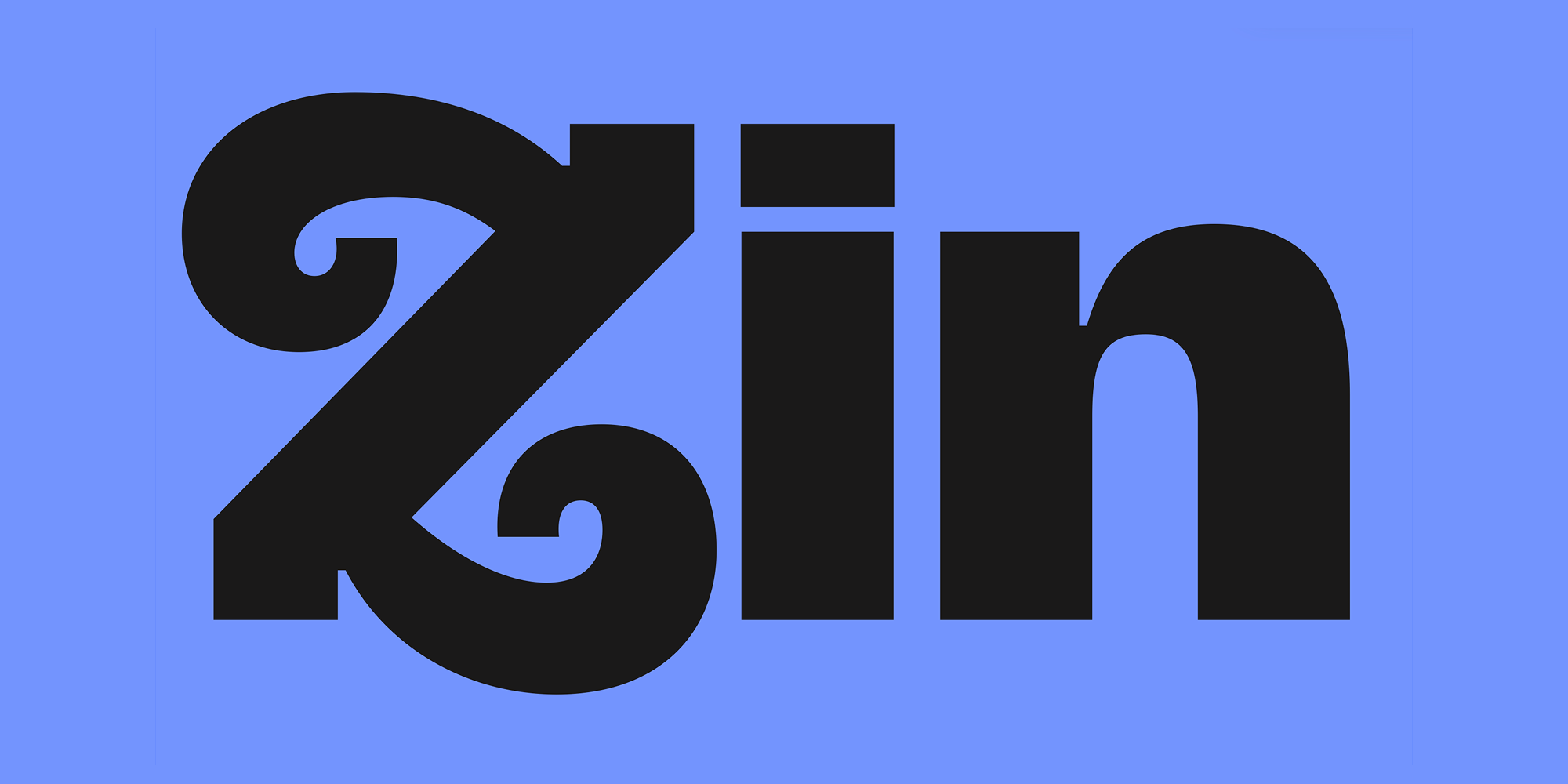 Blast Foundry complemented Bay Sans with Bay Grotesque
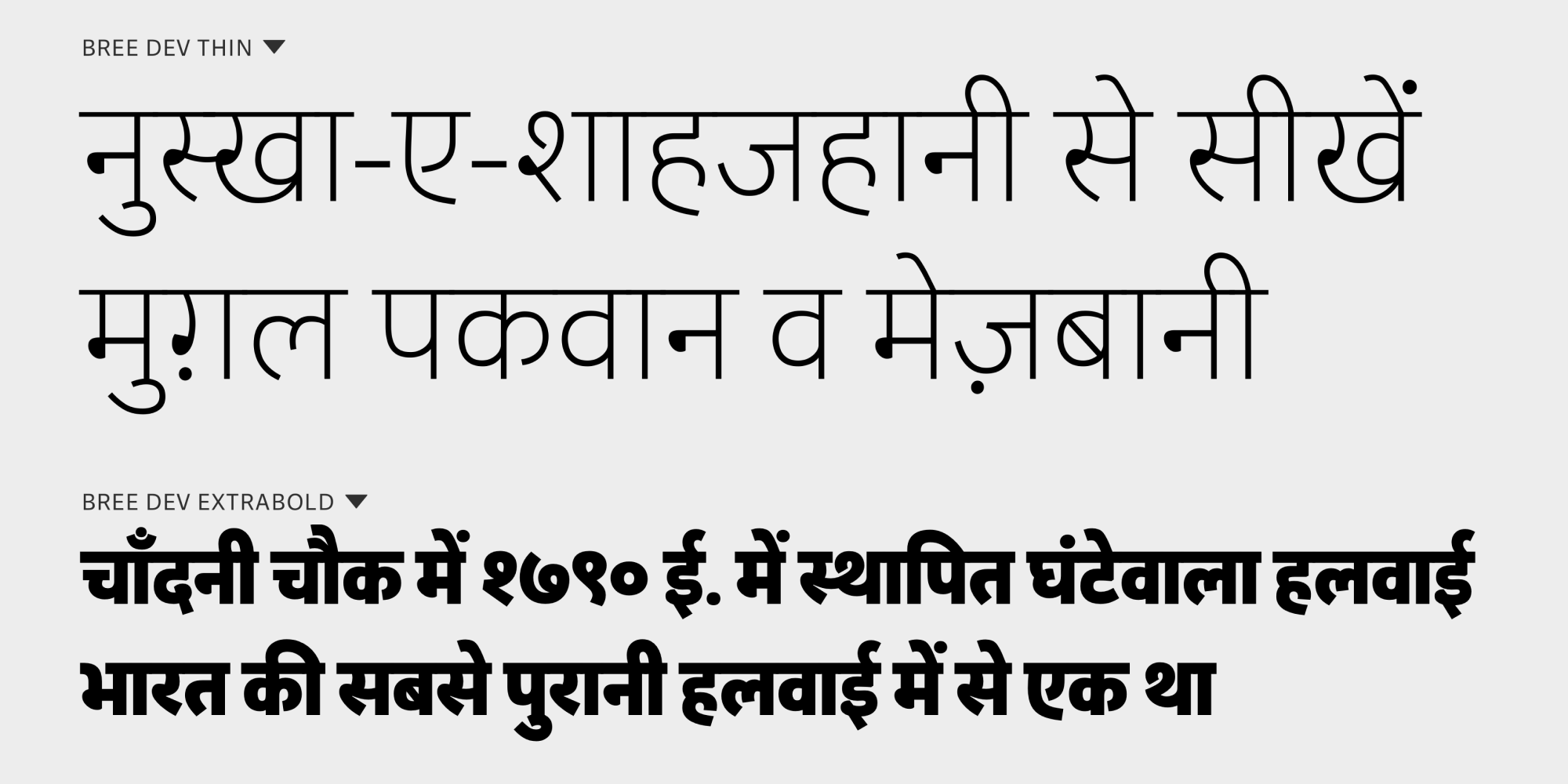 Pooja Saxena designed Bree Devanagari, an extension to TypeTogether’s Bree collection
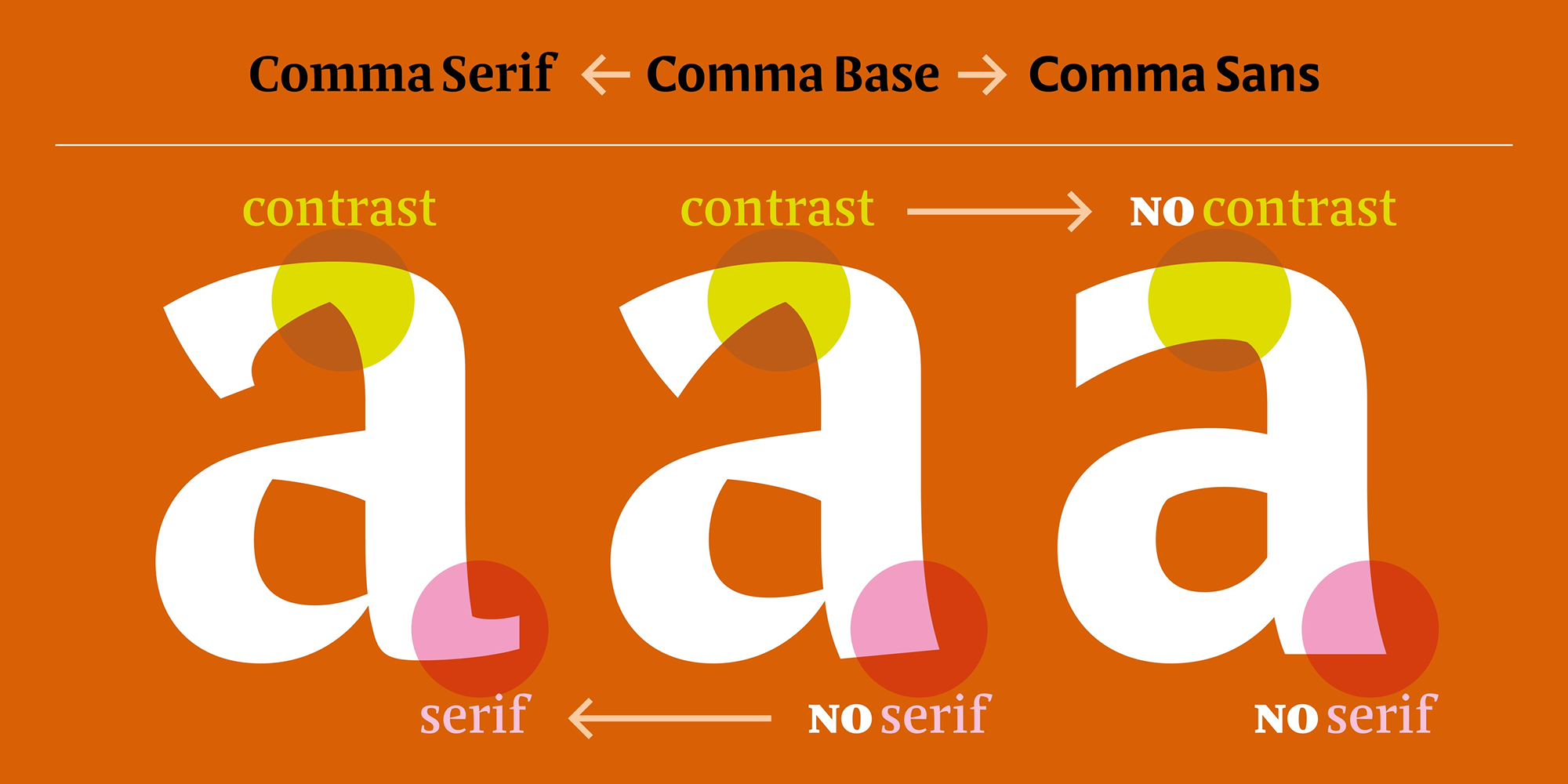 Comma Serif is the third part of the Comma superfamily by Martin Majoor, in addition to Comma Sans and Comma Base
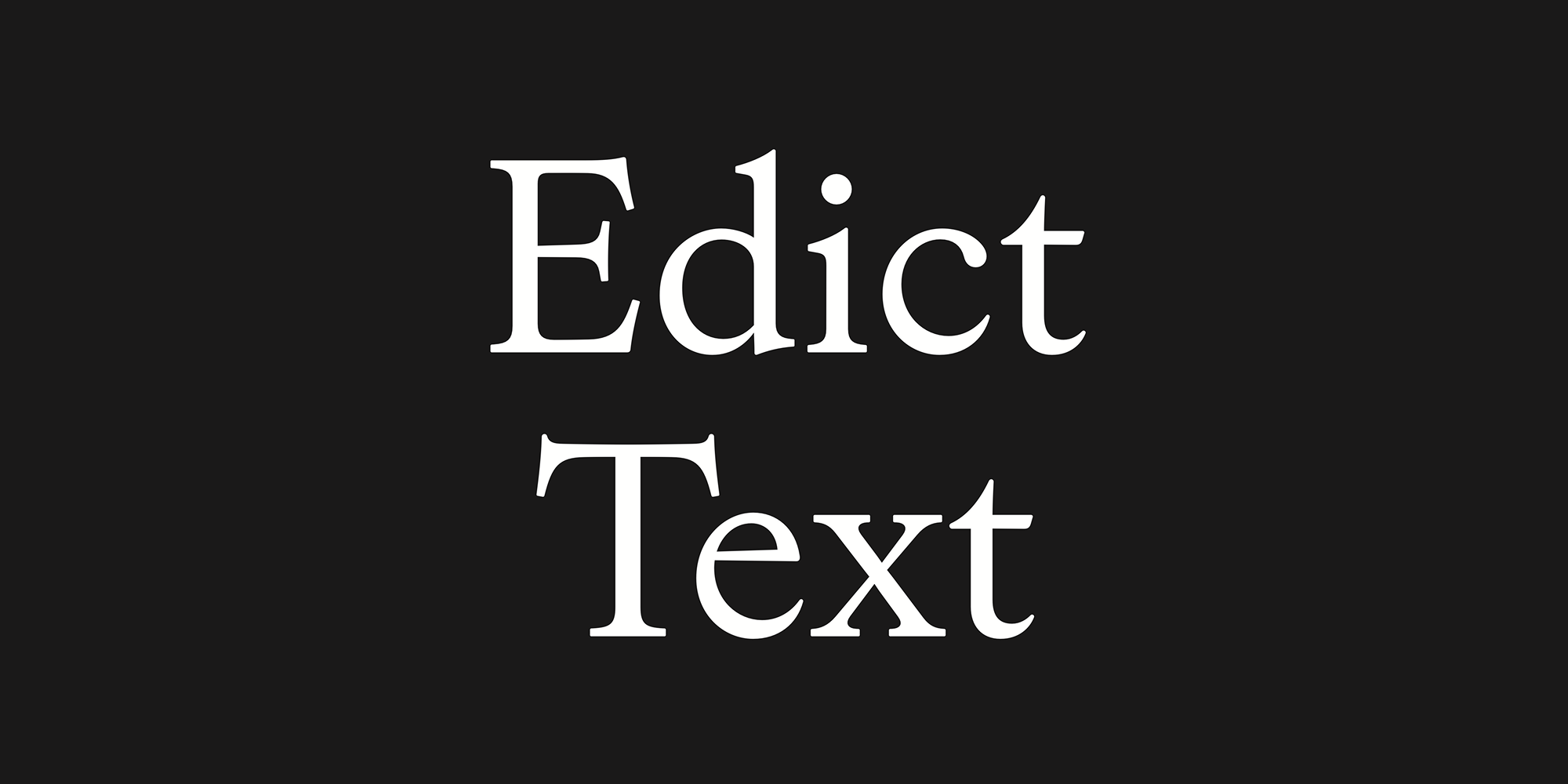 Schick Toikka released Edict Text as a companion to Edict Display
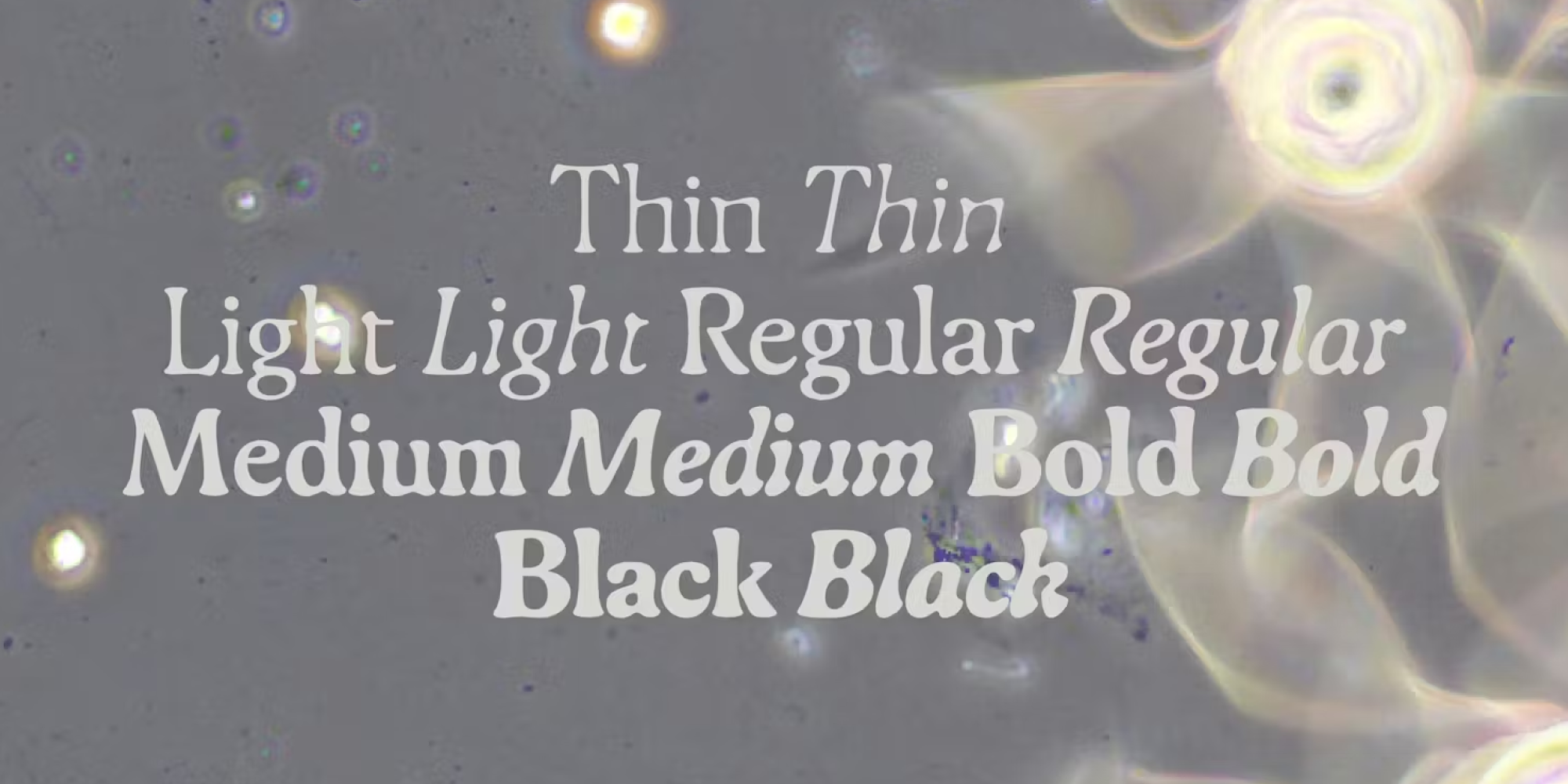 An extended version of Gaya with five new
weights is available from Writtenshape Foundry
An extended version of Gaya with five new
weights is available from Writtenshape Foundry
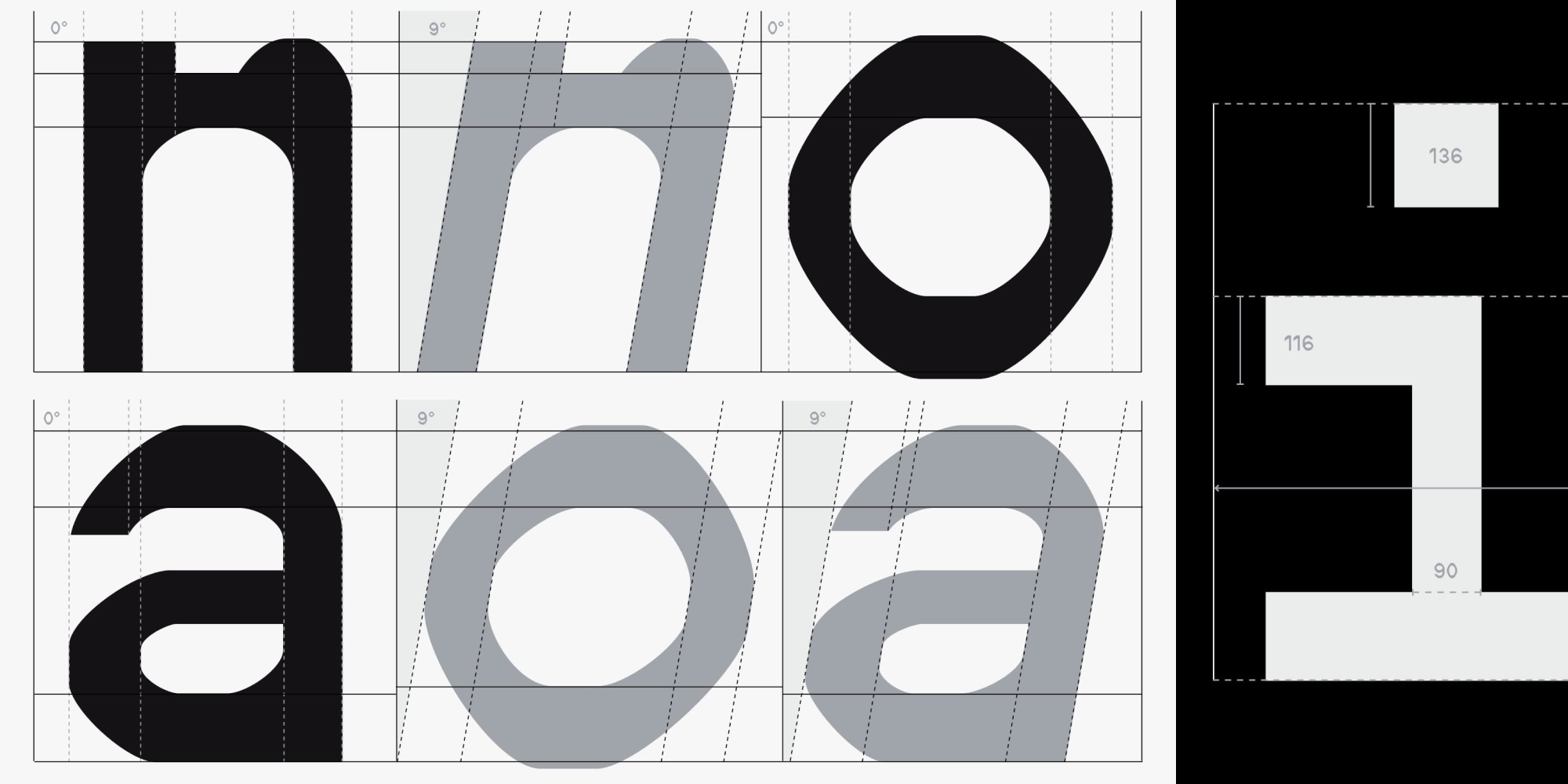 Neureal moved from ECAL Typefaces to Outline Online, and was extended with a Semi Mono subfamily
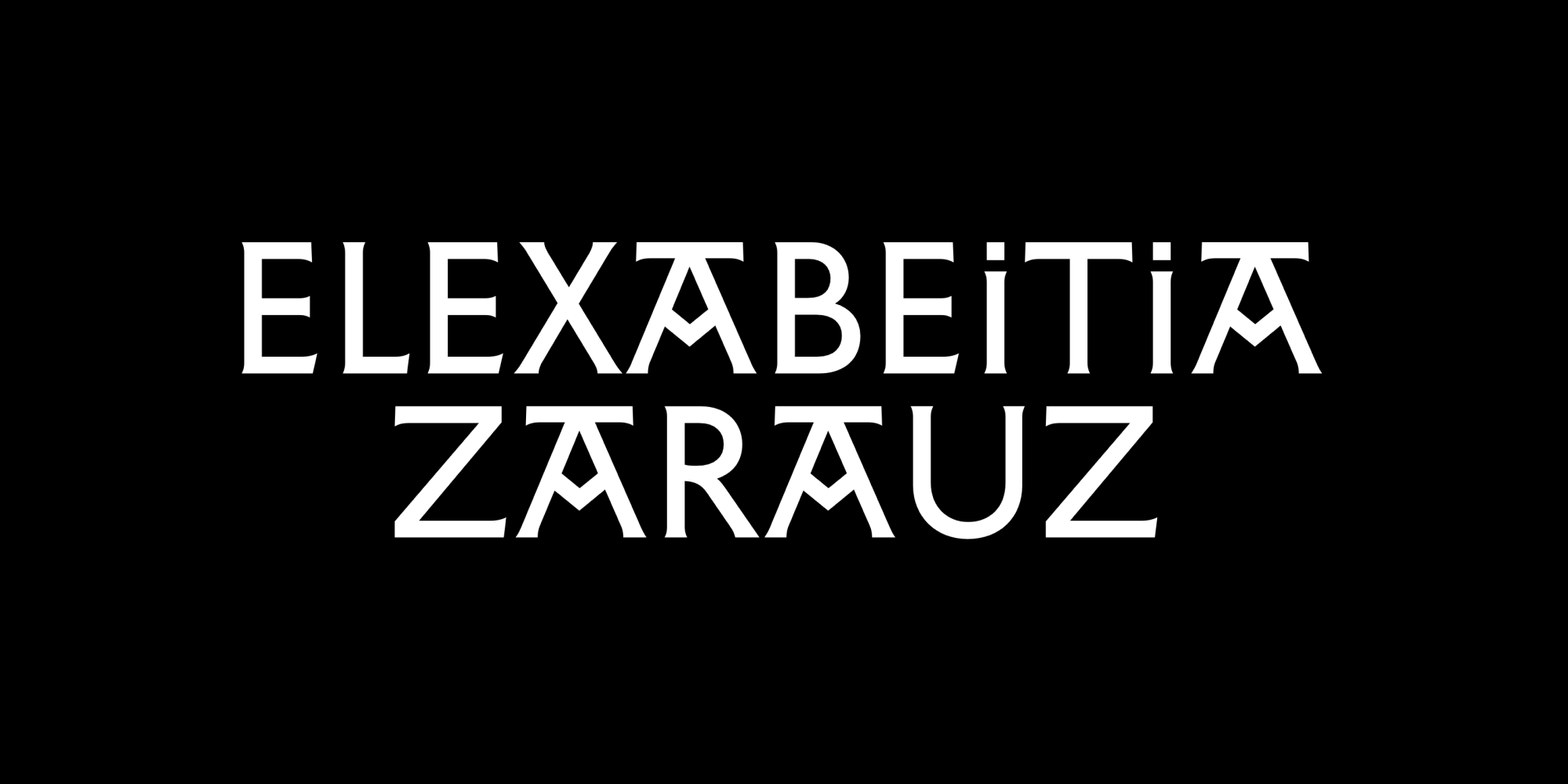 Two new weights for Petit Serif, designed by Mathieu Cortat and available from 205TF
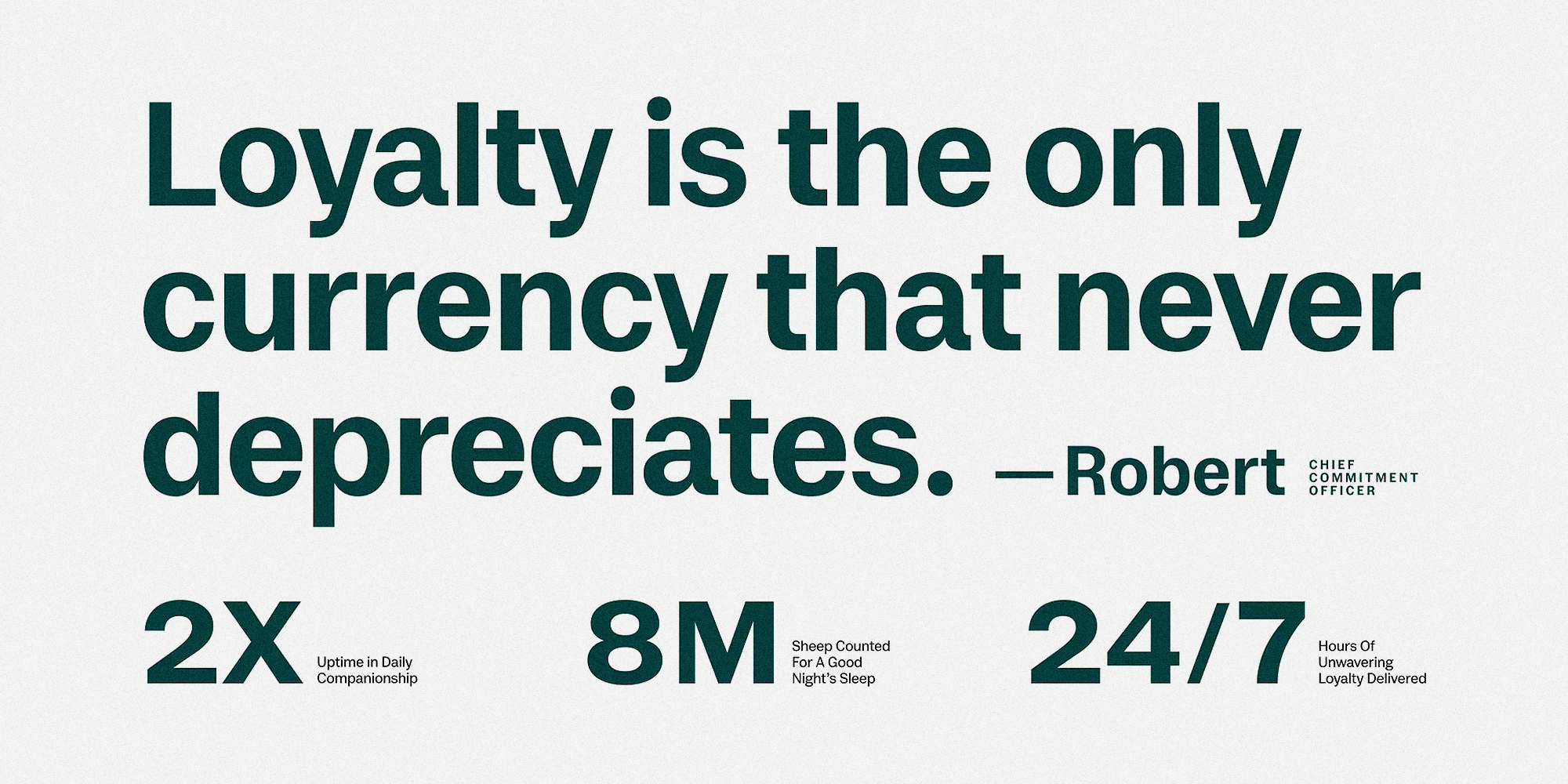 CoFo Robert Sans is the serifless companion to Liza Raskazova’s CoFo Robert, released by Contrast Foundry.
ESAD News
Projects by graduates of the 2024–2026 programme have been published on the ÉSAD (École supérieure d’art et de design in Amiens) website. Those are five fonts: Clemens, a post-Gothic typeface; Jorm, inspired by Iranian street culture; Liansh, which treats letters as gestures; Tac, reinterpreting Tamil lettering from the 1960s-1970s covers; and Kedije, which imitates prosody.
With the publication of its graduates’ works, the school has opened applications for the 2026–2028 programme.
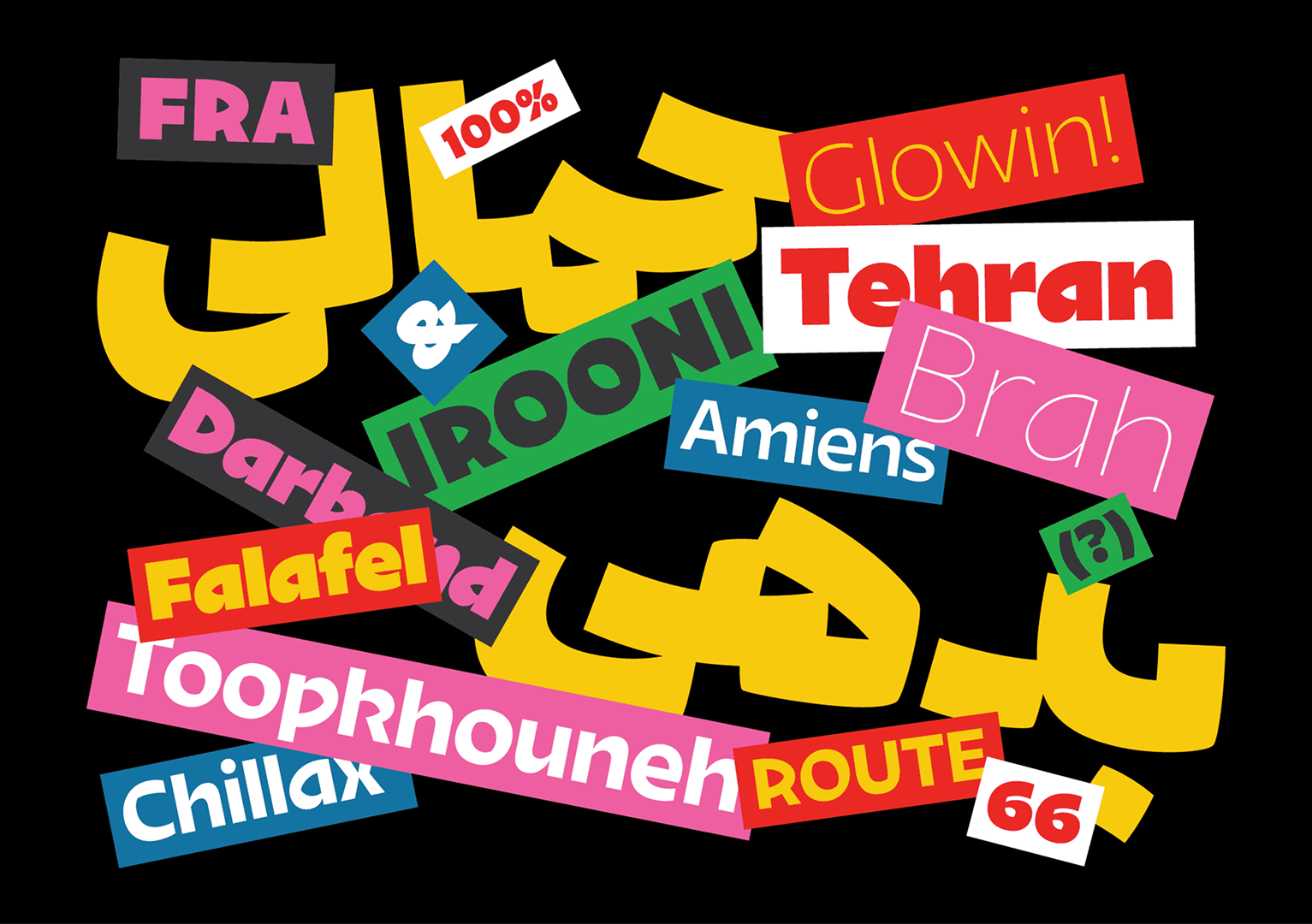 Jorm
Jorm
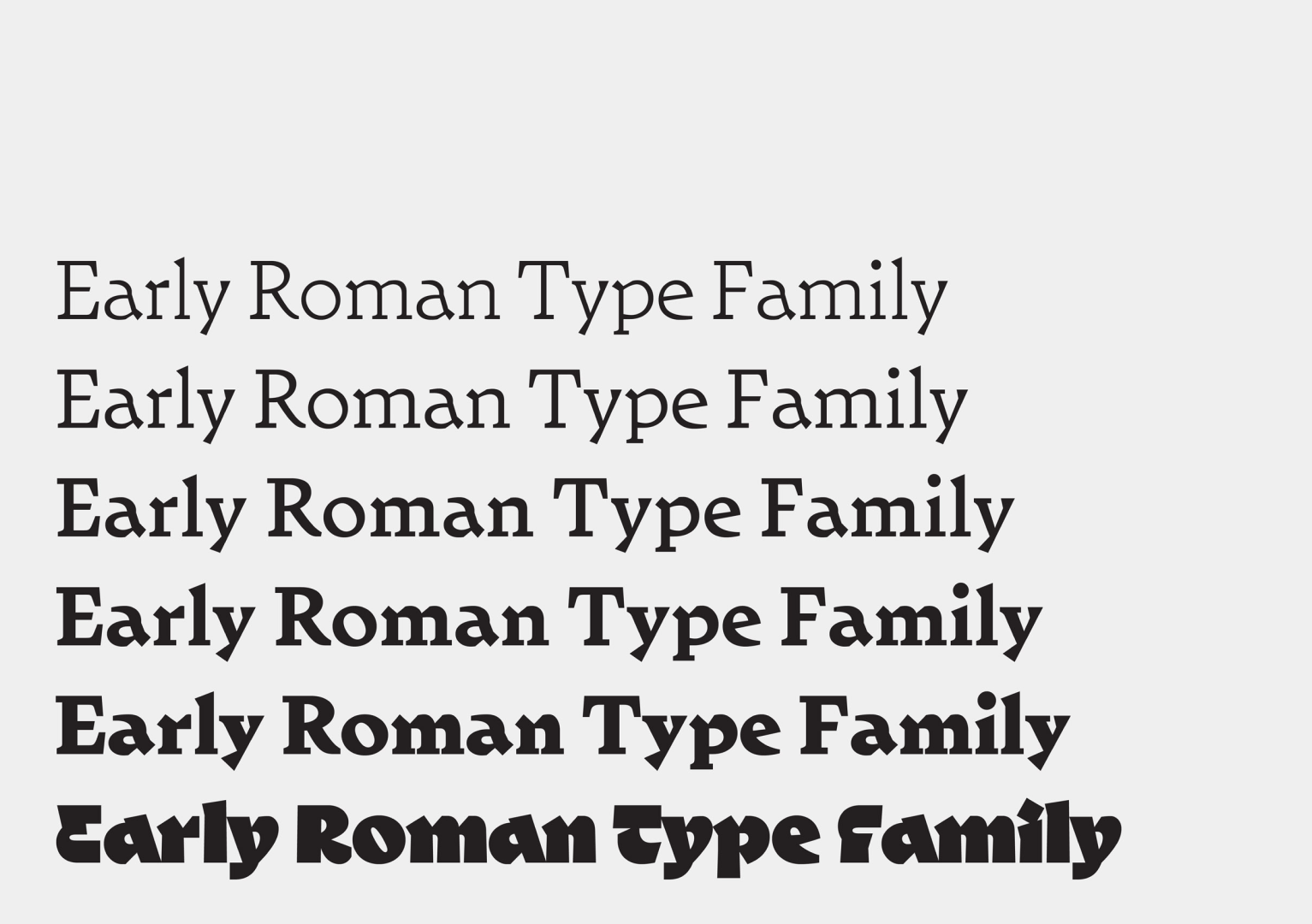 Clemens
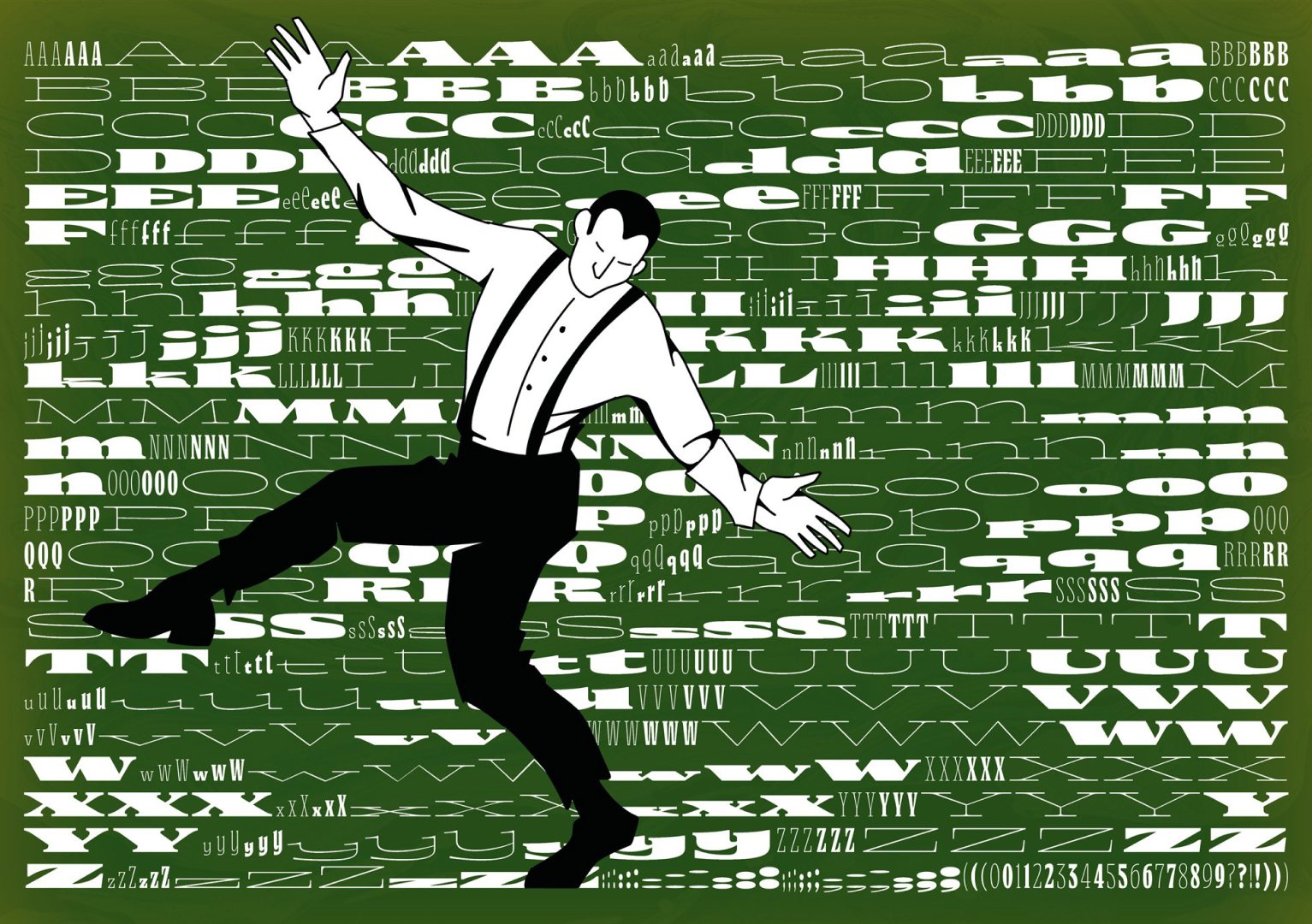 Kedije
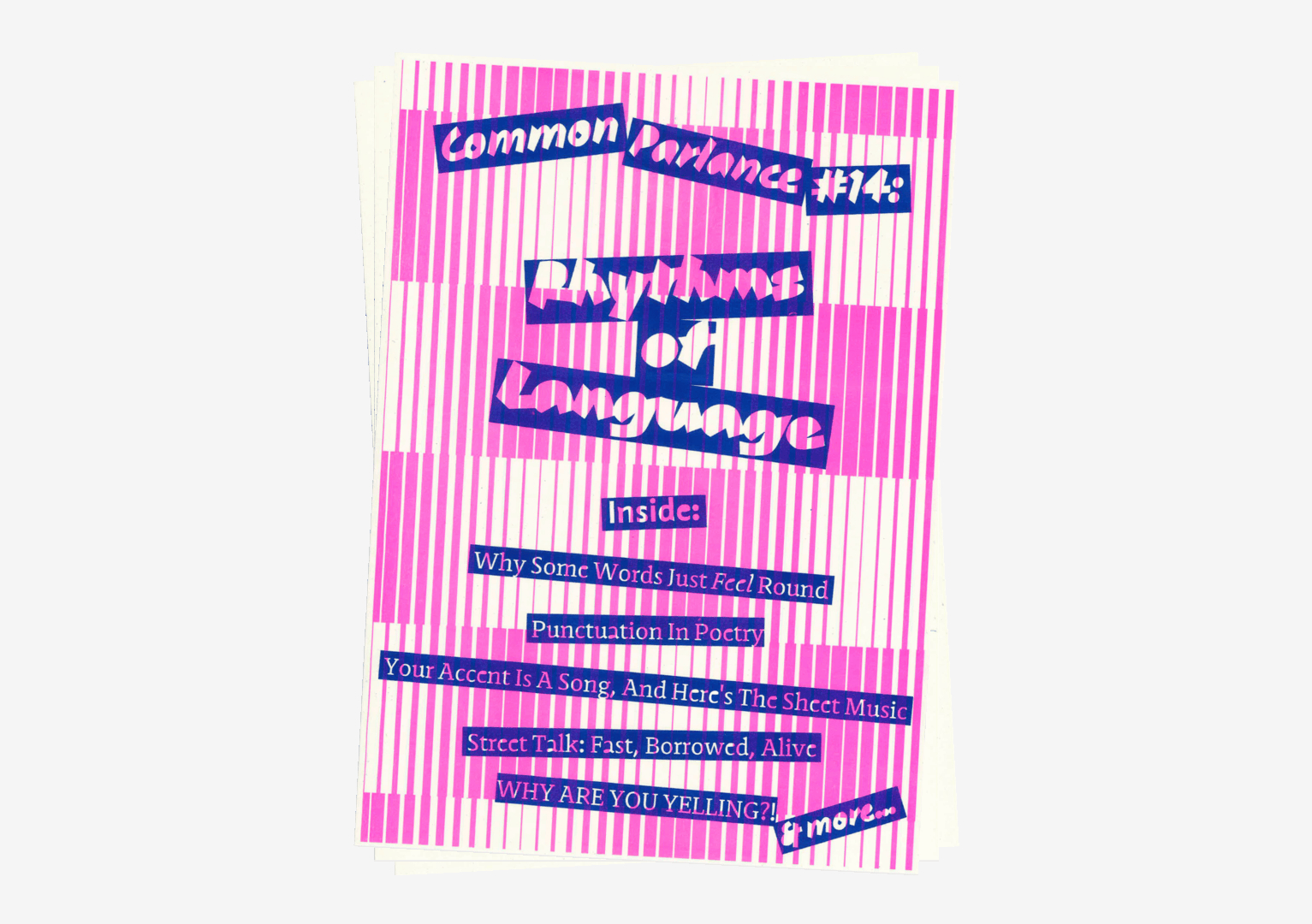 Tac
Tac
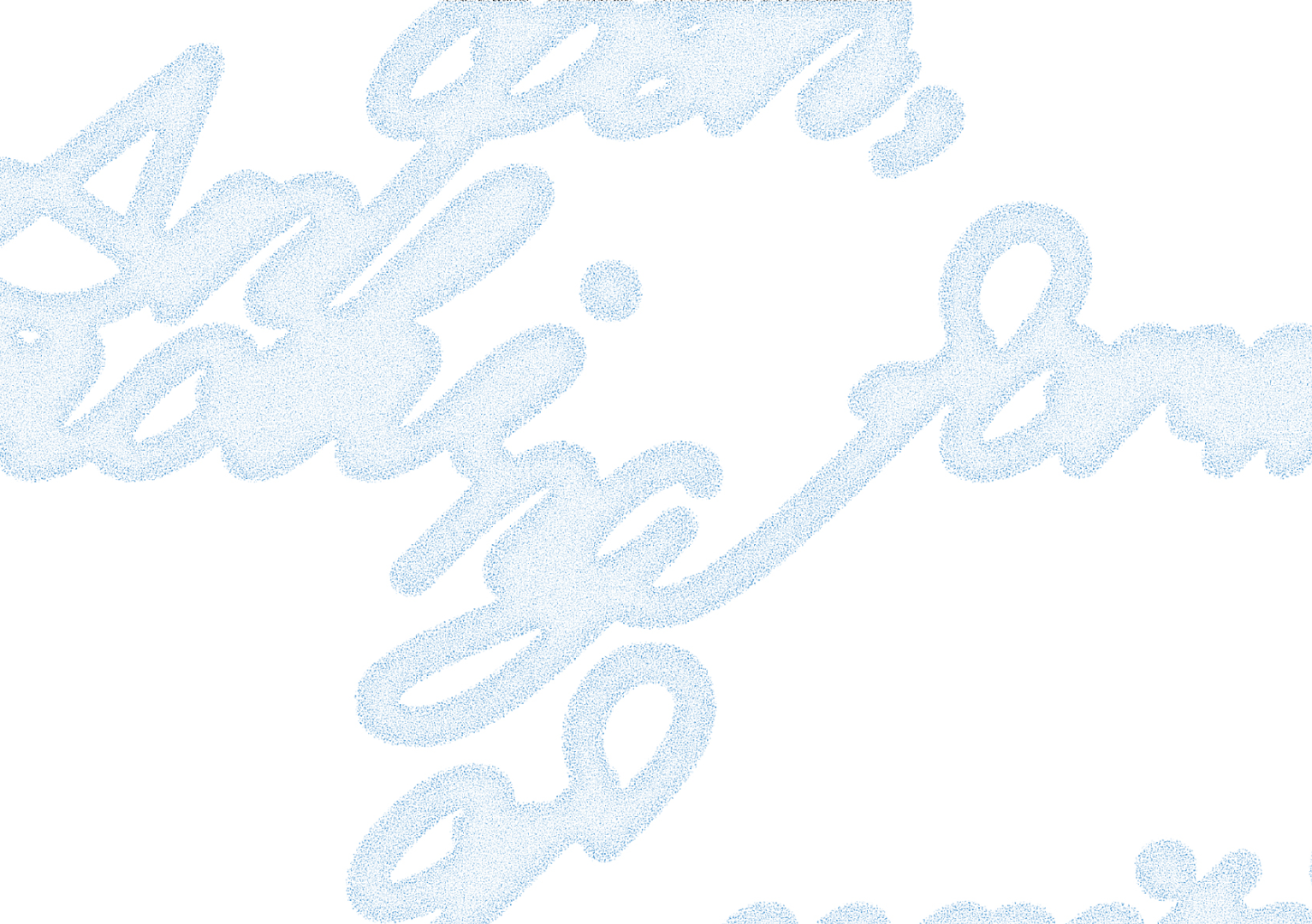 Liansh
Unicode: gamified
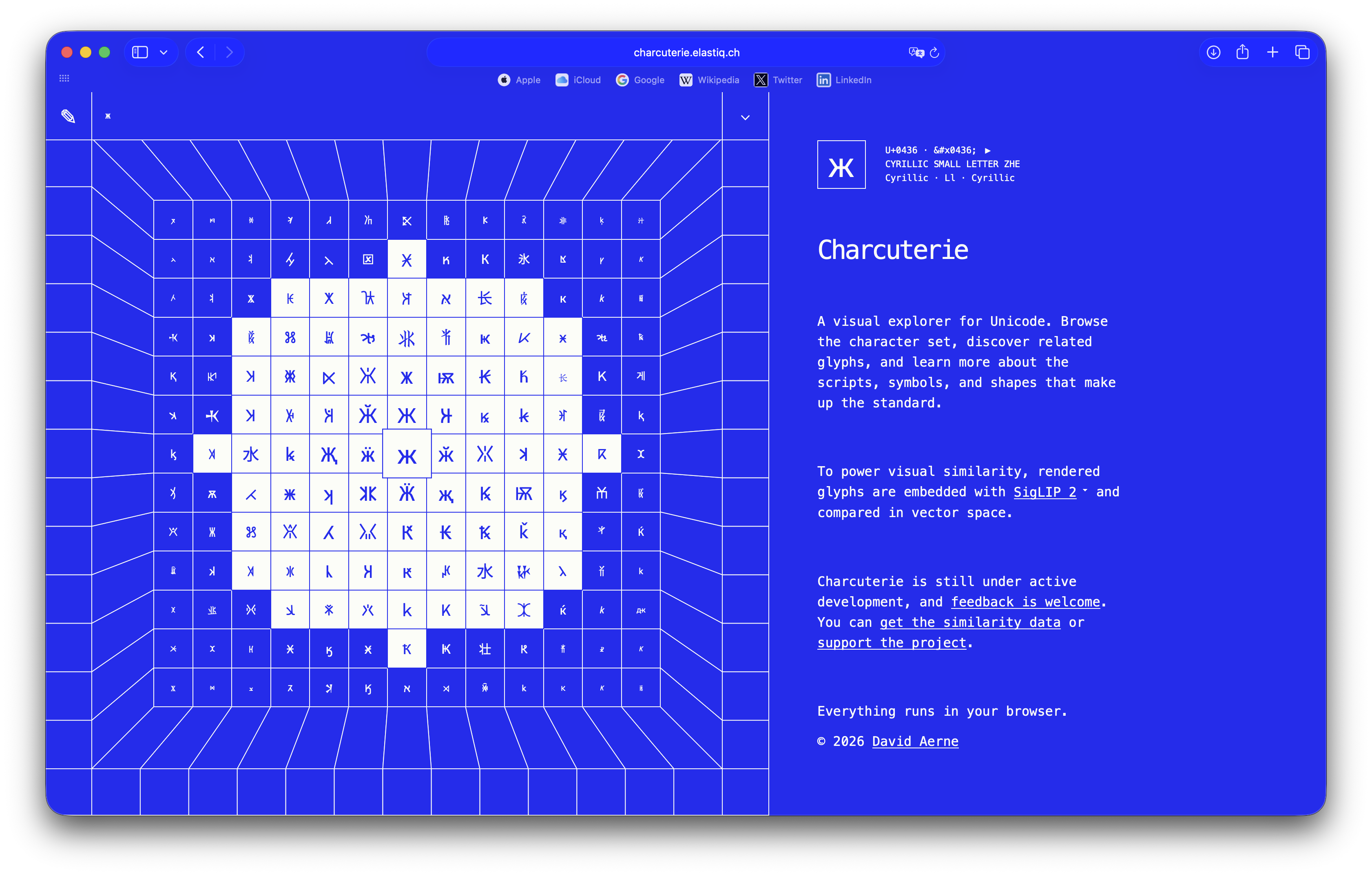
Developer David Aerne has turned the Unicode code chart into a slightly hypnotic browser game. In Charcuterie, when you type a character, the software will display everything in Unicode that is visually related to it. However, these similar characters might not necessarily share the same skeleton and may even exist in other writing systems.
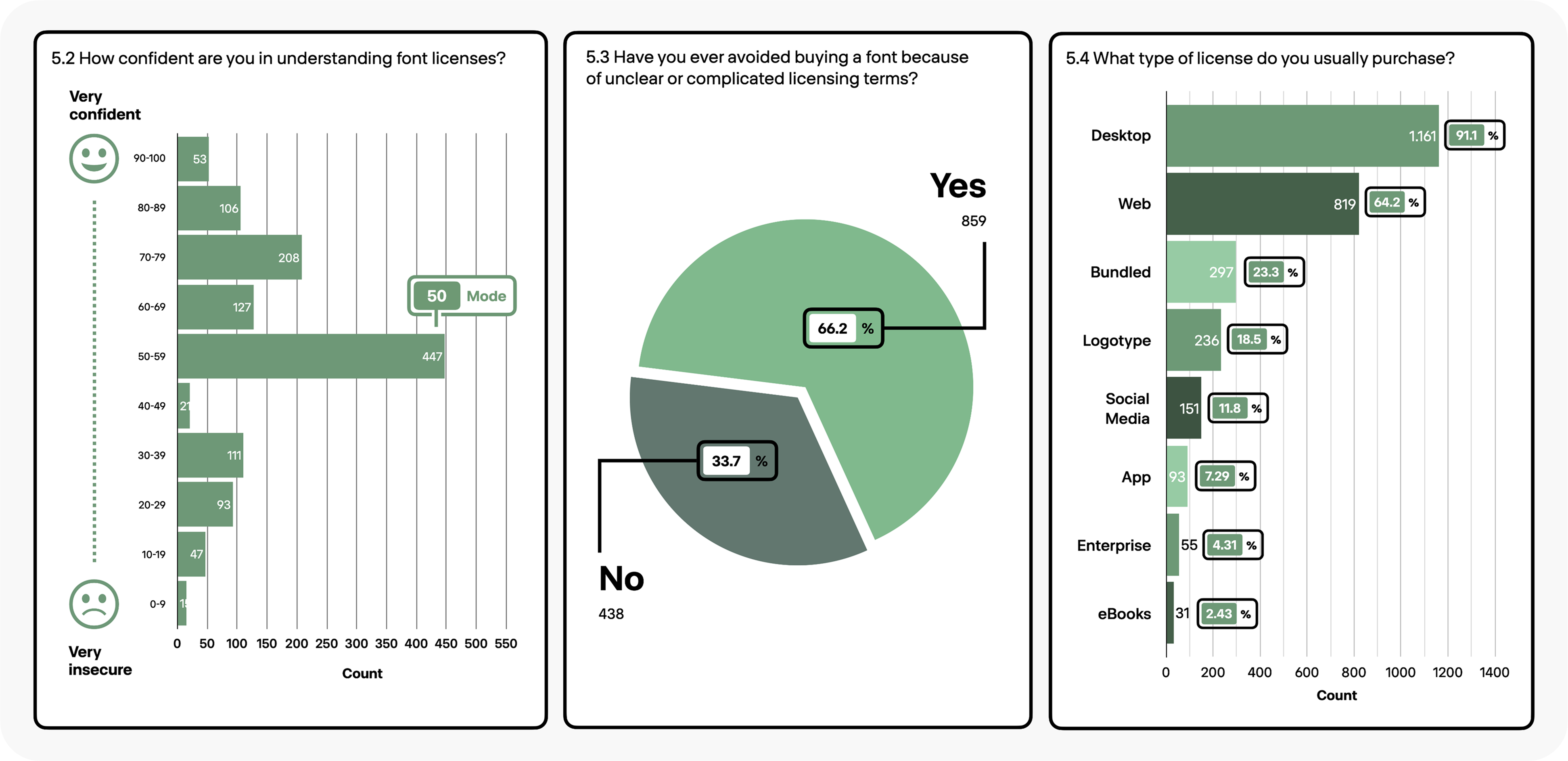
How Do We Actually Want to Buy Type?
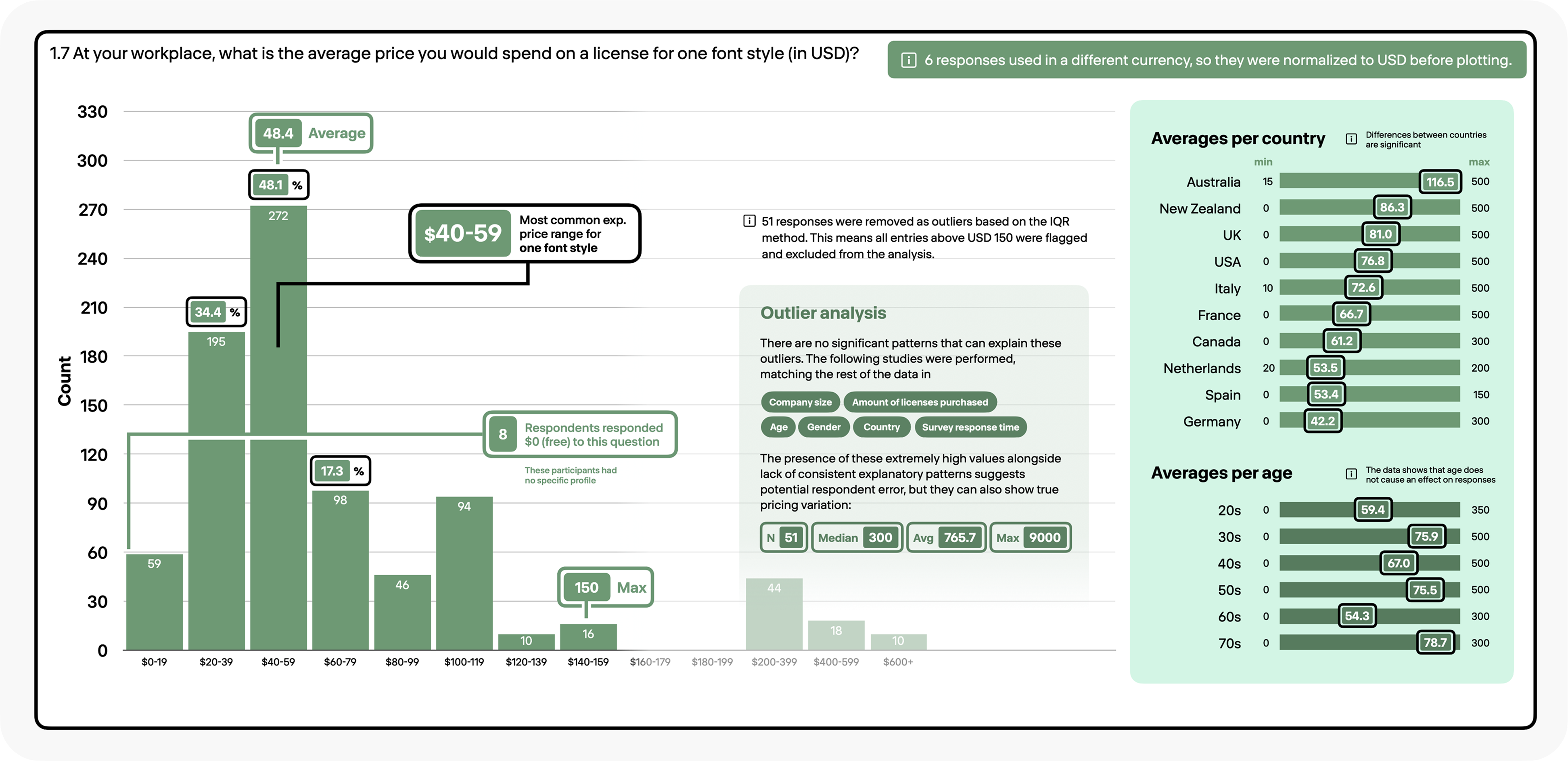
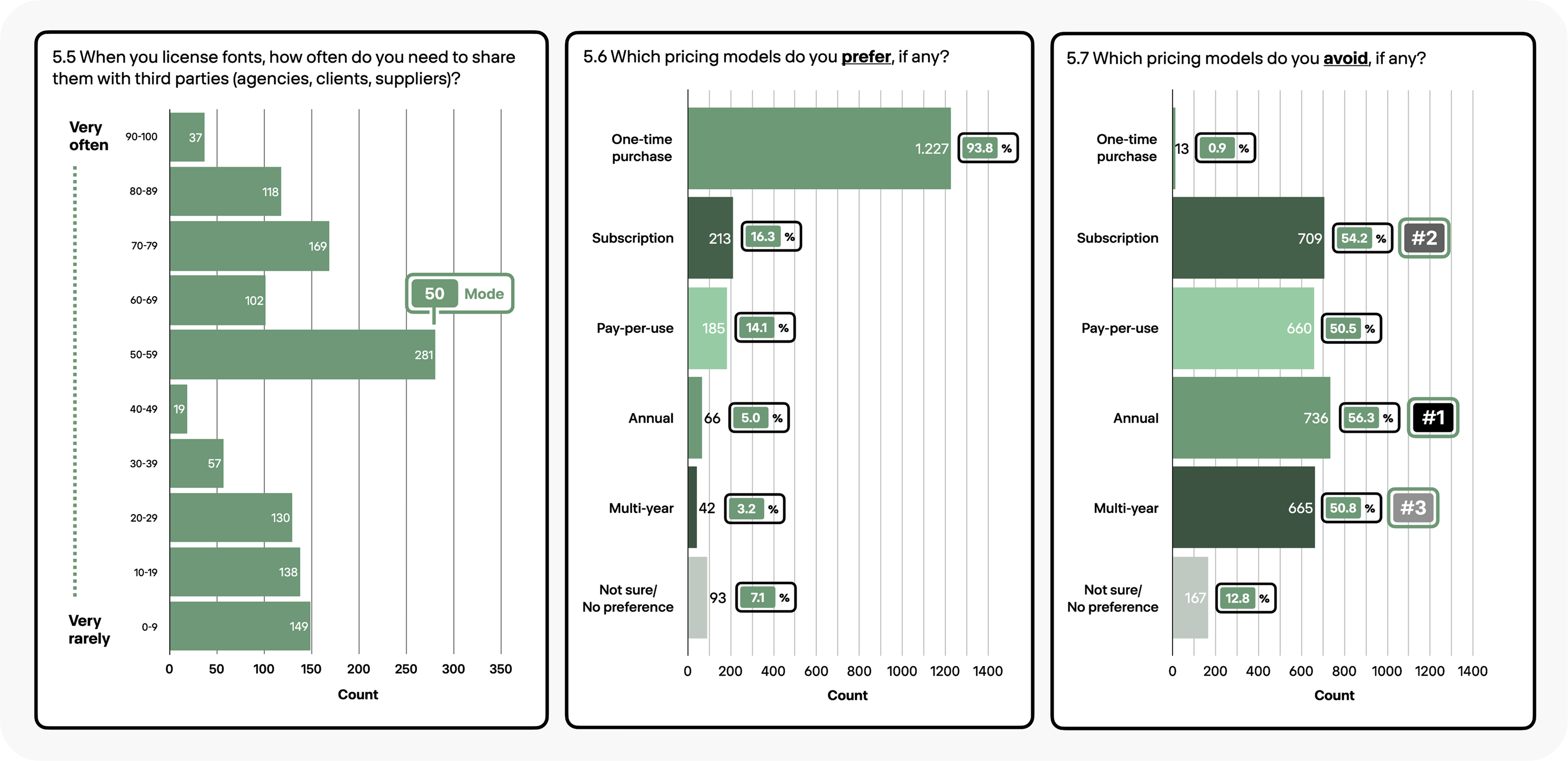
fontstand.com/news/design-news/survey
Over a year ago, the Fontstand rental platform conducted a survey. They asked
Wakamai Fondue: Update
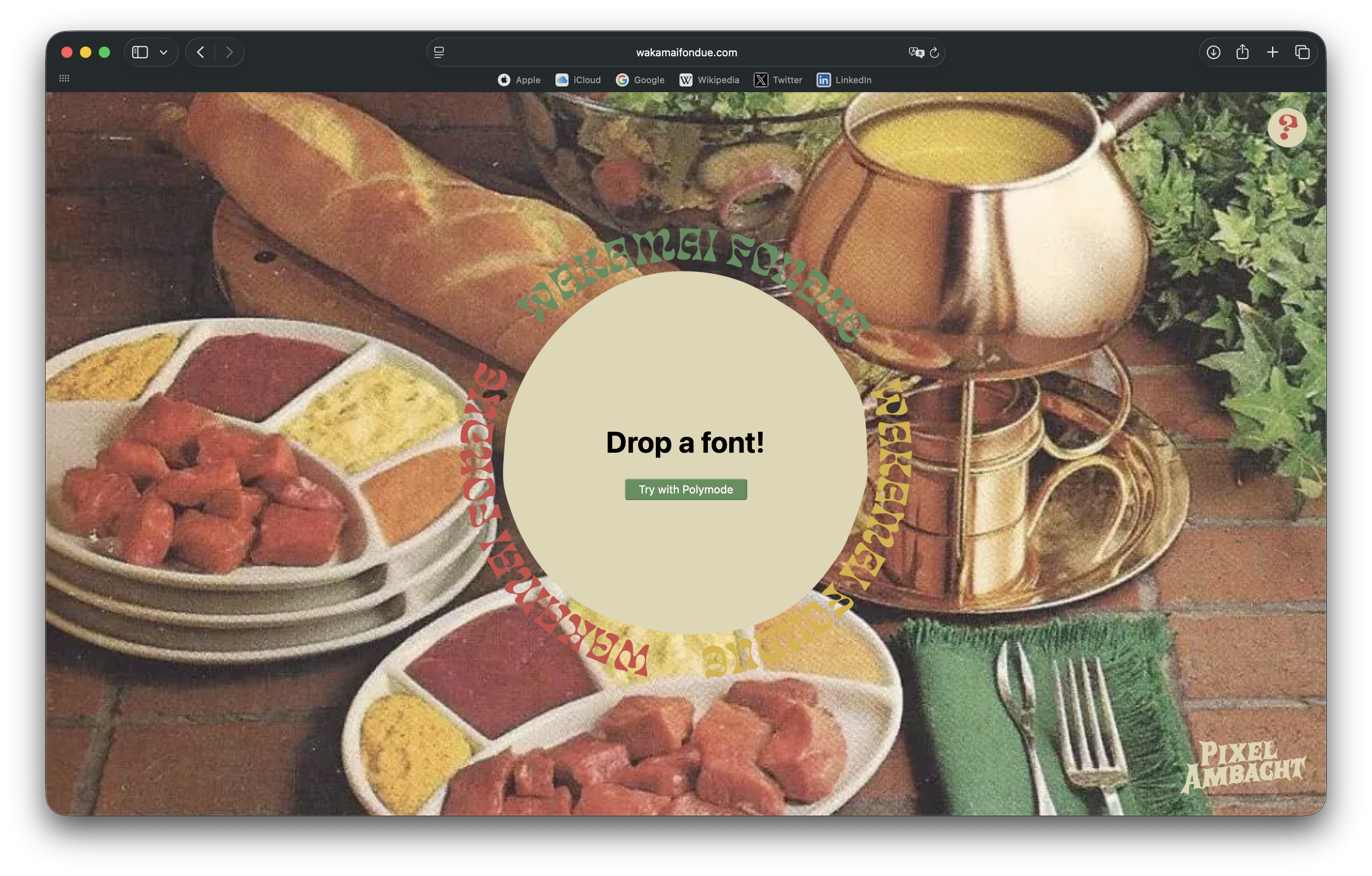
pixelambacht.nl/2026/a-new-wakamai-fondue
Wakamai Fondue, a font testing and preview platform, has been updated. A new engine for the website now handles font rendering; there are better, in-depth reports on how the typeface behaves on the web and potential issues users may run into; testing to explore the potential of variable and color fonts has become more convenient.
Shady Characters: Update
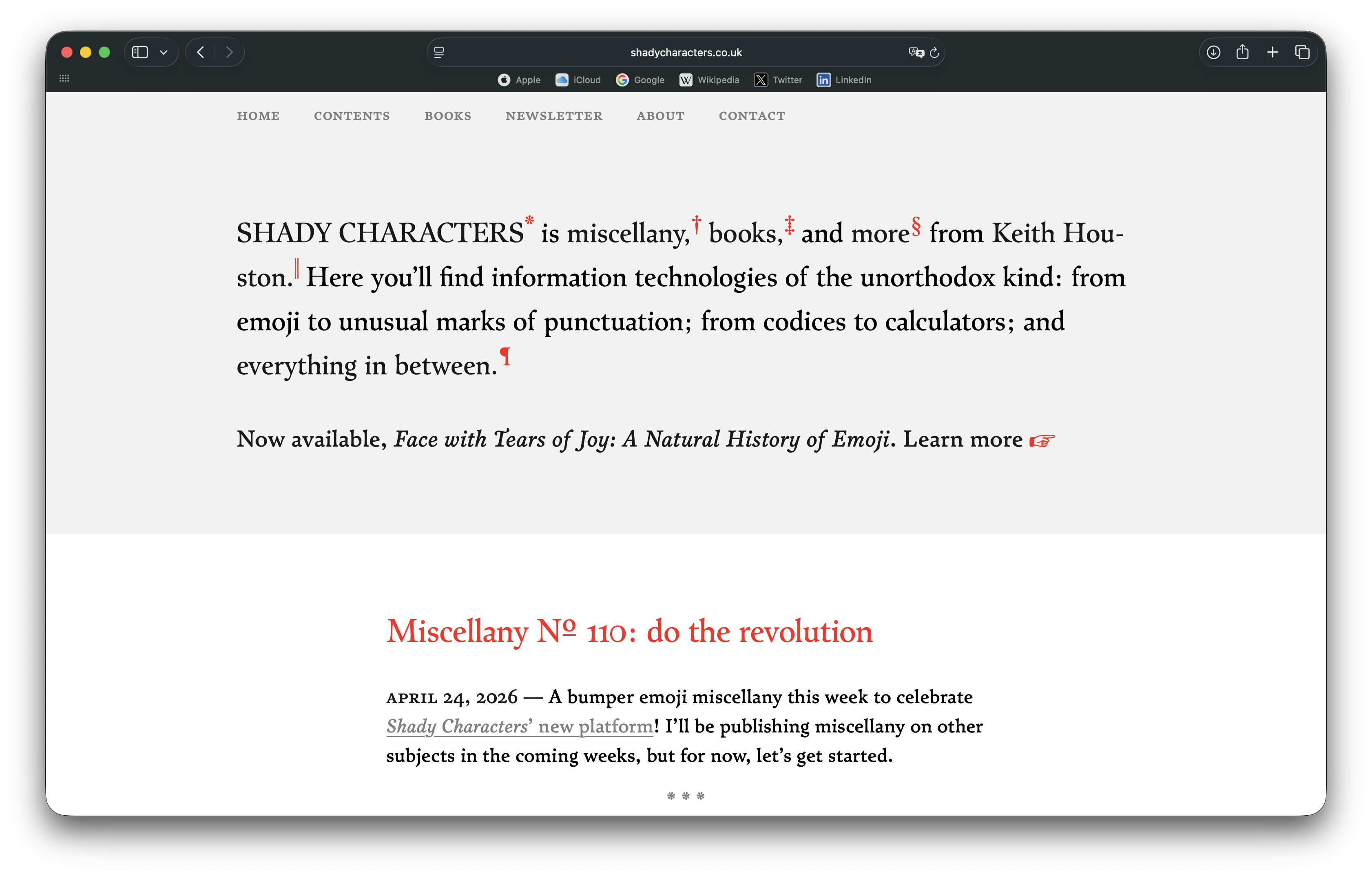
shadycharacters.co.uk/2026/04/new-shady-characters-live
Keith Houston’s blog — which we often referenced in our Manual and, for example, in a series
Typographics 2026
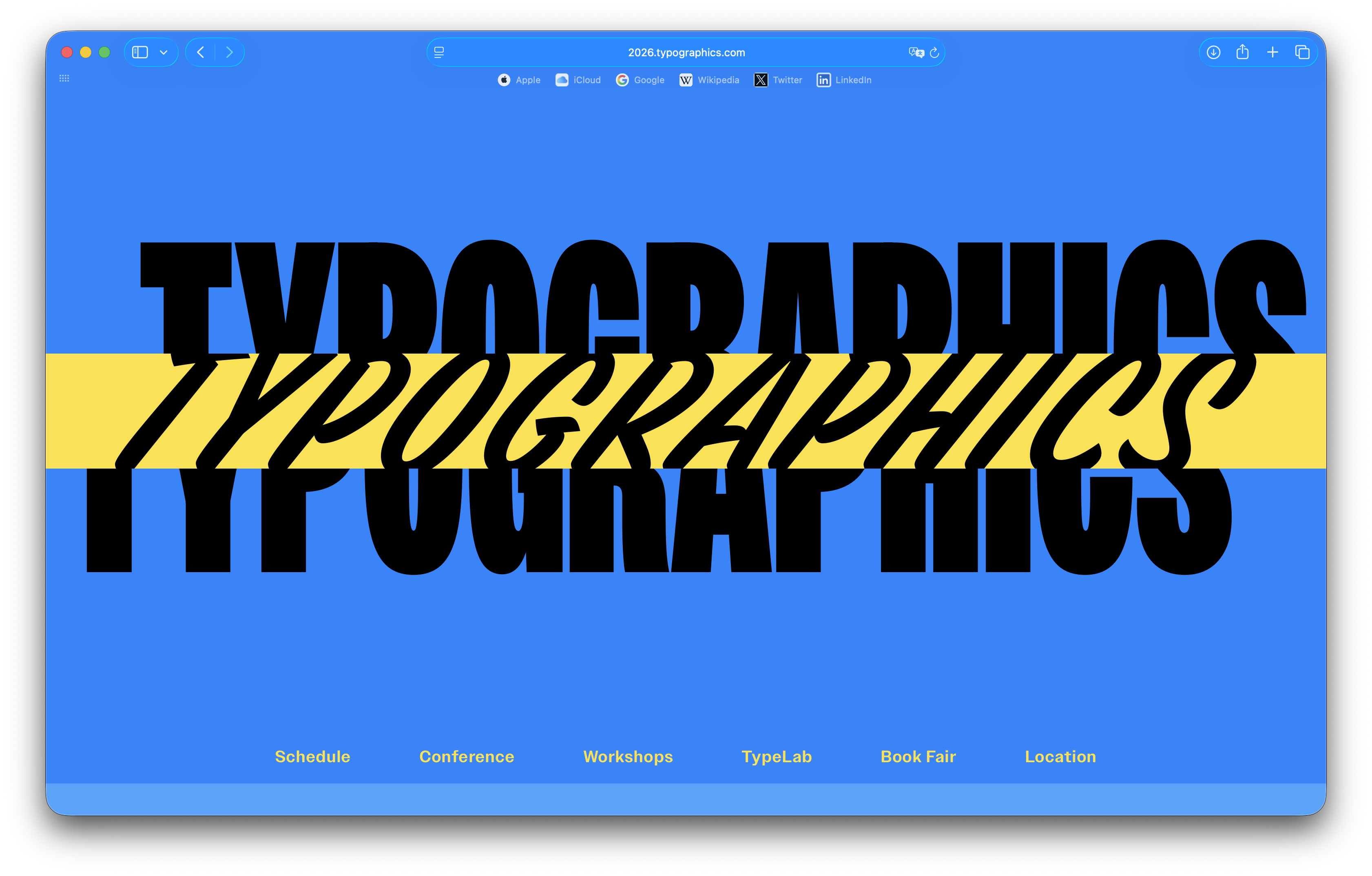
The Typographics conference, held annually at the Cooper Union in New York City, has published this year’s programme. The line-up includes Druk ’s author Berton Hasebe, designer Anna Kulachek, and calligrapher and type designer Julien Priez.
Early-bird tickets to the event are available until May 15.
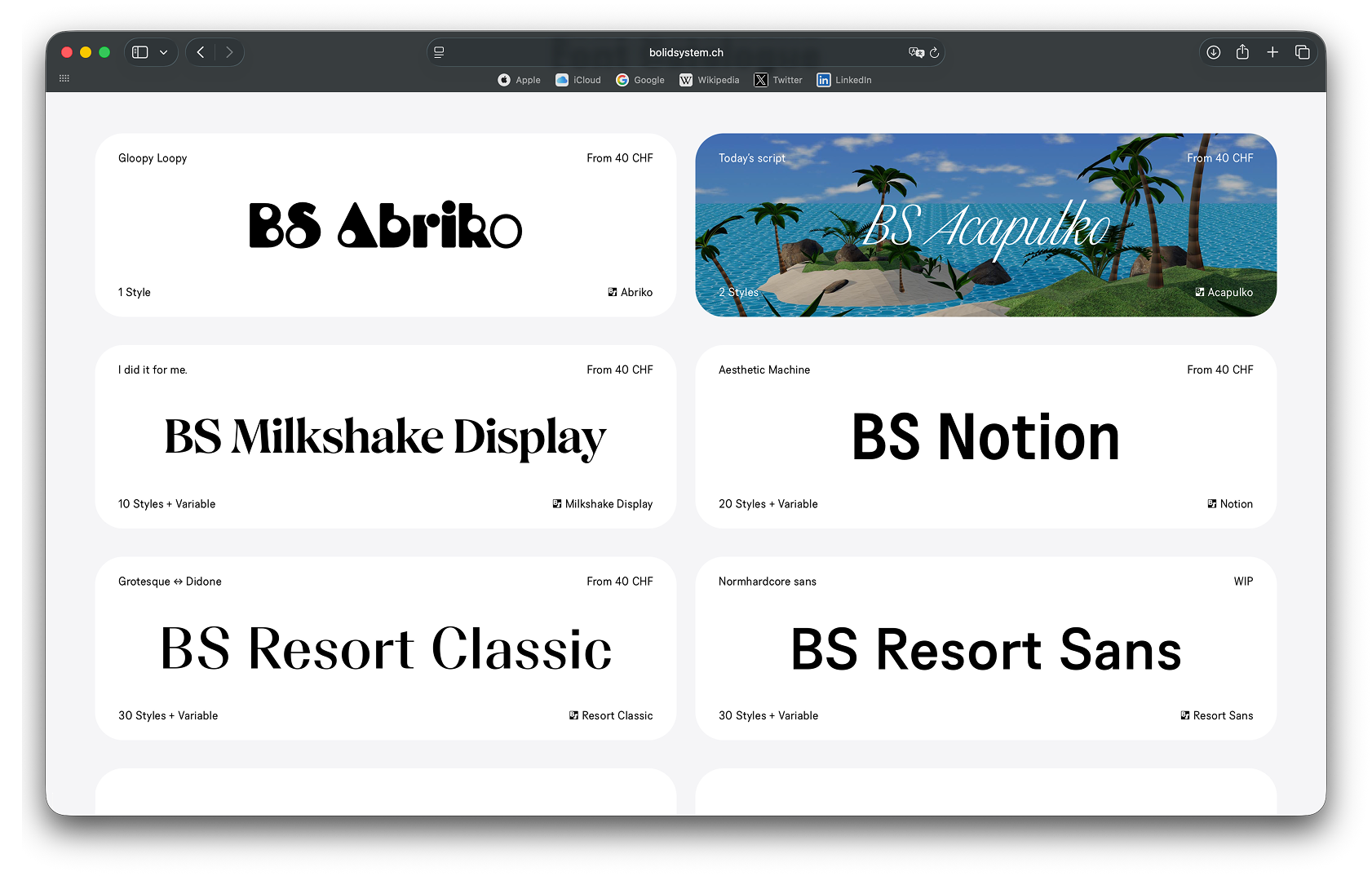
Welcome the Bolid System
ÉCAL graduates Arthur Schwarz and Maël Bächtold have launched their own
ANRT: 2026–2028
ANRT — Atelier national de recherche typographique, one of the leading schools where a type designer can get a PHD in Practice, — has launched a call for applications for its 2026–2028 programme. At ANRT, a student may either join one of the ongoing projects the institute is currently involved in or work on their own. This year, ANRT traditionally offers to participate in Missing Scripts, an initiative that designs the first digital fonts for minority scripts that previously lacked them, or a project dedicated to the legacy of typographer Franck Jalleau.
The call is open until June 21.
Protest Typography in the Desert (and Not Just That)
viewsproject.wordpress.com/2026/04/20/views-summer-seminars-2026
The VIEWS project (Visual Interactions in Early Writing Systems) has opened signups for a new series of free seminars on early writing systems. Two

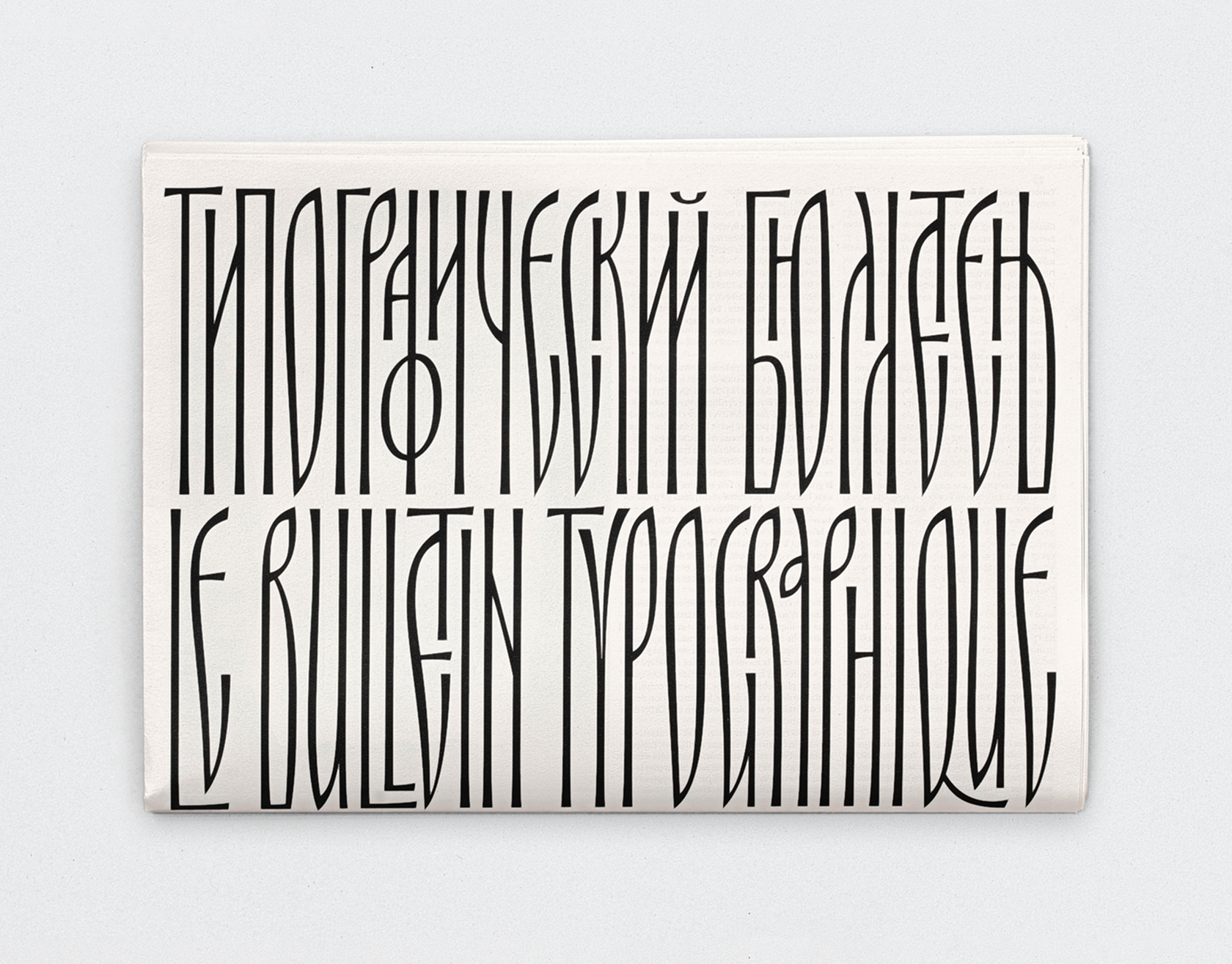
Typographic Bulletin Looking for Talent
The bilingual publication Typographic Bulletin is looking for
Applications can be submitted until May 11.
Are Type Designers Afraid of AI?
visible-language.org/journal/issue-60-1-automation-type-design
Alice Savoie, Kai Bernau, Wayne Daly, Raphaela Häfliger, and Sebastian Baez-Lugo from ÉCAL (École cantonale d’art de Lausanne) and ÉPFL (École polytechnique fédérale de Lausanne) have published a paper on how type designers
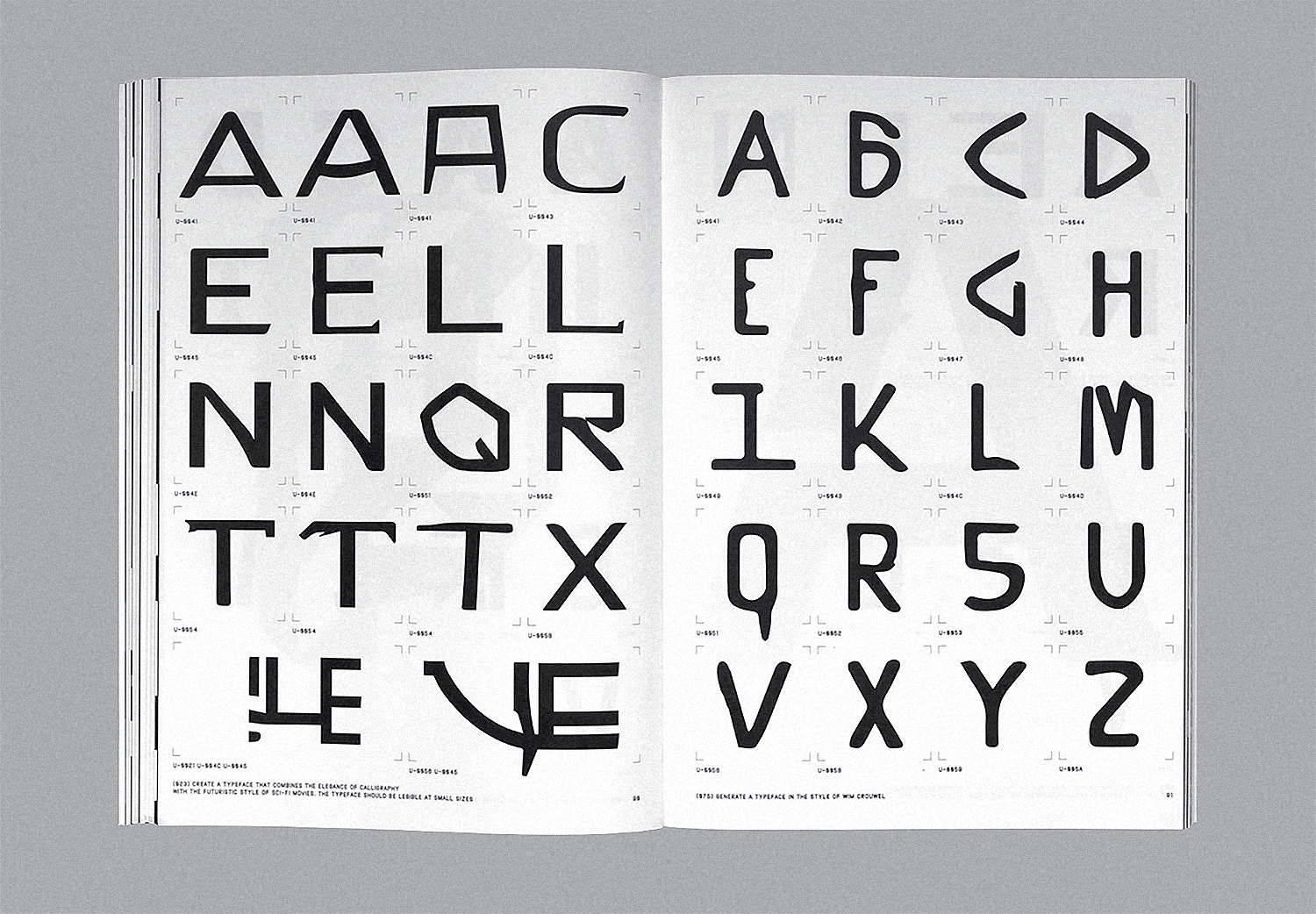 Letterforms generated with AI by Orlando Brunner. From Automation and Artificial Intelligence in the Type Design Process
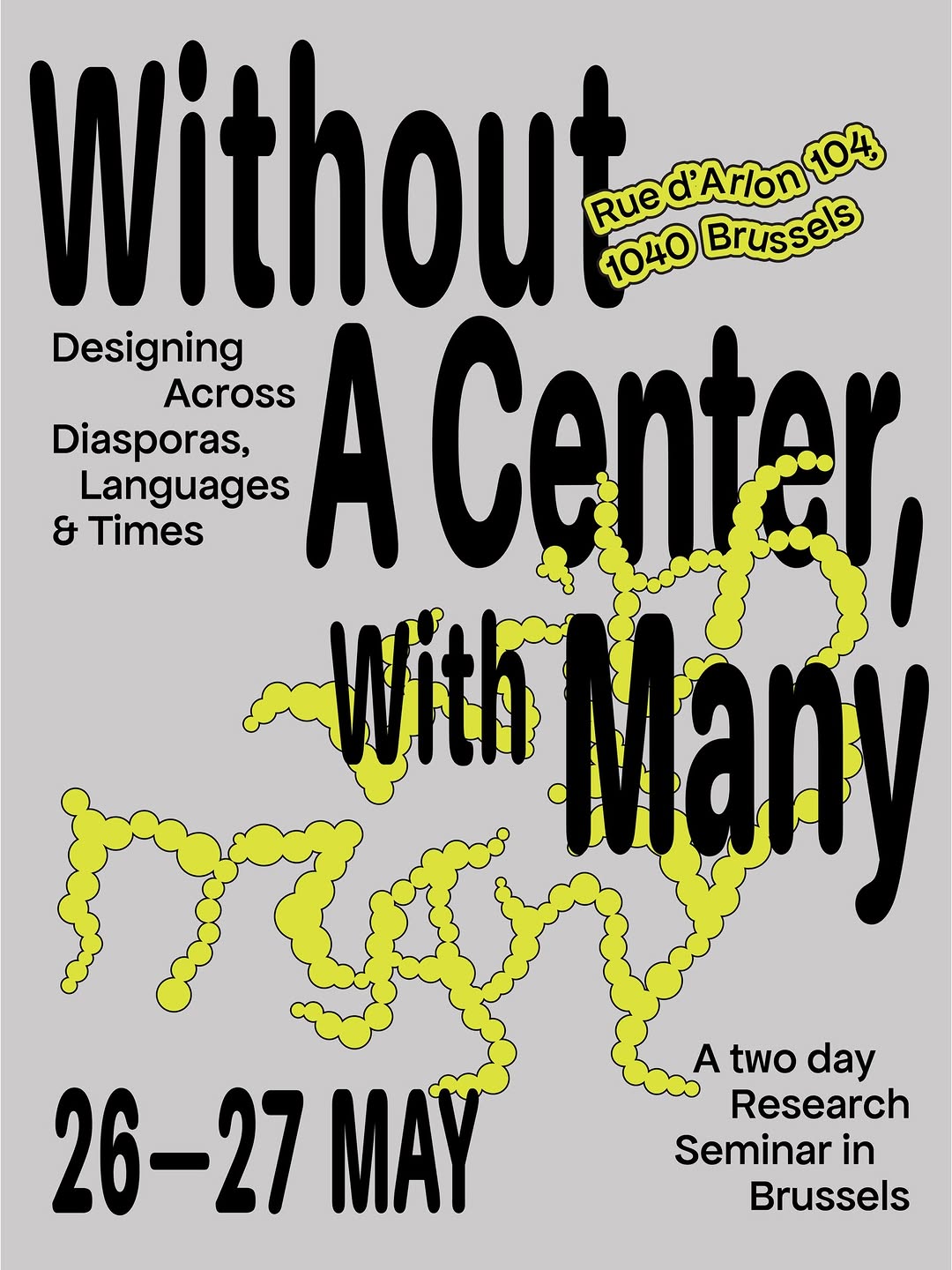
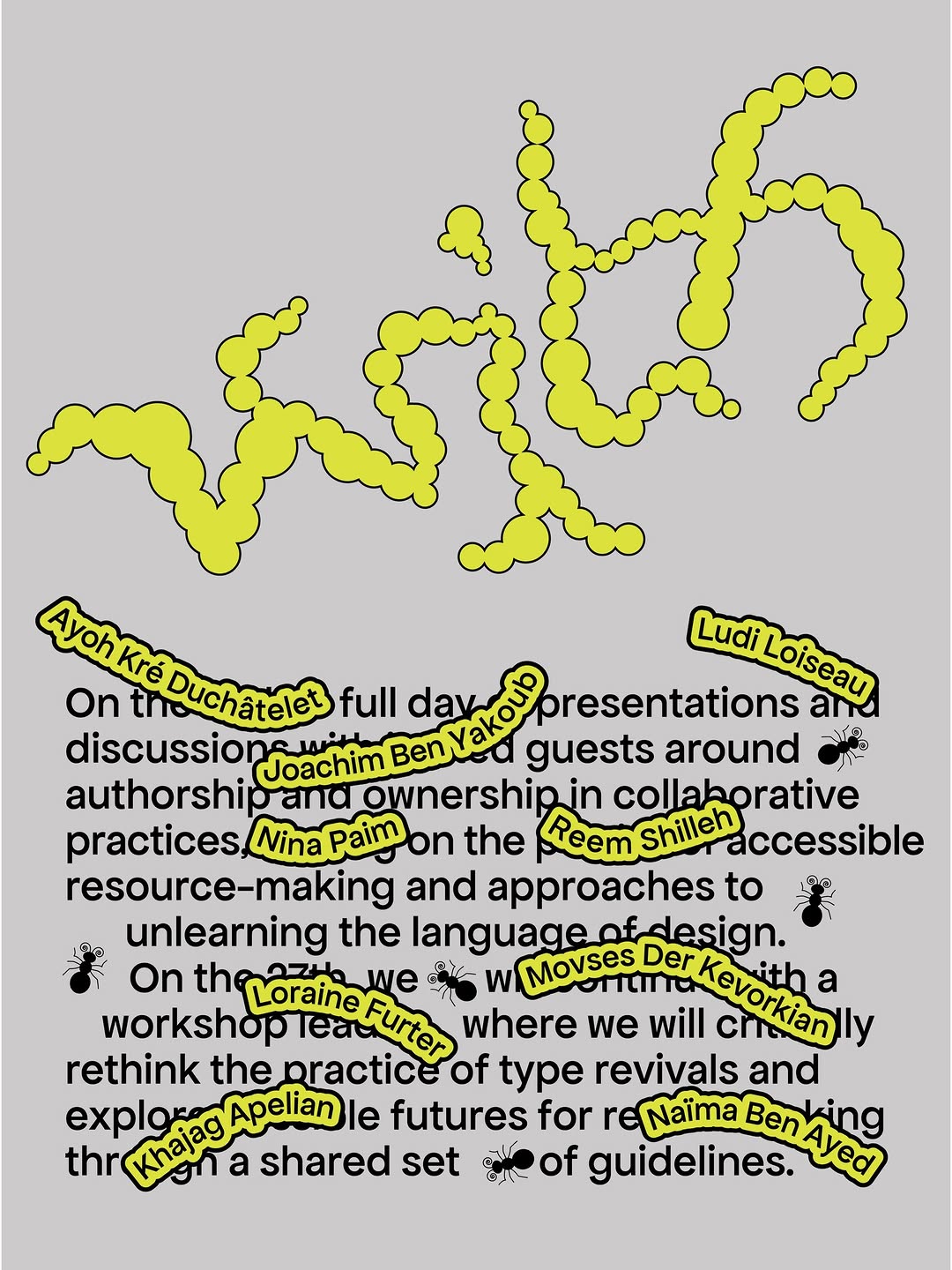
Designing without a center
https://slarg.be/content/activities
Garine Gokceyan, a designer and PhD fellow at Sint Lucas School of Arts in Antwerp, is hosting a two-day research workshop on how to design typefaces that will speak across multiple languages rather than support scripts beyond Latin. You can join the first
1/2 ATypI 2026
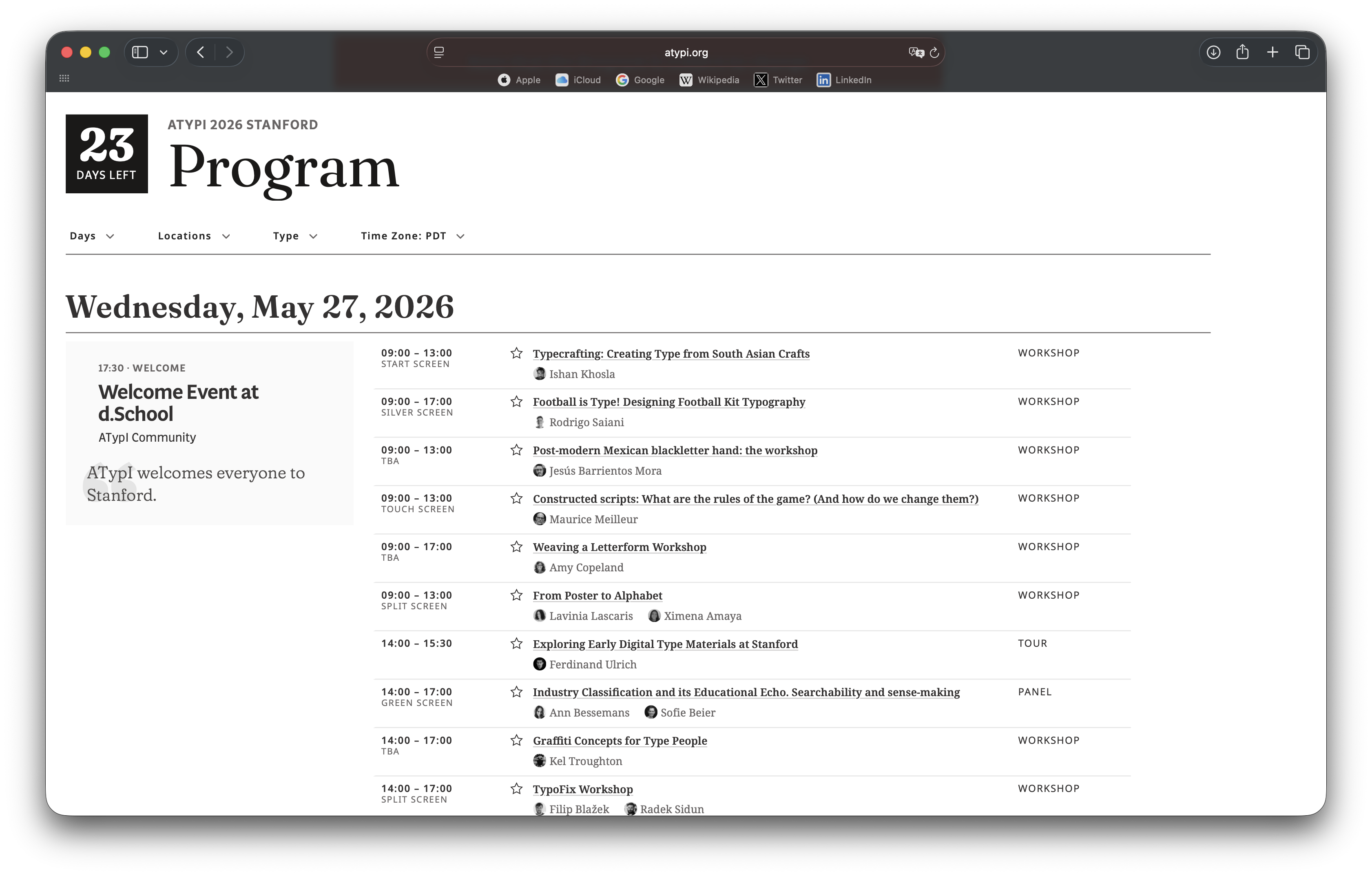
atypi.org/conferences-events/atypi-2026-stanford
ATypI has published a programme of its conference to take place at Stanford from May 27 to 30. The list of speakers at the event includes Google Fonts lead operations manager Dave Crosskand, legibility researchers Sofie Beier and Ann Bessemans, and type designer Toshi Omagari.
There are actually two conferences scheduled for this year, and applications are still open for the one planned for October in Sharjah. Before announcing the programme of this year, ATypI posted talks from last year’s event on its YouTube channel.
TDC Awards — winners
The TDC Awards competition has announced its finalists. For instance, Ciel by Production Type and Tausend by Fontwerk were awarded in the category Superfamily, while Catich
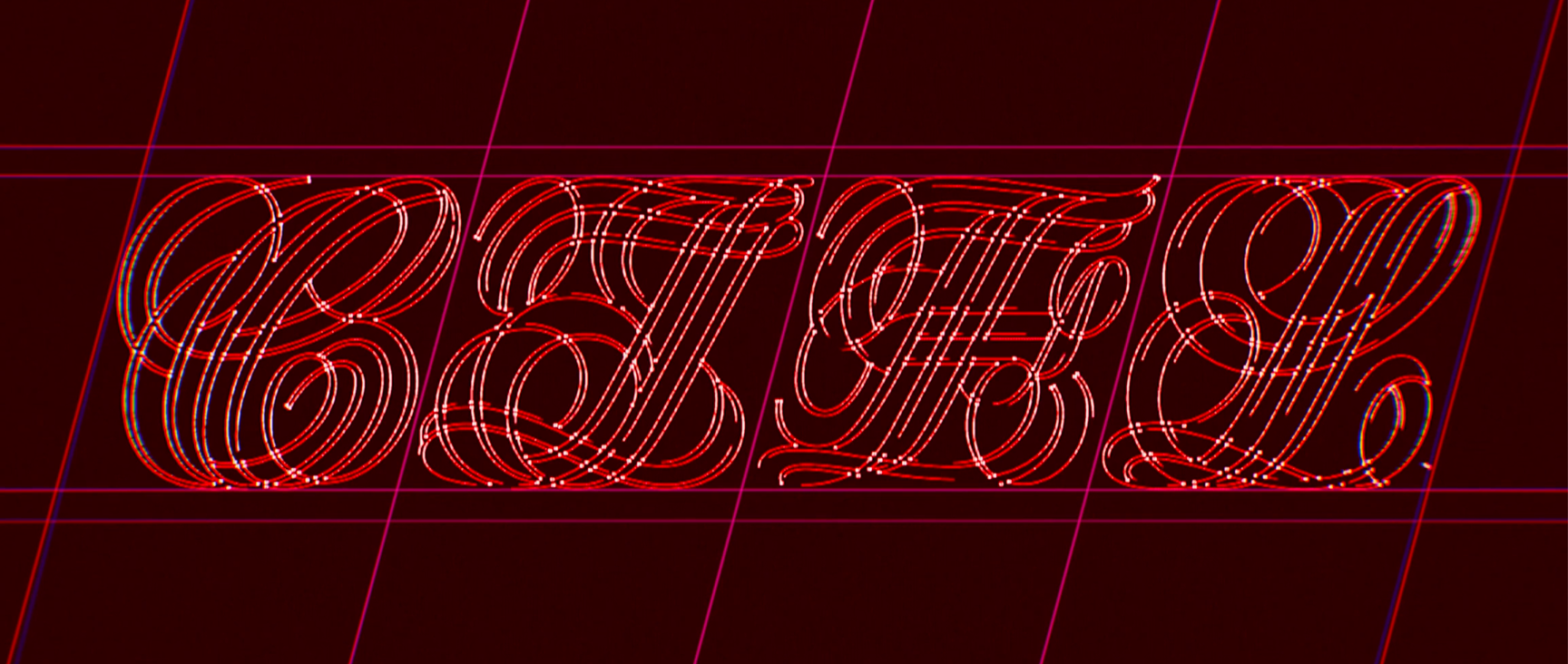 Сiel by Production Type
type.today turned 10!
In April, we turned ten years old. To celebrate the anniversary, we launched a series of open calls (the results of the first one are already available in our journal), spoke with clients who have been with us throughout this entire decade, turned one episode of our Manual into a poster, released two new typefaces — Onweer and Algorytm, and went to a wine bar!