
Adelina Shaidullina: What do the CEOs of type shops actually do? You open your laptop in the morning and you…
Vadim Zuev: And you see purchase requests, questions from the accountant and customers, emails from banks and payment service providers; someone’s accounting team has lost documents and now struggles to find the paperwork needed to close the books…
Every month, you have to finalise the accounts and prepare reports. Then you have to check the tax calculations and file the returns. You also need to settle up with
Matveij Malkin: I do the same thing. But since we have a smaller team, I also handle talking to the clients, writing the briefs, and acting a bit as an art director. I try to ensure a friendly environment for the guys who design typefaces.
AS: Well, I actually invited you to discuss licensing. Vadim, has our licensing policy changed over the ten years that type.today has been around?
VZ: Conceptually, nothing has changed. Our desktop/web/app model is the same as it was ten years ago.
AS: Wouldn’t you like to change anything?
VZ: We’ve been looking into it, but we’re not planning on making any major changes to our licensing policy. We’re concerned that if our shop suddenly switched to different licenses after ten years of operation, it might trigger a negative reaction. I know you’ve been dreaming of rewriting our licenses using simpler wording, but we have no such plans. After all, a license is not something that is easy for a designer
We had an experiment with a separate package-based licensing model for our tomorrow storefront, but that experiment came to an end.
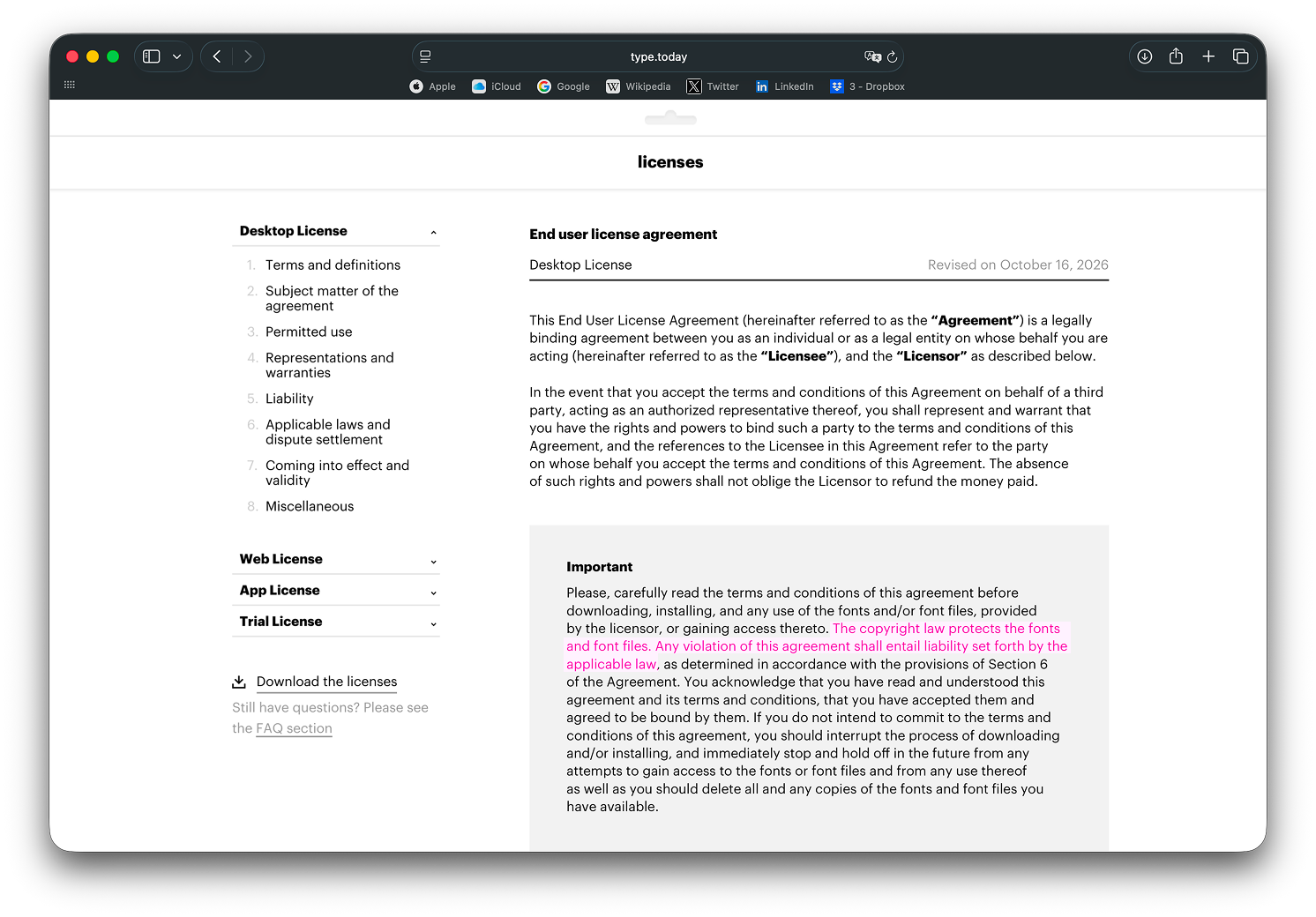 EULA, type.today
AS: Tell us why!
VZ: It’s quite difficult to manage two different licensing systems at the same time. It’s extremely
The system itself is a good one, but I believe it should have been organised somewhat differently. I mean, a customer is only willing to pay for what they actually use. But when a package license covers a whole bunch of usage rights they don’t actually need, they start asking, ‘why are you giving me all this and charging me that much?’
Let me tell you how tomorrow’s license worked: if a customer’s web traffic was high, they had to purchase the top-tier package. Once they paid, they could use the typeface for
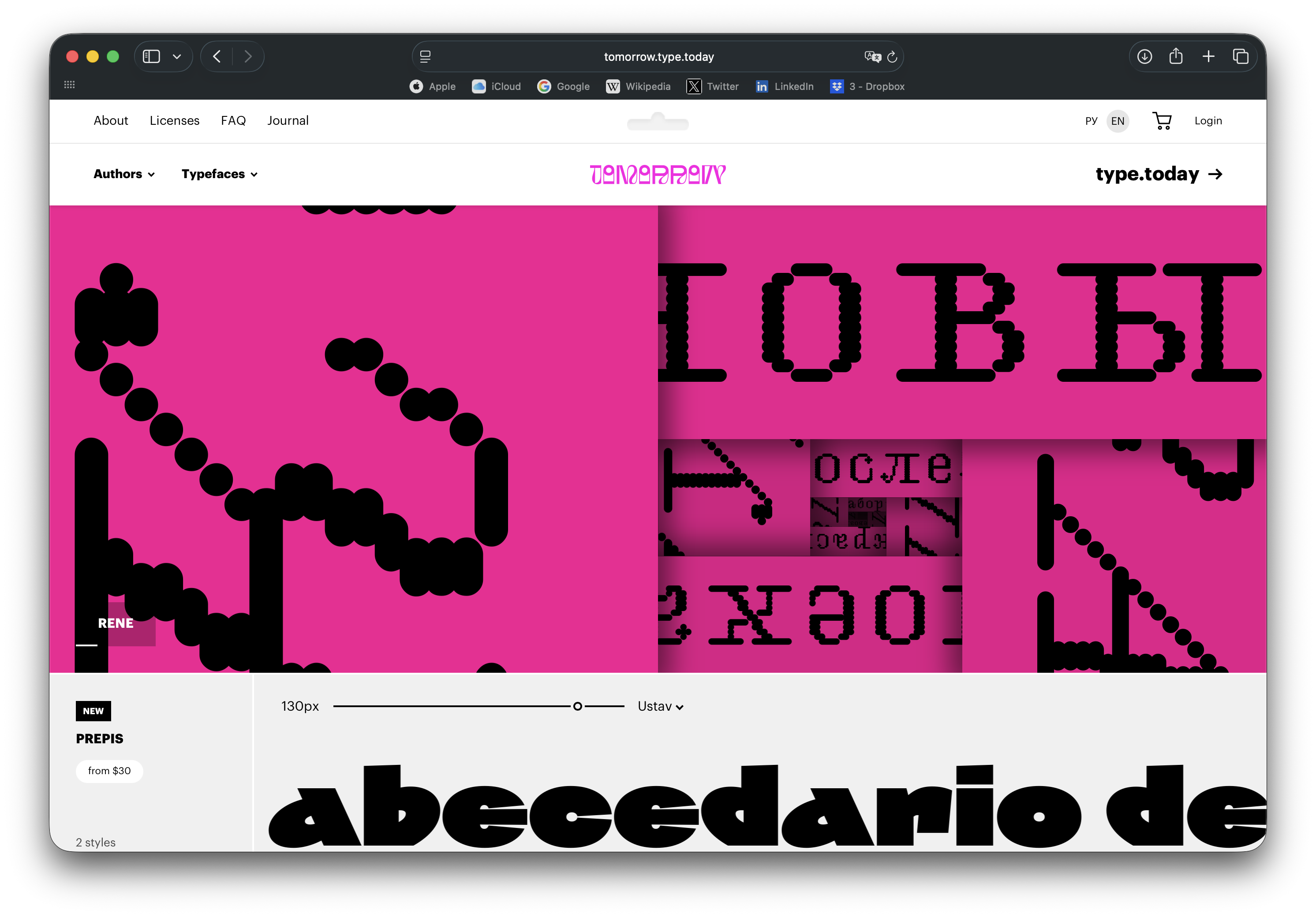 tomorrow.type.today
AS: Matveij, why did you opt for a package-based licensing model?
MM: We spent quite a lot of time discussing how it should be in our case. At first, we were considering the desktop/web/app model, similar to the one type.today has in place. But I remember back when I was in university and only just learned that fonts
Well, of course, most professionals are familiar with the terms Desktop, Web, and App. But I feel there’s also a segment of potential customers who don’t really understand how the conventional licensing model works. These people would have probably bought a small-size license, but they get intimidated by the options, struggle to figure out how all this works, and end up using Unbounded. Being free and open-source, the Cyrillic Unbounded got slightly overused at one point. In the Russian-speaking design community choosing Unbounded became synonymous with typographic laziness, or even bad taste
We were looking at how to simplify the system to make it convenient for both us and the customer. We felt that a tiered licensing approach based on company size, already used by various players in the industry, was the best option. ABC Dinamo uses a similar setup, as does Bureaubukv…
We spent a long time figuring out what metric to use for calculating the license tier. We decided that the most objective way to determine how much value the font will provide to the company is its size, as in the number of employees. Meaning, a large company that purchases a good typeface will benefit more than a small company purchasing the same good typeface. So it will cost less for a small company in our shop.
We believe that this approach simply makes the purchasing process much easier. This is even more so given that, typically, it’s in-house designers, art directors, and freelance contractors who buy fonts. These contractors make purchases on behalf of their clients and often have no idea in which scenarios the typeface might eventually be used. What if a customer decides to launch an app a few years down the line? Or their website traffic surges?
The traffic issue under a Web license is also unclear. After all, I can’t possibly know how much traffic a website that hasn’t even been launched yet will get. Of course, you can upgrade the license after, but it’s still an issue that you have to bring up with the
We hope that our license will take these issues off the table.
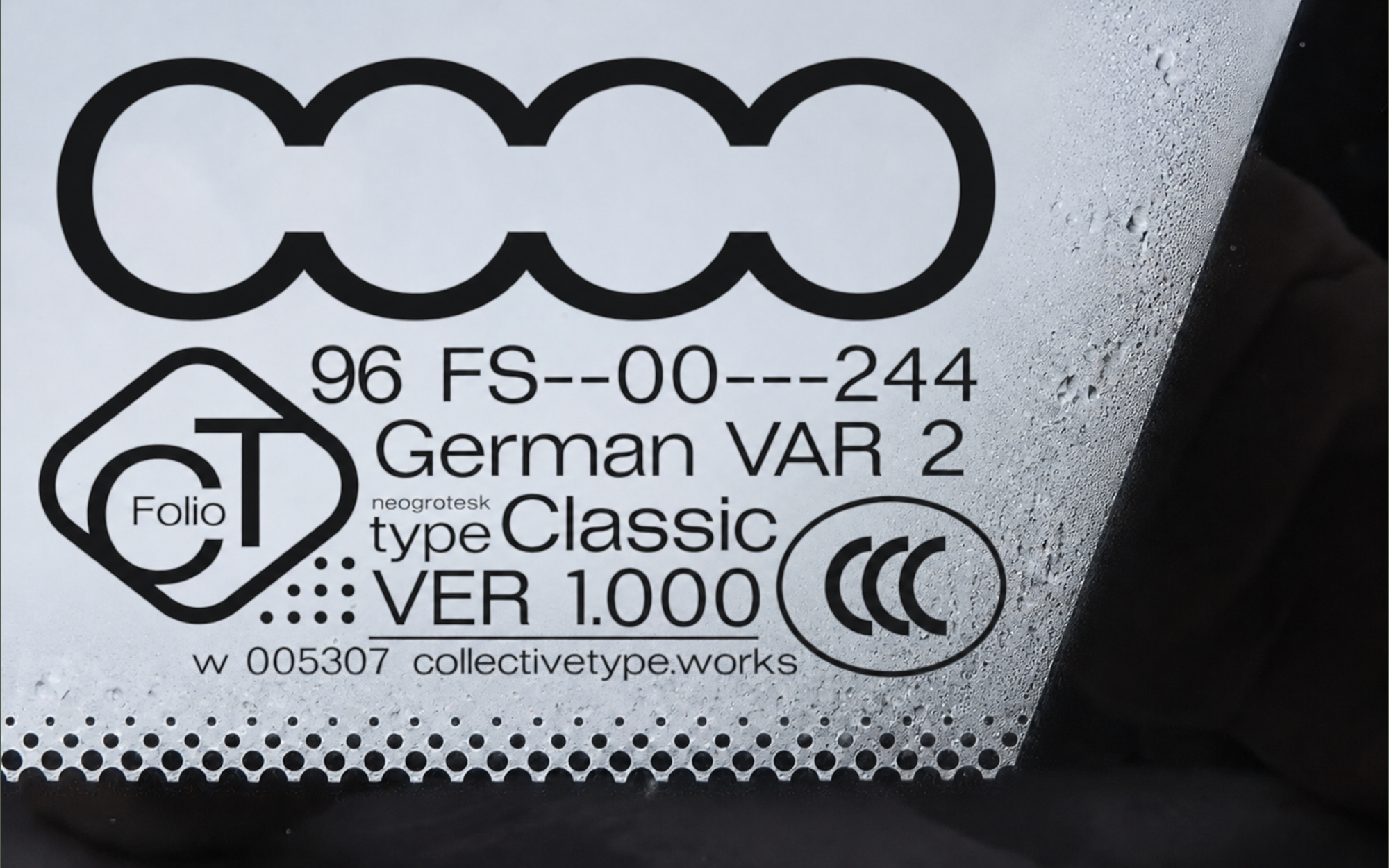 CT Folio. Collective Typeworks
AS: What bothers me more about our licensing model is that you need to pay for additional
VZ: That’s not entirely accurate. The typeface must be used as intended and may not be transferred or resold in any form. If a particular use implies that the typeface will effectively be used by third parties, you have to pay extra for that. Many foundries offer extra licensing options, which can vary from case to case. For instance, Production Type requires you to purchase a separate license to produce apartment door number plates for sale.
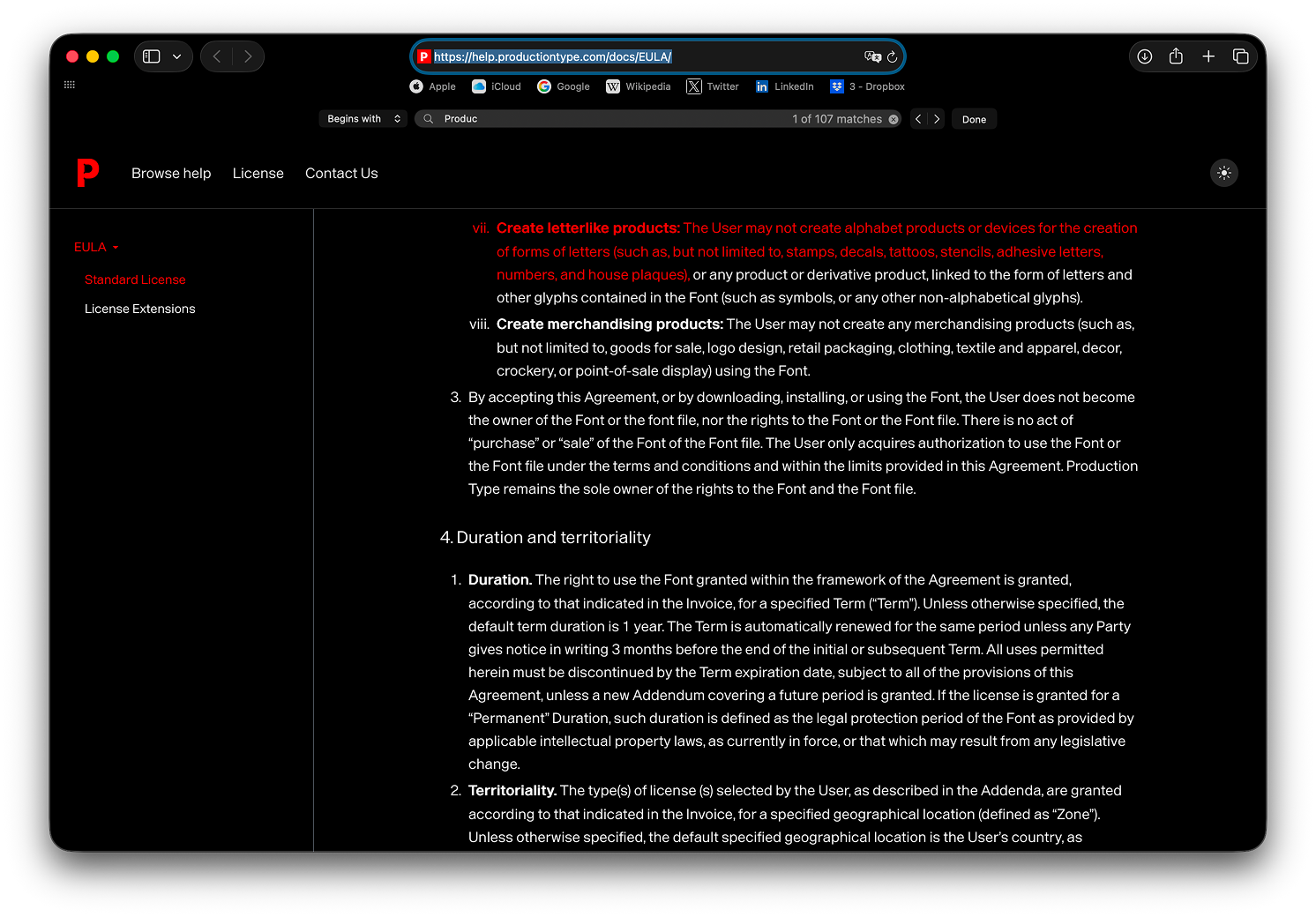 EULA, Production Type
AS: Matveij, will you be offering any additional options?
MM: We’ll be offering the option to email us if a customer feels that the license doesn’t cover their specific use scenario. But so far, we have no plans to offer any specific extra options. If we come to realise they’re needed, we will add them.
For example, yesterday we were making adjustments to the contract. The customer asked us to include ‘the right to change the font colour in a graphic editor’. It’s a bit ridiculous, but we added
VZ: I am very scrupulous about those things. If someone says they want to change the text colour to red in a graphic editor, I respond that the license agreement permits this, so there’s no need to introduce any additional provisions to the license text. Because when making changes, you might accidentally overlook some terms, such as ‘modification’ or ‘conversion’, and inadvertently grant the customer the right to modify the font or legally authorise them to create a font based on yours.
Well, I can sometimes give ground and run the adjusted text by lawyers
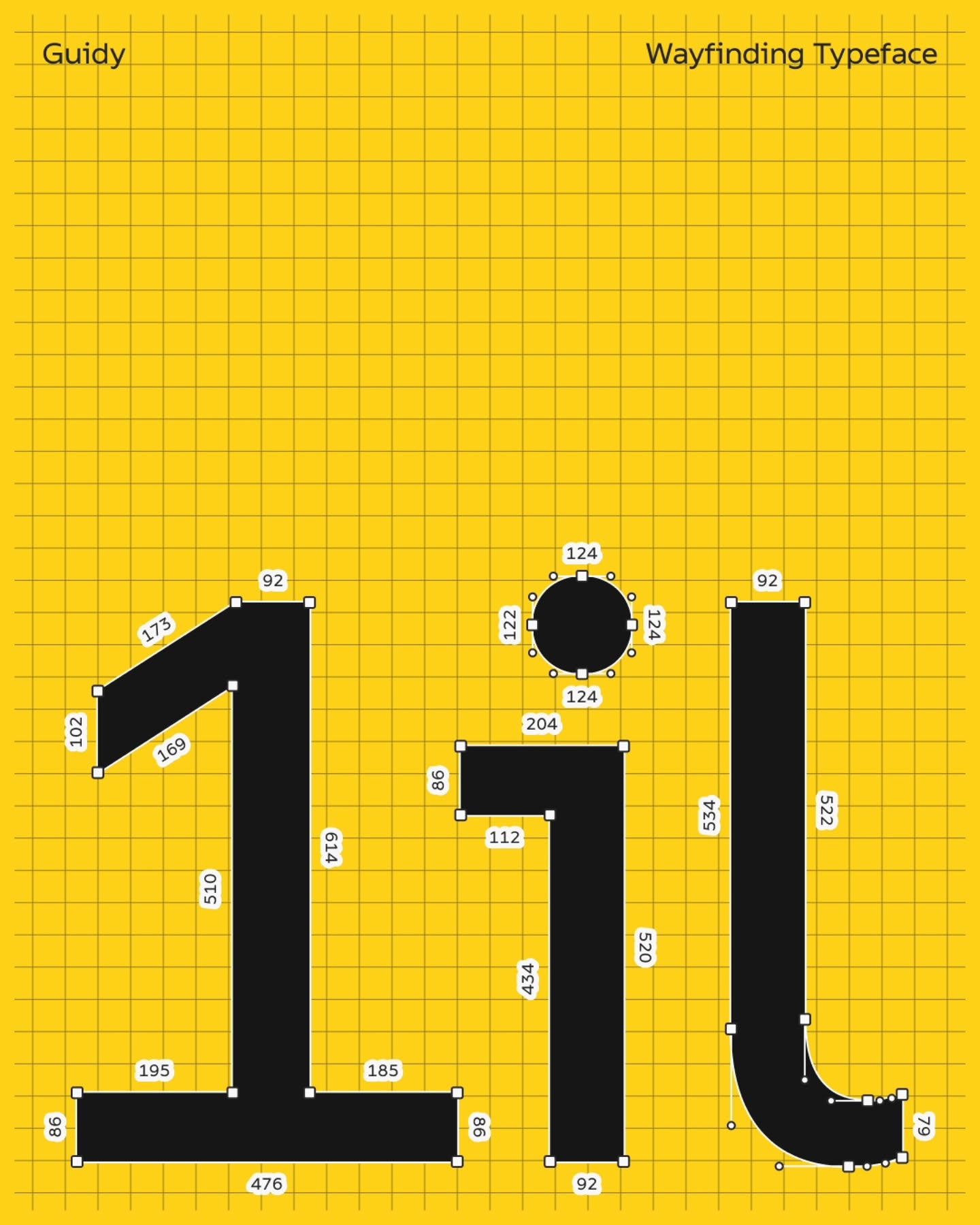
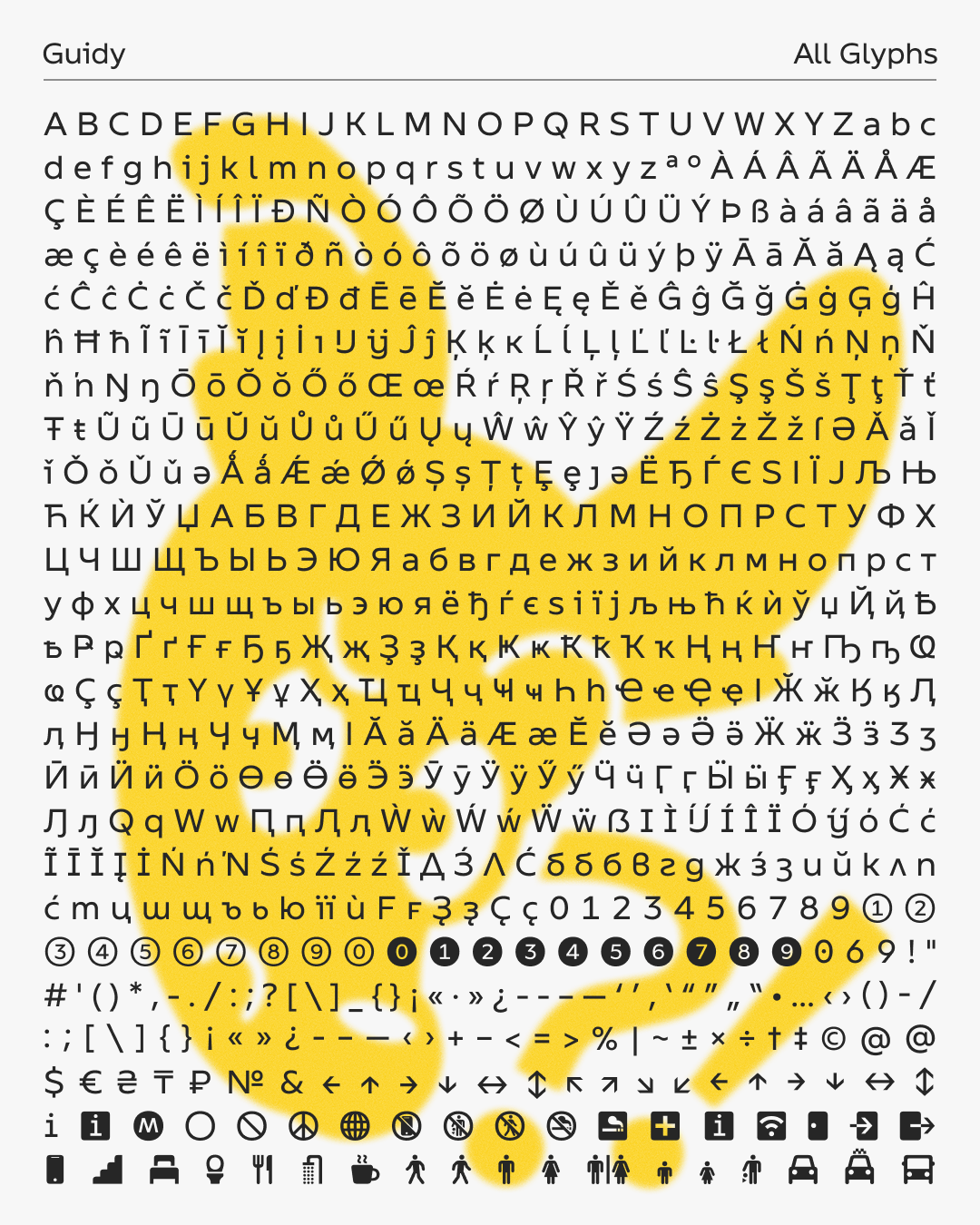

Guidy. Matveij Malkin, Danilo Borovinić, Maxim Keshishev, Anna Kondrashova (Collective Typeworks)
AS: Matveij, have you ever compared how much a typical mid-sized business will pay for the same set of styles under your licensing model versus the traditional Desktop/Web/App model?
MM: We tried to figure out who our target audience is at the moment and what licensing options they’re most likely to purchase. We also compared our pricing to what it would cost to put together an equivalent offering from other foundries using different licensing policies. But I must say that it is a highly varied
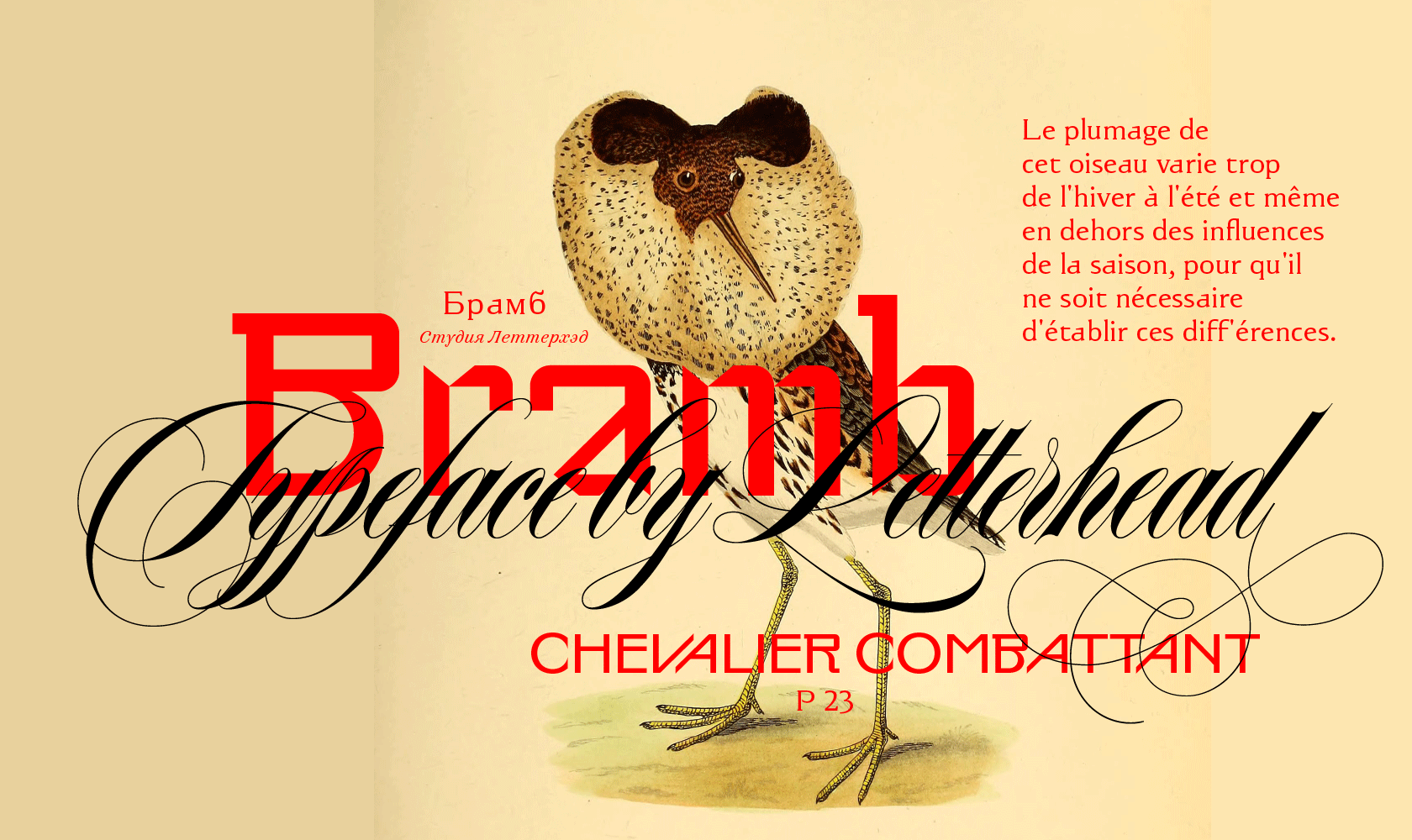
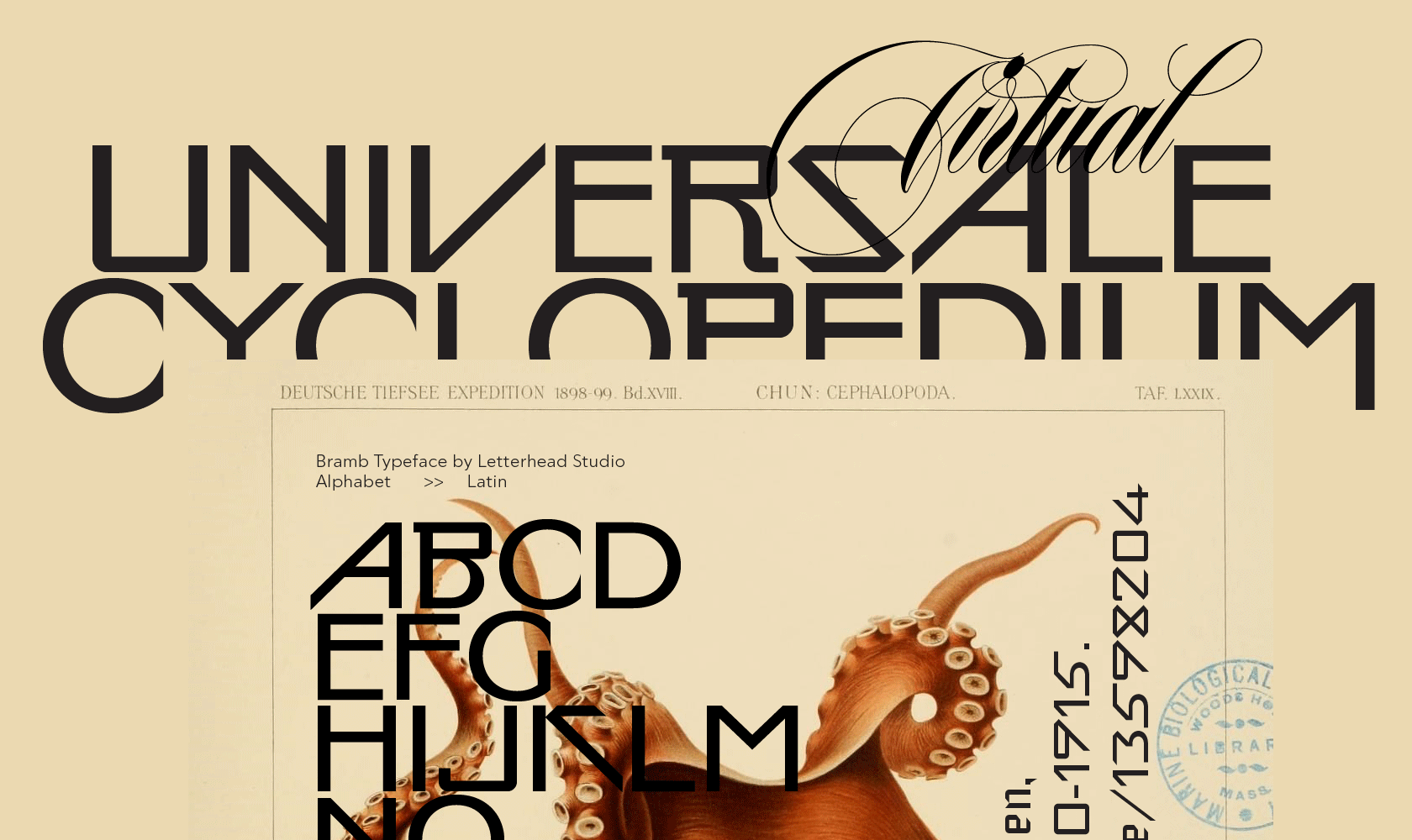
Bramb by Letterhead
On average, if you opt for a Desktop/Web scenario (with app licenses seemingly being less
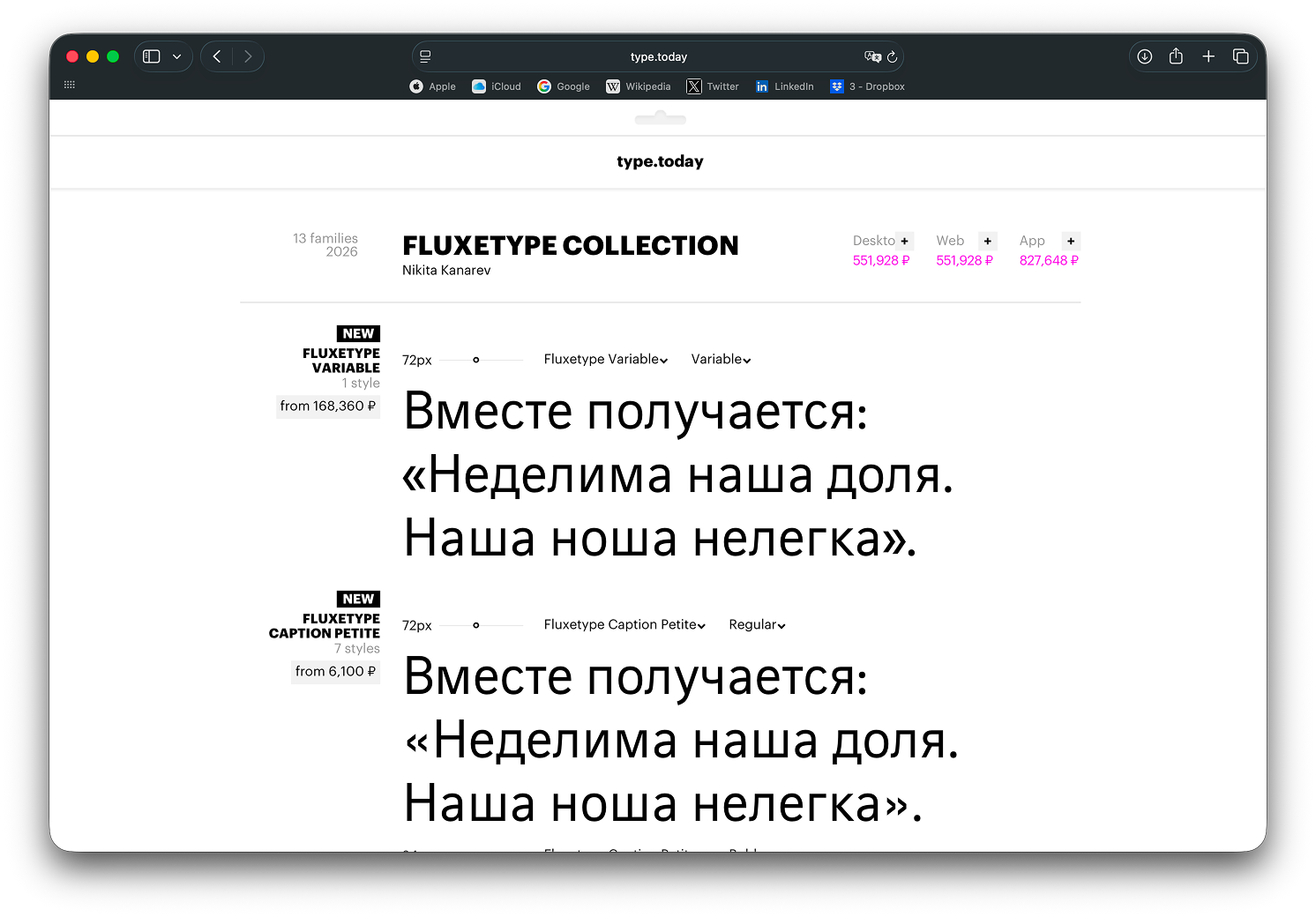 Fluxetype by Nikita Kanarev. Entire superfamily costs 551,928 rubles
AS: And to get people using our typefaces, you can share them with your friends before the actual release!
MM: Everyone at Collective Typeworks is a practicing designer, so we all have people we trust and are willing to share our fonts with for testing. For everyone else, we offer a designer license. It covers personal projects and allows you to design social media pages, and it will cost about the same as a cup of coffee.
In fact, we’re already seeing our typefaces being put in use: Aleksey Pushkarev and Victor Skvortsov are currently developing a visual identity for a private school using a customised version of our first release.
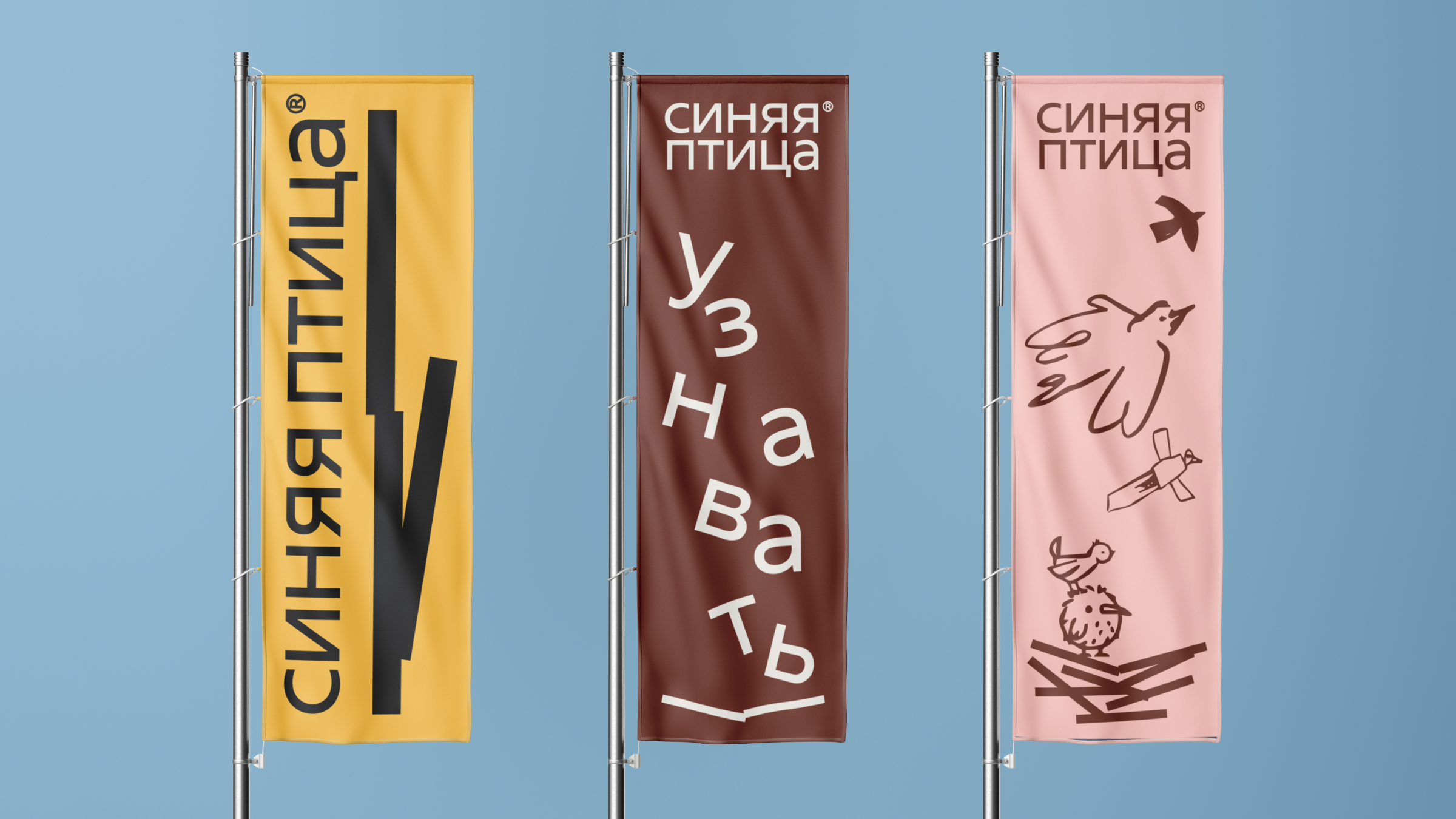
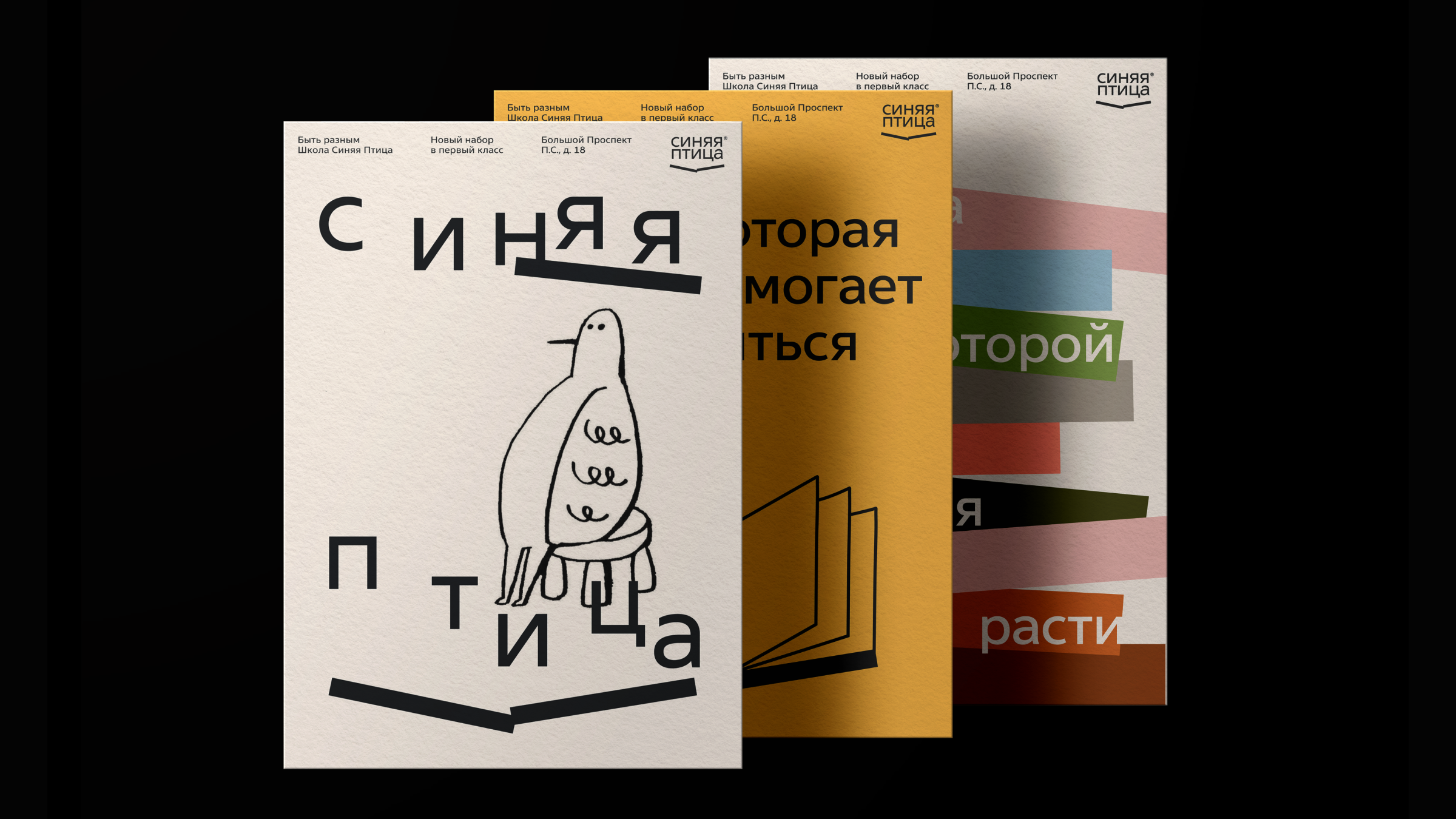
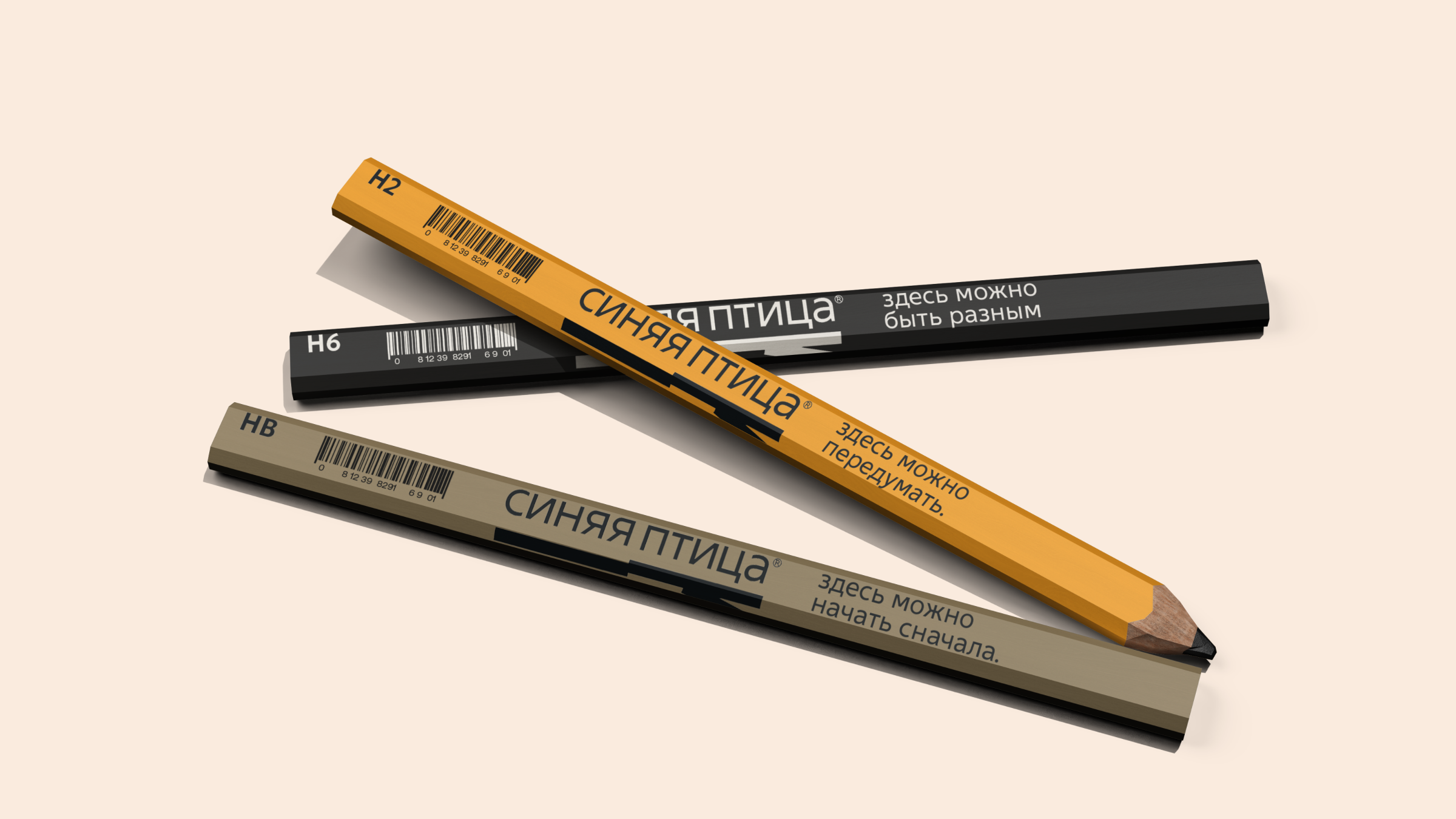

Visual identity for the Sinaya Ptitsa (‘Blue Bird’) school. Art director: Aleksey Pushkarev. Customisation of the Guidy typeface. Type designers: Vitya Skvortsov and Diana-Rada Shuvalova
I also believe that now, with a huge number of services and AI tools, it’s really important to integrate into all kinds of generative platforms. For instance, I spoke with a person who developed a service in which you can upload a company’s brand guidelines and then generate layouts that follow these guidelines.
As for us, we want to integrate into the kinds of generative tools that help
AS: Matveij, you were also planning to distribute typefaces created by other designers, I believe?
MM: We were. We’ve already received several requests for that, which is both flattering and interesting. Our site will feature two separate showcases: typefaces designed by Collective Typeworks and typefaces by our friends and partners. This setup makes sense
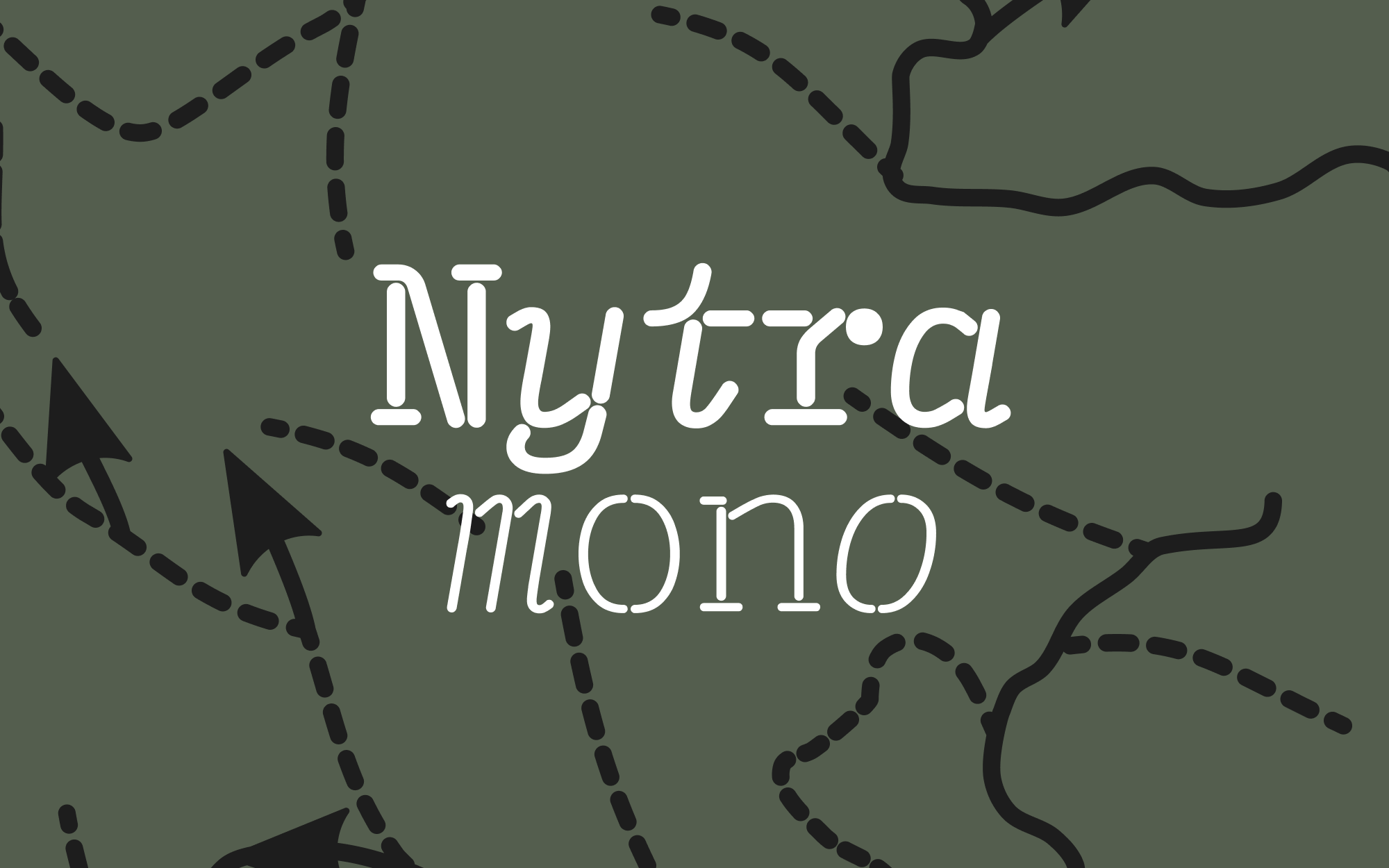 Nytra Mono. Rodion Ilyukhin (Collective Typeworks)
AS: Are you willing to adjust your license agreements at the request of type designers?
VZ: My answer would be no rather than yes. We are willing to negotiate the base price for a typeface, but nothing else. We have our own established workflow and pricing structure. If one type designer’s setup is out of tune, we’ll have to spend extra time dealing with it, which is just an extra headache.
MM: That’s a tough question. Clearly, type.today is somehow
Because if a platform sells fifty typefaces under one license and offers a different kind of license for the fifty-first typeface, it discourages the customer.
VZ: Speaking of which, we had this issue with licenses for tomorrow’s collection. A customer selected two
By the way, Matveij, have you already decided on how you’re going to work with designers whose typefaces you’re going to sell?
MM: I checked with others involved in font distribution, and it turns out they all operate under an agency agreement. So there’s no need for us to reinvent the wheel.
However, we will most likely implement a fairly flexible system of how we split the sales revenue with the author. I mean, a designer can come to us with only a Latin glyph set and ask to design the Cyrillic extension, but in that case they will get a smaller percentage of the sales.
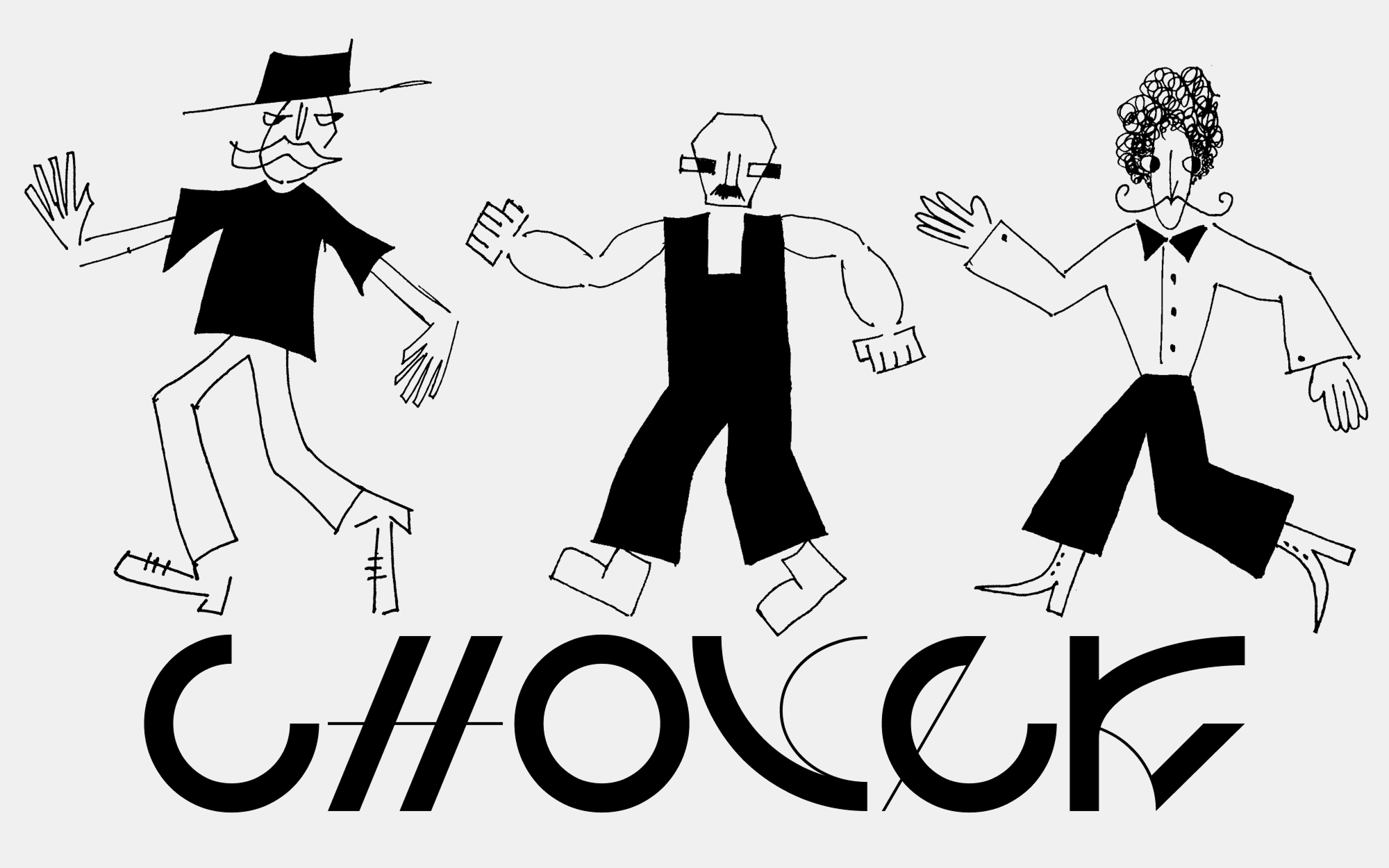 Chovek. Maxim Keshishev (Collective Typeworks)
AS: Let’s talk about the risks. Who and how could end up in a tough spot because of a poorly drafted license?
ММ: For us, this is the most difficult and scary part. When you never studied law or economics, and you start drafting your first license, you’re terrified of making a mistake. You already have to deal with so many new kinds
At some point, I took a breath and just decided to check how meticulously people in the industry approach the drafting of licenses. As it turned out, many work under licenses which could be interpreted in many
VZ: Those aren’t based in Russia, right?
AS: And we won’t be giving names so they keep walking free, right?
ММ: I can give a name. For instance, I recently requested a license for the fonts from Art. Lebedev Studio. And,
Clearly, as a shop, I do face certain risks. For example, someone could use my typeface in a way I wouldn’t want them to, or in a way I hadn’t even had provision for. For the customer, however, there are hardly any risks. Perhaps Vadim will correct me if I’m wrong.
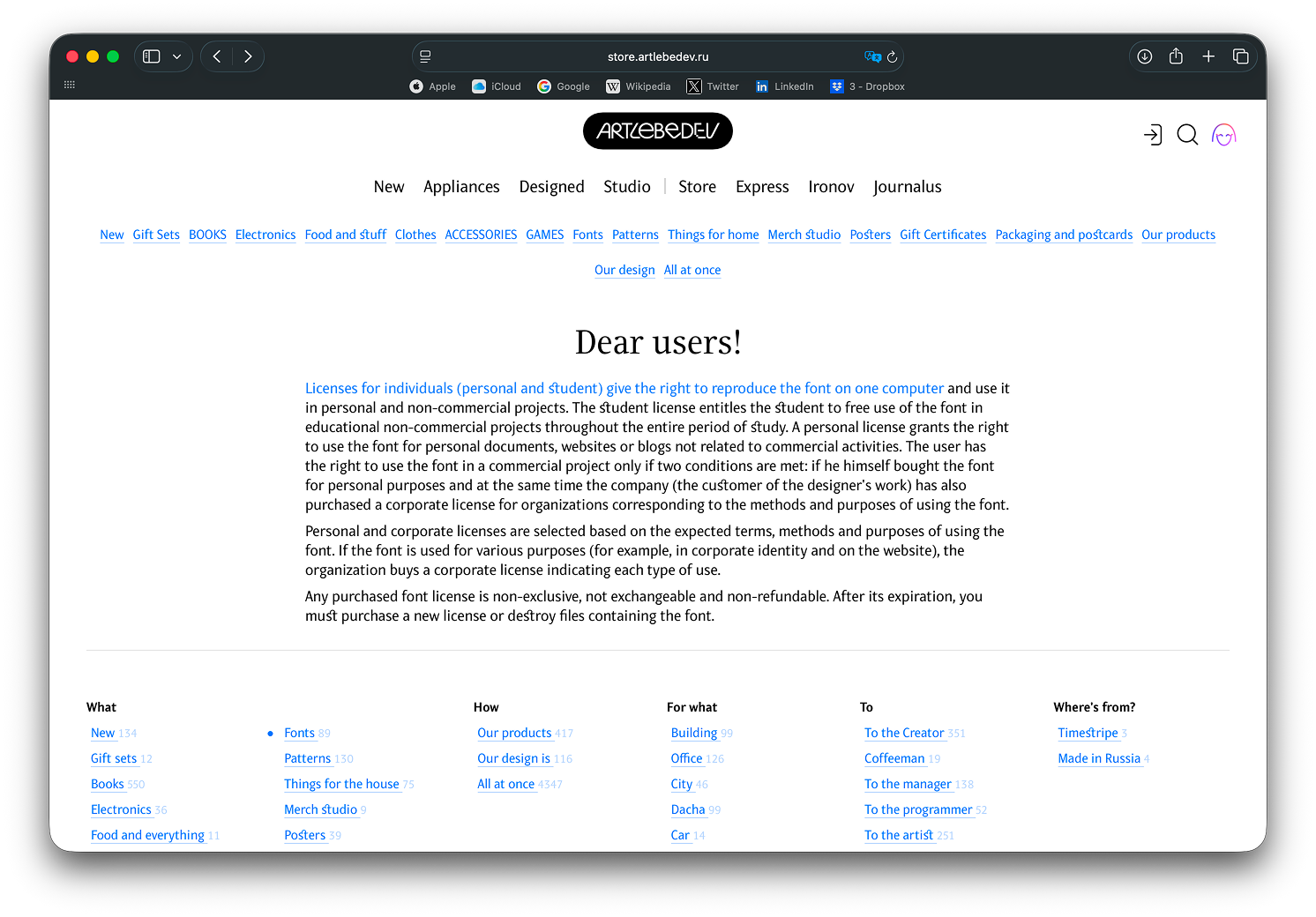 EULA, Art. Lebedev Studio
VZ: If the license doesn’t explicitly state that something is permitted, then it is prohibited. We proceed from this assumption. Therefore, if a customer chooses to interpret things loosely and go beyond the scope of the license, that’s their risk, not yours. After all, it’s the customer who’s violating the terms of the license agreement.
In your example, the general phrasing used is ‘reproducing typeface characters’. It means that you are authorised to make as many copies of these characters as you like. It’s not how I see
AS: So the EULA is tied to the Civil Code, right? Does it mean that in countries with a more liberal law framework, licenses might be simpler and shorter?
VZ: Generally, yes. European and American licenses are typically written in a less formal style, free from ‘legalese’. Though I wouldn’t say English-speaking people are necessarily discouraged by legalese. I’ve read the English-language license of Brownfox, and it’s essentially just the translation of standard Russian phrasing. There’s nothing wrong about that. Our English-language license is written the same way.
AS: Tell me why is that nobody likes font subscriptions?
VZ: People probably don’t like them because they make a payment, but then keep getting charged afterwards. They’d rather just buy something once and not have to think about it again.
AS: But we’re already used to subscriptions for things like music, graphic editor software…
MM: I think we’ve gotten used to subscriptions in the consumer market, while fonts are somewhere in between consumer and B2B.
Speaking of which, we all know one Russian company that has introduced a subscription model. I was told it’s beneficial for the customer when a project
There’s also an option to subscribe to an entire library.
The very same company provides it to large design agencies, businesses with in-house design teams, and all sorts of banks. It makes sense for them to have access to the entire library, covering all their team’s typographic needs with a single subscription. Yes, there’s an annual charge, but
VZ: We get that kind of request, too. It appears that people have that specific subscription in mind when asking about
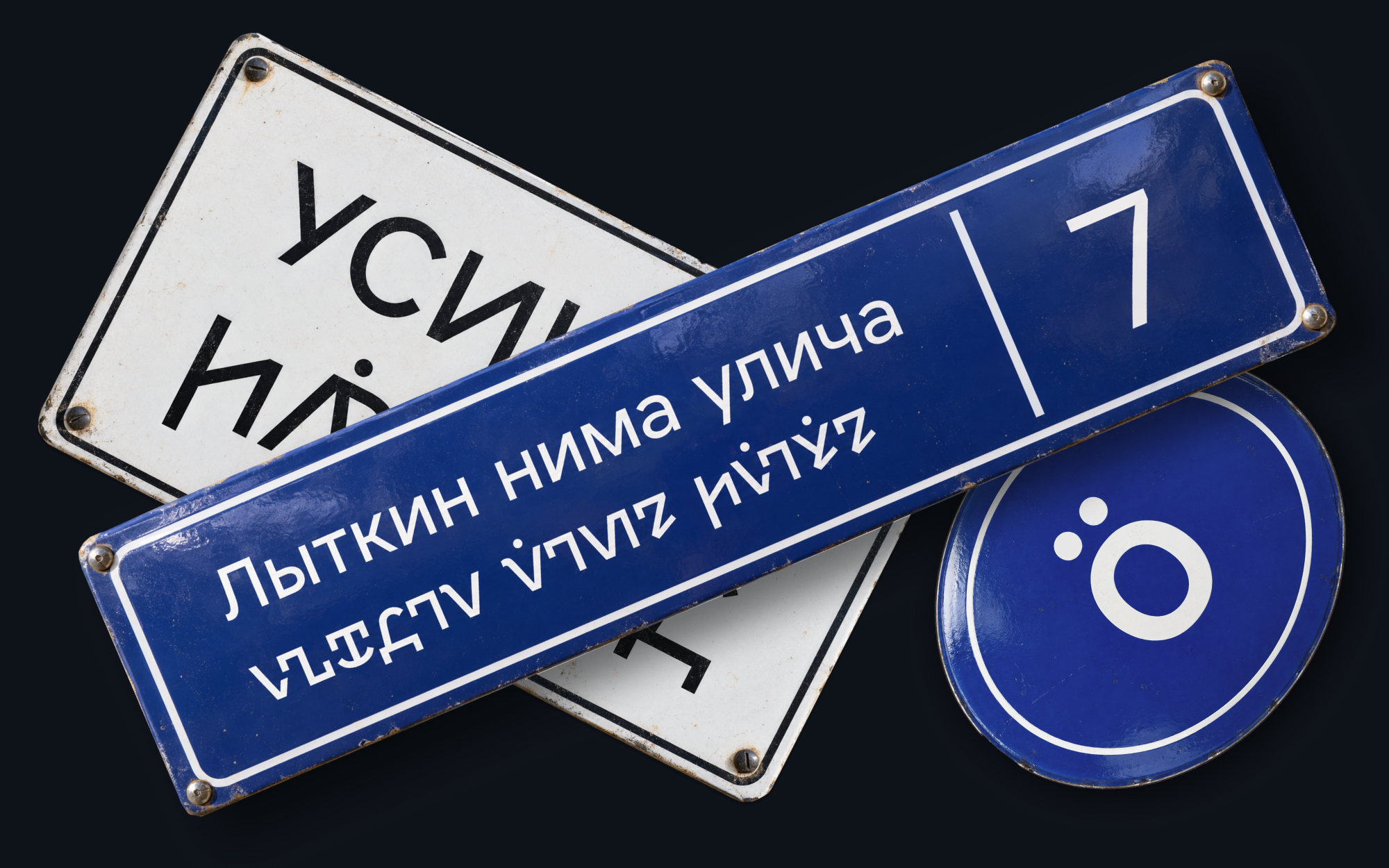 Lytkin. Danilo Borovinić, Antonina Samokhina (Collective Typeworks)
AS: Previously, a common practice was to offer one typeface from a collection for free and charge for the rest. But for some reason, we see that kind of setup less and less often, don’t we?
VZ: These days, almost everyone offers free trials!
AS: So people have started offering trial versions more often?
MM: Most certainly.
VZ: Yes, I’ve been getting more requests for those, too. Many type designers are guided by the consideration that if a person writes a personal email to the typeface’s author rather than downloading a font file somewhere, why not send them the file? It’s unlikely that someone like that is trying to steal from you.
AS: Let’s say I open a type shop tomorrow. How do I decide on a licensing policy? How do I draft the license?
VZ: The simplest approach is to copy someone else’s policy and
AS: How do I choose whose license to copy? Should it be a foundry based in the same country where I am registering as a business?
VZ: If you want to copy their license in its entirety and avoid overcomplicating your life, then yes.
MM: Some foundries state that their license text is protected by copyright and cannot be copied. At the end of the license, there’s even a separate line that says ‘You may read it, but don’t Ctrl+C and Ctrl+V’.
VZ: Of course, the best approach is to go to a lawyer and say, ‘I like this particular licensing model, draft a license like that for me’ and pay some money for it.
MM: Does type.today state that you are not allowed to copy and use the text of its license agreement?
VZ: No, we don’t state that. Even if we did include such a statement, I don’t think it would actually protect us from anything
AS: What do you think will happen with licenses moving forward? What will change, what will be added, what will disappear?
MM: I am certain that licenses will start including a provision that permits the use of font files to train generative AI models. I believe someone already has this. And we’ll increasingly see the opposite kind of clause, too, with licenses explicitly stating: ‘A Desktop license does not, under any circumstances, grant you the right to use the font for AI training’.
Right now, the regulation of AI-related
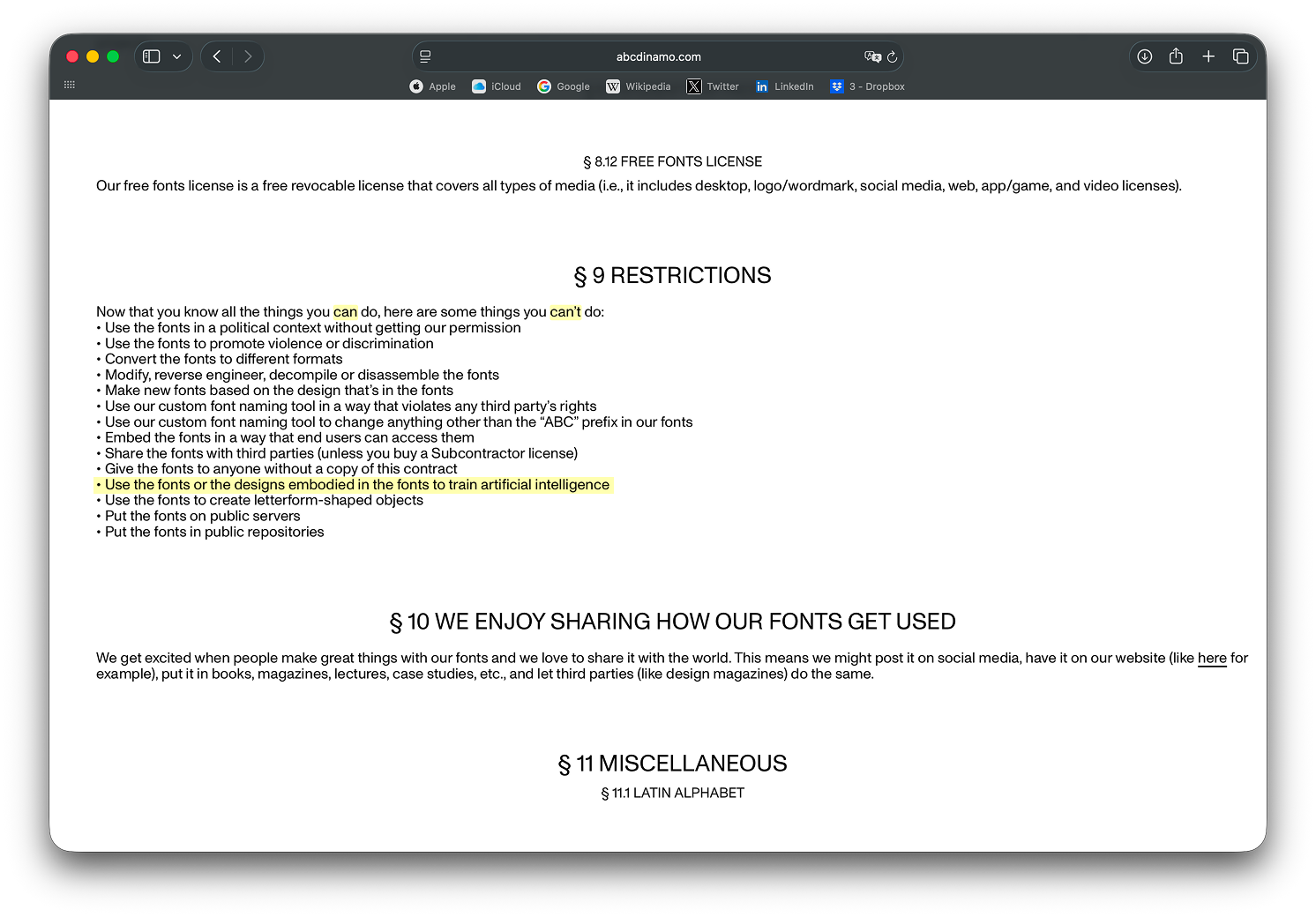 EULA, ABC Dinamo
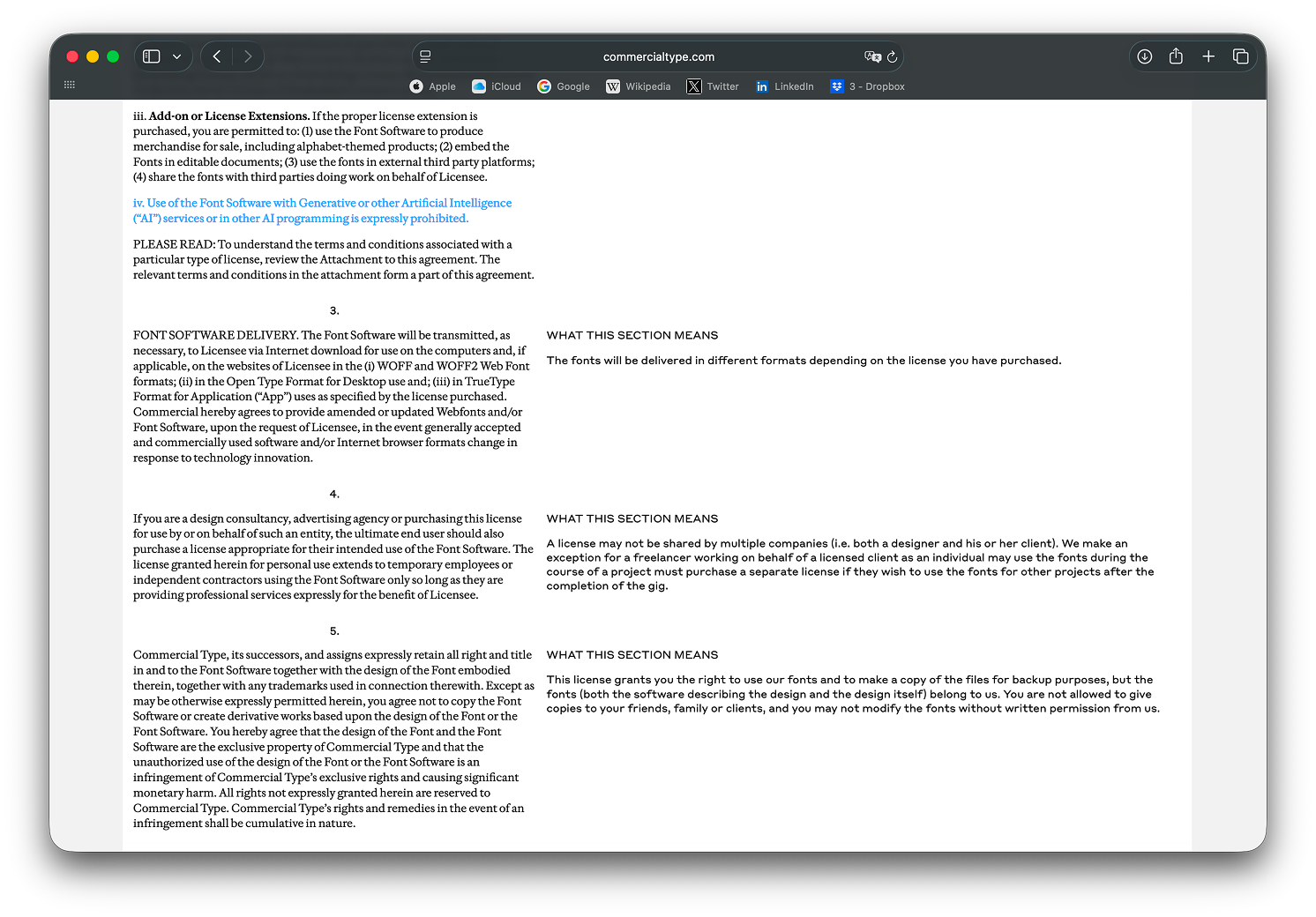 EULA, Commercial Type
AS: Do you plan on adding any AI-related clauses to your licenses?
MM: Ours already states that you cannot train AI models using our font files.
AS: But how will you check whether your fonts have been uploaded?
MM: We won’t. There’s no way to know exactly what data has been fed to an AI model. It’s largely symbolic, a somewhat reputational stance. Though, to be honest, I don’t know how long this provision will remain in our
VZ: Currently, our licenses contain no mention of AI. We do, of course, plan to add something at some point, but I can’t share any details just yet.
The idea of having a separate option for AI training use is a really interesting one. I’m certainly not a designer, and I don’t know how design teams on the client side operate, but AI models are already capable of generating things like packaging. And for AI to generate that packaging, you would need to upload the purchased font into it.
MM: Essentially, yes. But here’s the thing: you can upload a screenshot containing text set in that typeface rather than the font file itself. So what do you do about that? It’s unclear.
Perhaps in the future, the type design community will develop some kind of protection standard, something synth-id-like. But if you introduce an option for using fonts to train AI now, it would look really bad for the foundry. I feel like the type community is more opposed to AI than most other creatives. Most graphic designers have already embraced AI, while type designers seem far more protective when it comes to AI and type. But that’s probably a topic for another conversation.