Adelina Shaidullina: How do you function as a company? Is it similar to a record label?
Sam Berlow: At The Type Founders, we buy the intellectual property from the type designers, so we own the rights to the fonts. At that point, the type designer either stops drawing fonts and retires or continues to create intellectual property, which becomes a new addition to their library. So, in that way, it is not like a record
AS: When a foundry reaches out about joining The Type Founders, what does the evaluation process look like? What would make you say no?
SB: Let’s start with what would make us say yes. If a foundry comes to us saying, ‘I want to sell my intellectual property to you. I want you to handle all the business, legal, marketing, and
We also look at the works in progress and put a value on those as well. Then we look at the genres and categories of those fonts and see how they fit into what we already have in our collection.
We are also making sure the work of the designer is not a direct copy of something else, which, these days, is really hard to tell. So we have to scour the internet and our own memory to see whether this is something that’s already been done.
We’ve added a lot of foundries that everyone knows, like Mark Simonson and Matthew Carter. But we also have some pretty wacky stuff.
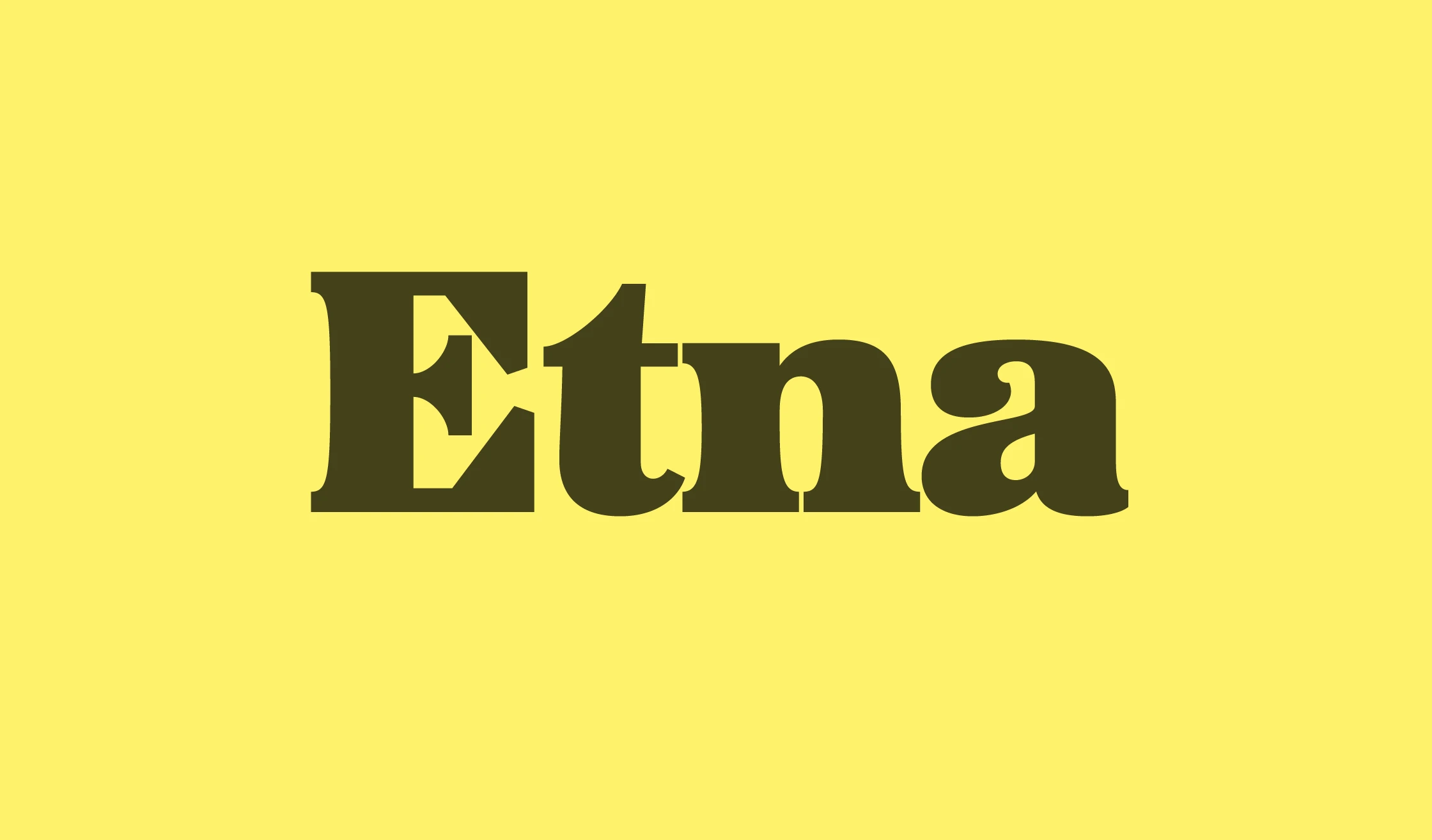
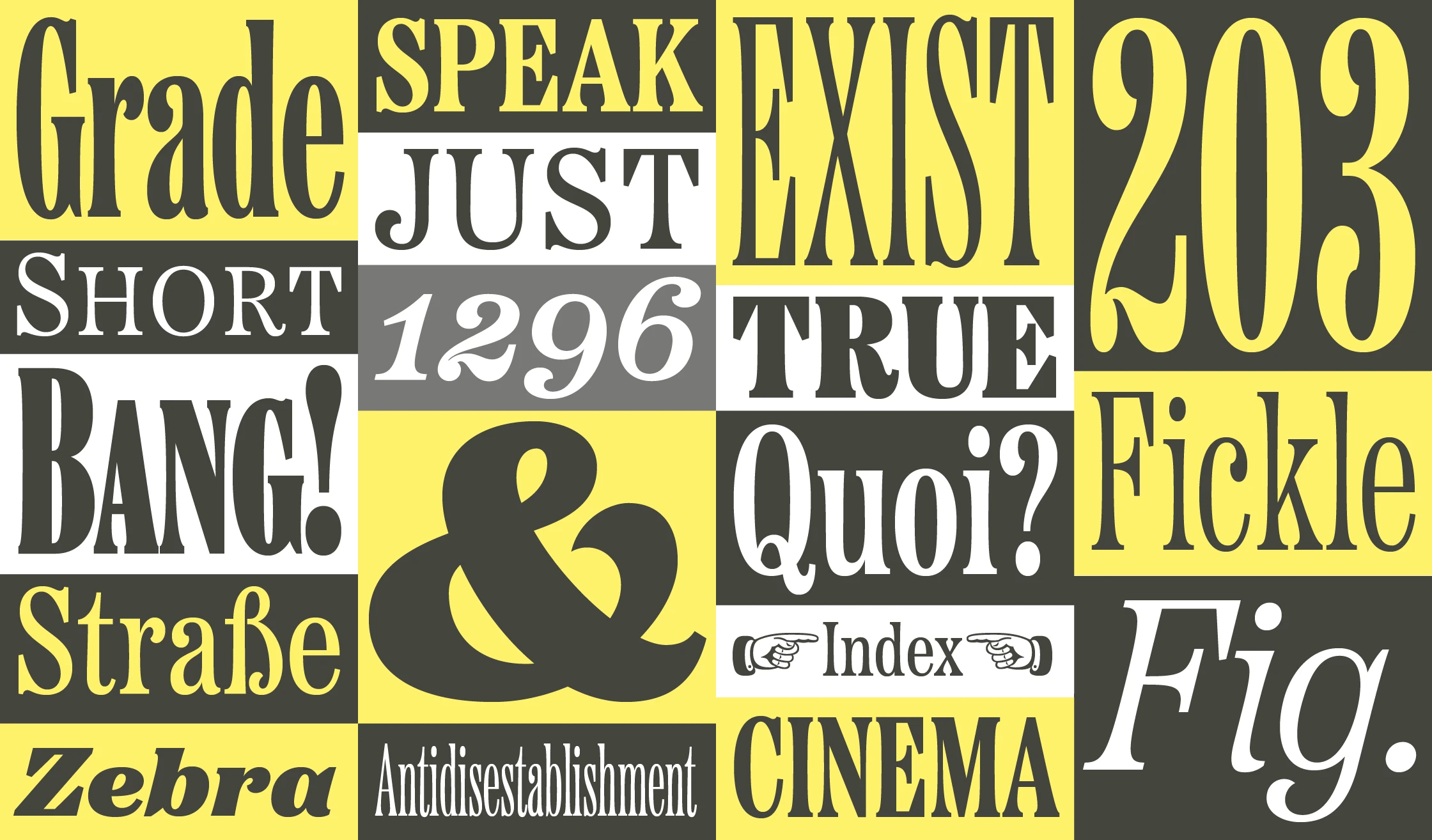
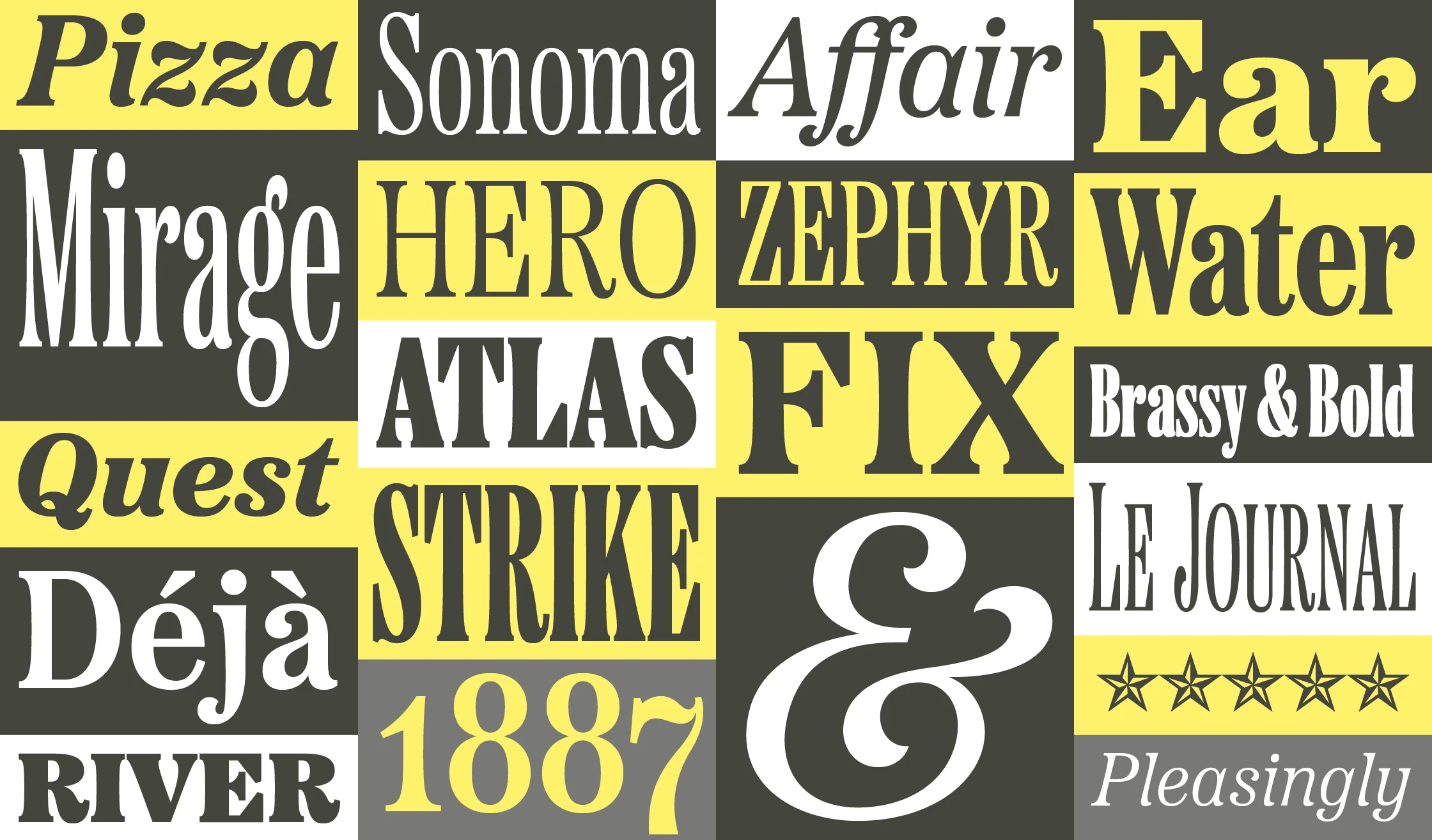
Etna by Mark Simonson
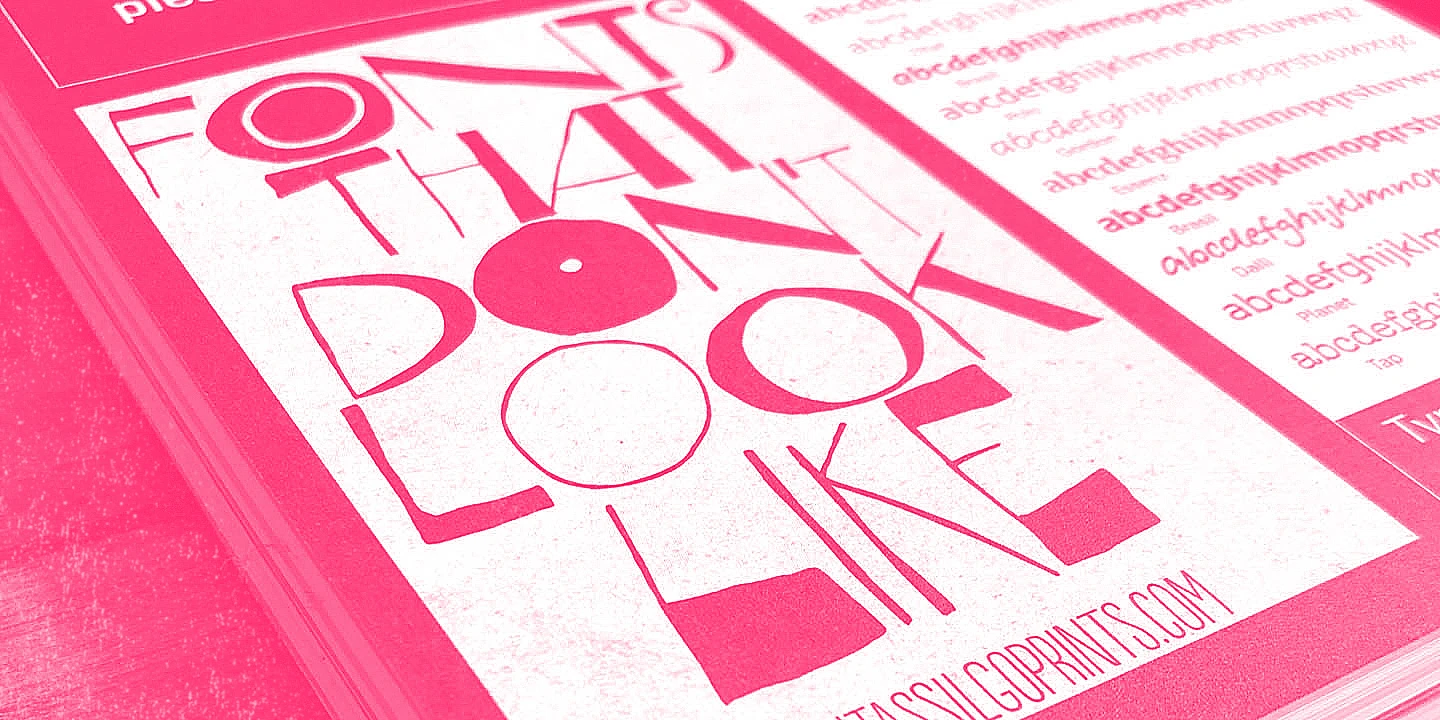
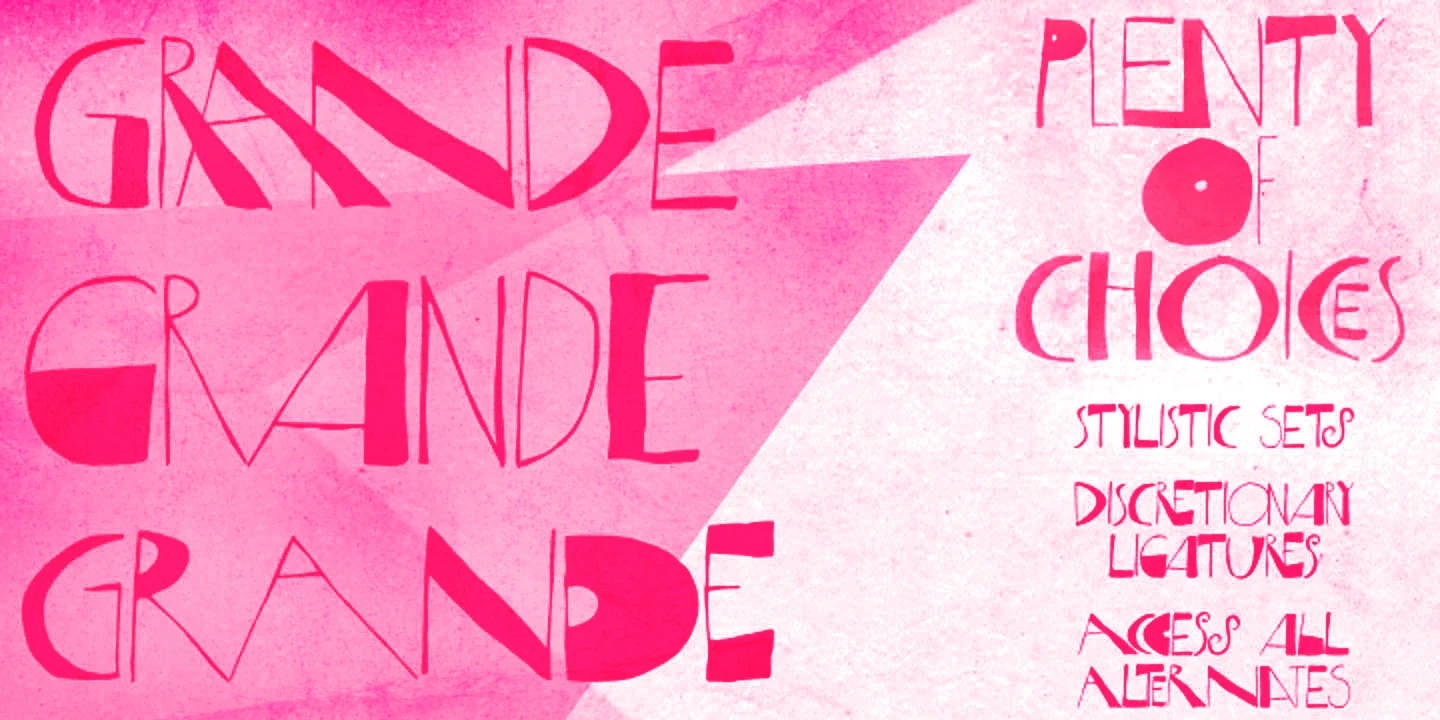
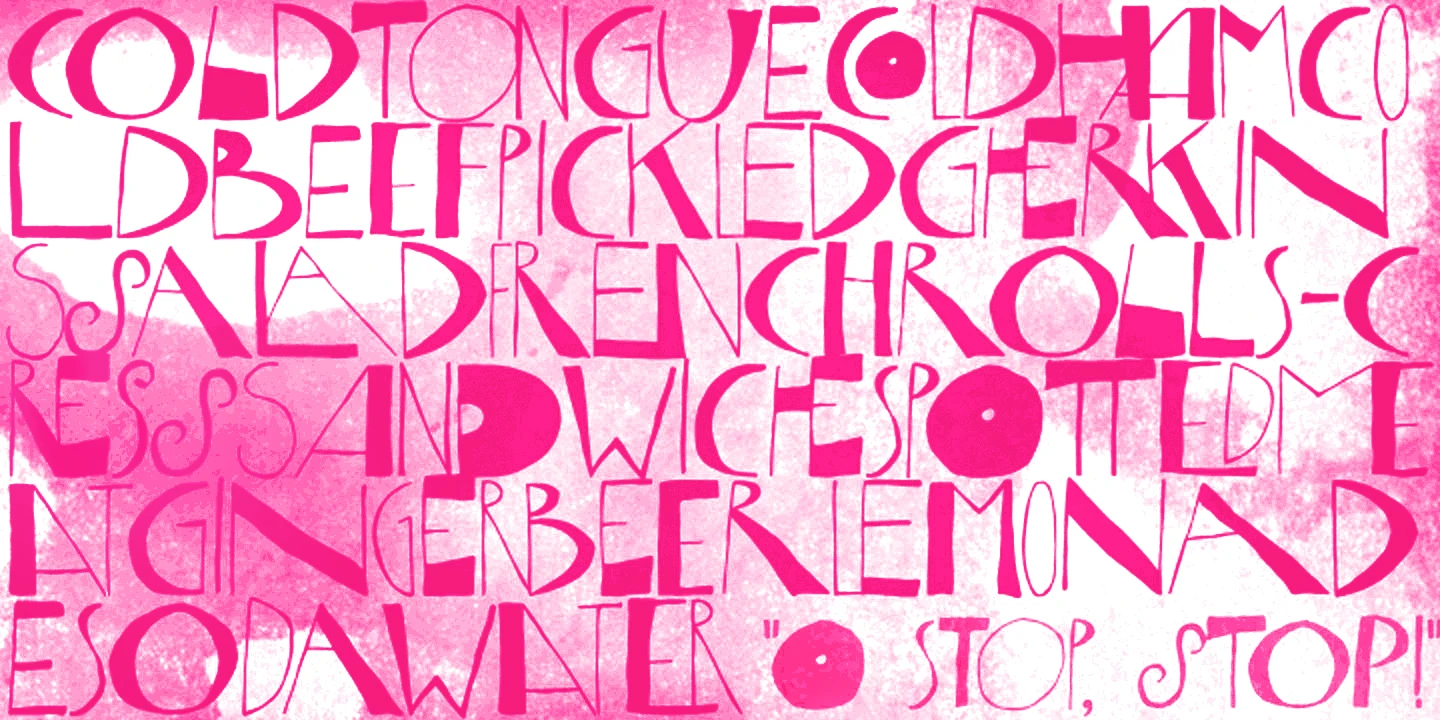
Horst by PintassilgoPrints, a TTF Foundry
AS: Is it important for you to maintain a balance between lesser-known foundries and those that are already well known?
SB: No, there’s no balance. It’s really all about how each library looks and the gaps in it that we have to fill, and how much we love the work. We bring in foundries from all over the world.
AS: Can you describe a typical profile of a foundry that approaches you?
SB: I cannot. There are about 8,500 foundries in the world, and you quadruple that for the number of type designers, as there are a lot of designers that have no foundries or are not associated with foundries. So there really is no target.
AS: Can a foundry potentially buy their intellectual property back from you?
SB: No. The sale is final.
Ilya Ruderman: If you’re holding the IP for a typeface, who’s responsible for its future
SB: One of the first projects we did was expanding Proxima Nova with Arabic, Thai, Devanagari, Hangeul, Hebrew, and Tamil. Mark Simonson had always wanted to do it, but he just didn’t have the bandwidth, or know-how. He was so grateful we could help him get it done.
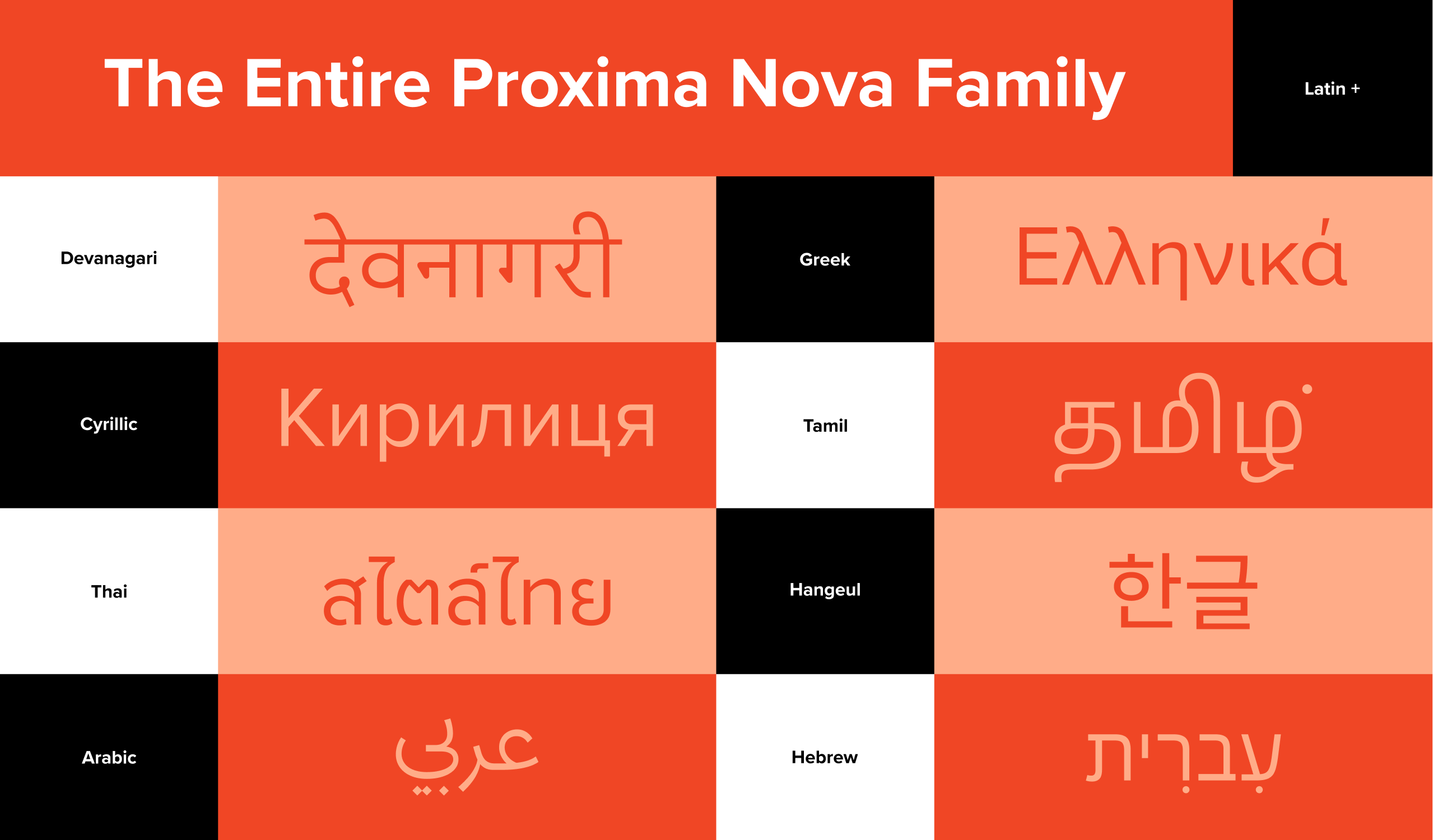

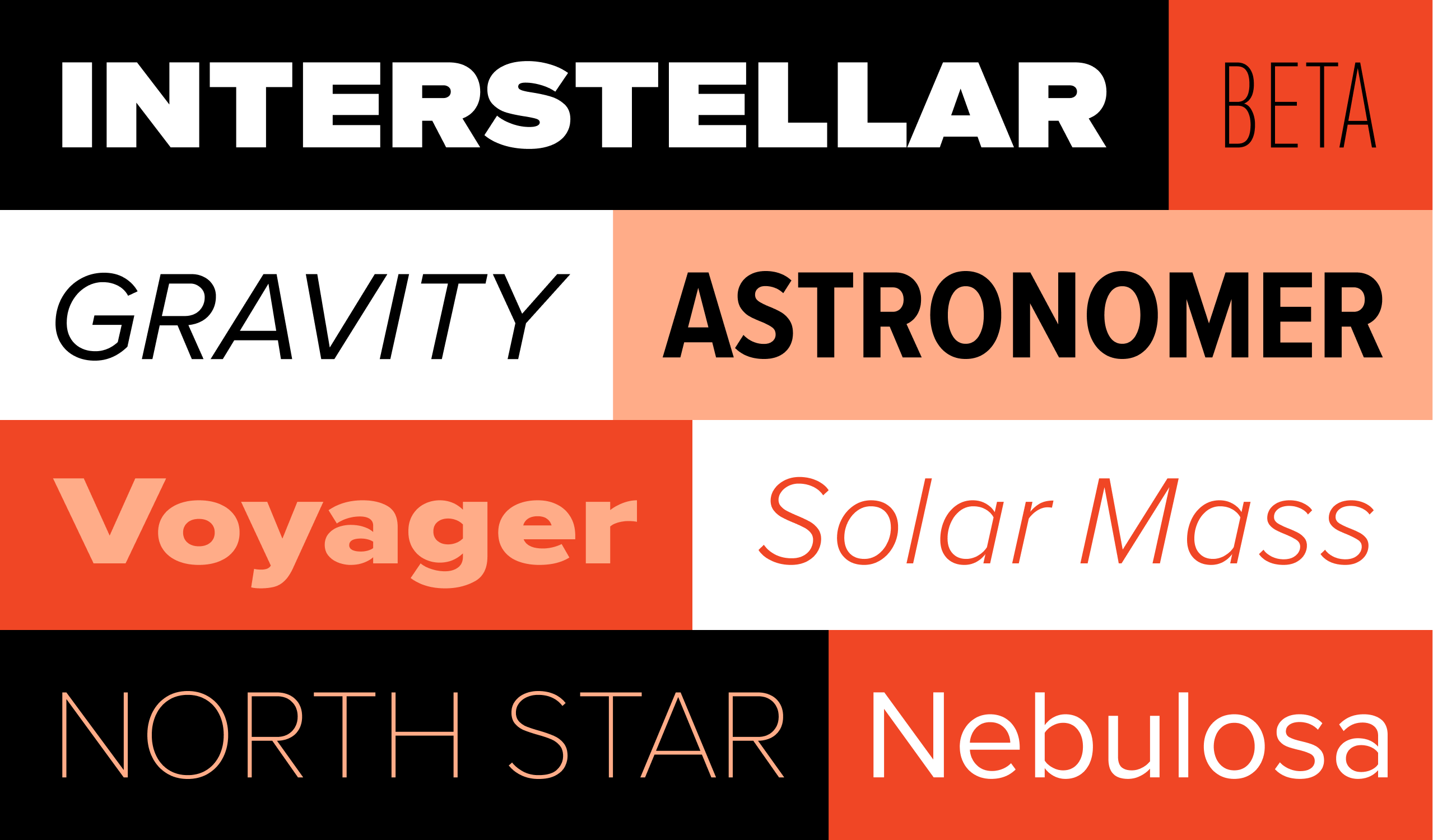
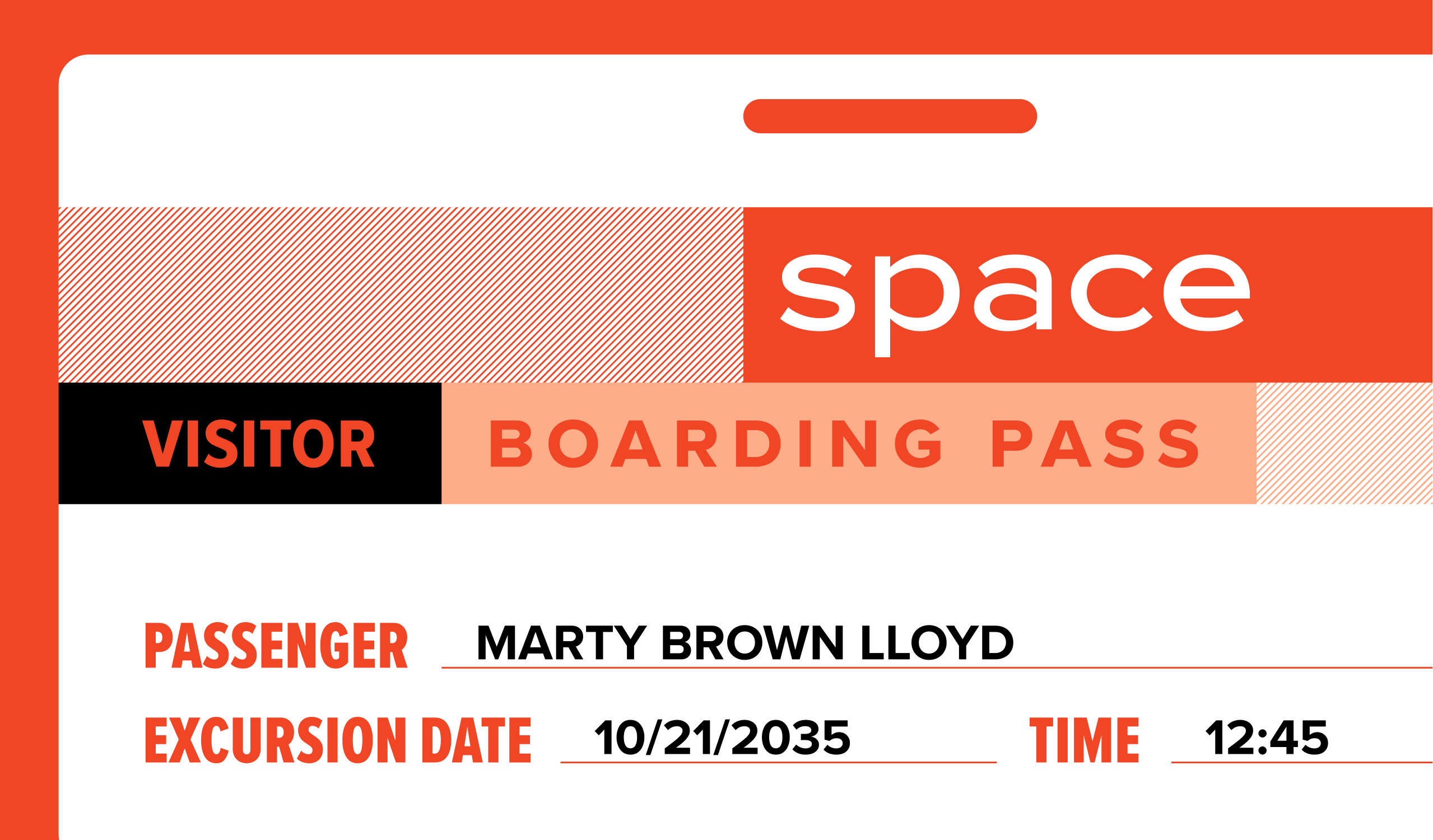
Proxima Nova by Mark Simonson
We’ve done it with Matthew Carter’s typefaces as well. Once we bought them, we expanded them with new weights and widths and also produced many of the typefaces in Carter & Cone bottom drawer: Richmond, Fenway, Caledonia, with more to come.

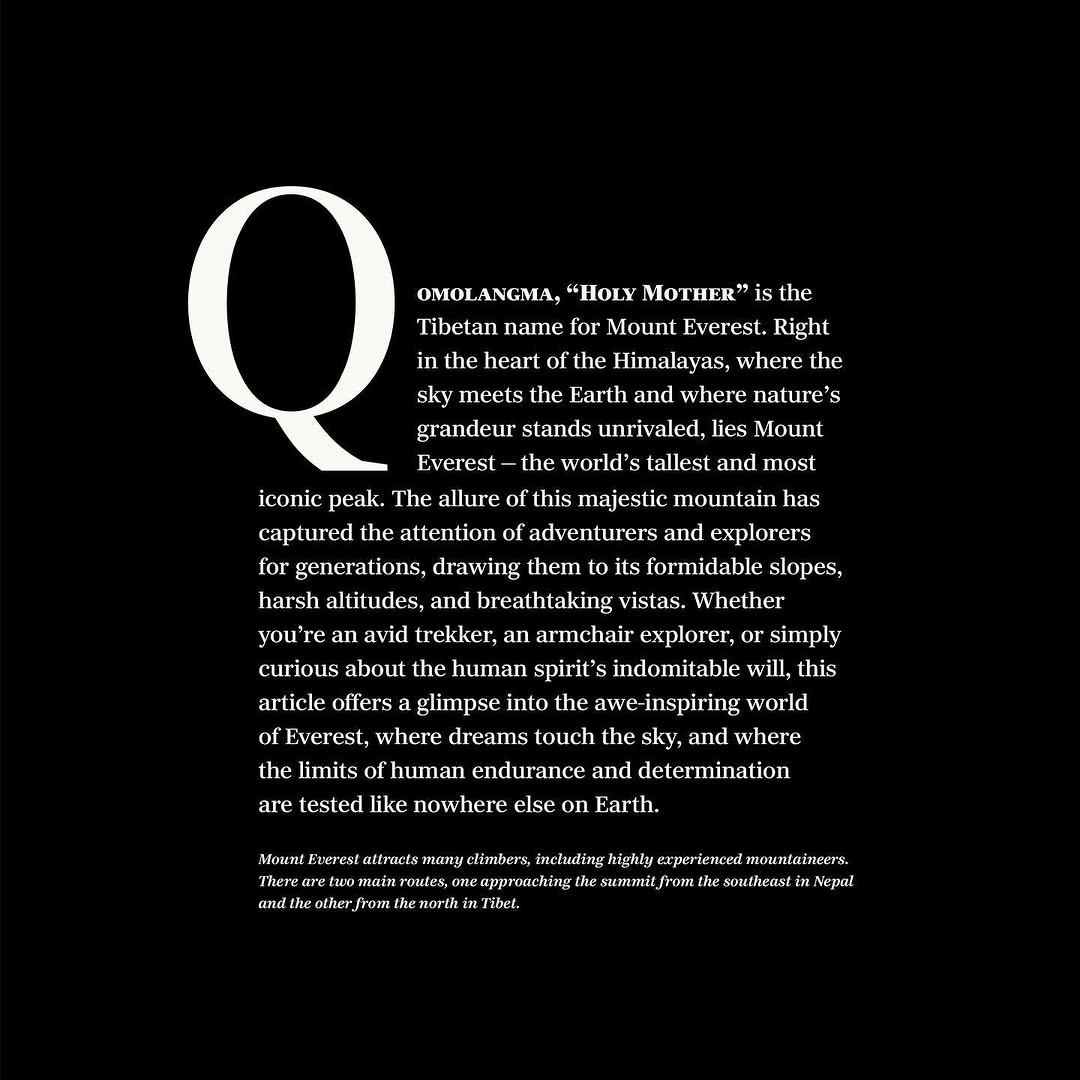
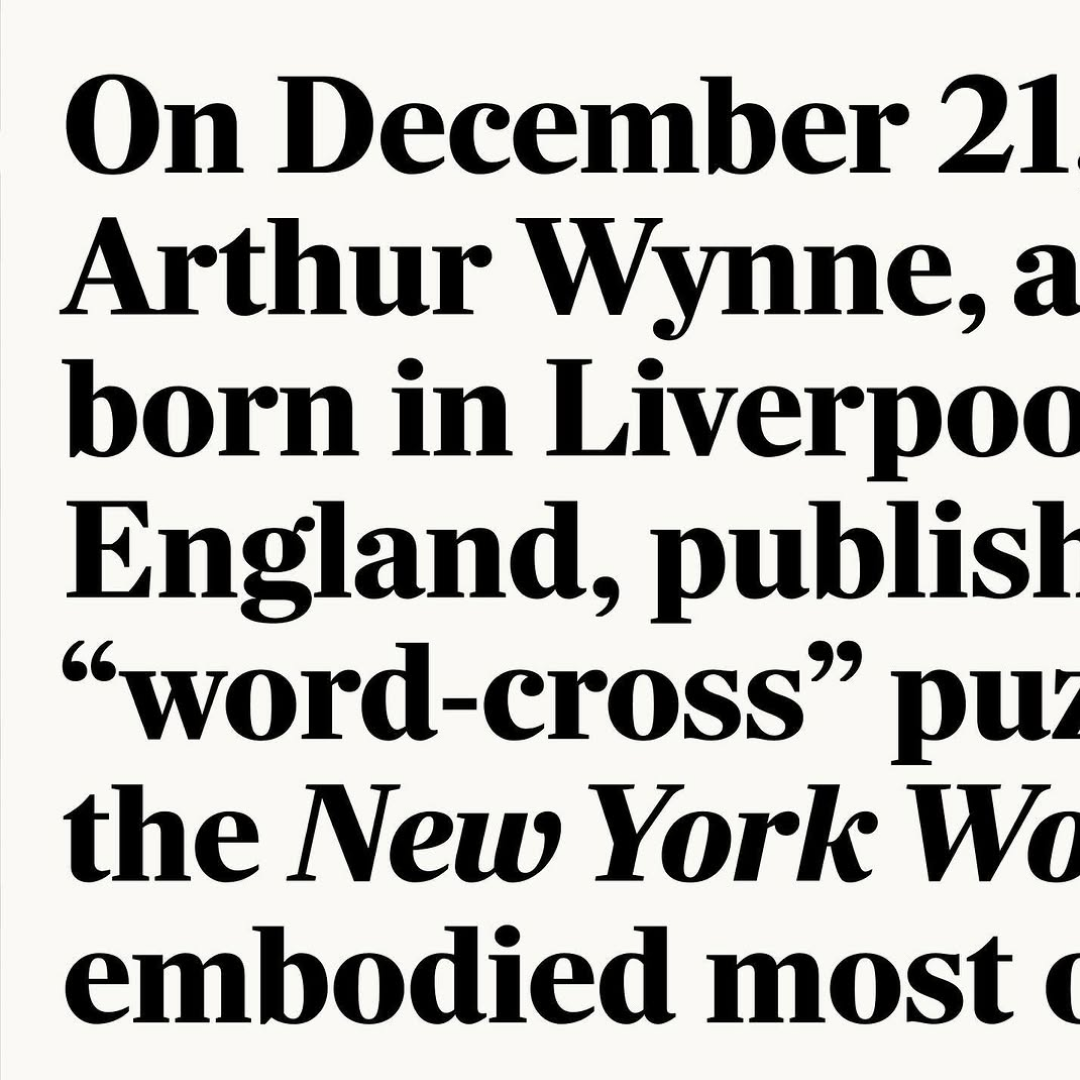
Richmond by Carter & Cone

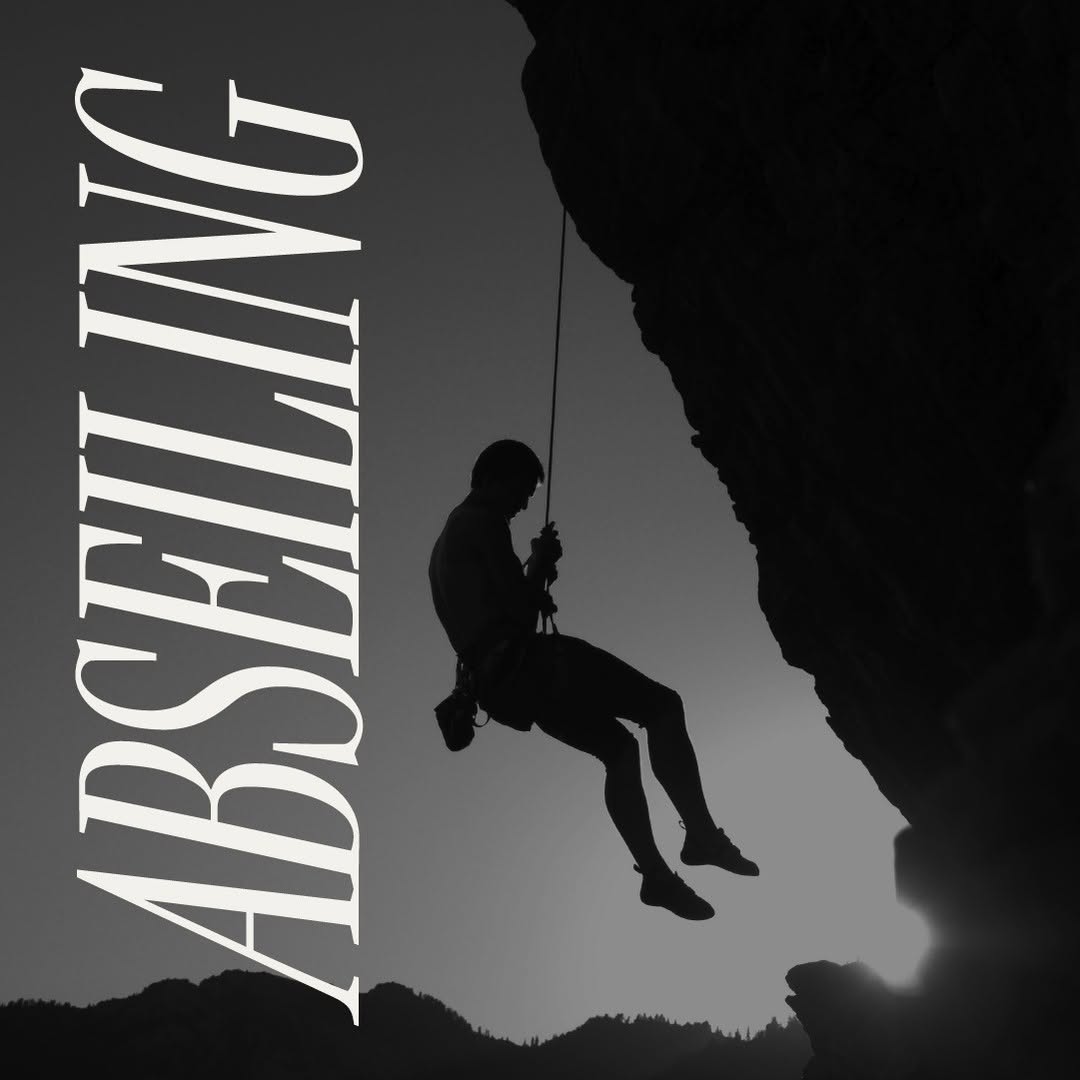
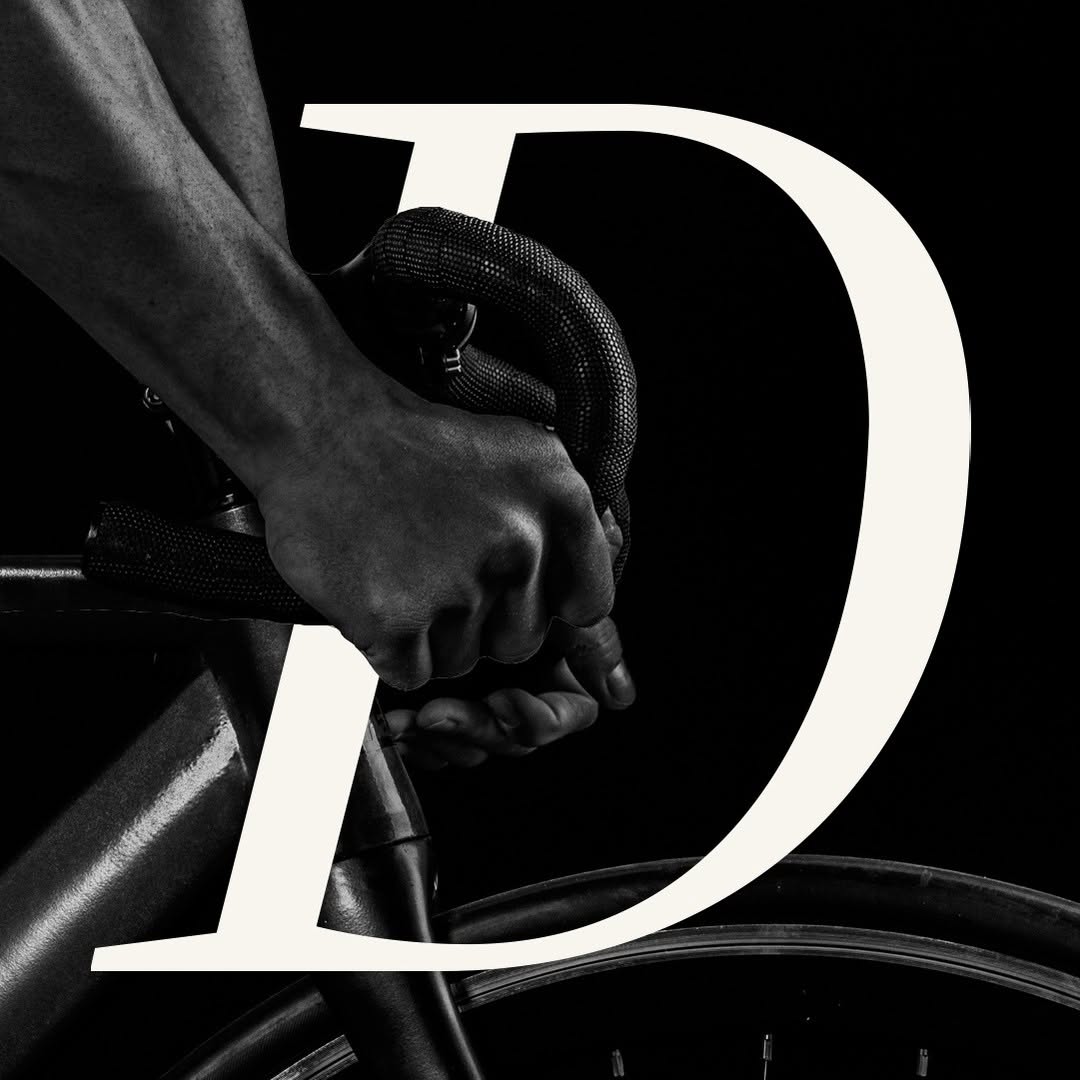
Fenway by Carter & Cone
AS: Does the designer have a say in this process? Can they say, ‘No, this typeface can’t be complemented with an extended version’?
SB: Absolutely. Before we start drawing, we determine what we’re going to do with the typeface, and we work closely with the designer to do that. The nice thing is that the designer doesn’t have to do all that work, so they can play creative director or participate in the drawing process if they want.
AS: How is the royalty distributed between The Type Founders and the author?
SB: That depends on the deal, and each of our 40+ deals is different. All the deals include money upfront, and most receive royalties post-sale for their current typefaces and for typefaces developed post-sale.
AS: Do you market your foundries as individual brands or as a collection?
SB: We develop websites and marketing plans for each foundry. We market them as single foundries, and we have a platform called typographer.api, which serves all of the data and components to the foundry websites and typographer.com, our prototyping platform. It is set up so that people can easily test any of our fonts before licensing.
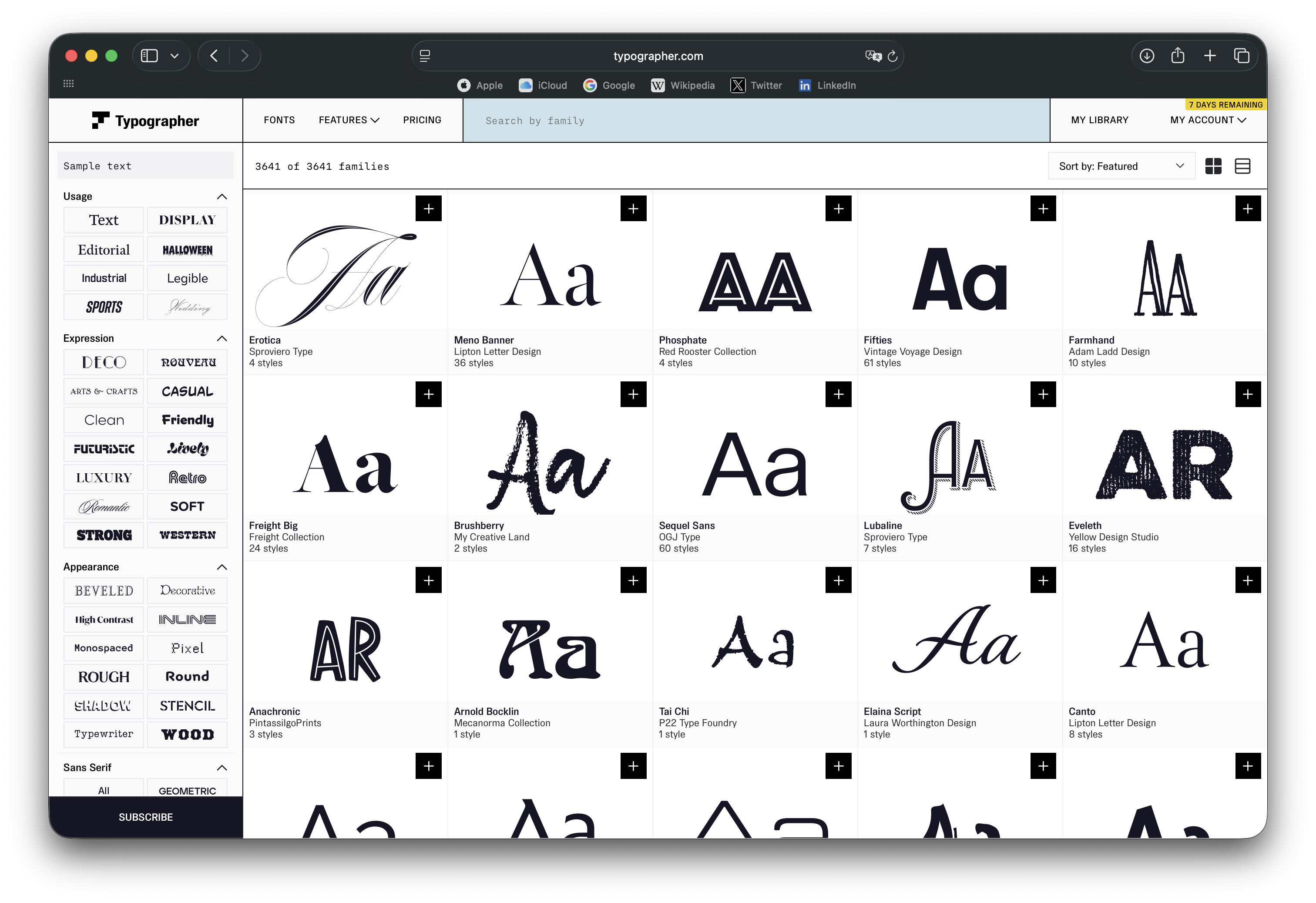
AS: Speaking of Typographer. Why did you feel the industry needed another subscription-based
SB: Well, Typographer is not a subscription for unlimited use. We created it to make it easy to find fonts and to use fonts in the prototyping process because right now there’s Fontstand, there’s Adobe, there’s Monotype Fonts. Adobe is only available to Adobe subscribers, and not everyone is using it.
We created Typographer to make testing fonts accessible to more people, like users on Canva, Affinity, Figma, Procreate, Microsoft
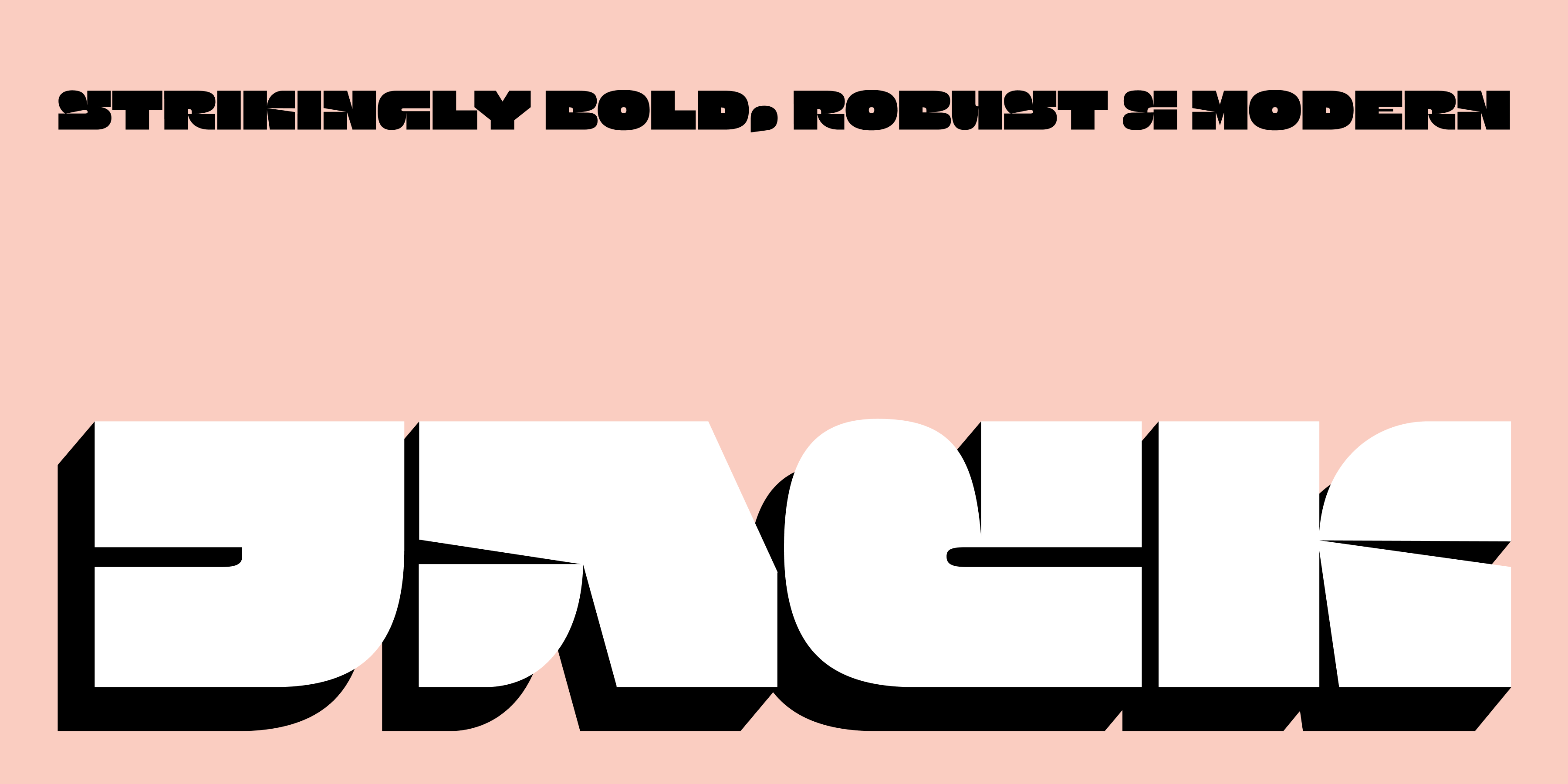
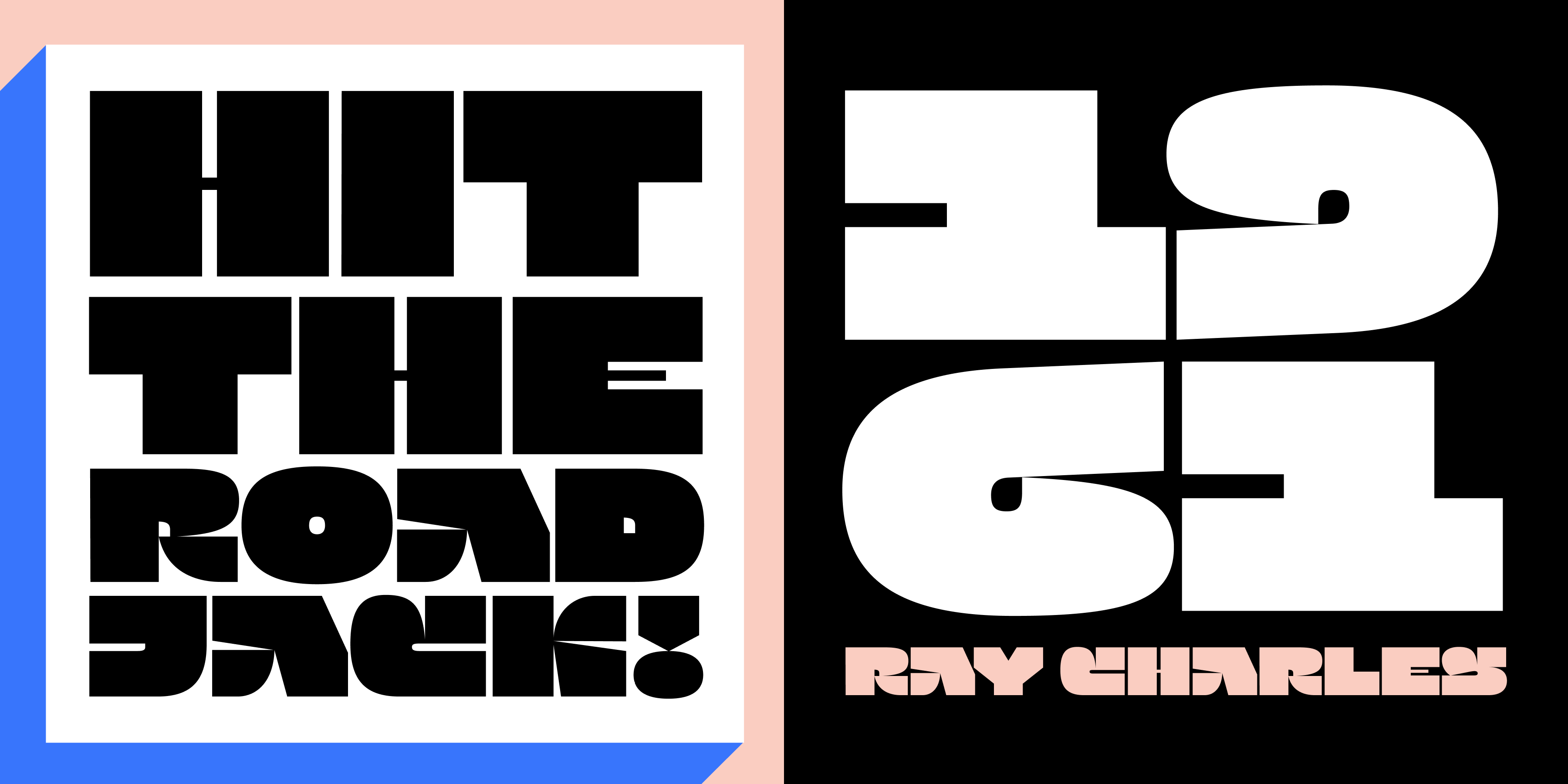
Jack by Black[Foundry], a TTF Foundry
AS: What happens if one needs to license a typeface they liked from Typographer?
SB: We have just added commerce to the platform, so you can license all TTF fonts on Typographer. We’ve tried to make the process less cumbersome and more transparent for designers.
AS: What are your plans for Typographer’s further development?
SB: We have a lot of things planned. We have new family pages coming, new typesetting tools, we’re doing an entire management system where you can manage your typefaces in folders by project, tags, or anything you want.
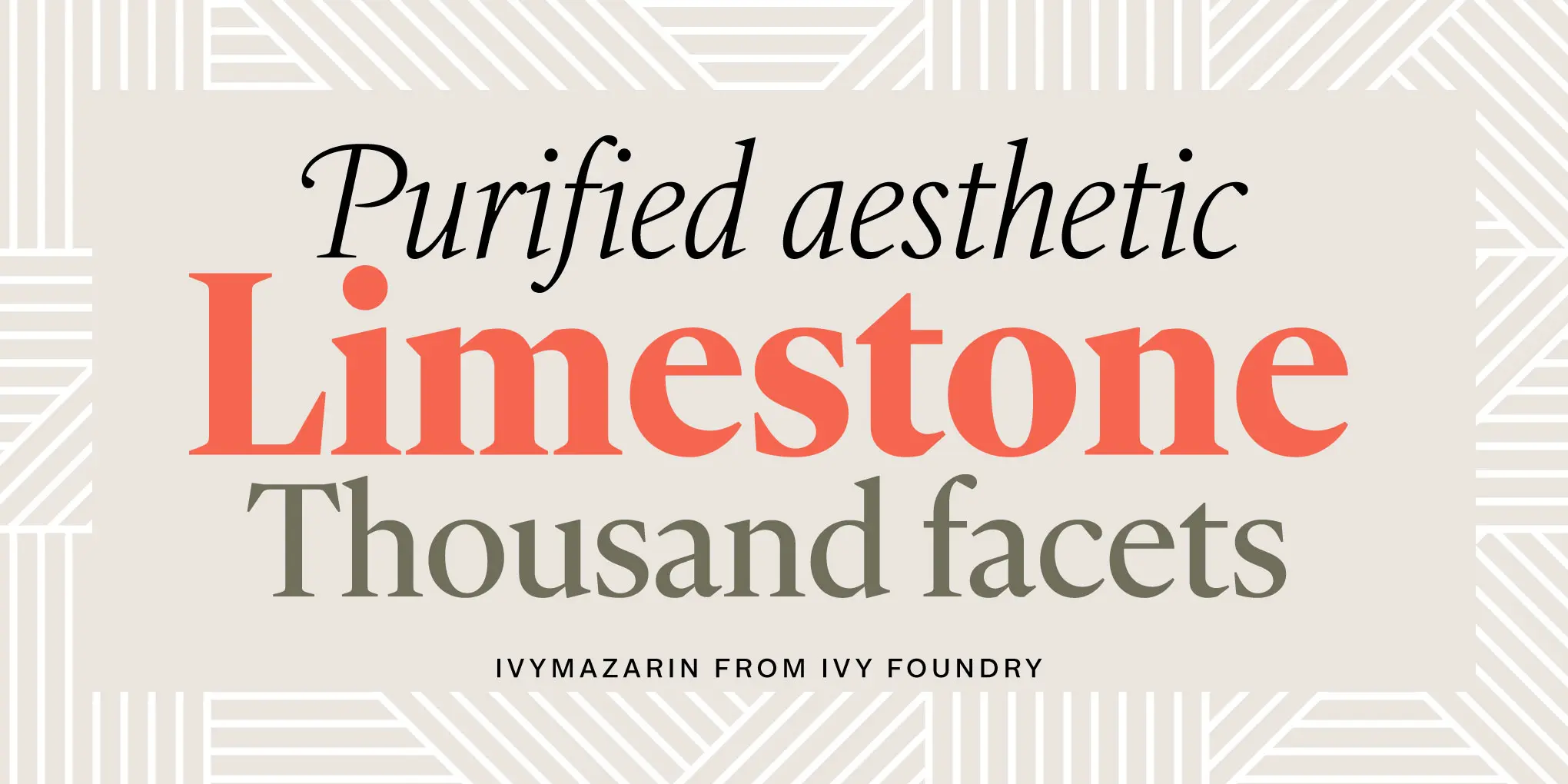
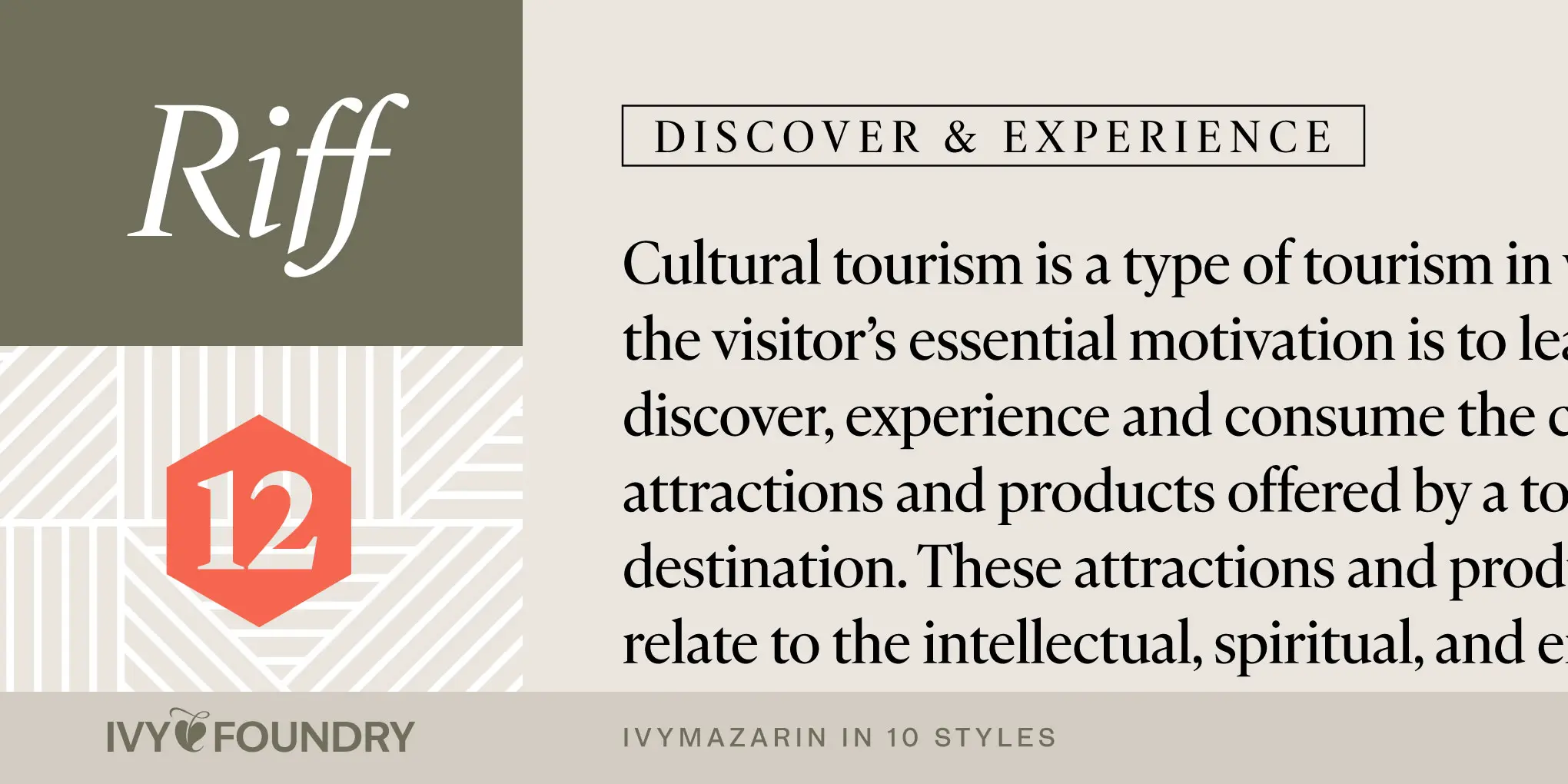
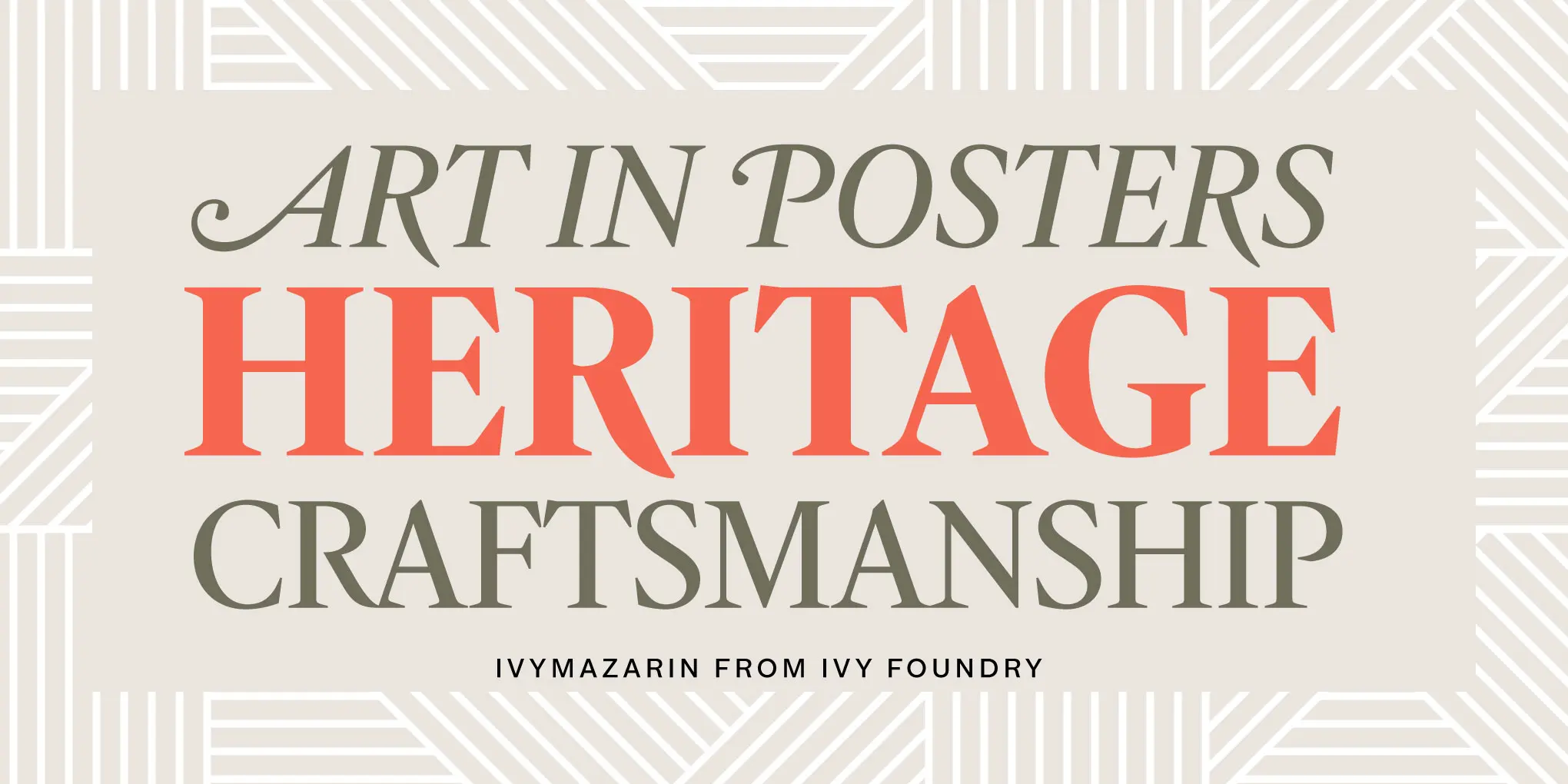
IvyMazarin by Ivy Foundry, a TTF Foundry
AS: Let’s move on to the idea of a type designer’s retirement. Did you do formal research before launching: what are the most common ways type designers support themselves financially after they retire?
SB: First of all, let me ask. Ilya, are you ever going to stop drawing fonts?
IR: Of course not.
SB: I have not met a type designer who wanted to stop drawing fonts. Matthew Carter is still drawing fonts, Mark Simonson just celebrated 50 years of type design. Designers do not want to stop drawing, and we want to enable that.
So retirement is not the end of drawing fonts, but it might be the end of managing the business, talking to distributors, doing the marketing and sales. I don’t know any type designers who like that.
But your question is ‘Did you do formal research before launching’. No formal study, just 30 years of working in the business. At some point, the business will decline if founders are not able to maintain the incoming calls, emails, inquiries, website updates, e-commerce, marketing materials, email newsletters, font data updates, not to mention making new fonts.
How founders support themselves after they retire depends on the retirement planning process and, obviously, the country you live in. If you live in Norway, Ireland, Switzerland, Iceland, Denmark, or the Netherlands, you will most likely have a better pension than here in the US.
![23]
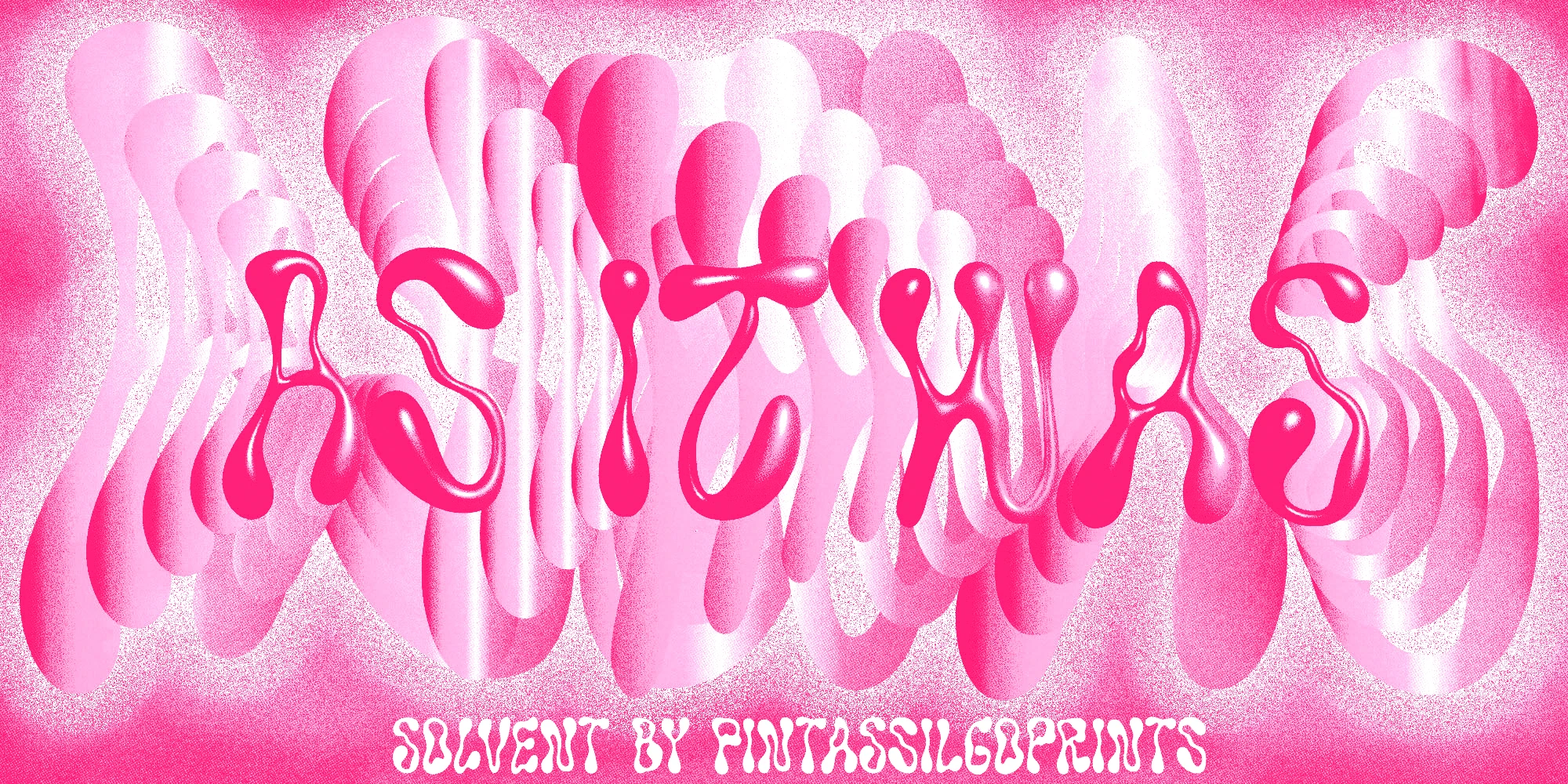
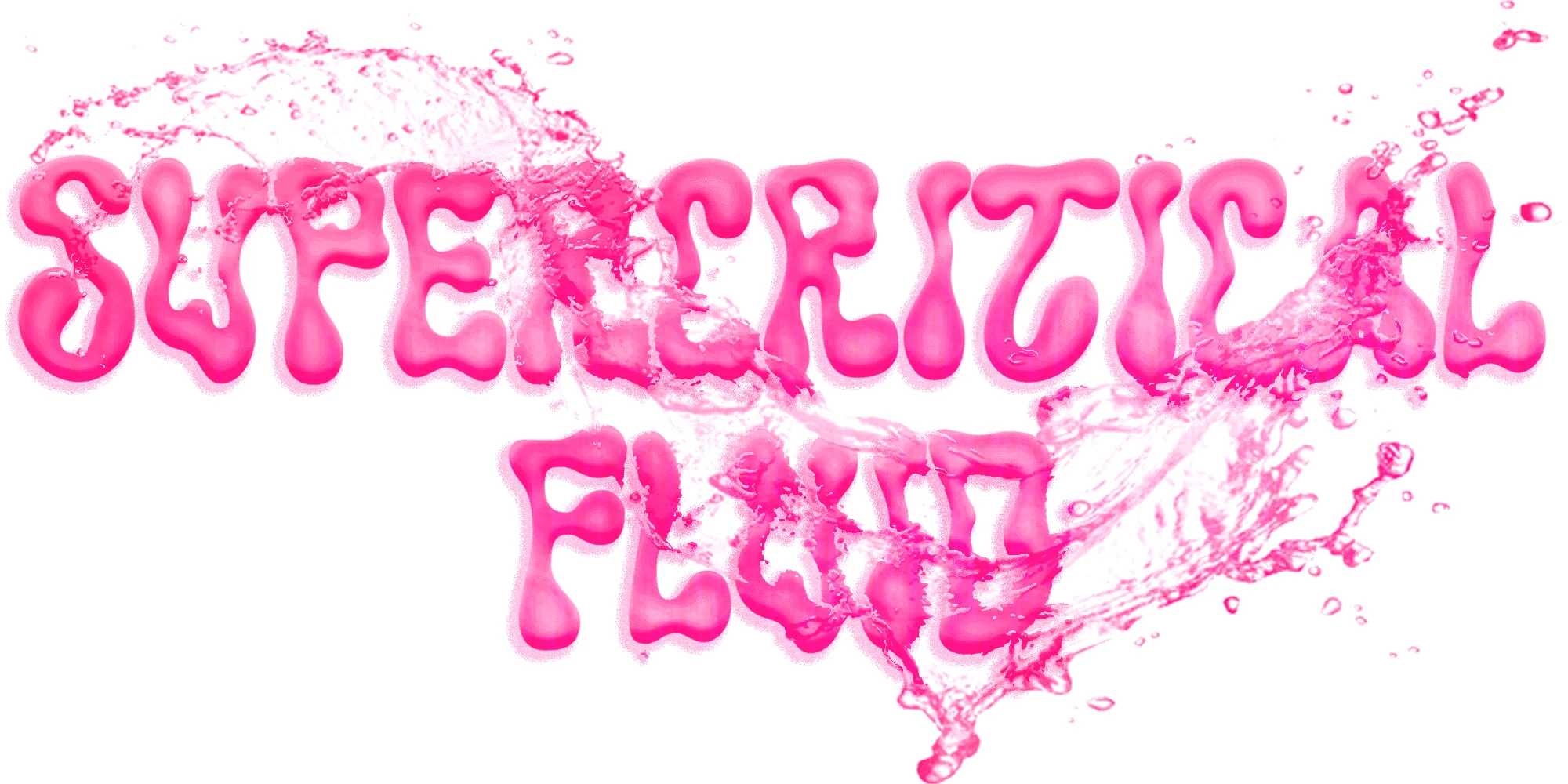
Solvent by PintassilgoPrints, a TTF Foundry
AS: Isn’t it a bit unhealthy that type designers are too tied to their craft?
SB: I don’t think so. I don’t want to compare type designers to artists or carpenters, but I think that people who do woodworking continue to build things on and
But getting back to retirement. When we started this, the designers were thinking: how am I going to stop running this business and still get paid for my intellectual property? And the only real option was to sell to Monotype. So our idea was to come up with a different kind of plan, where you could sell your
IR: What are your plans for the business? Are you going to keep it forever, or sell it?
SB: Our investors, including our management team, are very interested in the long term, and I’m obviously very interested in the long term, too. We are building slowly, not rushing into deals and hiring and firing for short-term profit or resale.

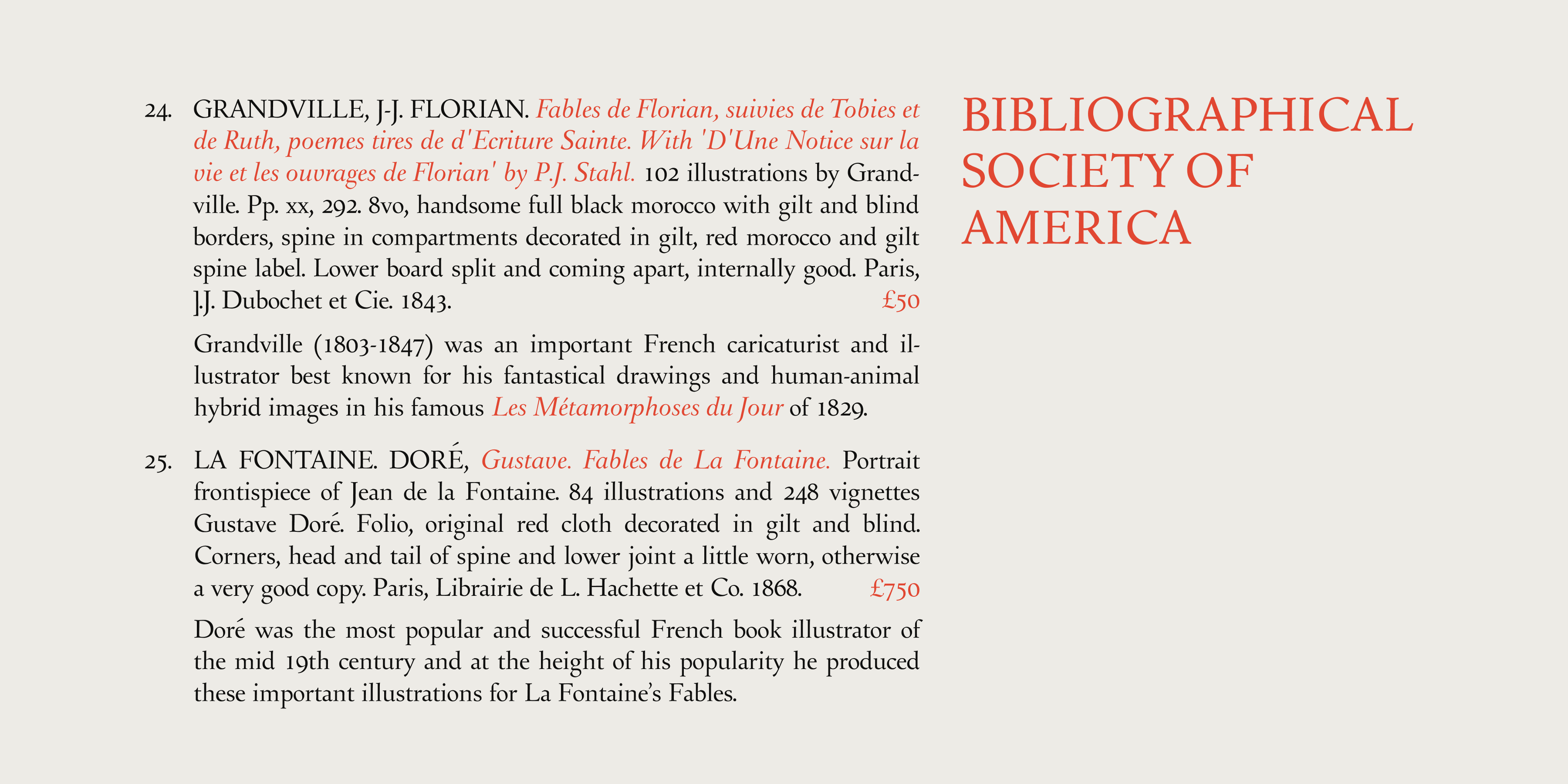
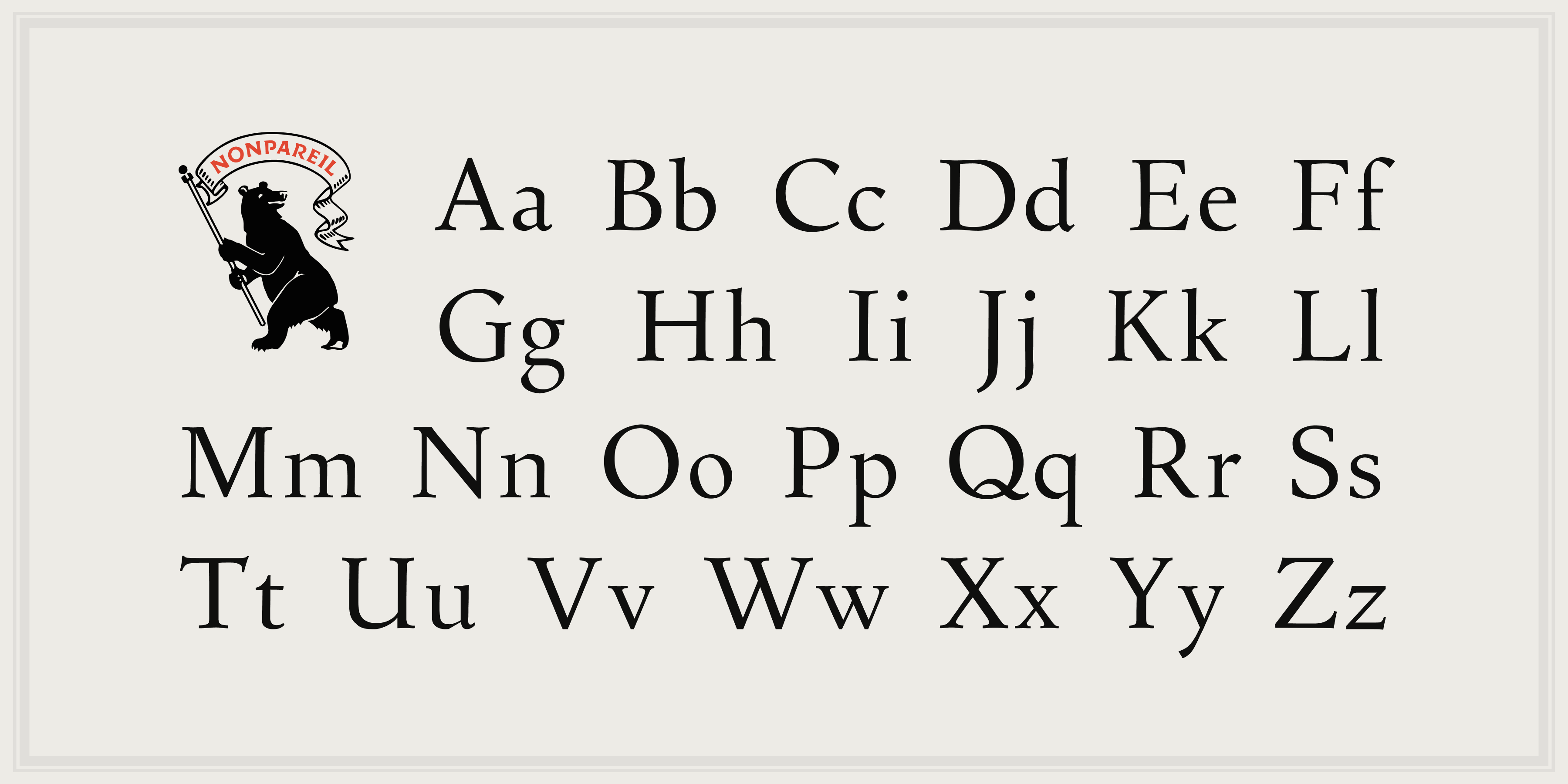
Emerson by Nonpareil Type, a TTF Foundry
IR: Will you theoretically sell to Monotype?
SB: I would protest that.
IR: If designers are choosing you as an alternative to Monotype, is it written into the contract that you would not sell your collection to Monotype?
SB: There’s nothing that prevents it legally. Theoretically, anything is possible. But it’s not what we want. If you look at our company and what we do with and for the type designers we’ve worked with, you can get an idea of where we’re headed: to create a large library of fonts, a place where people can park their intellectual property, continue to draw, and actually see that their brand is still alive and thriving.
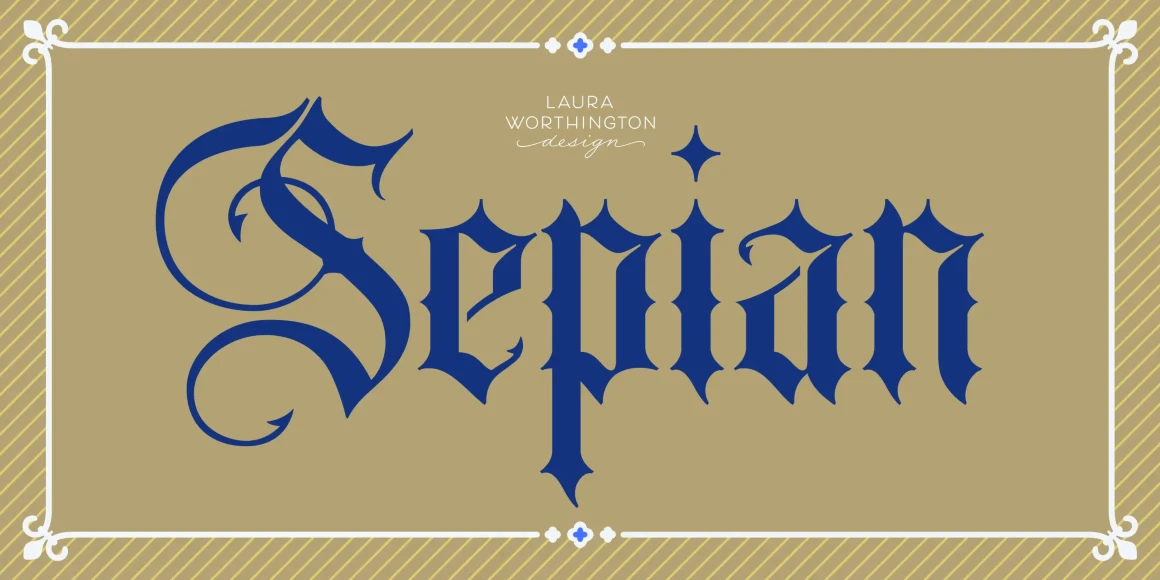
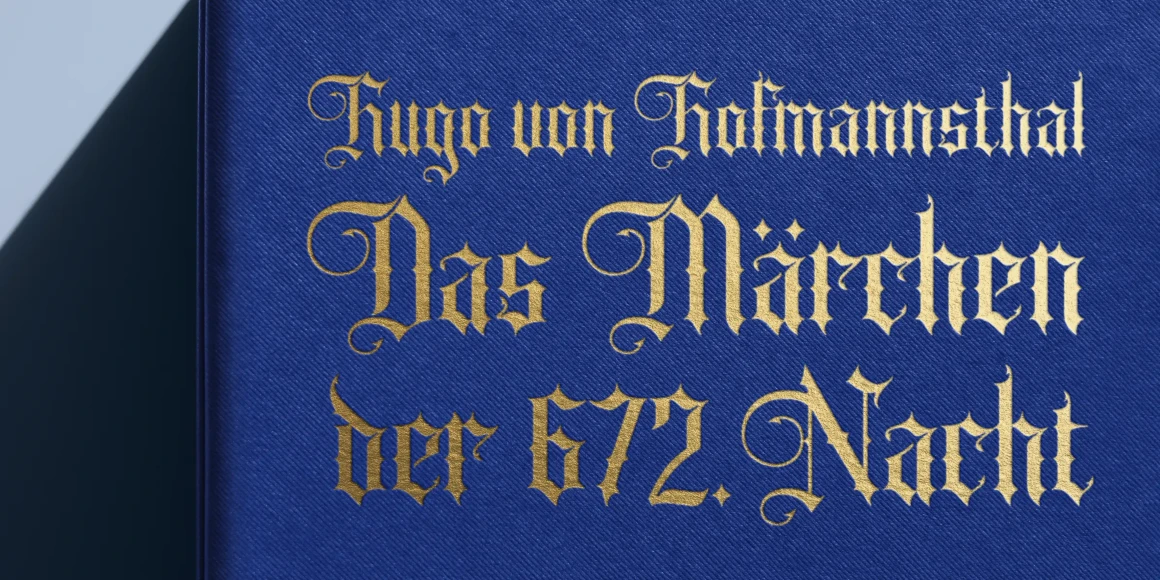
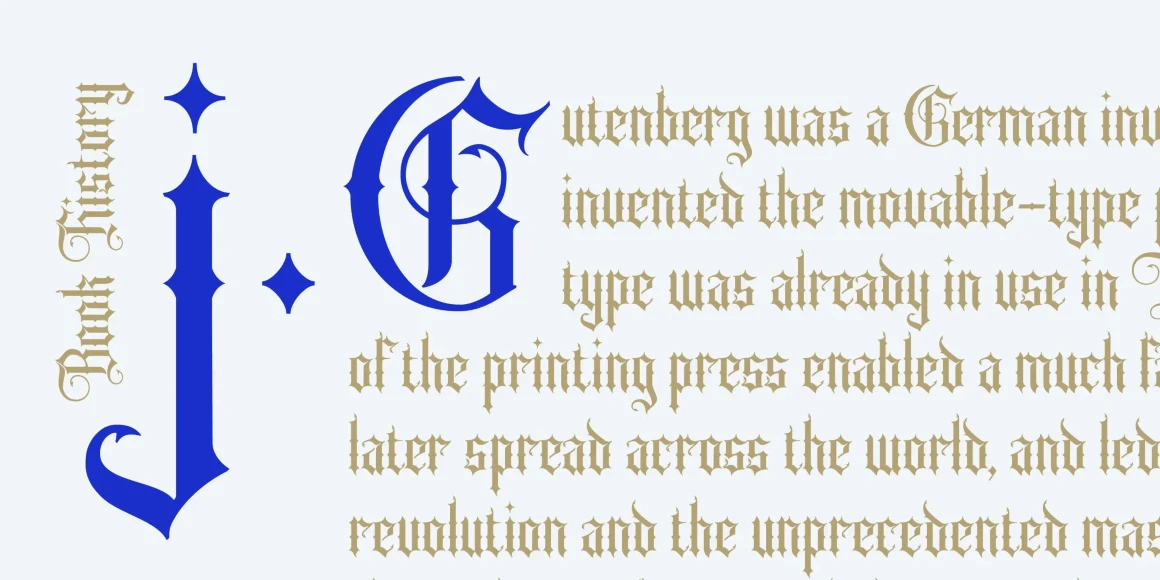
Sepian by Laura Worthington Design, a TTF Foundry
IR: Getting older and having you there looks promising. That gives hope that one day I can stop worrying about some of the business stuff.
SB: That’s our
AS: Speaking of Ilya’s
SB: Most of the time, we’re just buying the intellectual property and then working out a long-term deal with the designer, who can then continue to work and receive royalties.
We do hire people, but not too often. We’ve got a good crew of marketers, sales folks, and a slew of talented engineers and web designers. But honestly, most foundries only have one employee.
AS: What happens if a type designer dies, do their successors continue receiving the royalties?
SB: That’s obviously up to their estate and how they set up their trust.
AS: Is there a ceiling on how many foundries you plan to bring in?
SB: No. I’m very
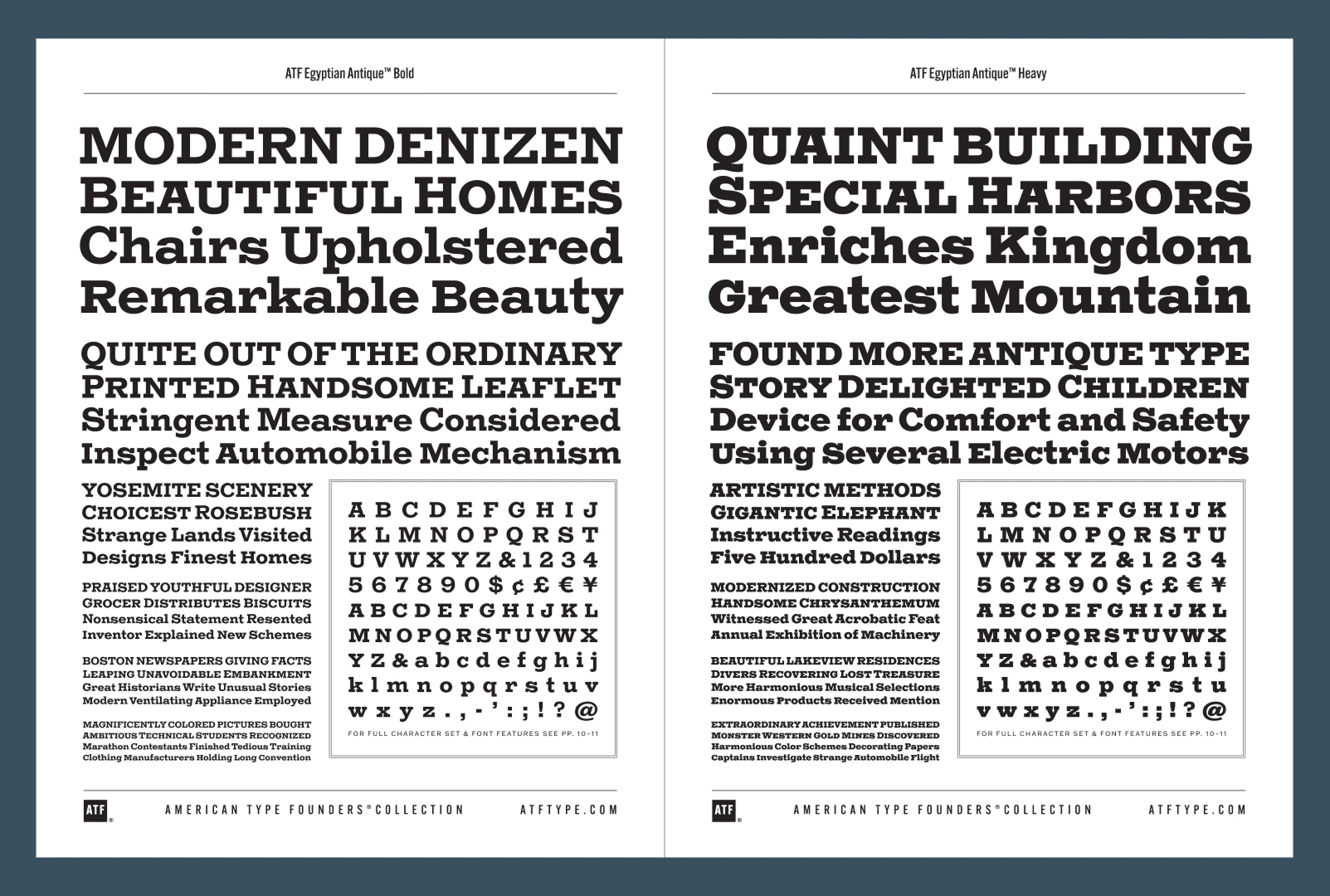
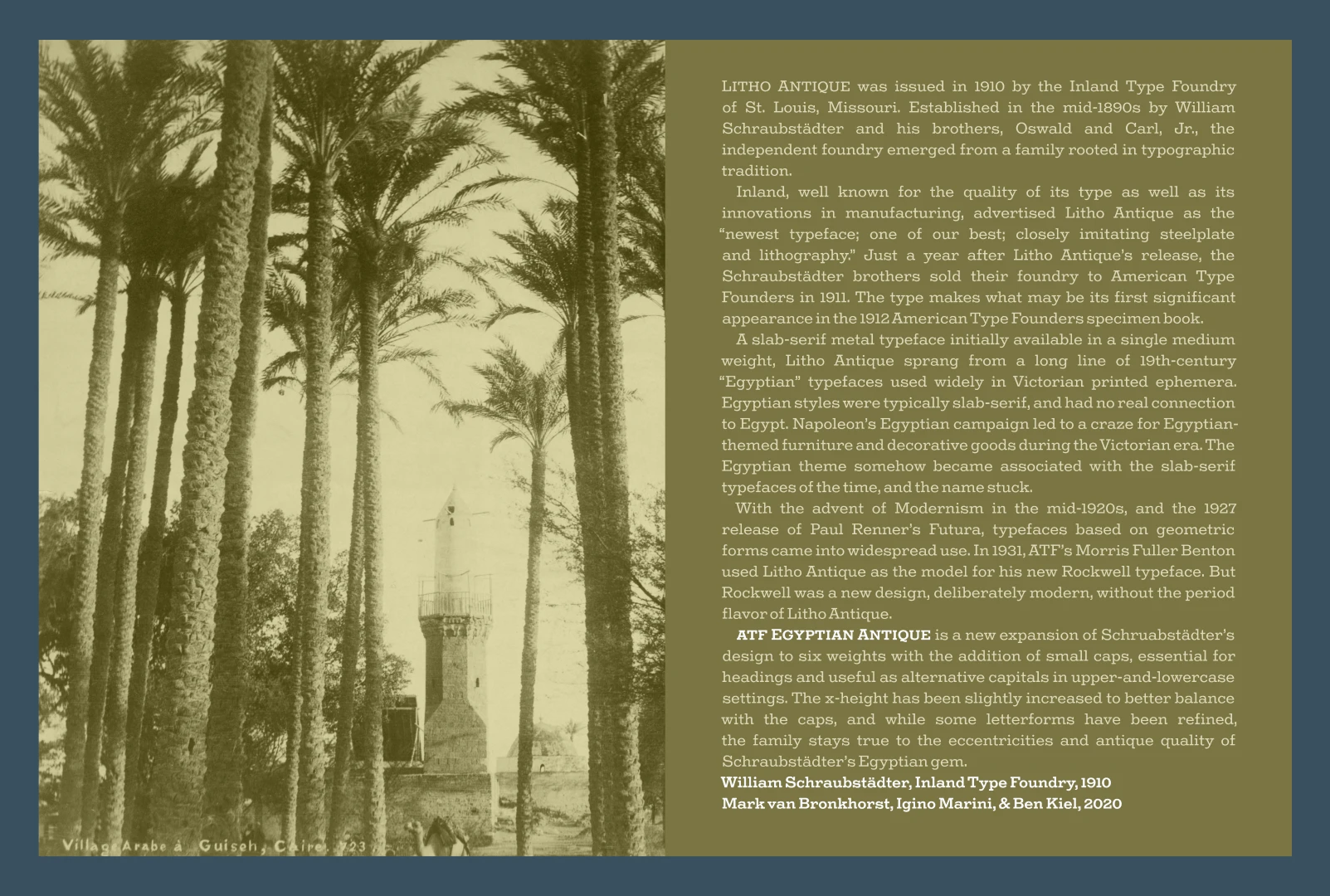
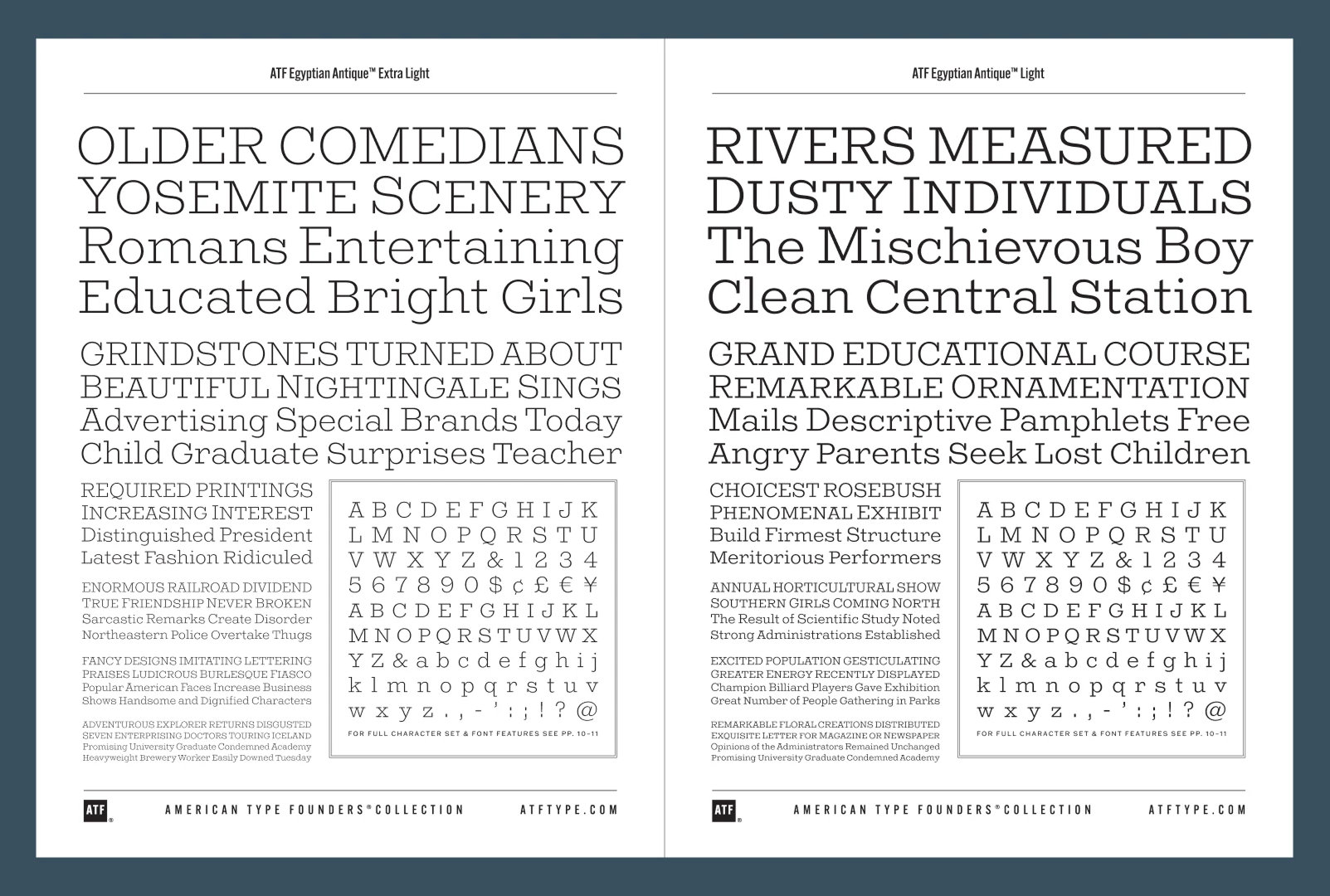
Egyptian Antique Fonts by American Type Founders from The American Type Founders® Collection developed at The Type Founders
IR: Having 40 different contracts is completely different from our experience, since we have a standard contract for all our partners. Can you summarise the experience of carrying out 40 different negotiations?
SB: Let me take you through the process. Let’s say we’re interested in buying your
Before that, we’ll go through your current sales and put a value on your intellectual property. You can sell it outright and then continue to make new fonts for your library. Or you can take less money upfront and have a royalty percentage, so that as we grow your foundry, you benefit from that growth. And as you make new fonts and add them in, you receive income from those as well.
You can choose all sorts of variations.
AS: What about social
SB: We normally take over the social media accounts, but some of the designers feel connected to their followers and want to keep that connection going. We always take over the website, we convert the website to our backend and commerce system, but the website’s design wouldn’t change too
We would also put those fonts on typographer.com platform and work with Adobe to get the fonts into their collection.
After we present all this to the designer, we’d look at the finances together.
We obviously
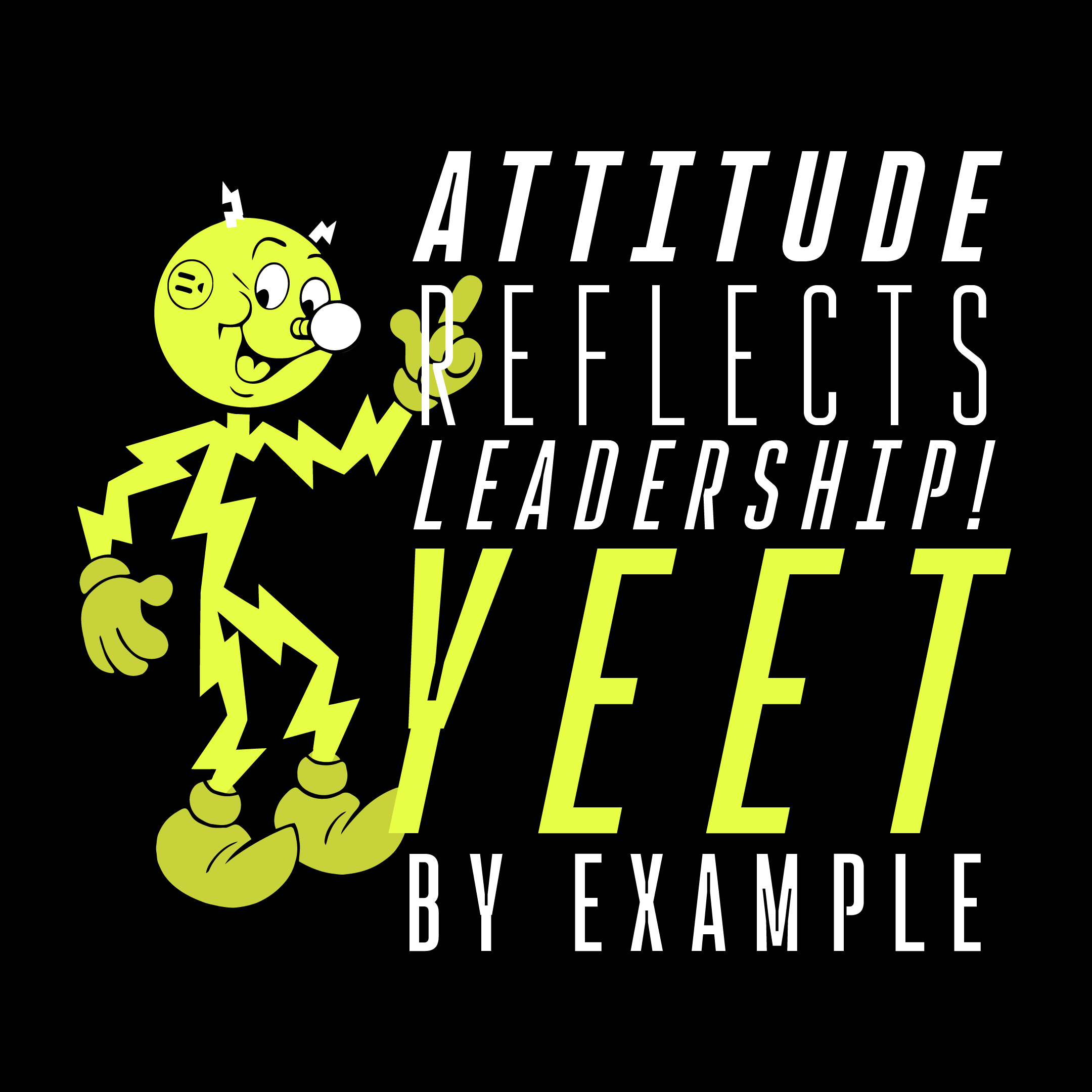
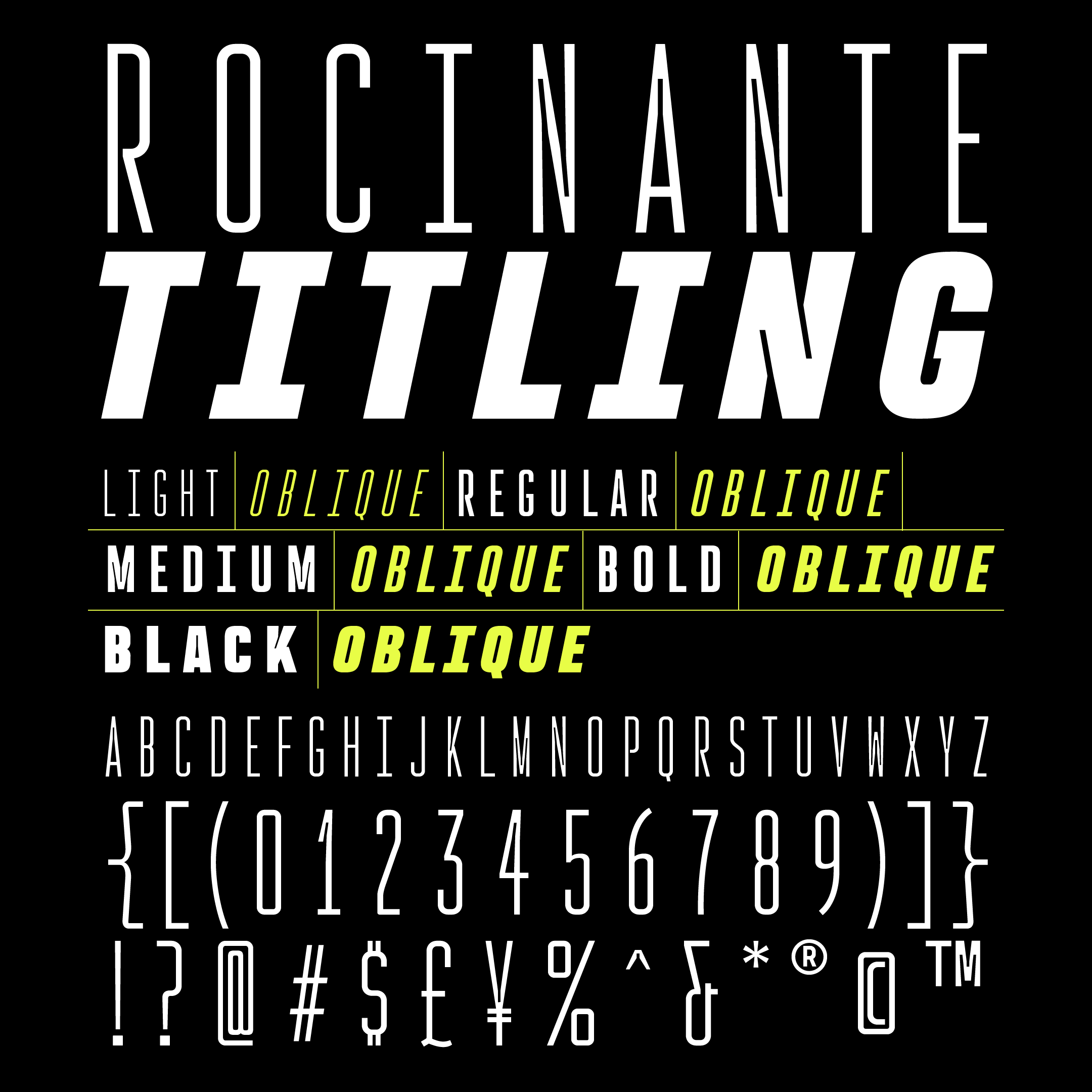
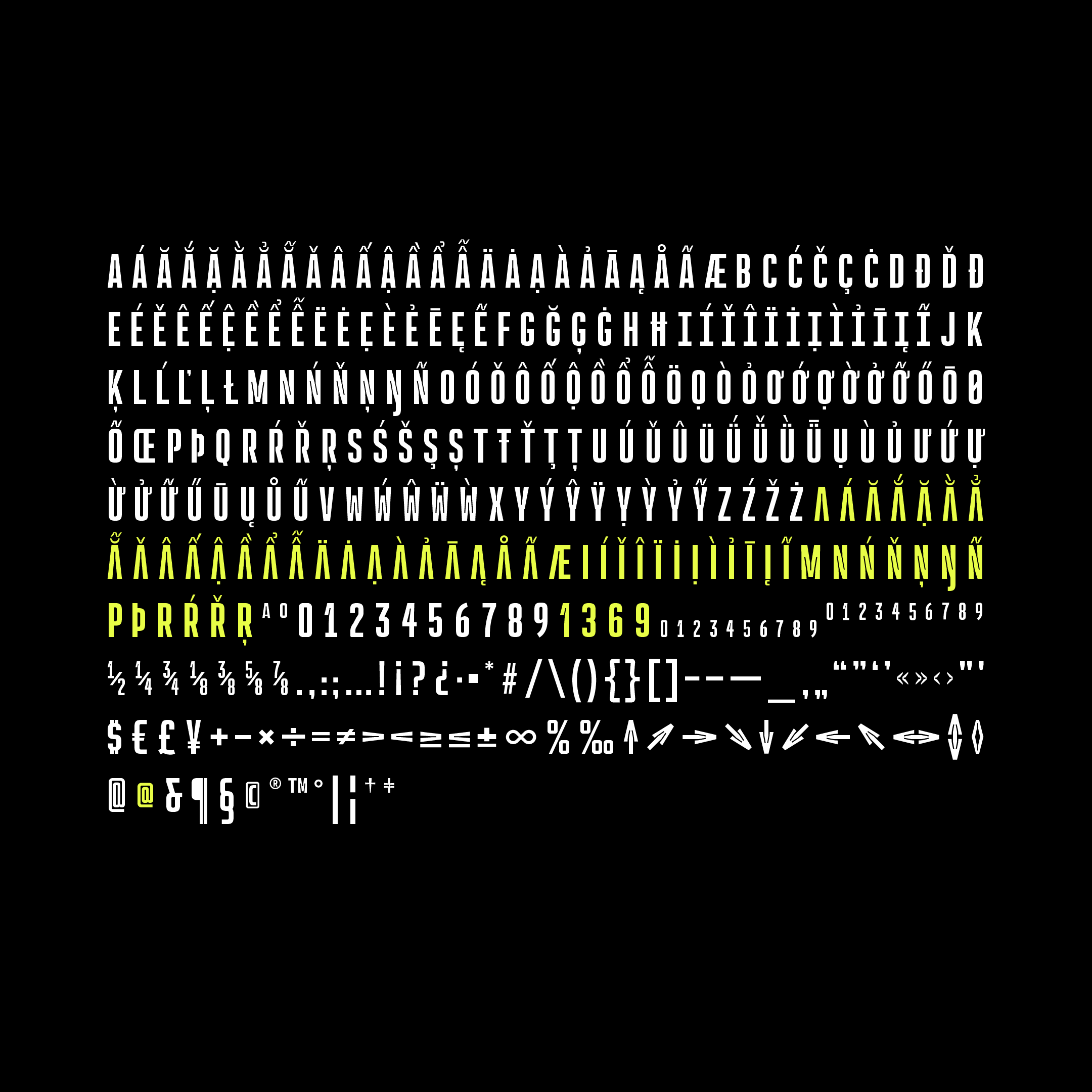
Rocinante Titling by X+O, a TTF Foundry
AS: Does a large Instagram following make you pay more when acquiring the rights to my fonts?
SB: We’ll definitely take that into account. We’ll look at your social media, your email lists, and any other valuable property we can absorb that would help us reach more customers.
AS: How would you advise a type designer who is just starting to release fonts to approach distribution today?
SB: Build your company as if you may sell it someday. Keep good records, maintain ownership of your IP, sublicense only with annual renewals, and get copyrights and trademarks when possible. Focus on direct licensing. Try to get your fonts onto
Draw whatever you feel like drawing. Don’t feel like you have to draw another Helvetica to make it as a type designer. Draw what inspires you. Work closely with graphic designers, friends, colleagues, and former
AS: What books would help someone become a better type
SB: OHNO’s new book, Hoefler’s article ‘Getting Started with Typeface Design’, Walter Tracy’s ‘Letters of Credit’, ‘Making Fonts’ by Campe and Rausch, ‘Theory of Type Design’ by Unger, any and all type specimen
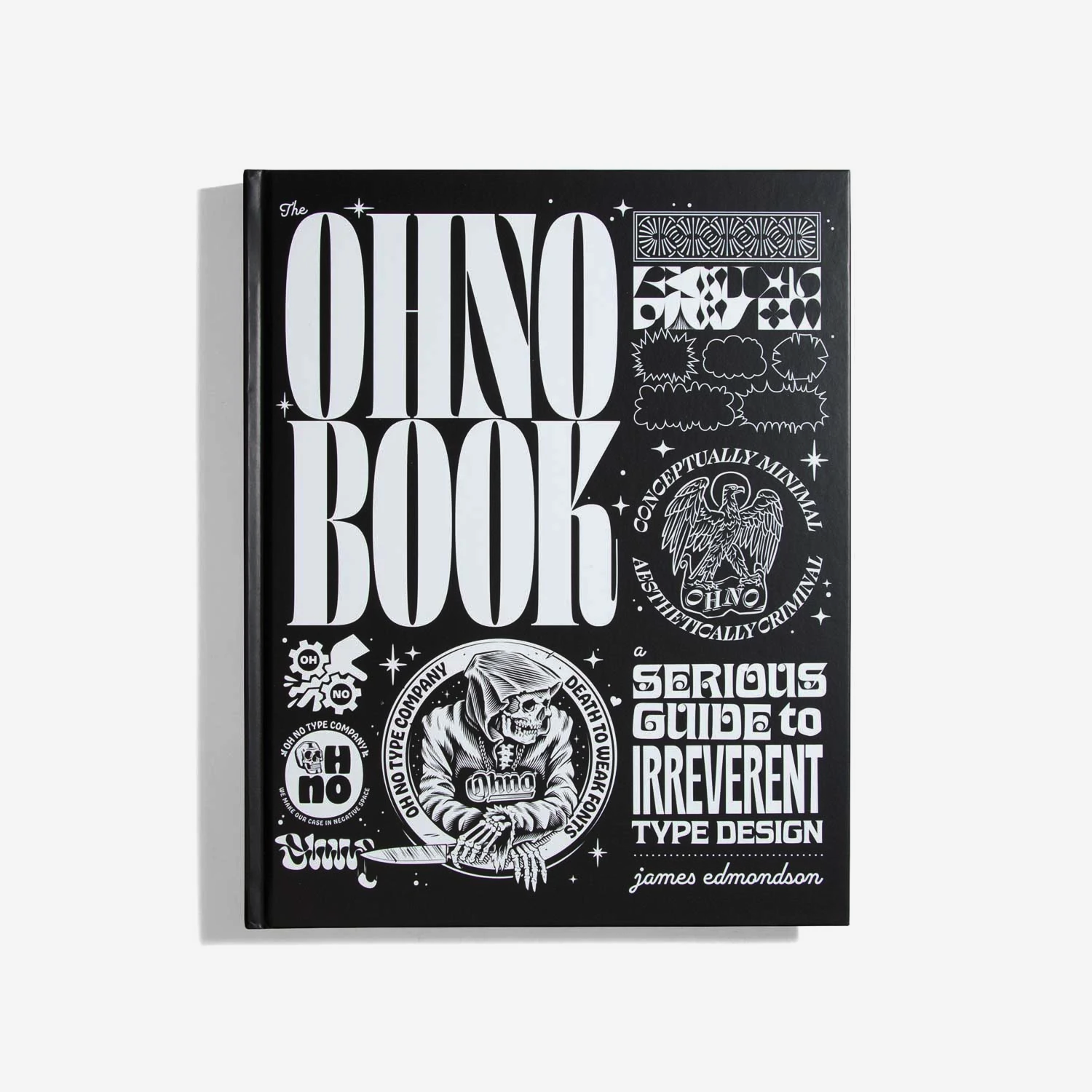 ‘The Ohno Book’ by James Edmondson
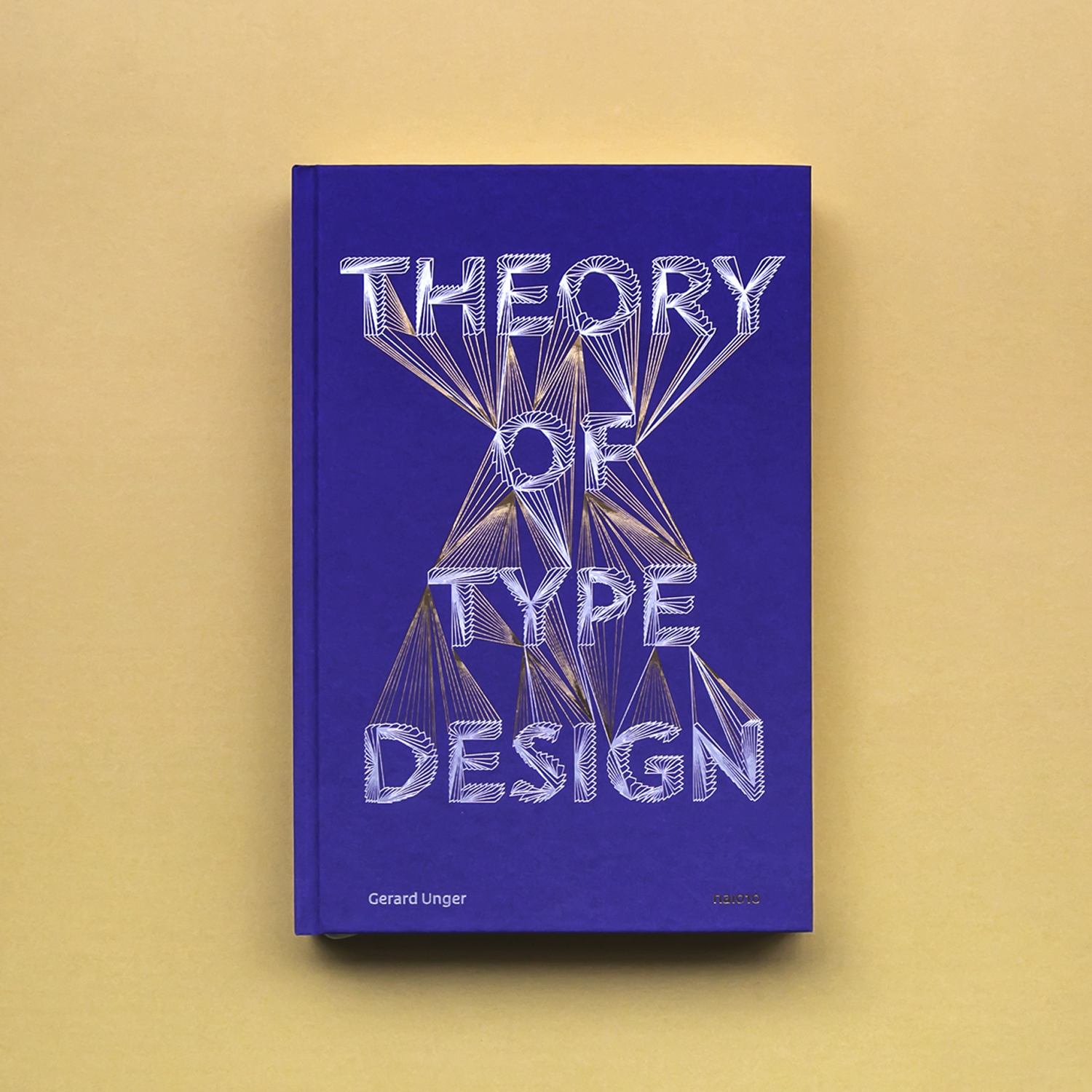 ‘Theory of Type Design’ by Gerard Unger
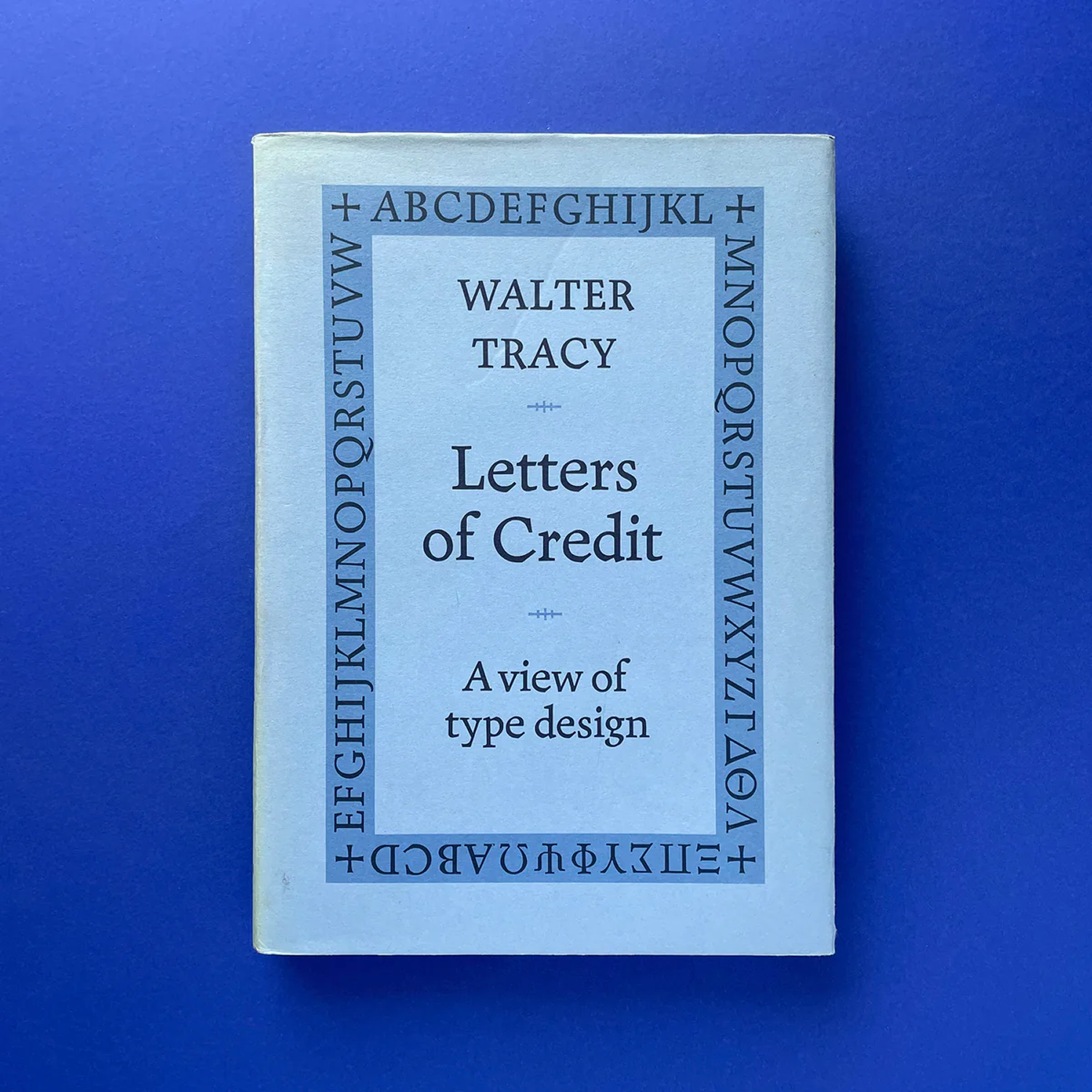 ‘Letters of Credit’ by Walter Tracy
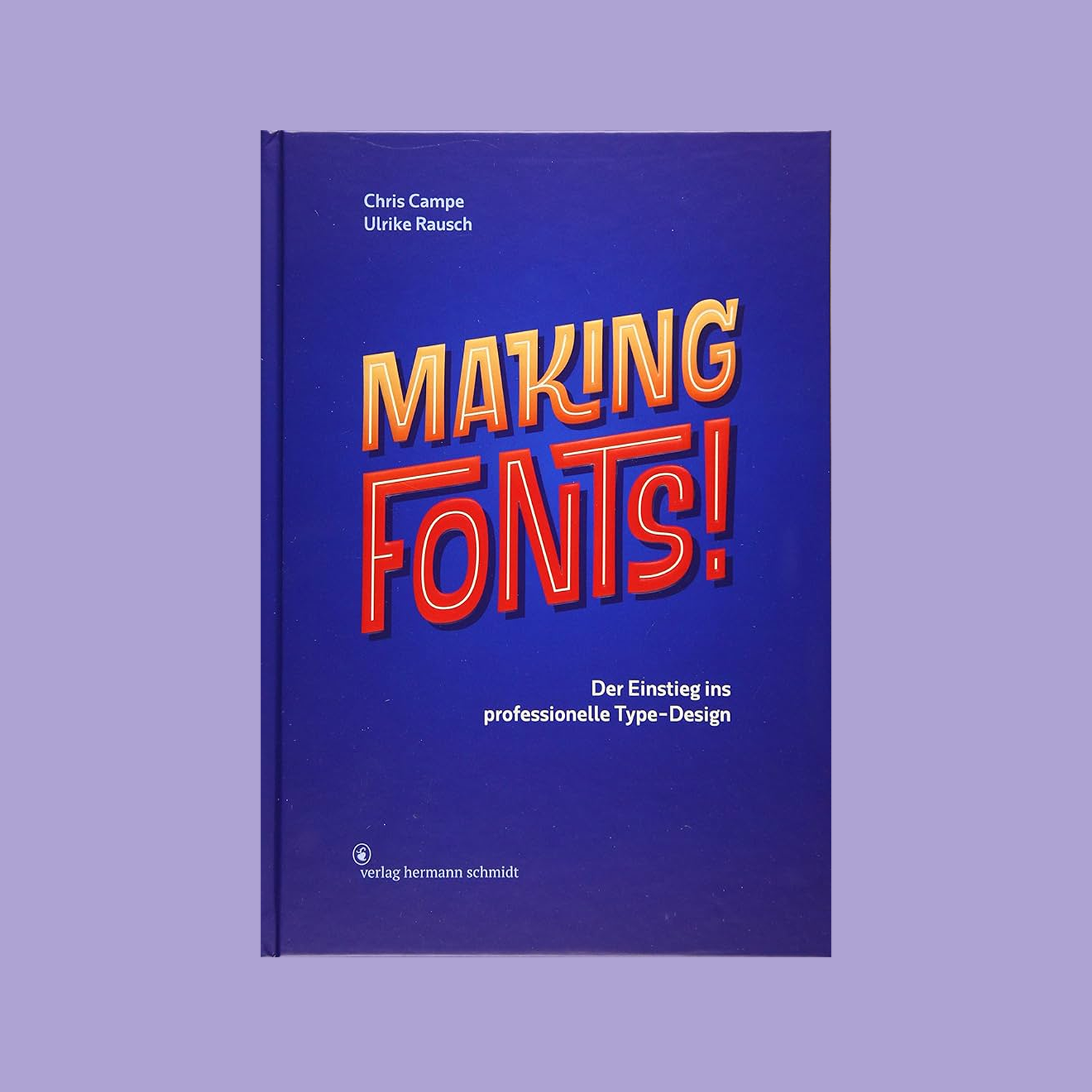 ‘Making Fonts’ by Chris Campe and Ulrike Rausch
But if we are talking about starting a business in type design, I think there are people you need to talk to, people you could follow. I’ll throw in a few names: Jen Wagner, Nicky Laatz, Sam Parrett, Brandon Nickerson, and Tom Chalky. These are five type designers who you’ve probably never heard of, but they have very successful businesses. They didn’t go the traditional
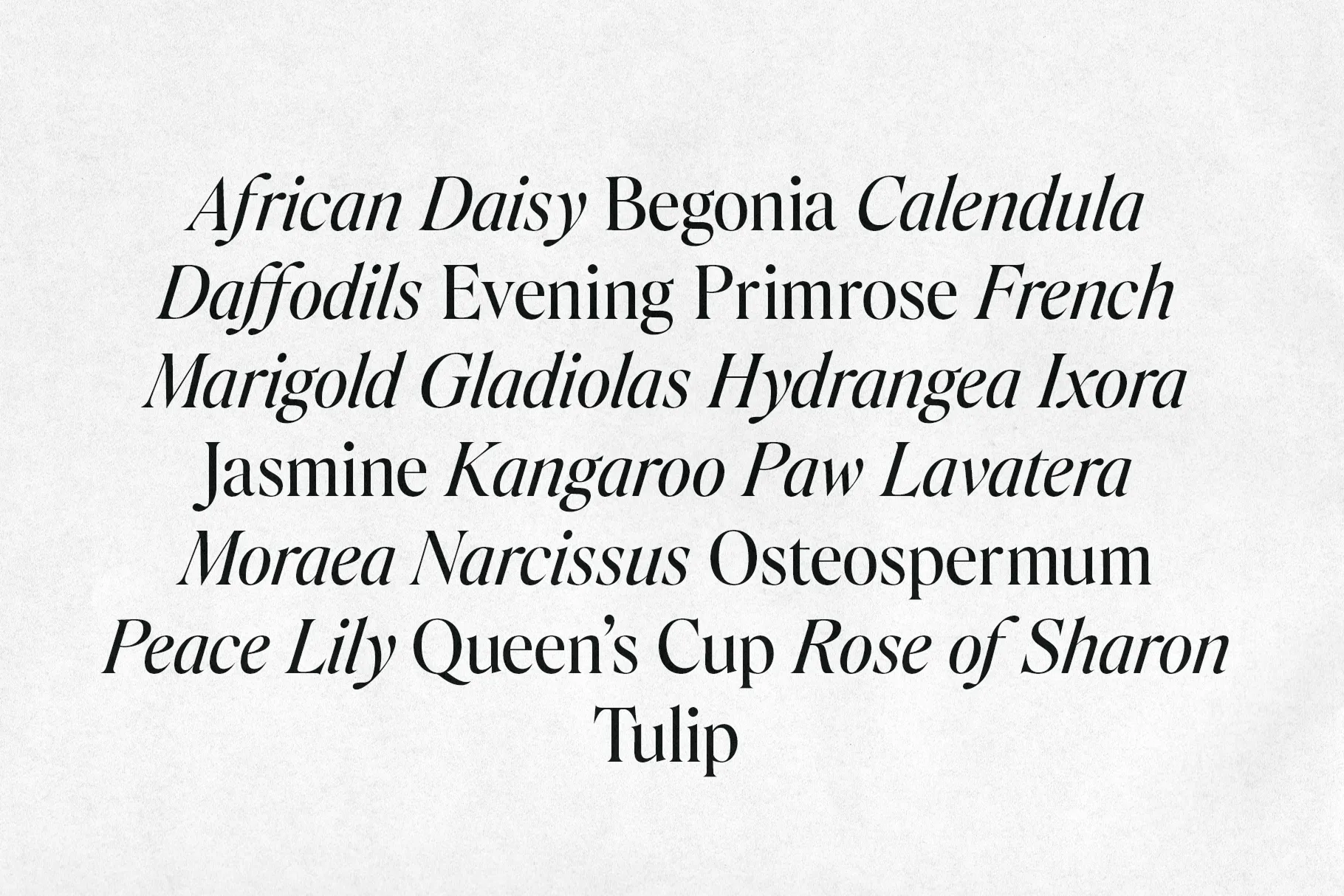 Aperitif Sans by Jen Wagner
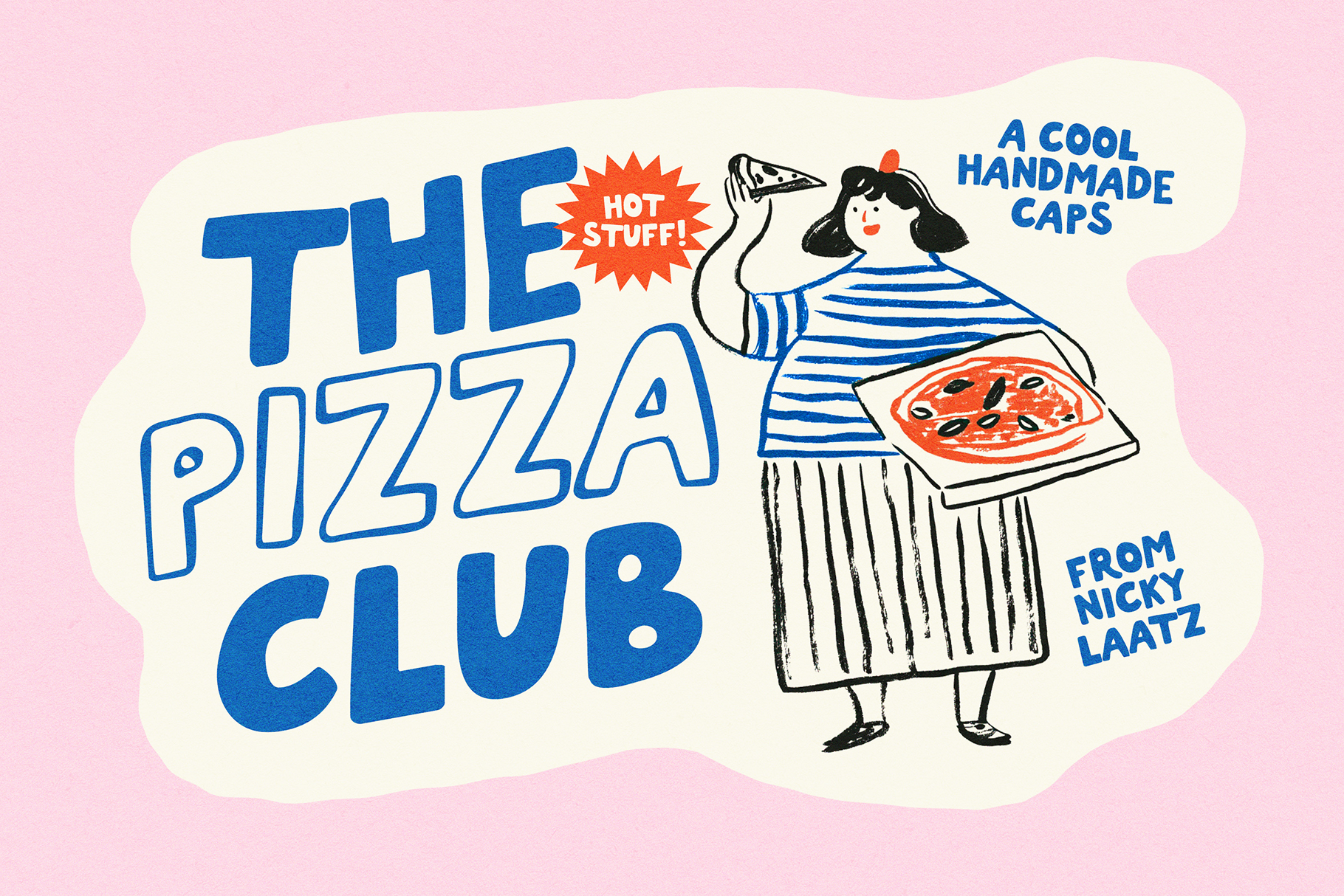 Pizza Club by Nicky Laatz
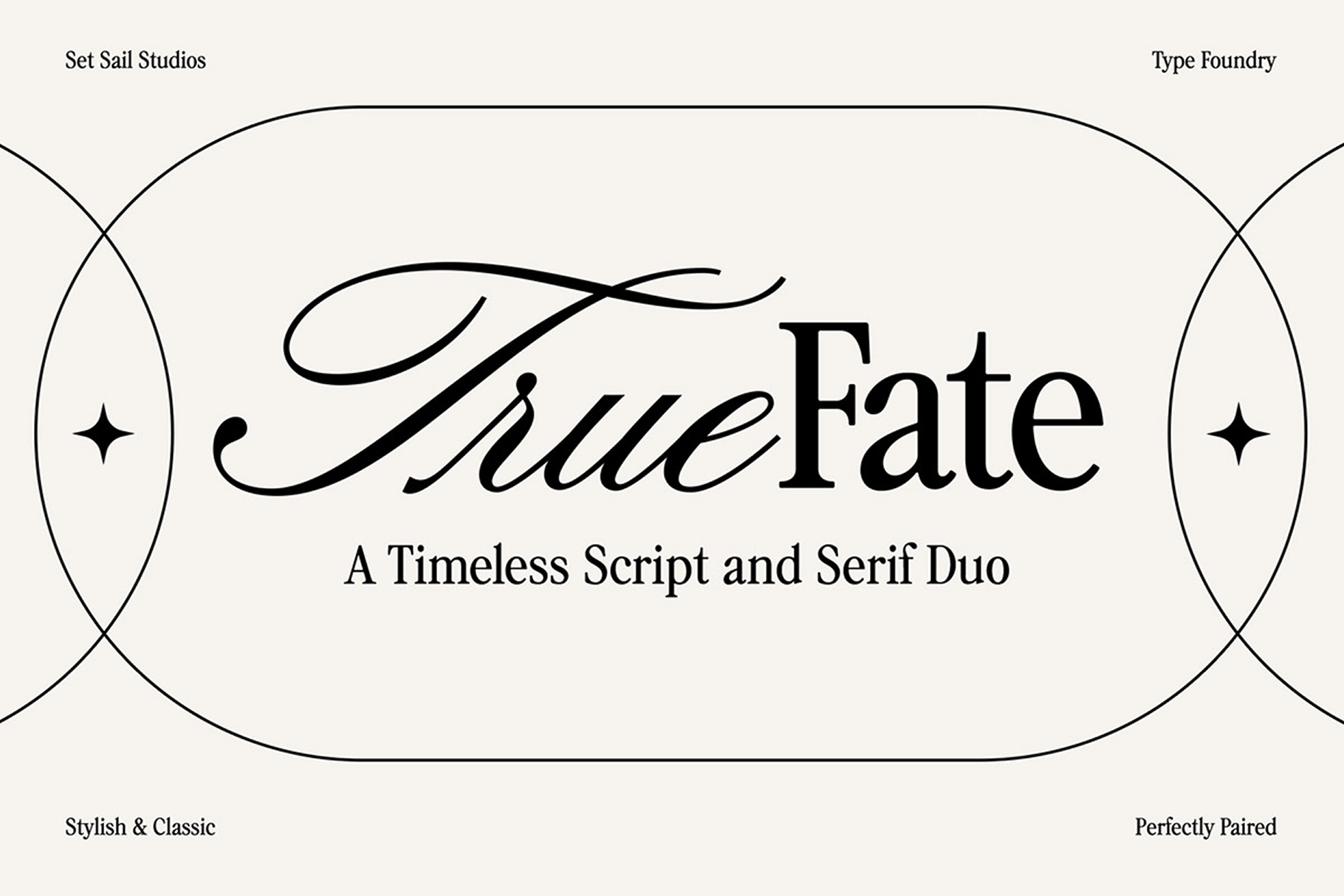 True Fate Font Duo by Sam Parrett
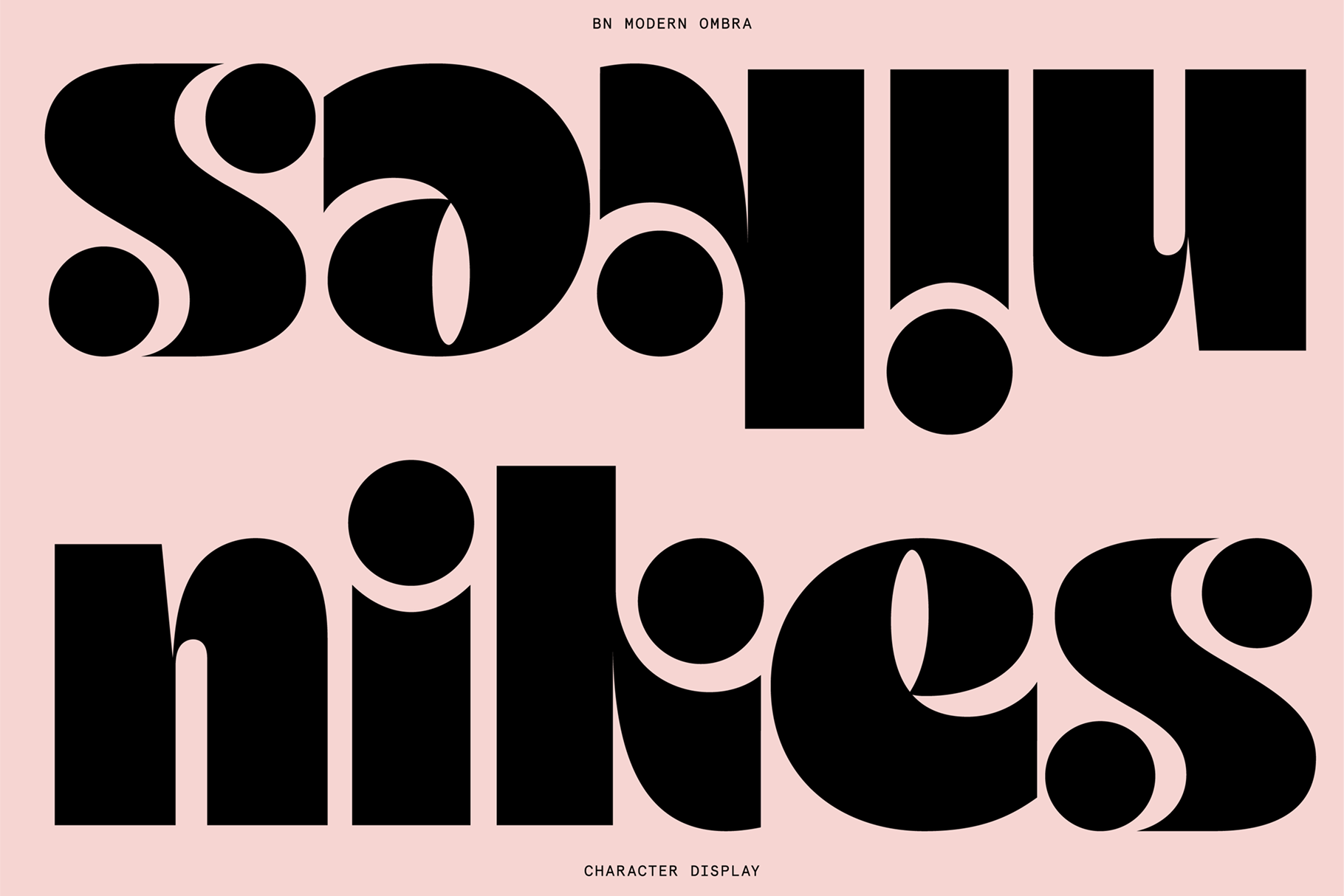 BN Modern Ombra by Brandon Nickerson
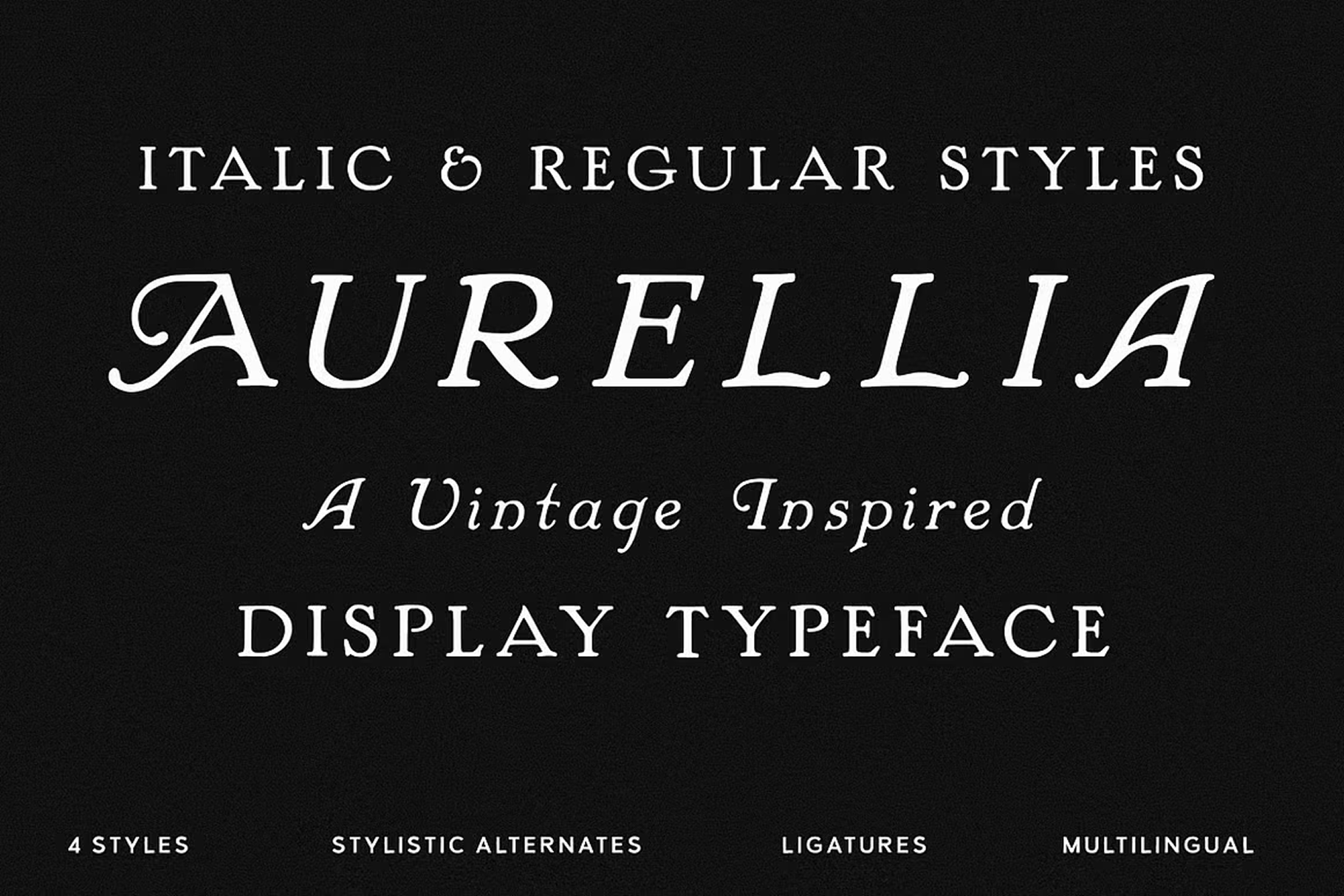 Aurelia by Tom Chalky