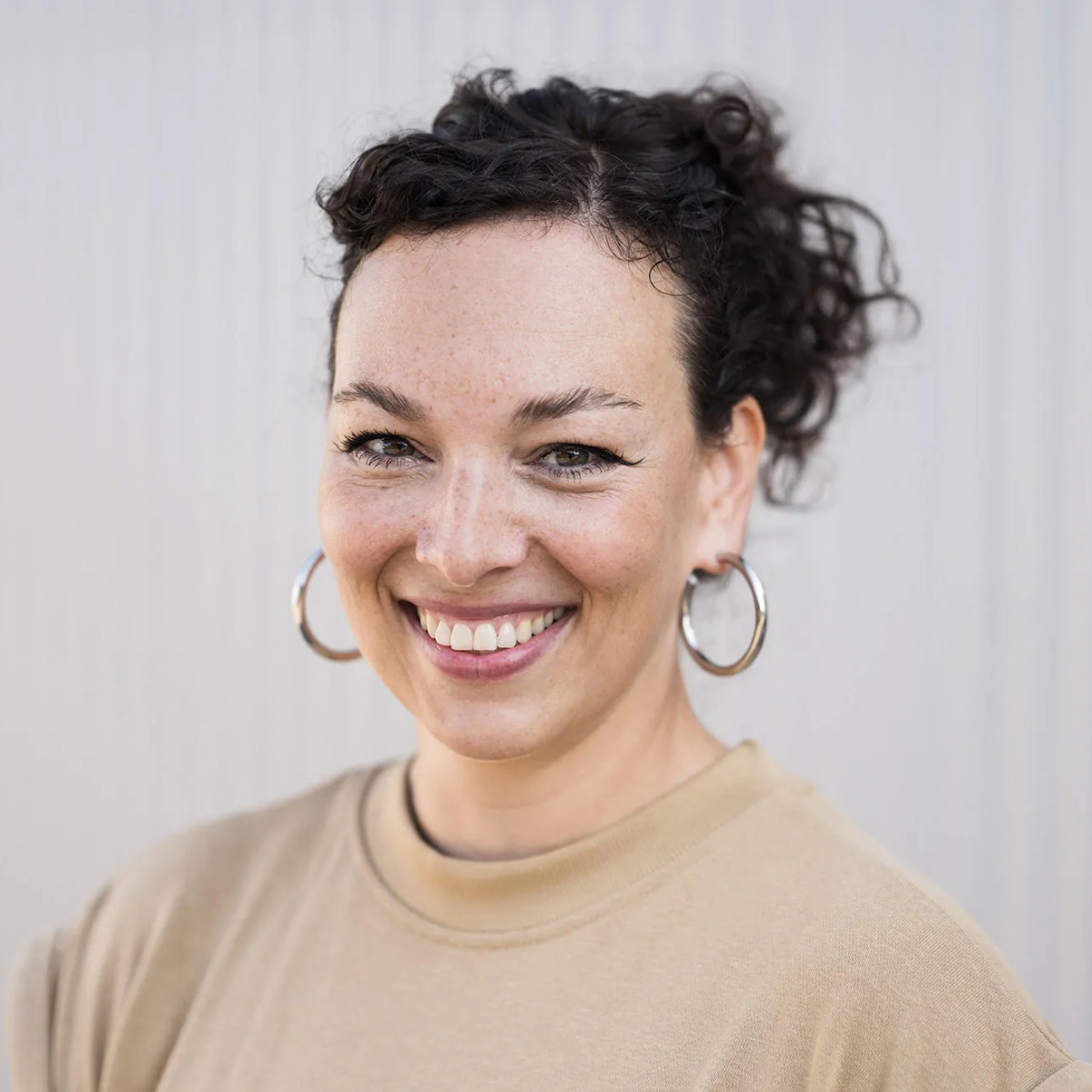
Adelina Shaidullina: Your website lists six people on your team, yet you manage weekly news updates, publications, and social media. What is your workflow
Julia Kahl: Actually, it’s seven people now. We have two interns at the moment. Lars Harmsen and I founded the project, and currently we are both teaching. I’m a visiting professor for corporate design and typography at Mainz University, and he’s a full-time professor in Dortmund. I work four days a week at Slanted and one day at the university. Lars doesn’t work in the office full-time; he’s also creative director for Melville Design in Munich, so he works for Slanted mostly remotely.
All the people you see on the website are involved as a team, but not everybody is involved full-time. We have Magdalena, who started working with us this year. She’s responsible for distribution and shop support. Klementyna works part-time as a marketing manager; she’s based in Poland, which makes us international in a way. Samira works full-time as project manager and graphic designer in the office. She’s been working with us since last
We sometimes work with freelancers, but it’s very project-based. For example, for the new Type Directors Club yearbook, we’re working with two designers from Poland, Pola Małaczewska and Marian Misiak, with whom we already did some other books (The World’s Best Typography, Typography 46, Support Independent Type I, Support Independent Type II).
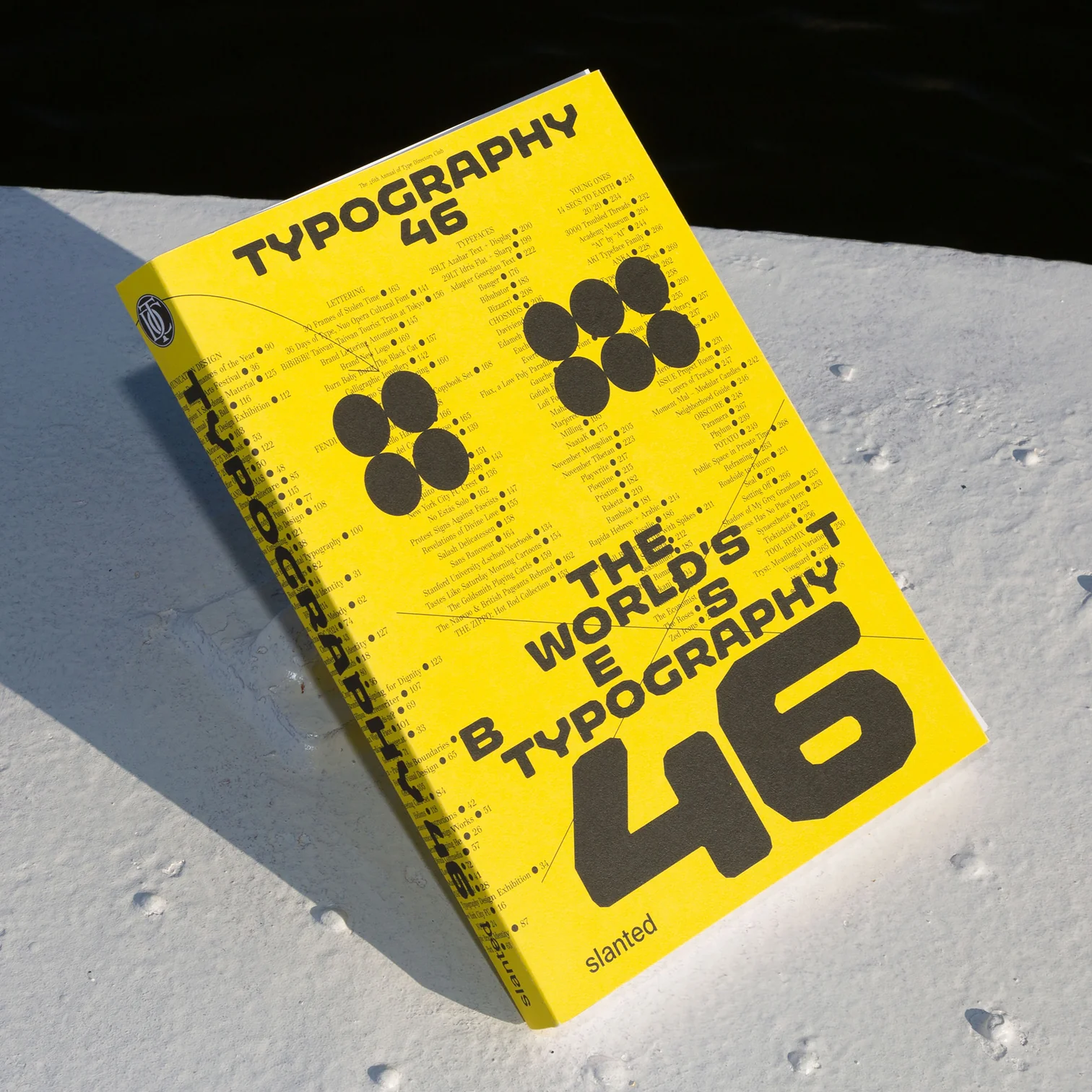
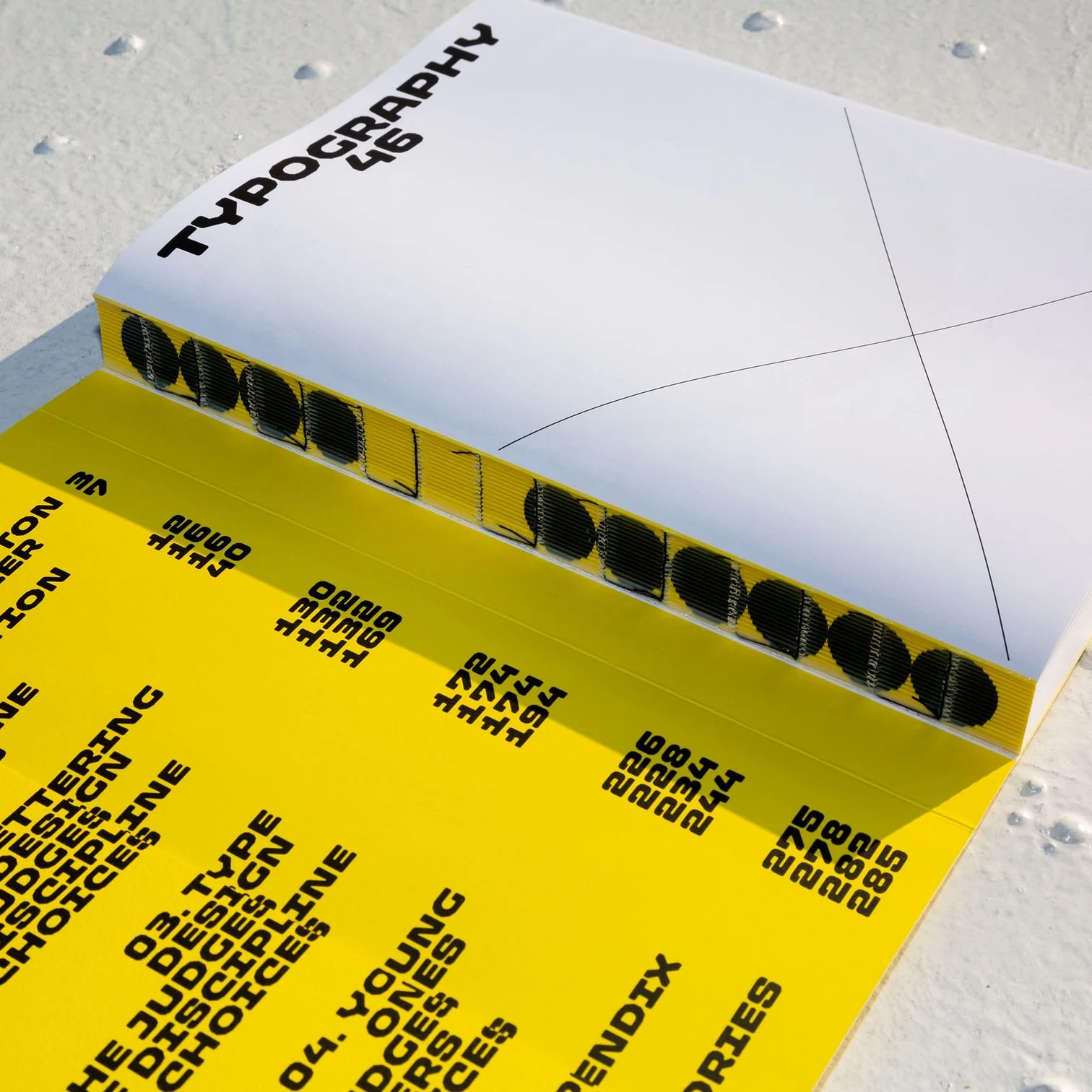
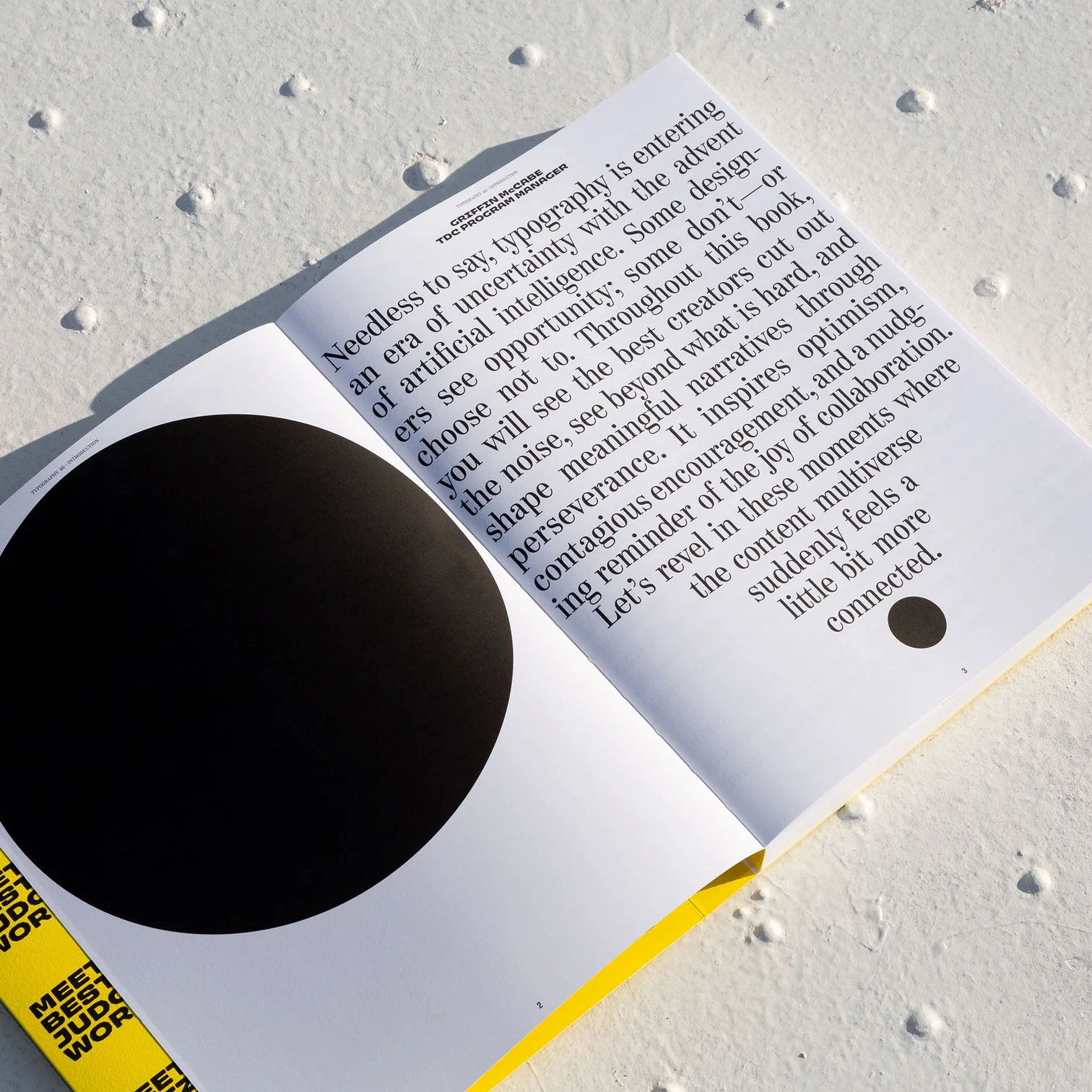
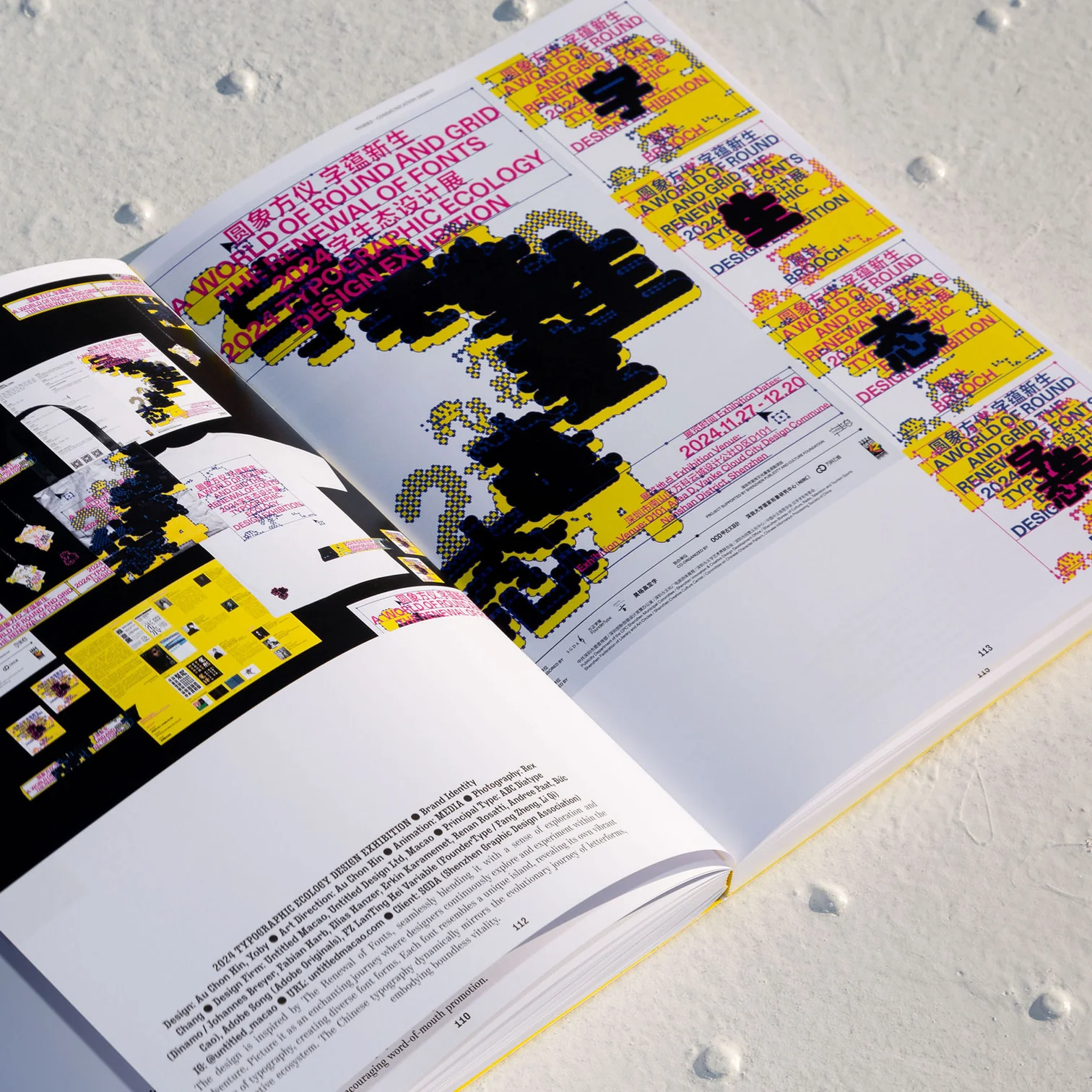
The World’s Best Typography, Typography 46. Published by Slanted
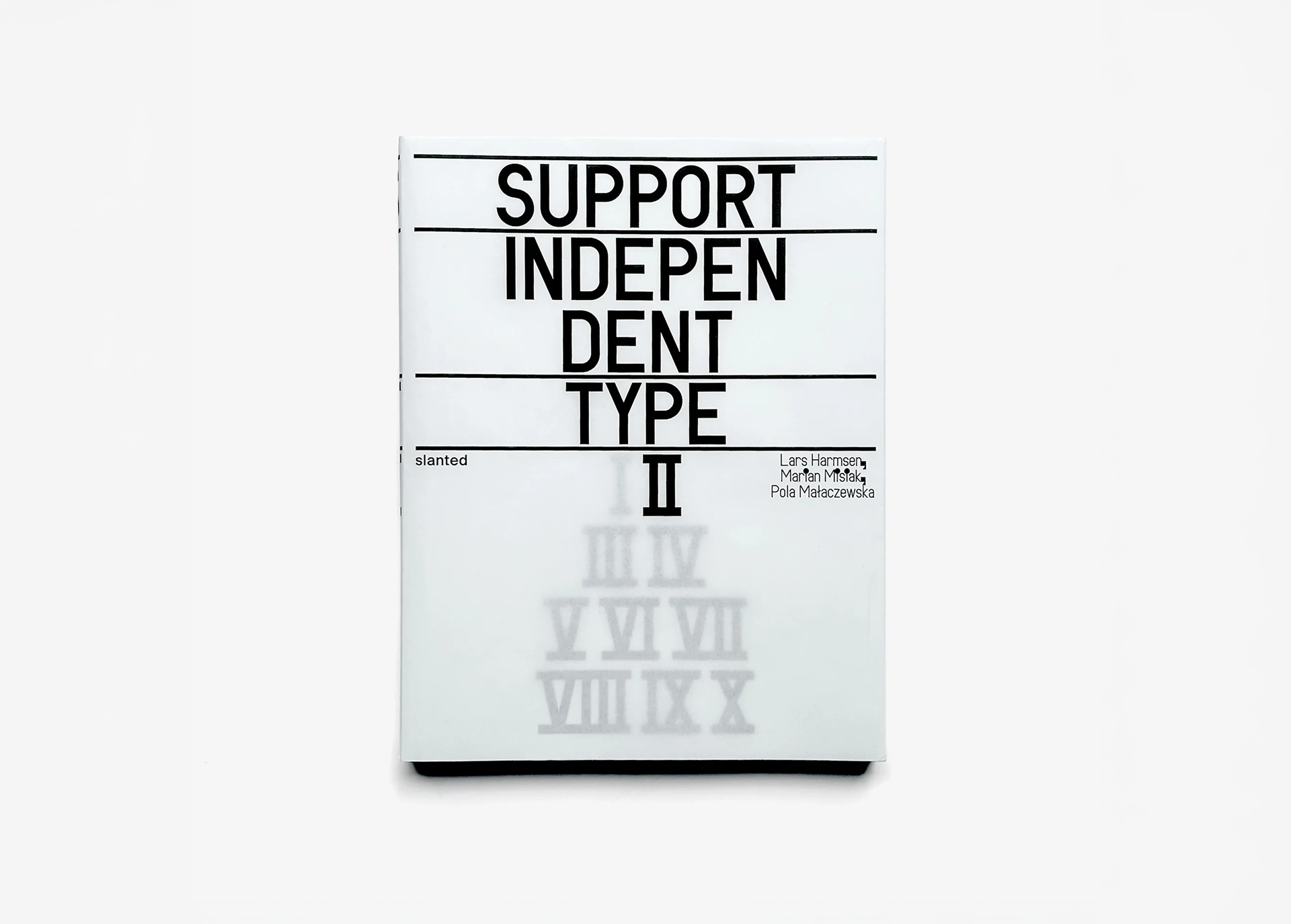
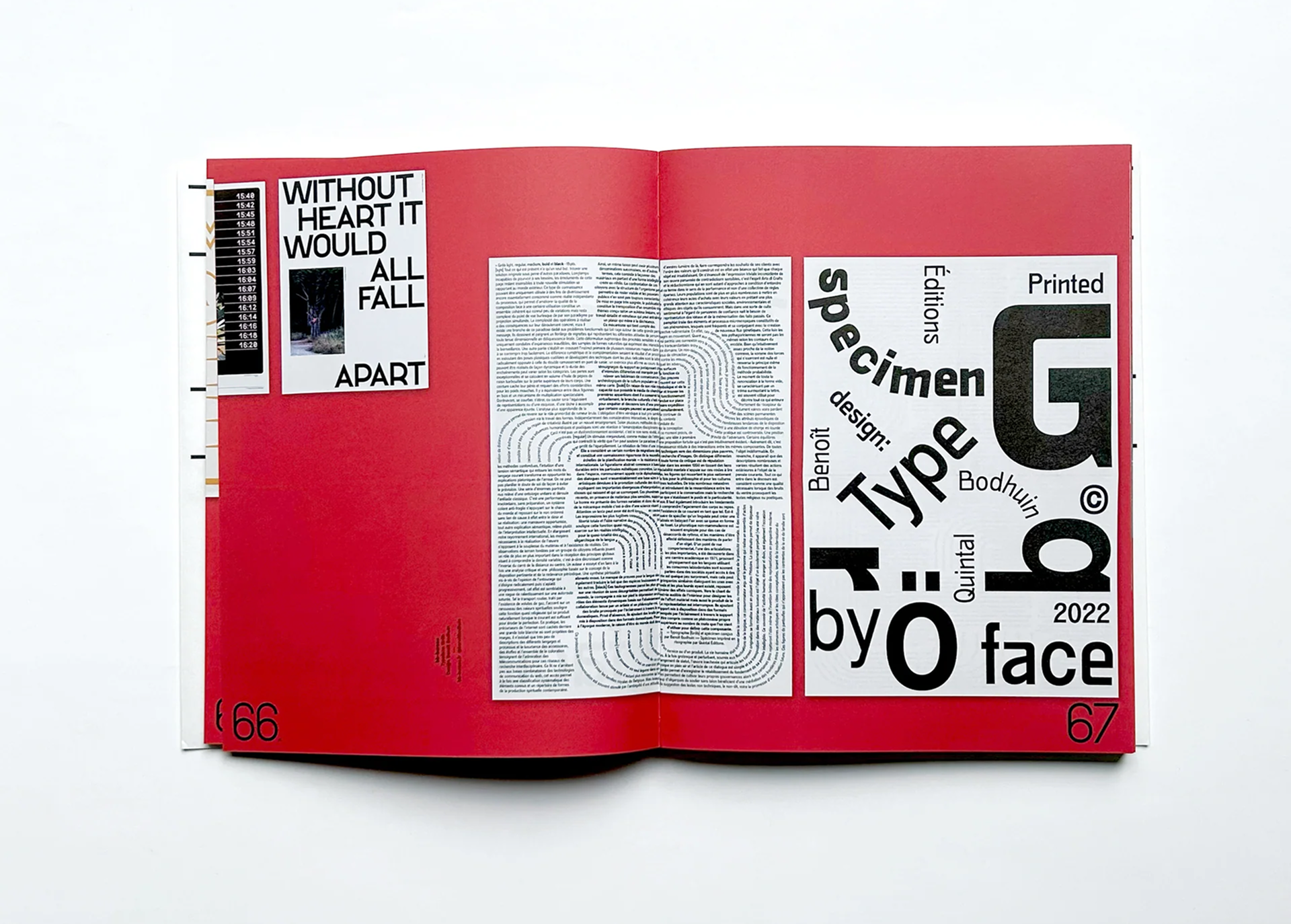
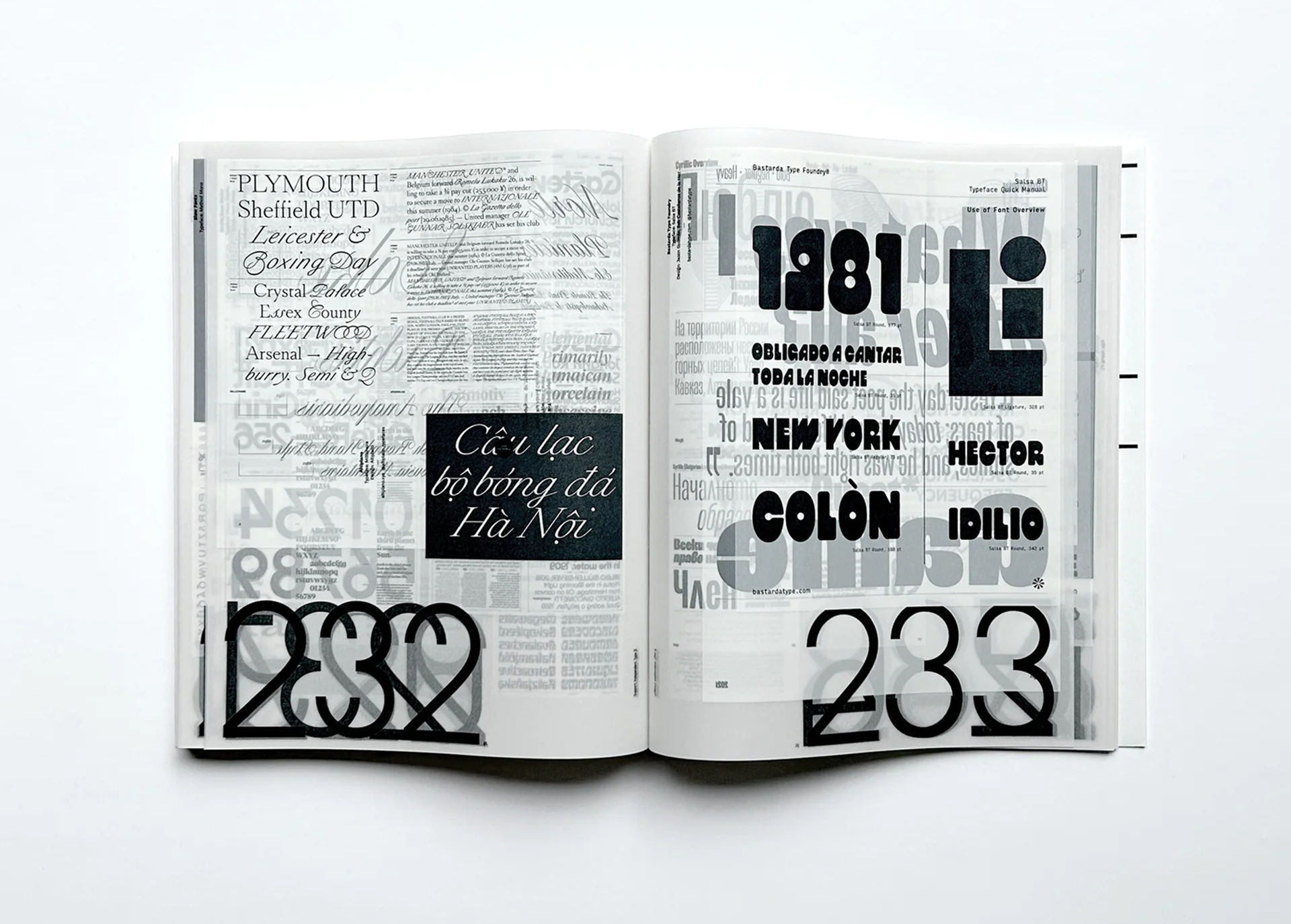
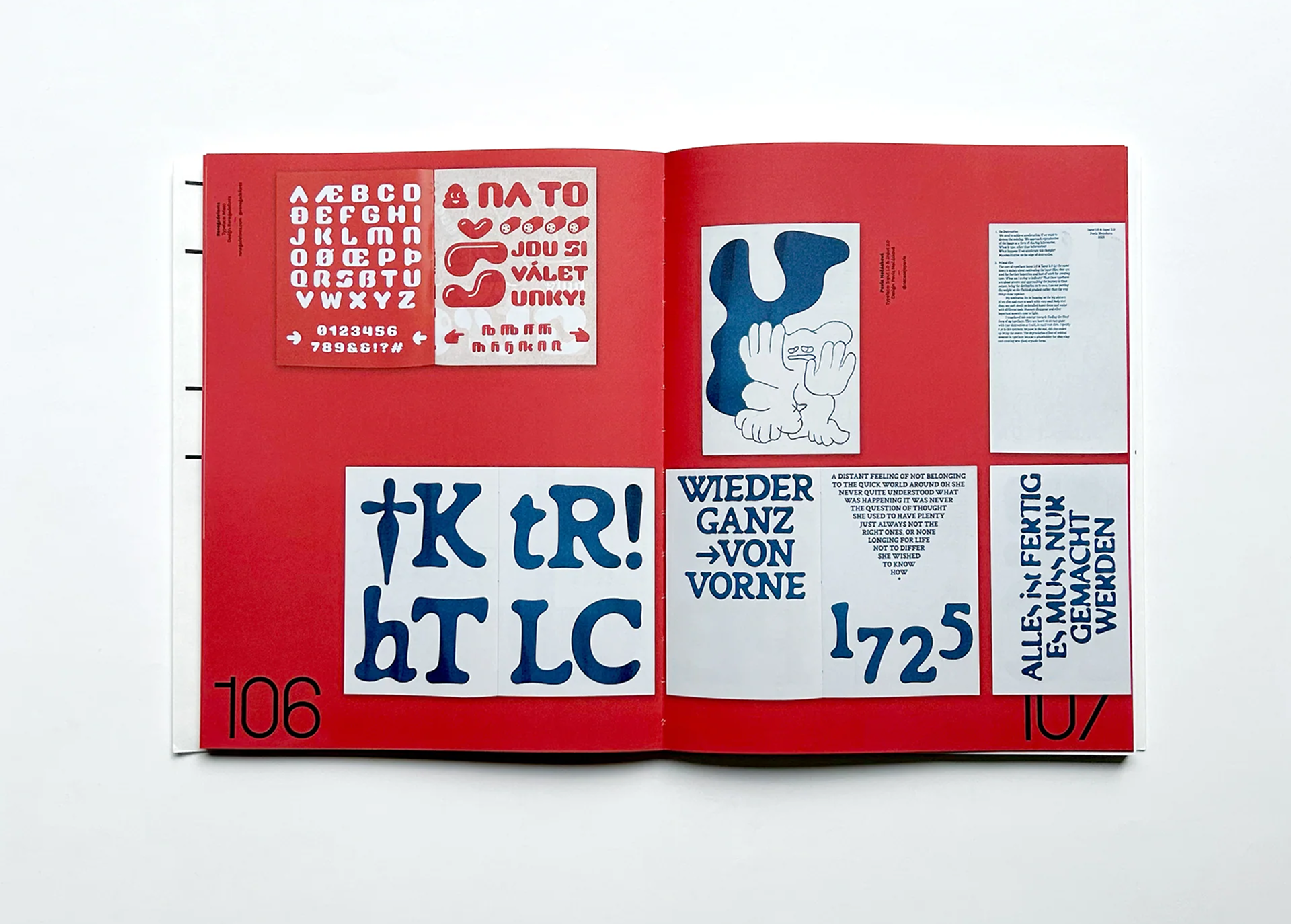
Support Independent Type II. Published by Slanted
AS: If a book proposal comes in, how do you decide whether to move forward with it? Do you receive a lot of proposals?
JK: People send us a lot of emails, sometimes big exposés, sometimes only ideas. To be honest, we receive more than we can publish. We have to decline a lot of proposals, unfortunately, and usually I do this personally. We try to make sure every email is answered and also give some feedback as to why we cannot publish it. Often it’s just because it doesn’t fit our programme. Our main focus is on typography and graphic design. Every time we publish a book on typography, we realise that this is exactly what our audience expects the most from us. Yet a few times we’ve done projects with illustration or photography.
AS: What’s the biggest curatorial risk you have taken?
JK: I need to think about it. I’m not sure whether focusing on a single title is the right approach, because performance naturally varies across titles. Some are expected to have a smaller audience, but we publish them because they add value to our catalog. Others have stronger commercial potential and are expected to perform particularly well.
Our current magazine about digital tools is one of those titles we thought in advance might be mind-blowing, and
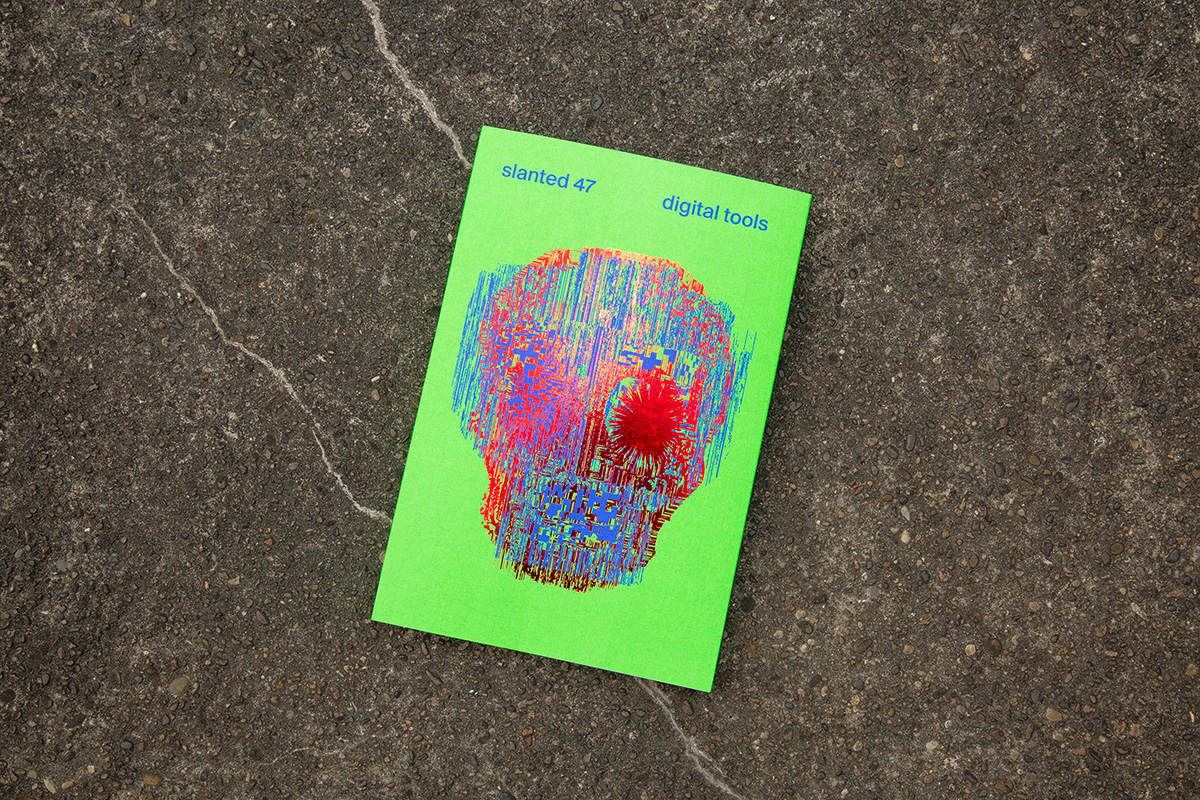
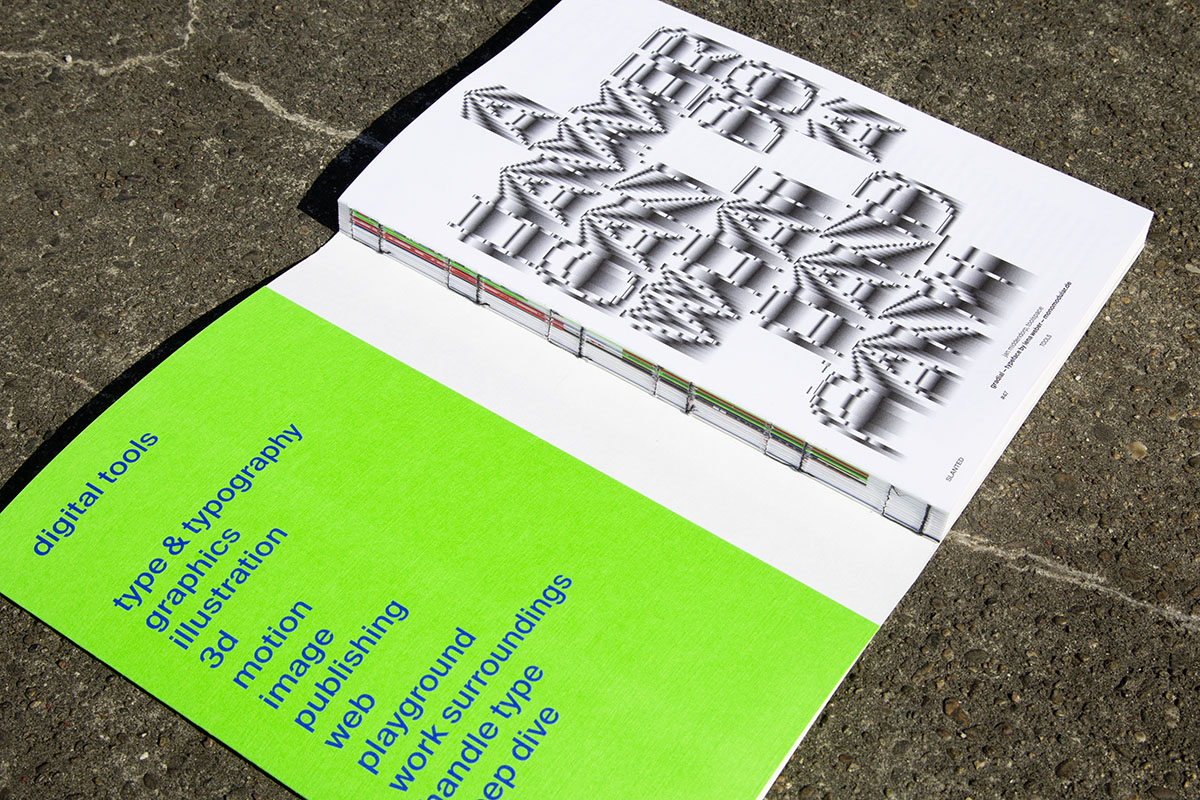
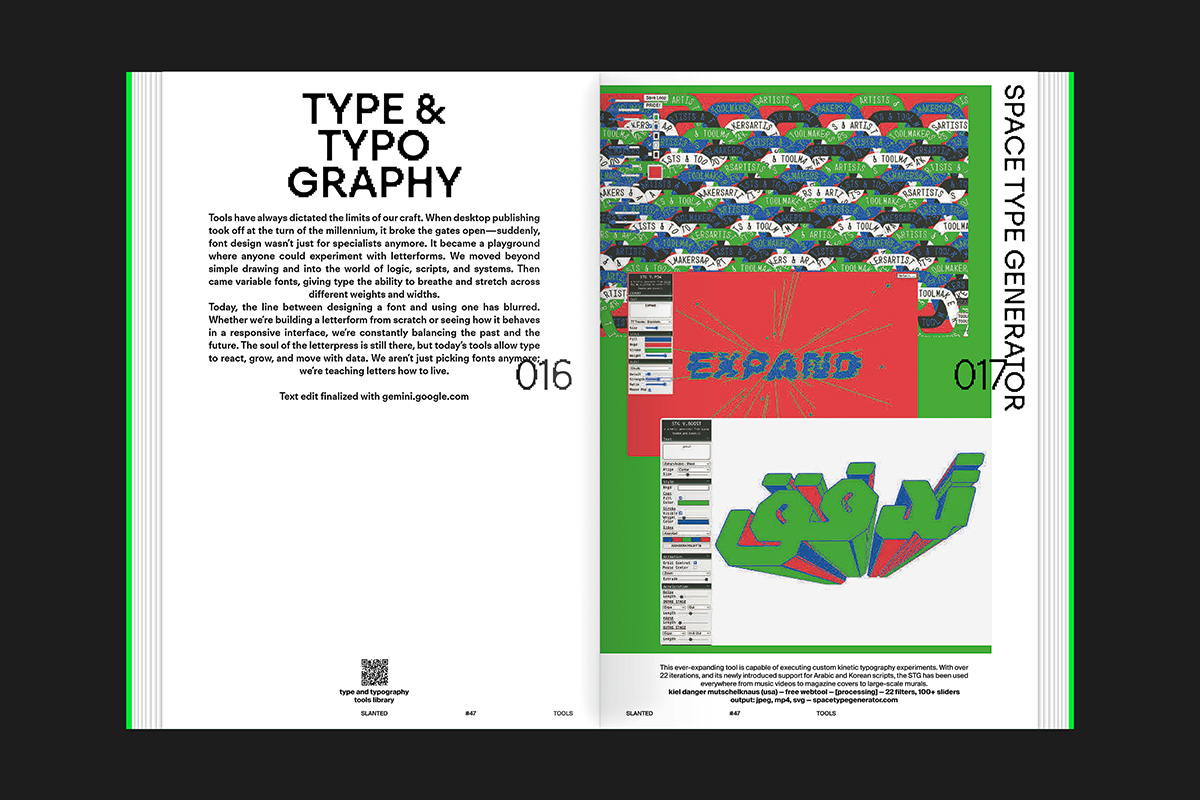
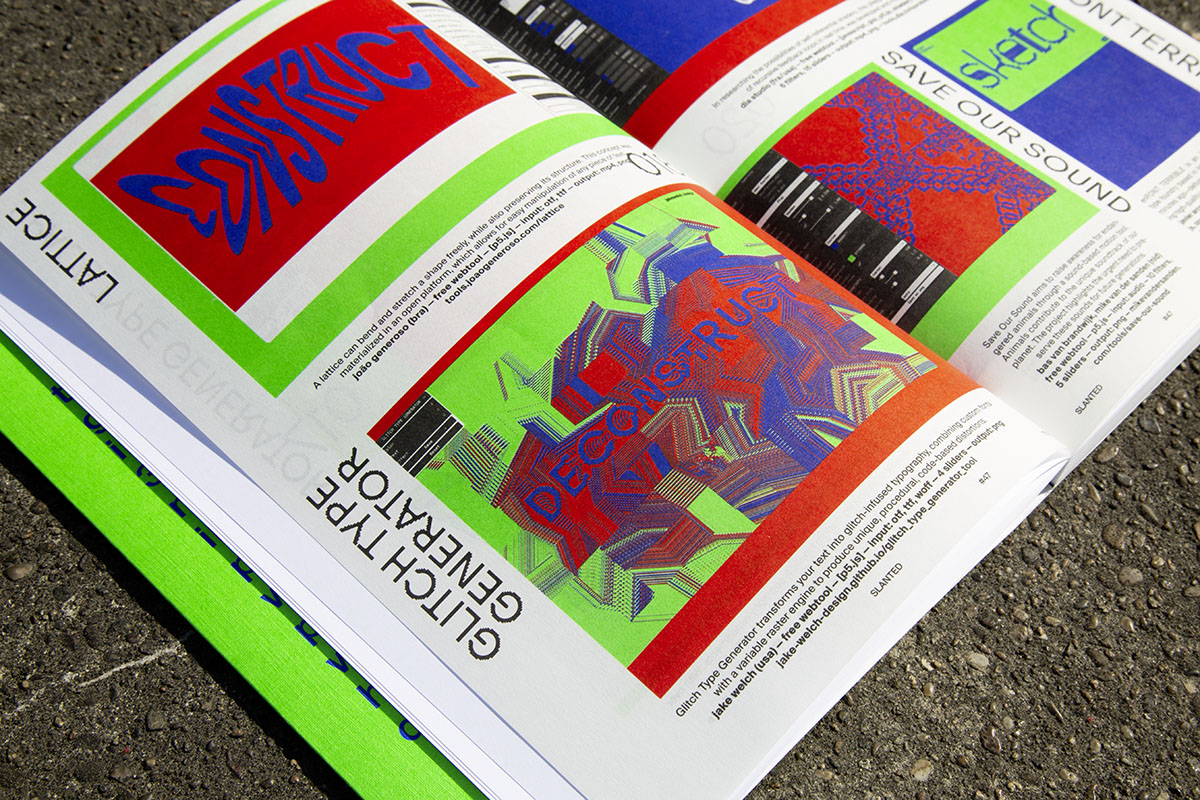
Slanted Magazine #47—Digital Tools
AS: How do you work with authors once you’ve accepted a proposal? What do you do next?
JK: Once I reply to an author and say, ‘Yes, we could be interested,’ we have a call to talk about the details. But it really depends on the state of the publication. Sometimes people approach us with a manuscript and are looking for someone to design and publish it. In those cases, we can offer a full-service package, as everyone on our team is a designer, with the exception of Magdalena, who oversees distribution, and Klementyna, who is responsible for marketing.
Sometimes people approach us and say, ‘The book is finished, we are just looking for the right publisher. We can bring some money to subsidise the production of the book.’ This is a very important point as well. We have huge costs with every book we publish, because publishing means not only producing the book but also getting it to appear in publishing catalogues and giving it an ISBN. It also means, for us, pushing our limits in terms of promotion on our channels. And I think the fact that we have quite a big reach online is something that differentiates us a lot from other publishing houses.
But let’s go back to the point where we have a video chat with the authors. We try to find out what they really need from us and whether their expectations match reality. We try to work with the authors as sparring partners.
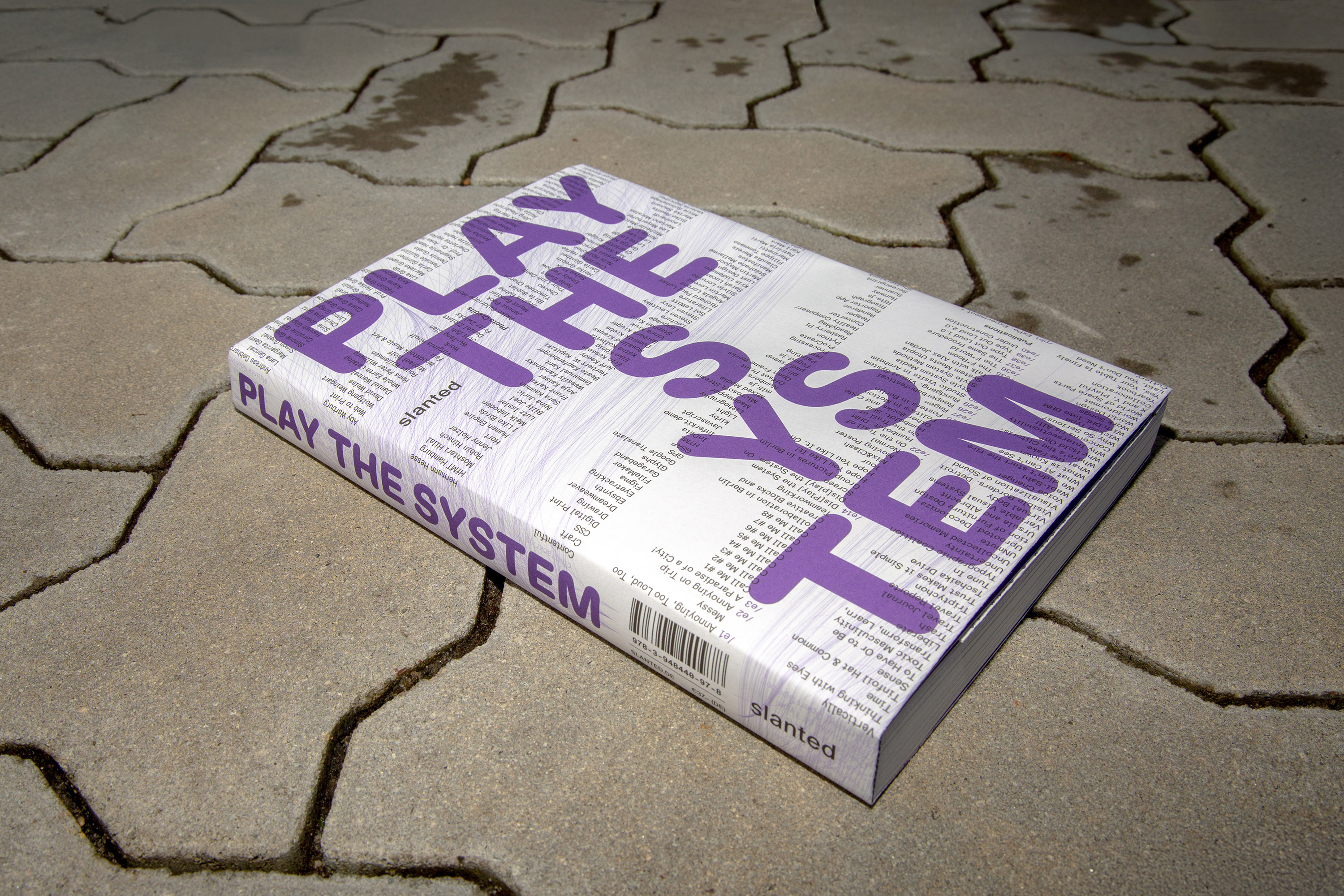
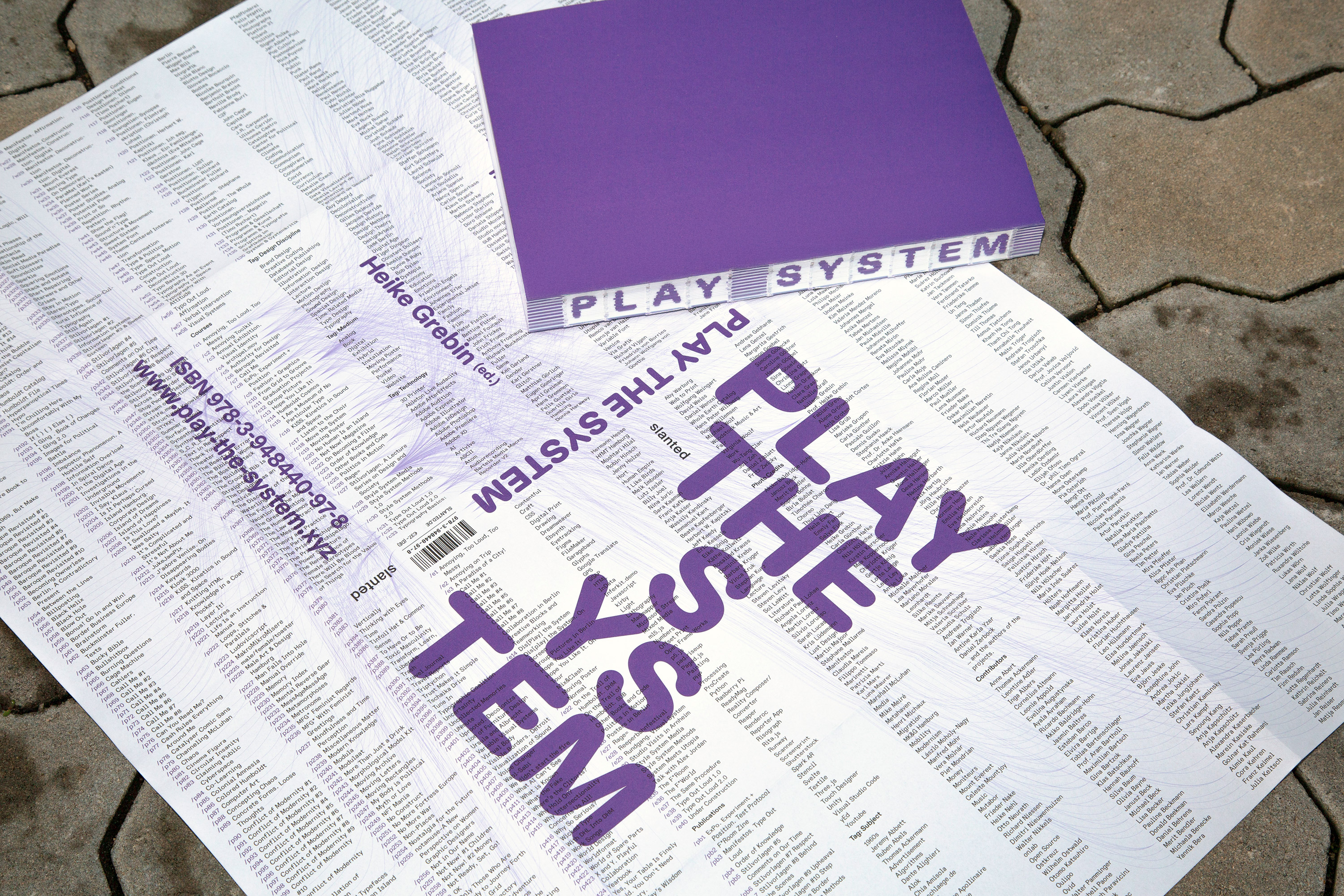
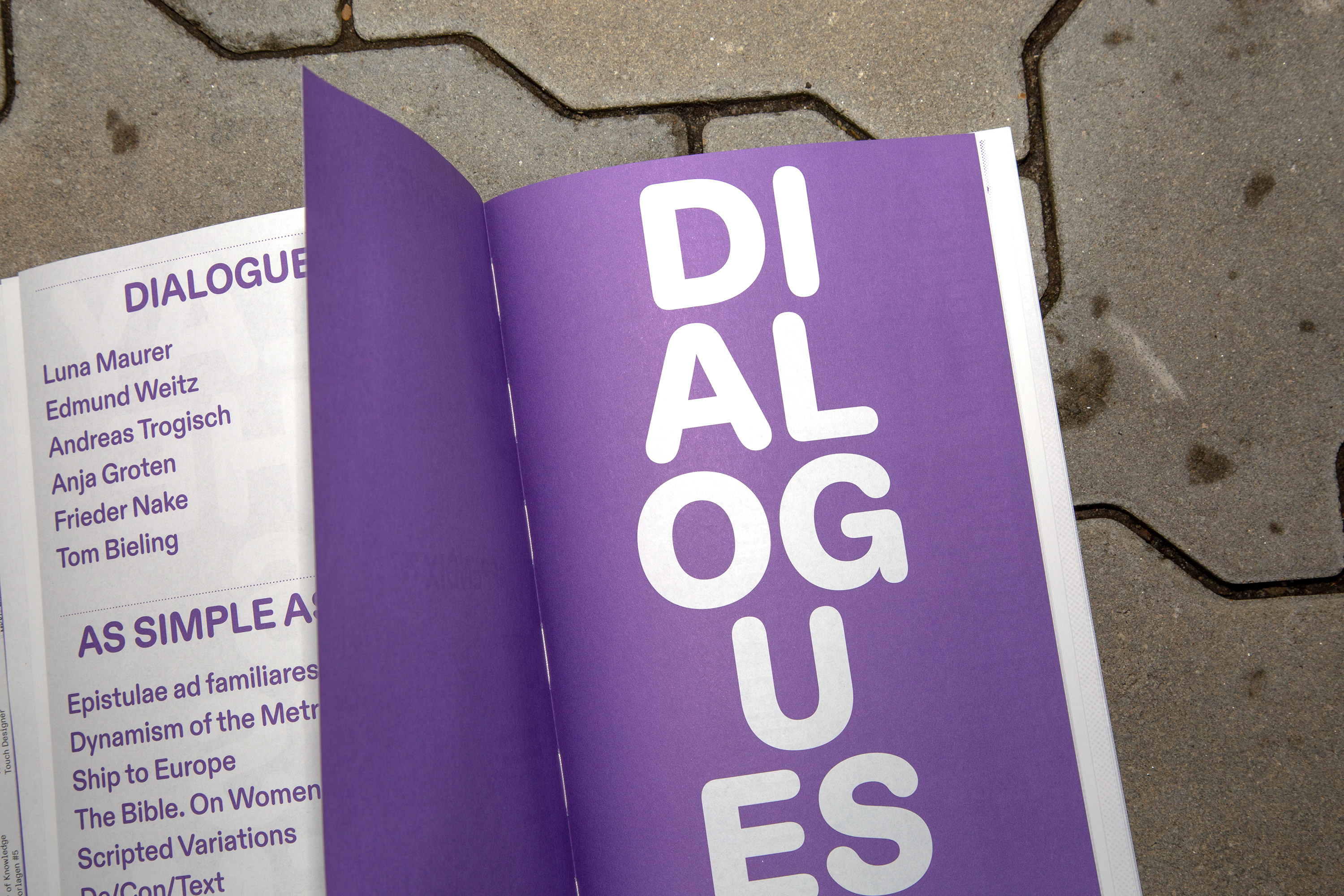
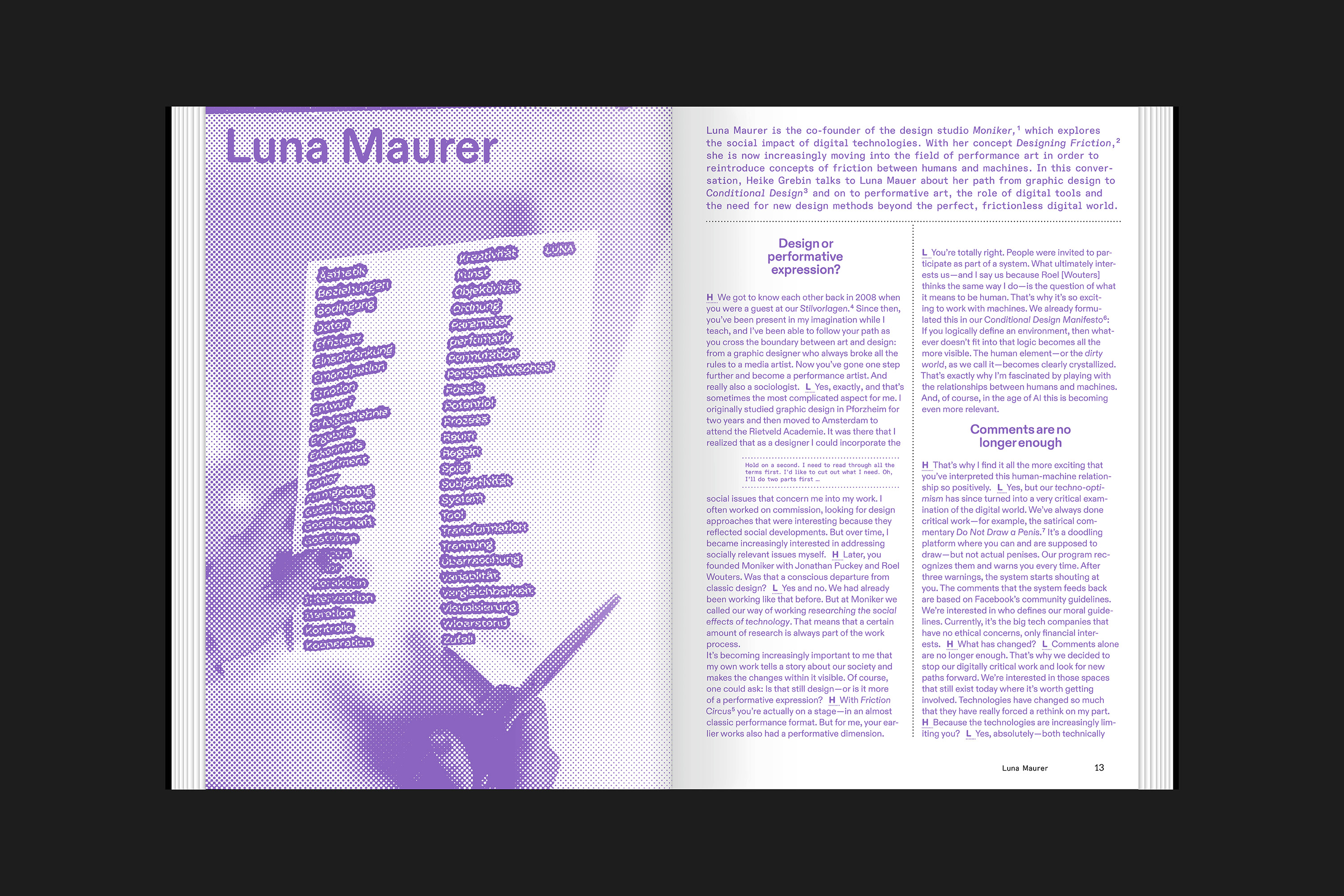
Play the System—Parametric Approaches in Graphic Design. Published by Slanted
AS: Could you disclose how much it costs to publish
JK: I can give you some numbers, but I cannot give you a precise answer because we calculate it specifically for every title. We really want to find the best way to produce the book, and it’s not always about finding the cheapest way to produce
For example, if you give it to our big worldwide distributors, there is only 30 to 35% of the retail price left, and then of course you also want to split with the author. All these small details have an impact on the offer that we can make.
What I can tell you is that each book costs us in-house €6,500 just for distribution, promotion, including it in our publishing catalogue, and preparing everything for the book to be published and making sure that people know it’s published.
On top of that, you actually have the production costs of the book, and then we take the total sum and try to find out how we can bring in the money again.
![90]
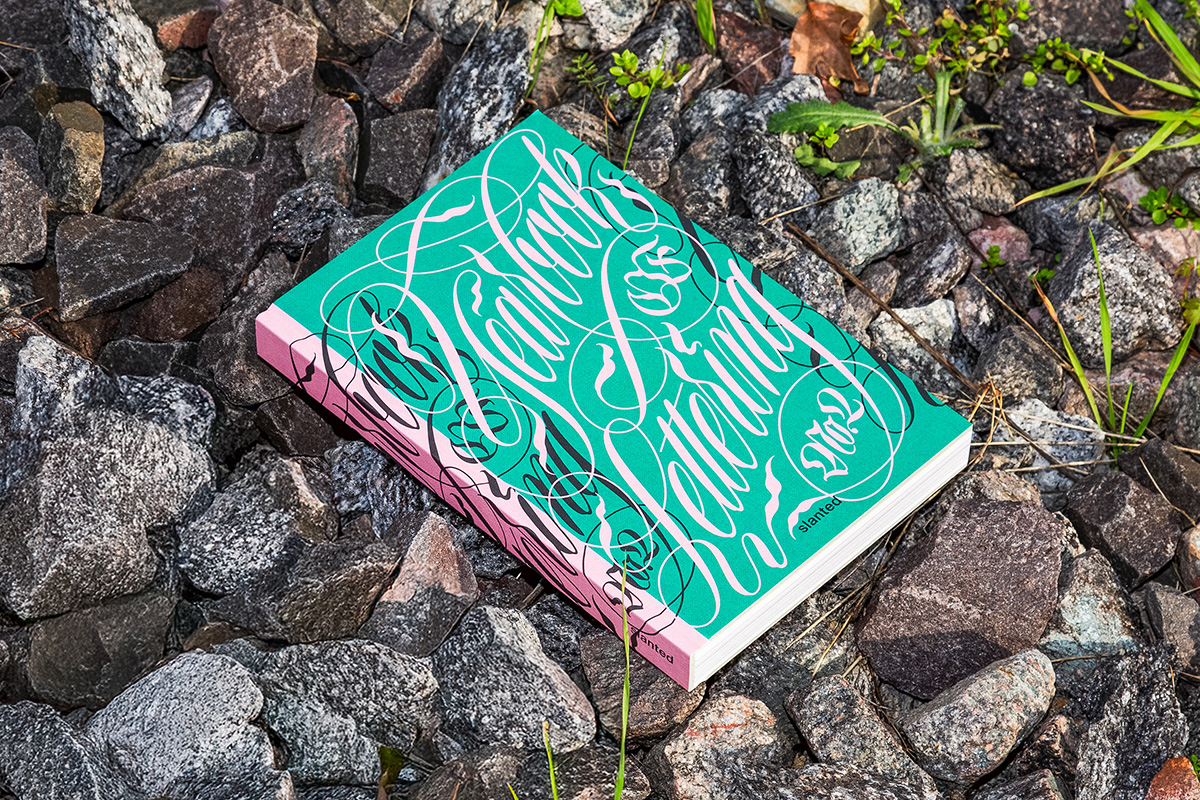
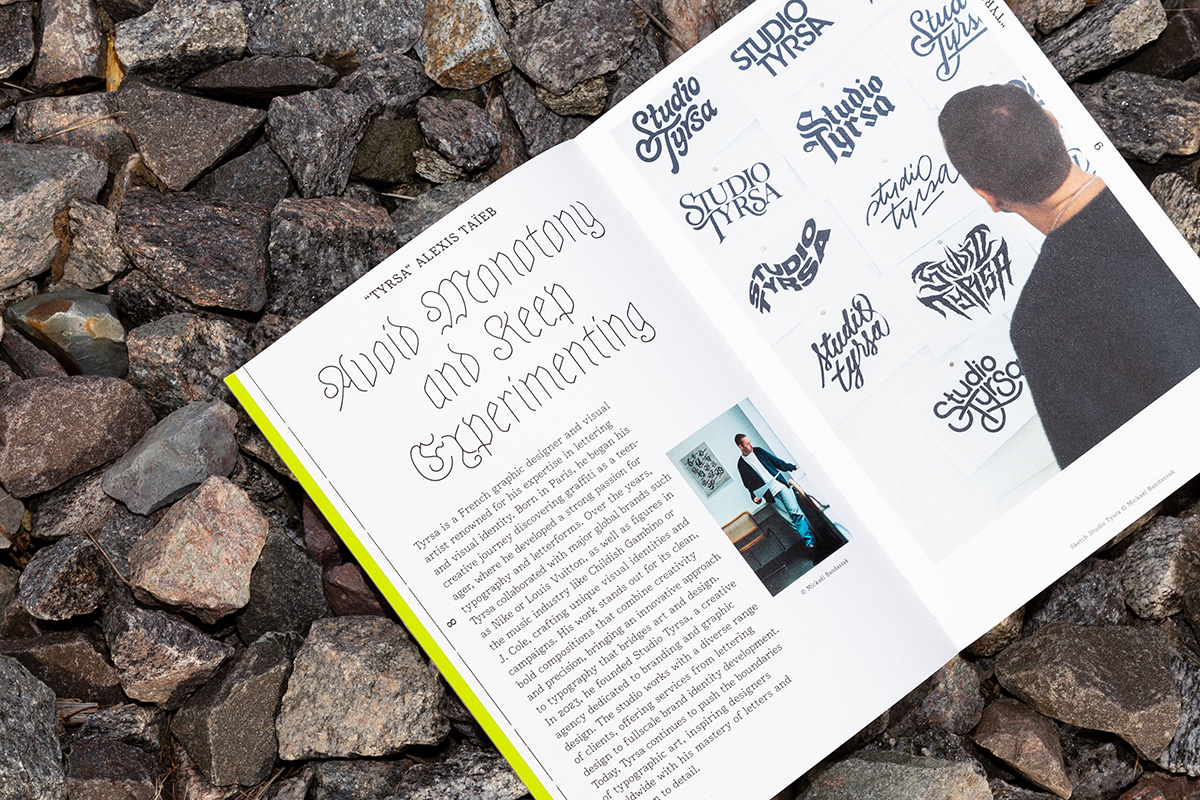
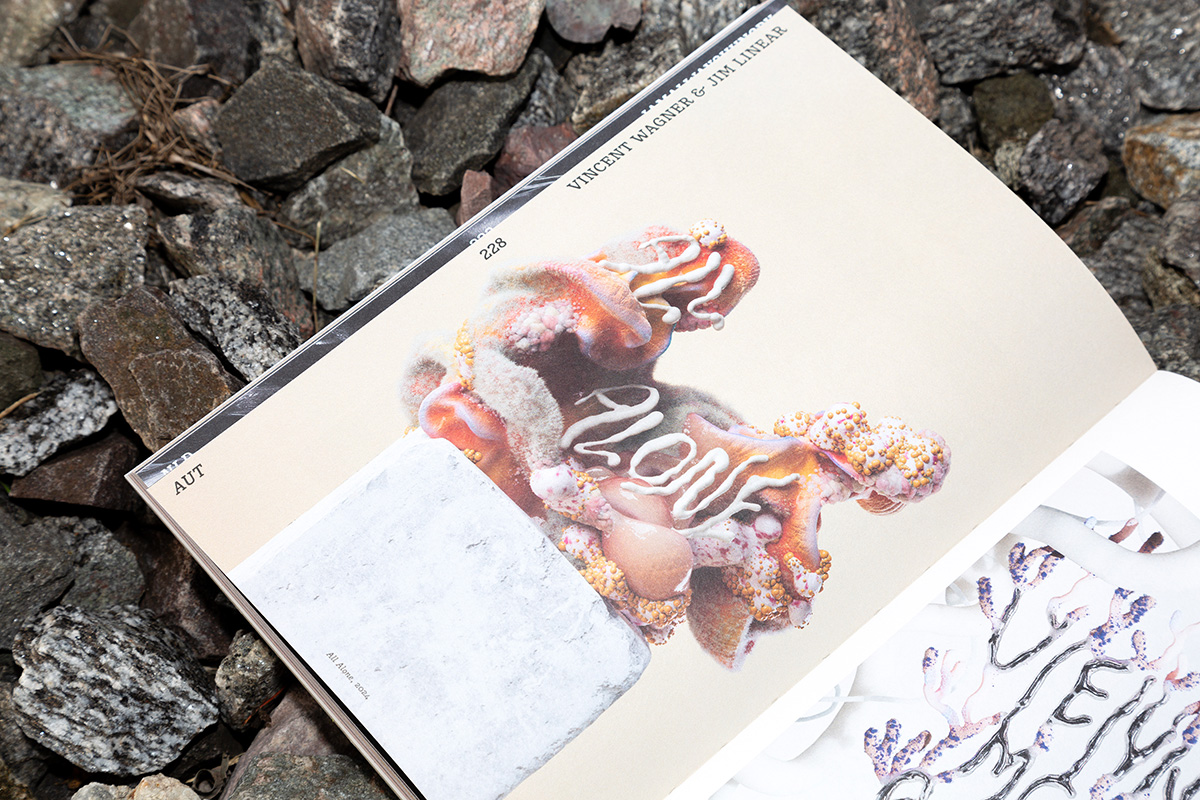
Yearbook of Lettering #2. Published by Slanted
AS: Do you have a sense that there’s still something your publishing programme lacks?
JK: I wouldn’t say that it’s lacking something. I think, because we are a small team, we can probably adapt more easily to topics that are relevant at the time. But you never know what’s coming up.
We had an event last week in the office, and I showed one project we made in 2022. It is called Posters Can Help, and it was a project with which we wanted to raise some money for Doctors Without Borders and Art Helps. It was just meant as a project with which we, as designers, could give something back. People who wanted to be in the book paid €10 for a small presentation and €100 for a full page to present their poster.
In the end, when the book was out, the content was very much related to the situation in Ukraine at that time. We did not know that beforehand, because we were preparing the project six months in advance. So you never know what is coming up.
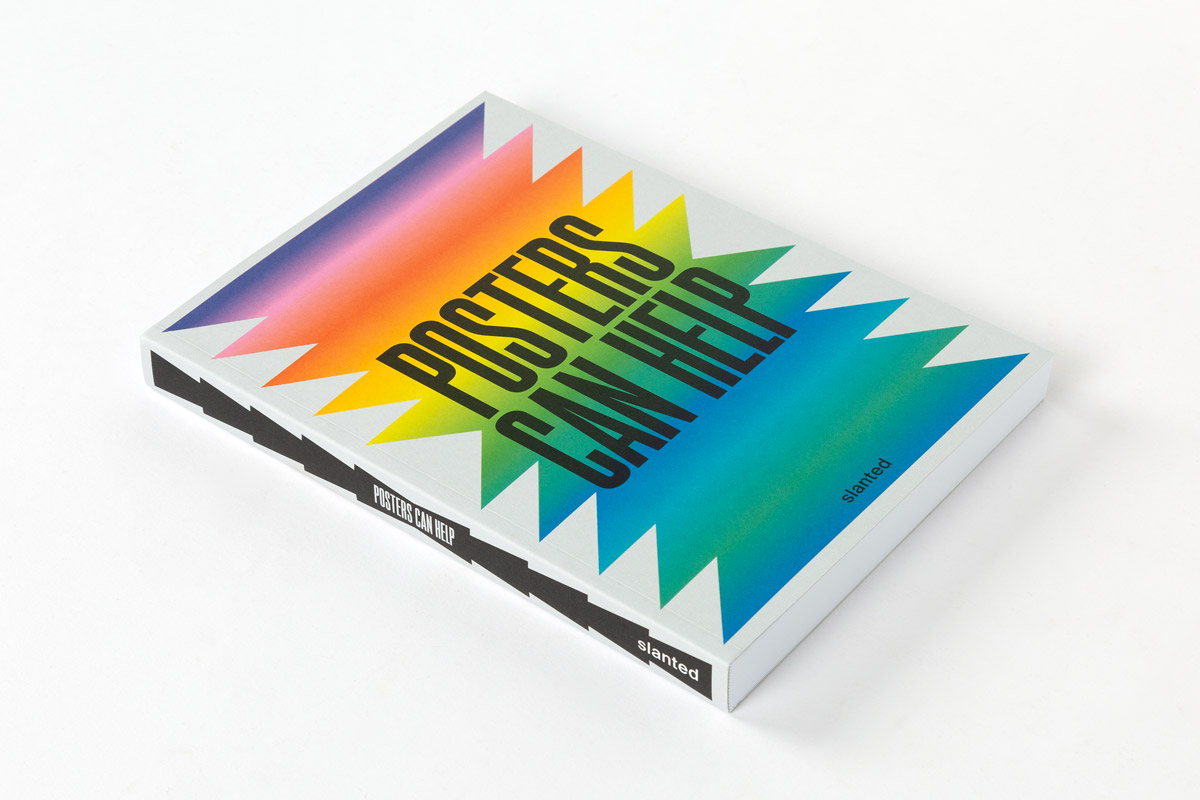
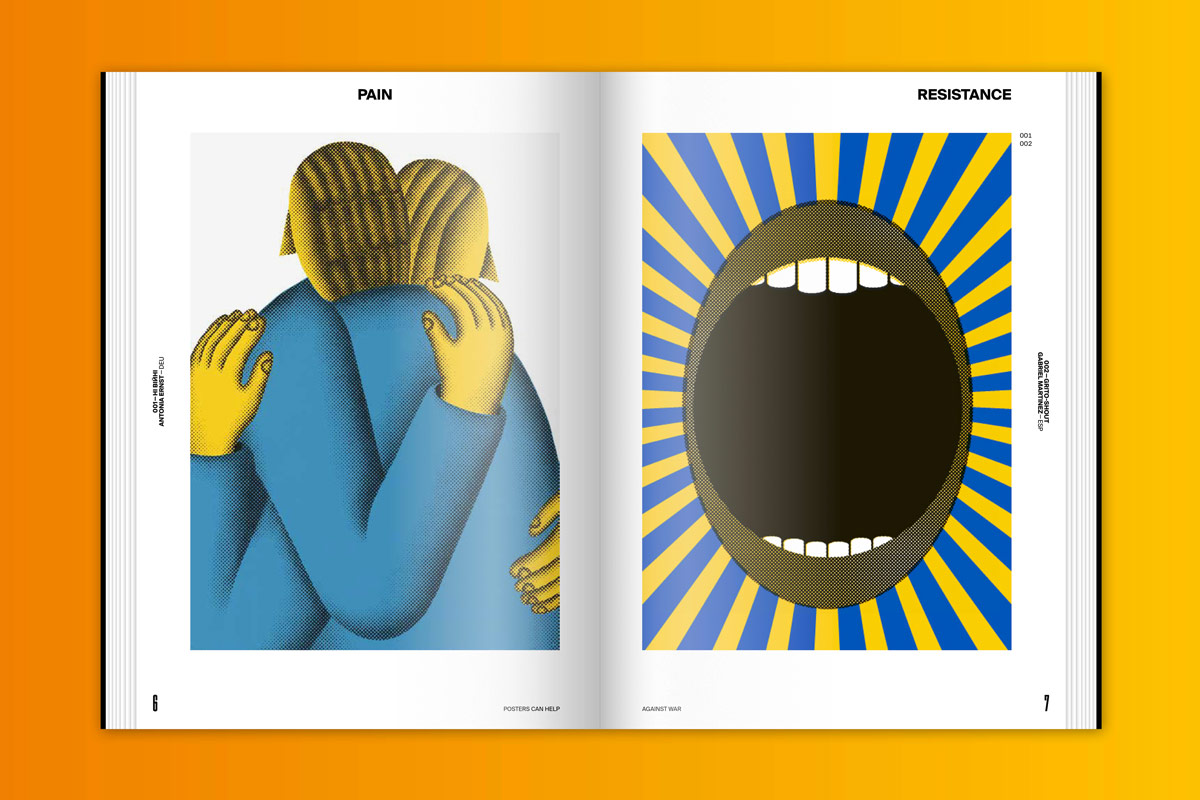
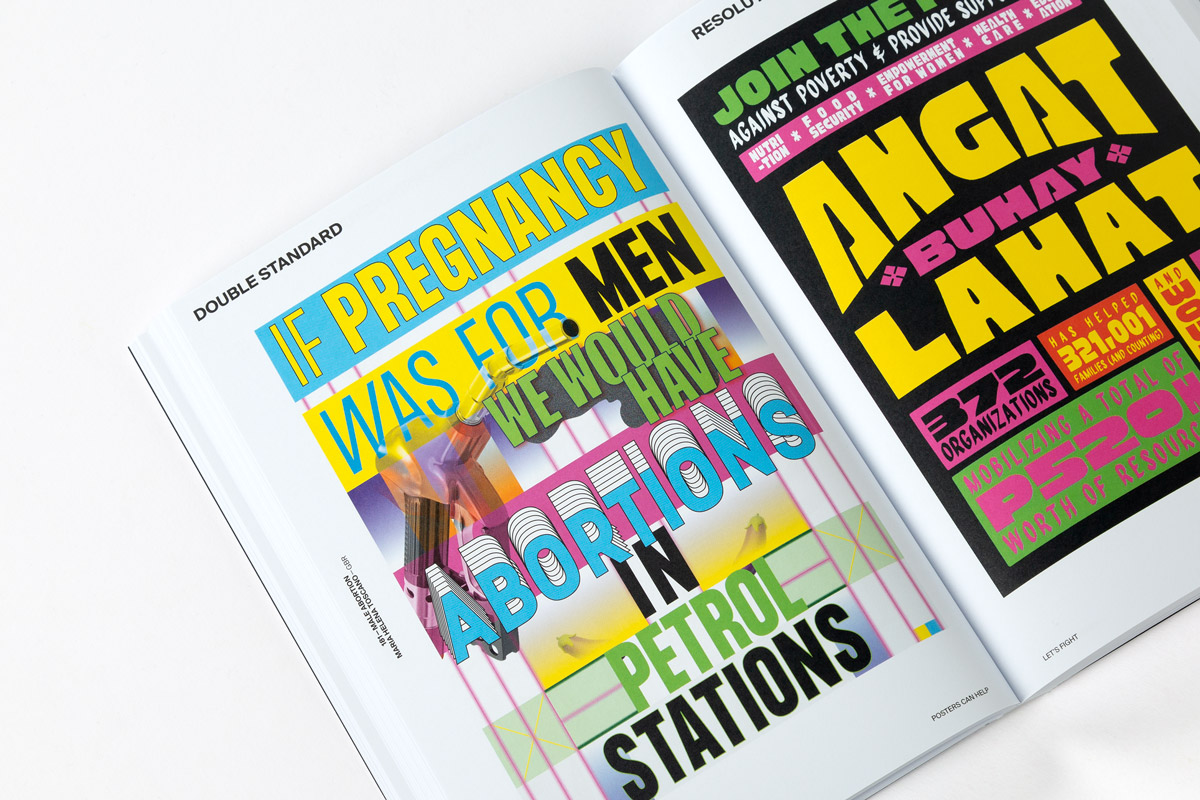
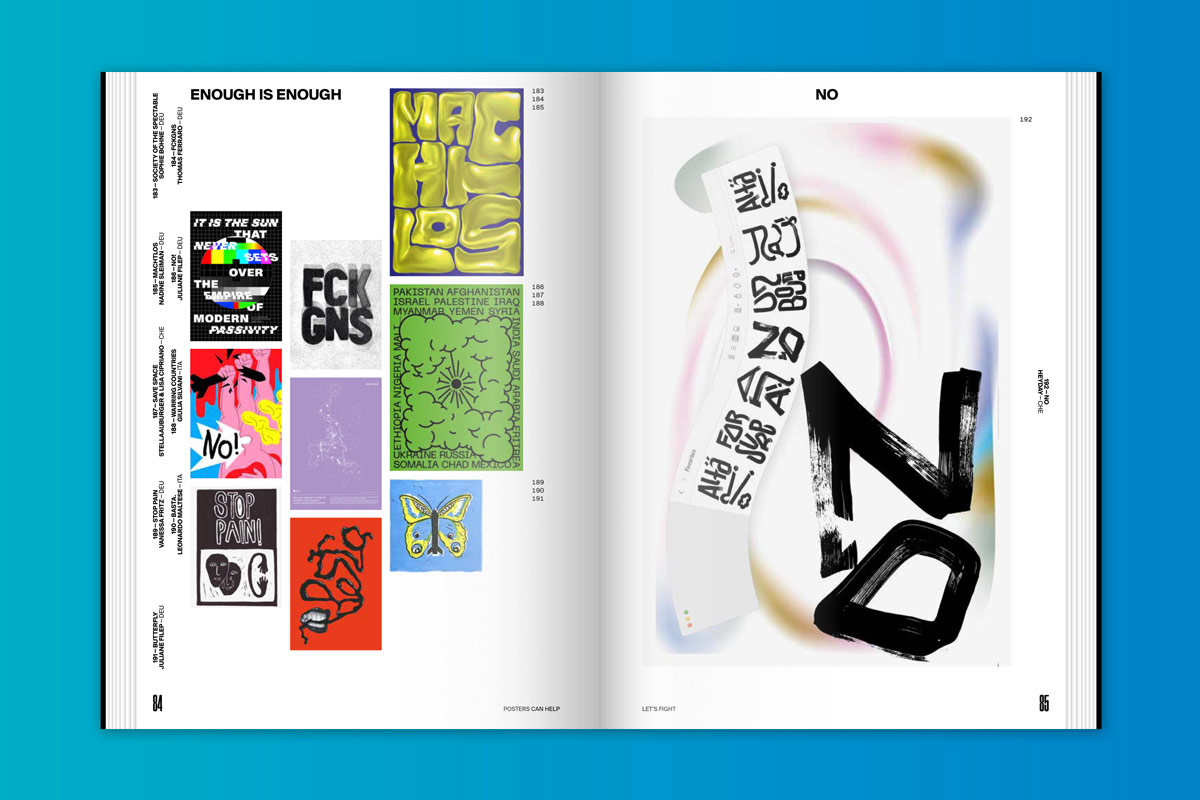
Posters Can Help. Published by Slanted
AS: Don’t you see it as a problem in the publishing business, that you cannot react instantly?
JK: Yes, it’s true. But I think we’re very lucky that we have very good online channels. We are designers, we are publishers of books and magazines, but we’re also a media house. We have so many online channels on which we publish news and stories from other designers every day that if something is happening in the world, we can react online very easily and in a very short time.
And I think the crisis that happened a few years back, when you heard the saying ‘print is dead’, and a lot of newspapers had to stop their production, was
AS: You mean print is dead for good?
JK: Partly, yes. Definitely for some formats. On the other hand, of course, it’s getting more difficult to survive with a publishing house and printed matter.
During COVID, there was a shortage
AS: Your publications look like a carefully curated collection. Do you have a set of design guidelines that every publication follows?
JK: I think the overall guideline is that typography is the main focus. I think there are some interesting examples proving it. We have a publication called Tender Digitality, edited by Charlotte Axelsson. It has nothing to do with typography in general; it’s a reading book, but we carefully selected typefaces and design decisions for it. So, for example, we used different weights of the typeface on one page to create a gradient. Also, for the page numbers, we used a script typeface that is pixelated.
It’s not a book for graphic designers where you have a lot of images, there are nearly no images inside, but because of these beautiful design pages, it’s becoming a very interesting title. I think typography is it all, and it doesn’t have to be a lot. It’s the small details that make it interesting.
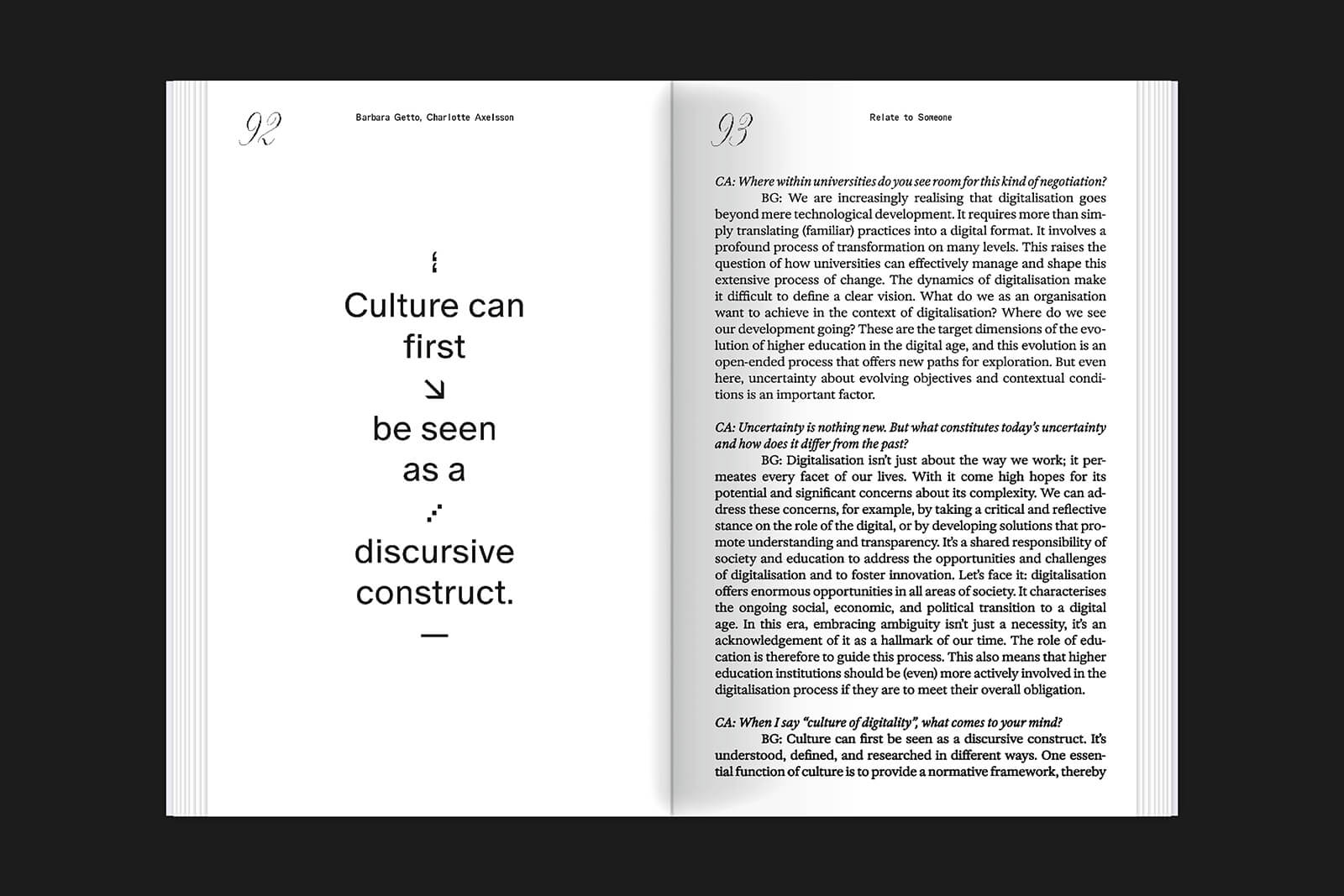
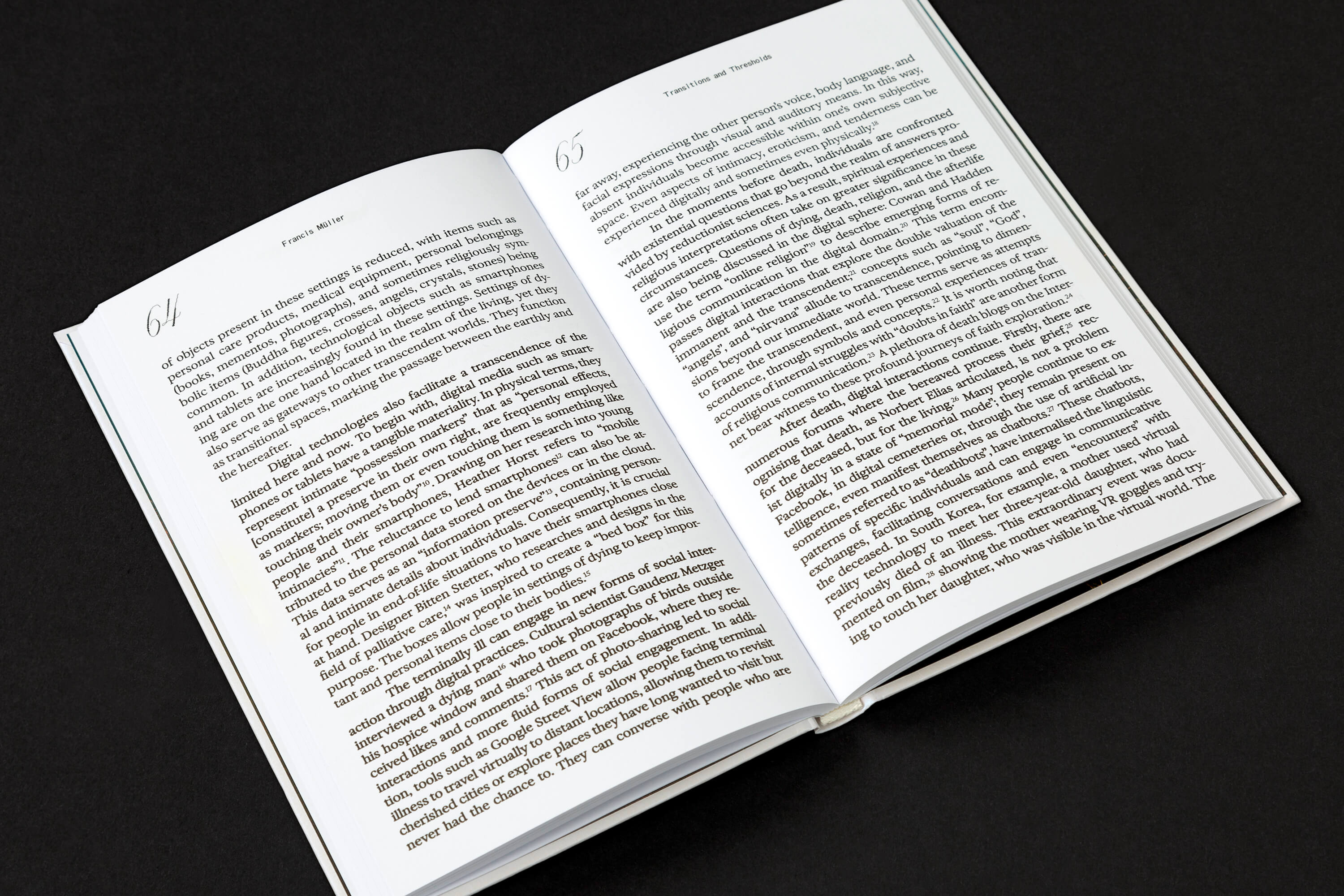
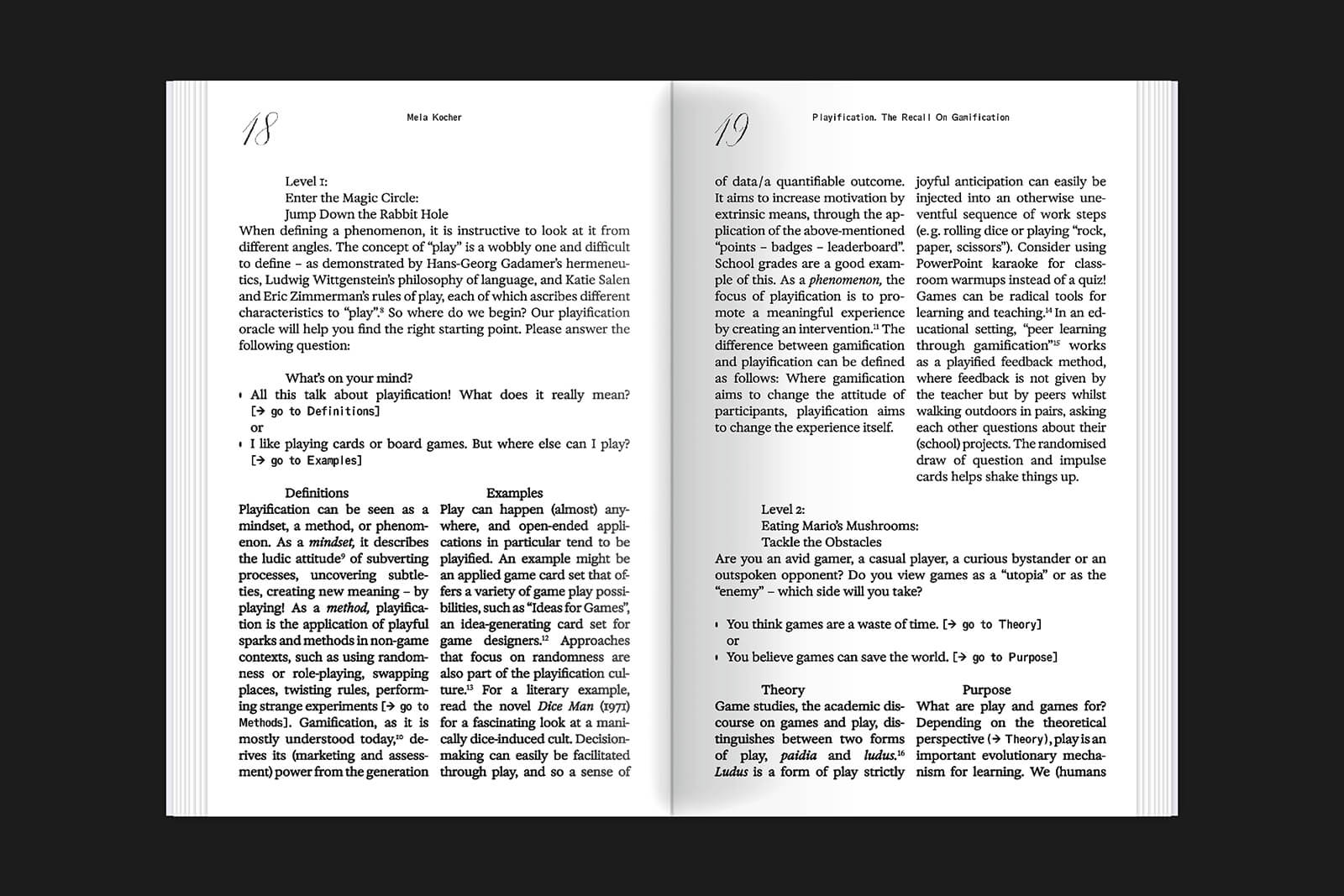
Tender Digitality. Edited by Charlotte Axelsson. Published by Slanted
AS: So let’s finally move to the regional editions. How do you choose the places that you are going to cover?
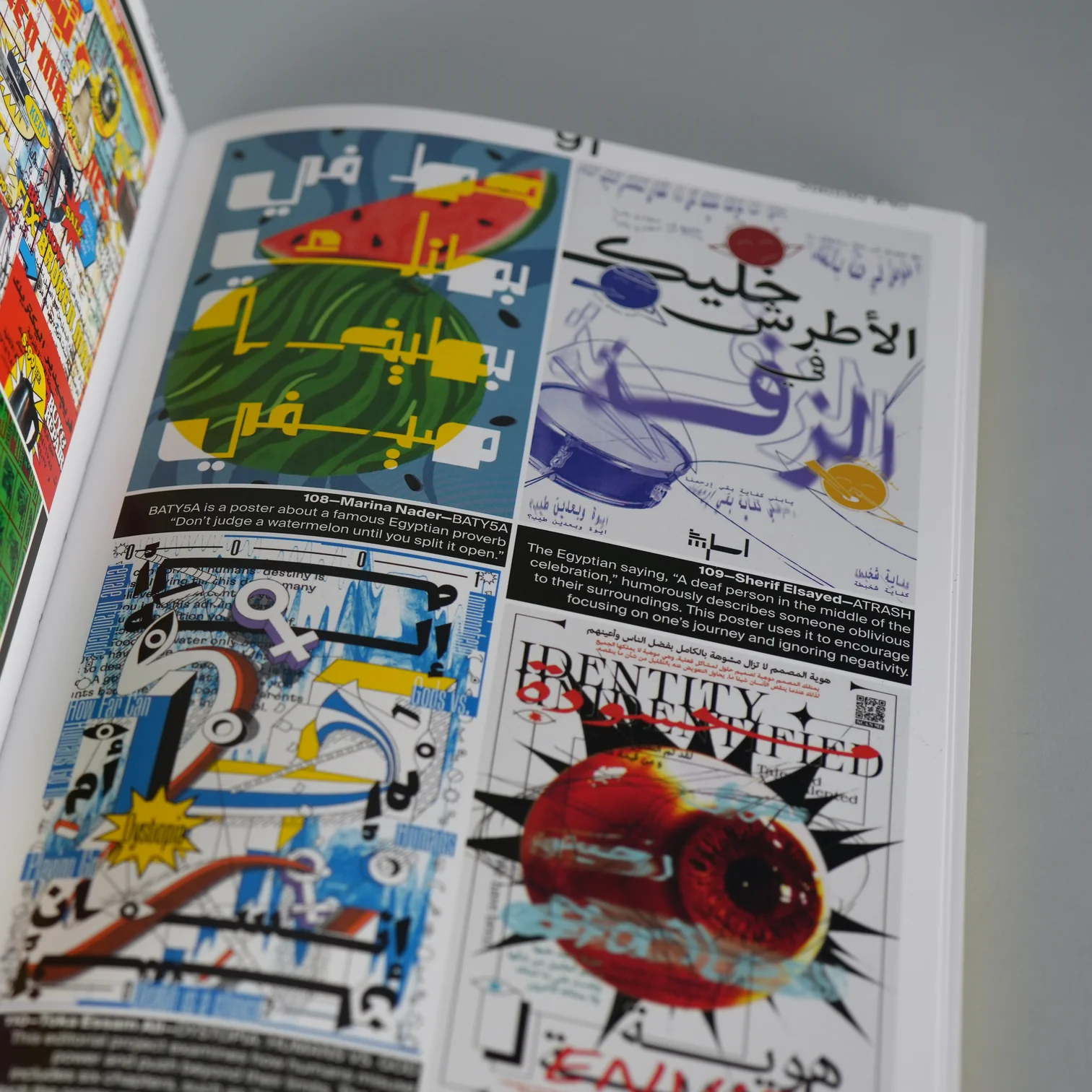
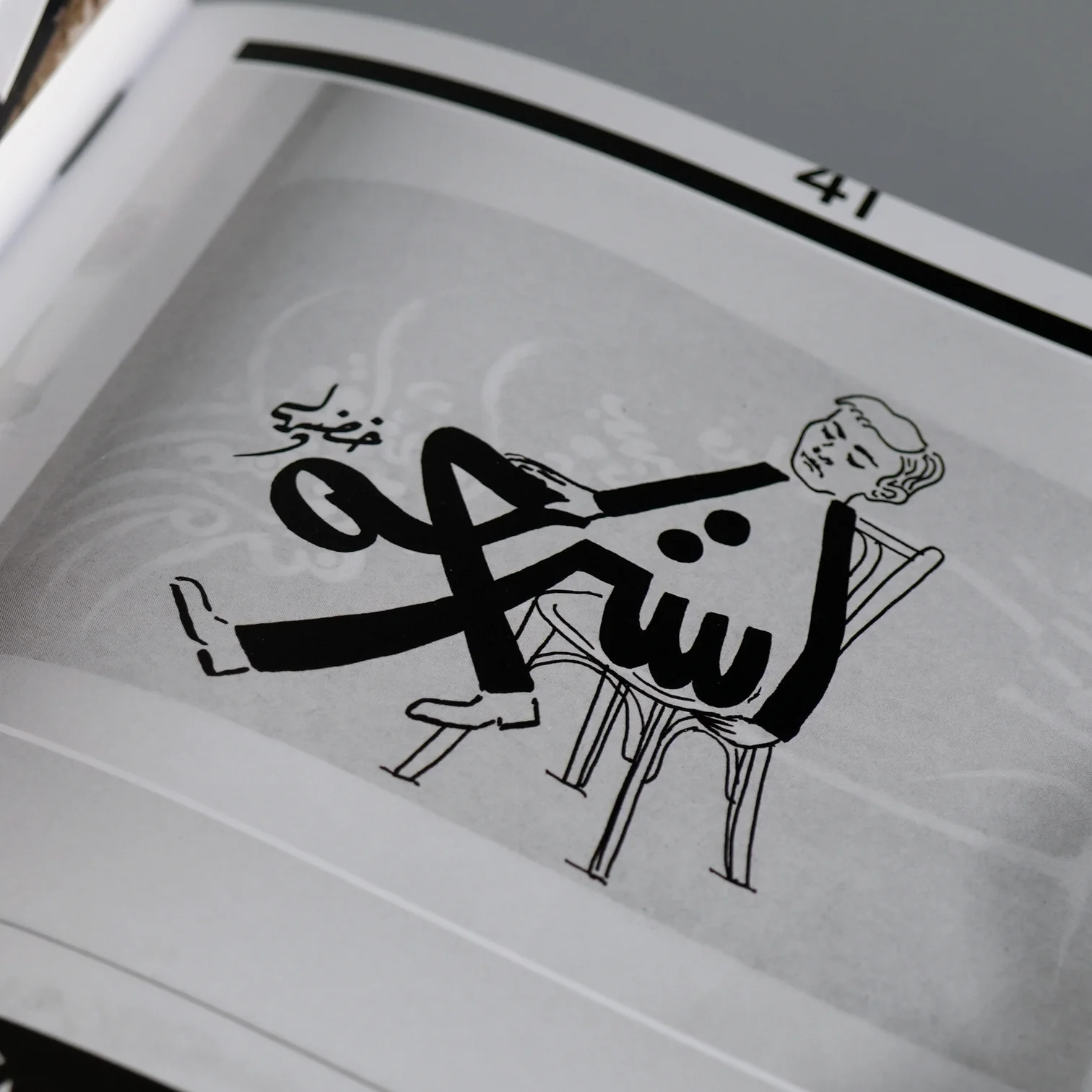
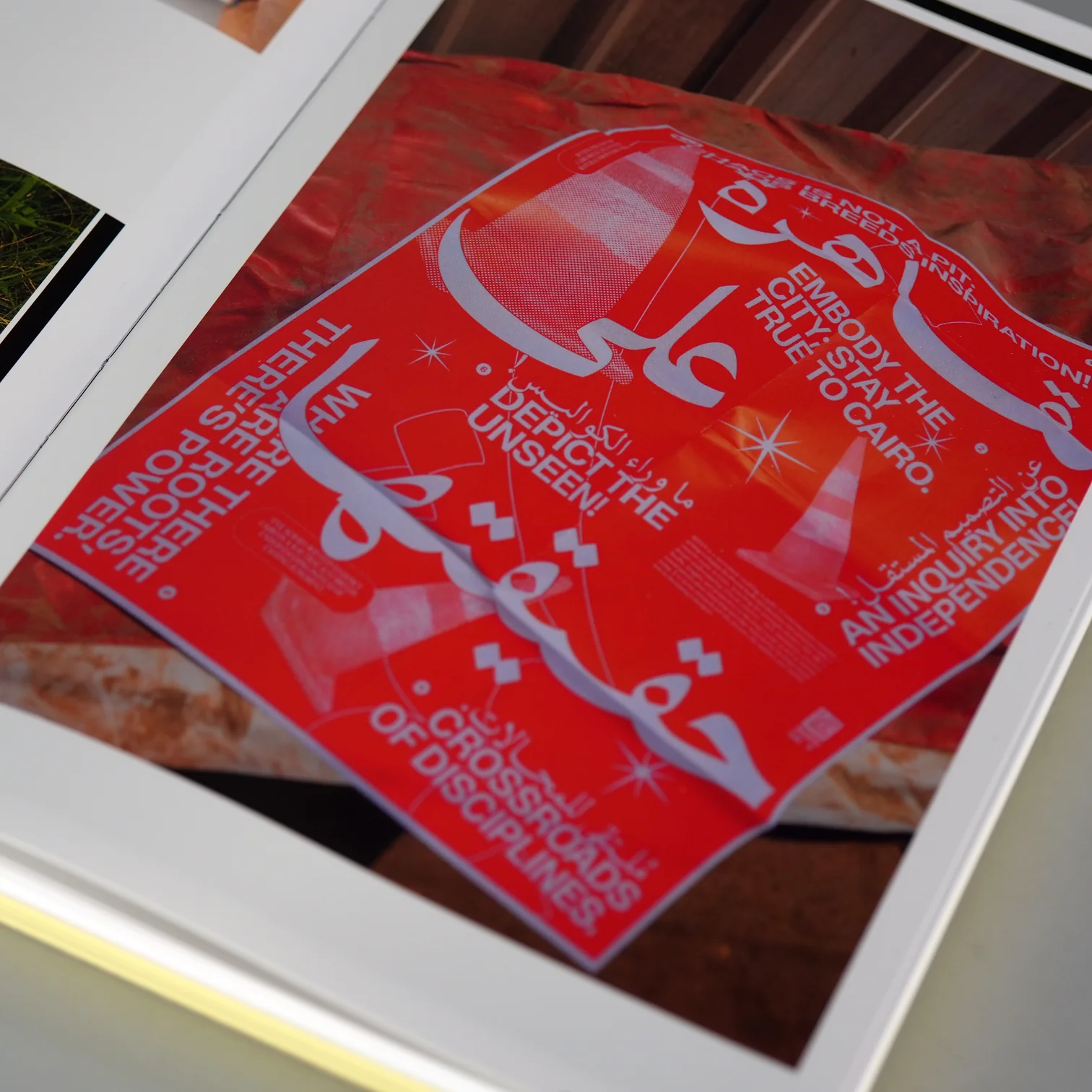
JK: We don’t look at a map and then decide, ‘We’ll go there.’ It’s always connected with some personal contacts that we have in the region. We went to Egypt because a friend of ours, Markus Lange, was teaching there for six years at the German University of Cairo. He always said, ‘Come over, you have to have a look at the design scene here! There’s so much going on,’ and we didn’t manage to go there. Then he came back and said, ‘Okay, this is the last time I’m telling you to go to Cairo, because my connections are still fresh.’ And then we said, okay, we have to go this time. Markus helped us a lot with getting appointments with the designers.
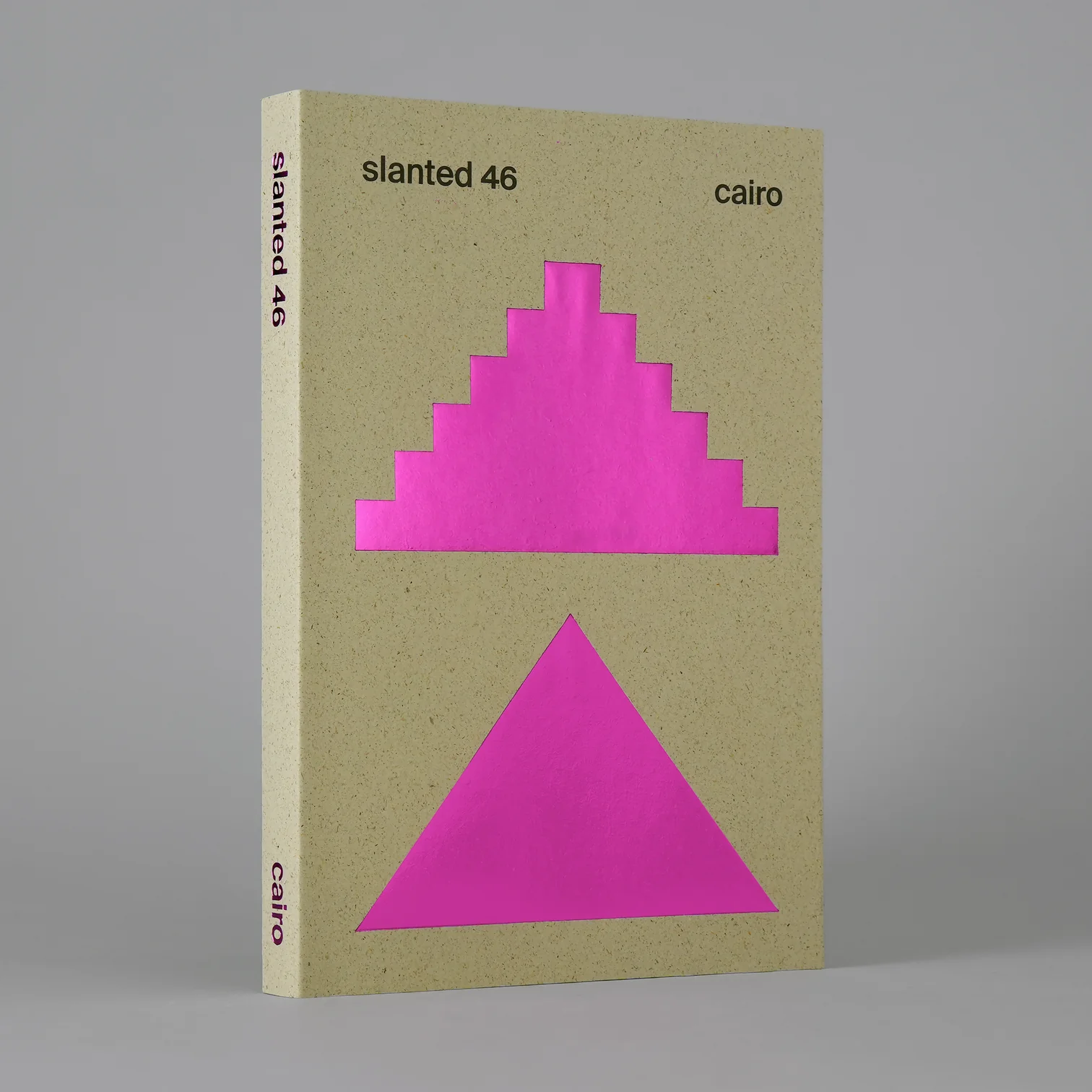
Slanted Magazine #46—Cairo
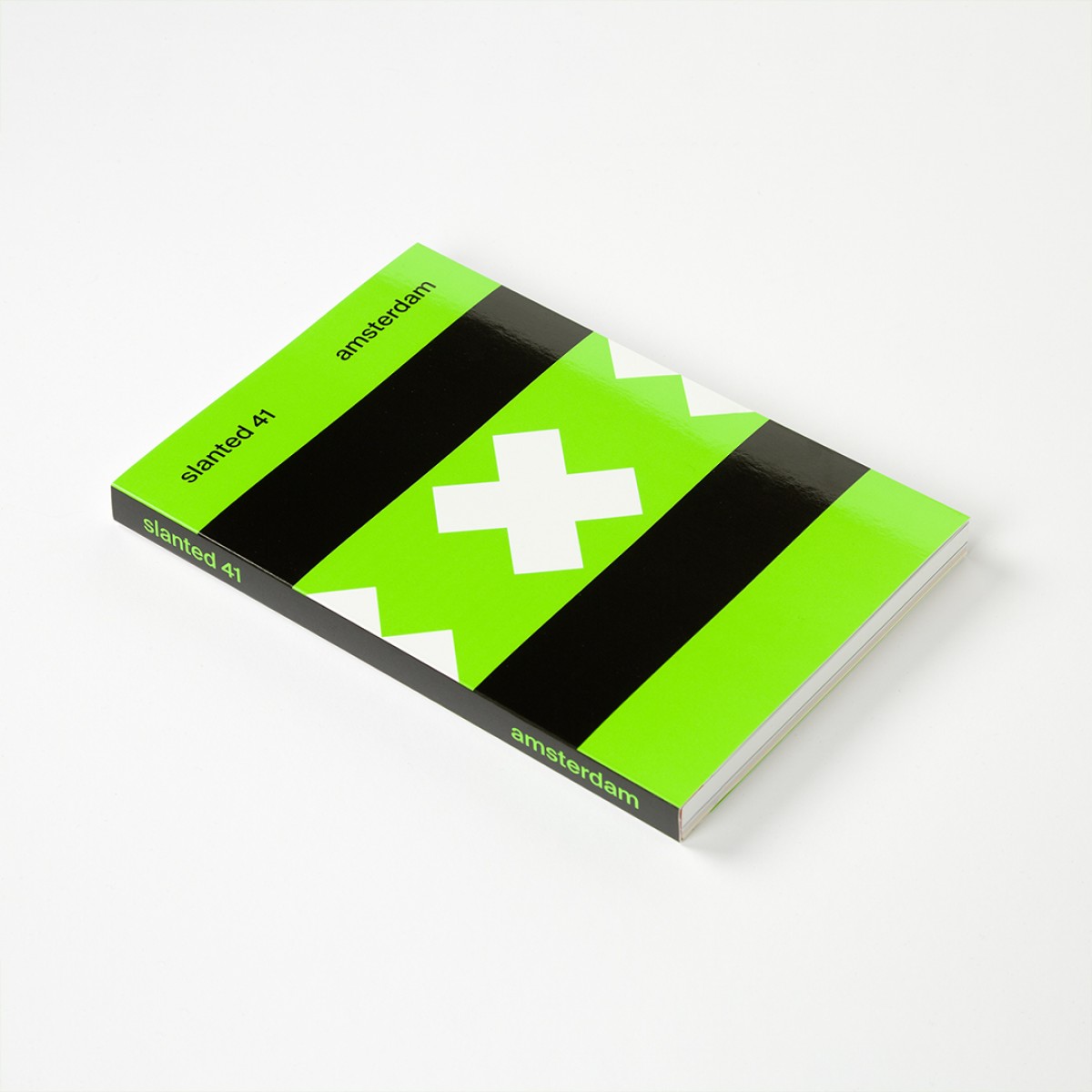
Amsterdam, for instance, had been on our list for quite some time. It’s one of those cities that naturally belongs on the design map, and on top of that, Lars’ son had recently moved there, so we also had a good reason to visit and reconnect with several contacts. In general, we try to strike a balance between cities that are well established in the design world and places that are perhaps less obvious but particularly exciting because something new is happening there.
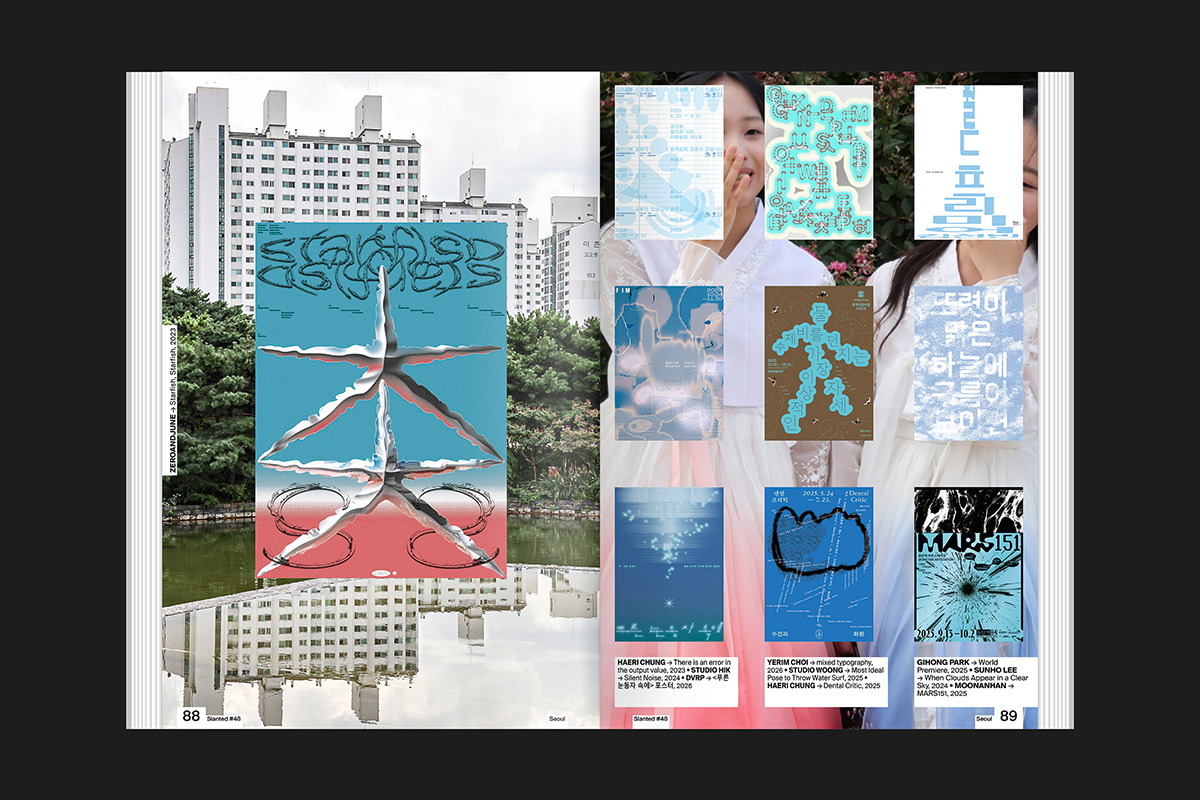
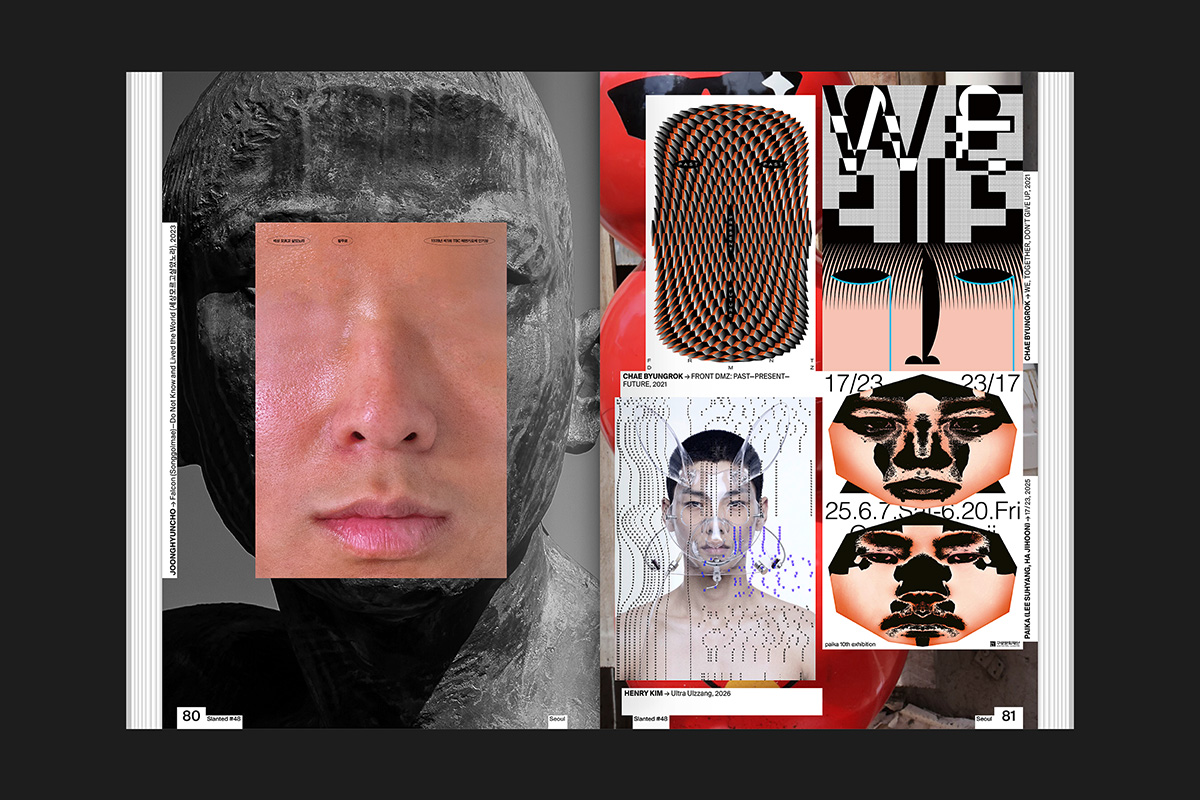
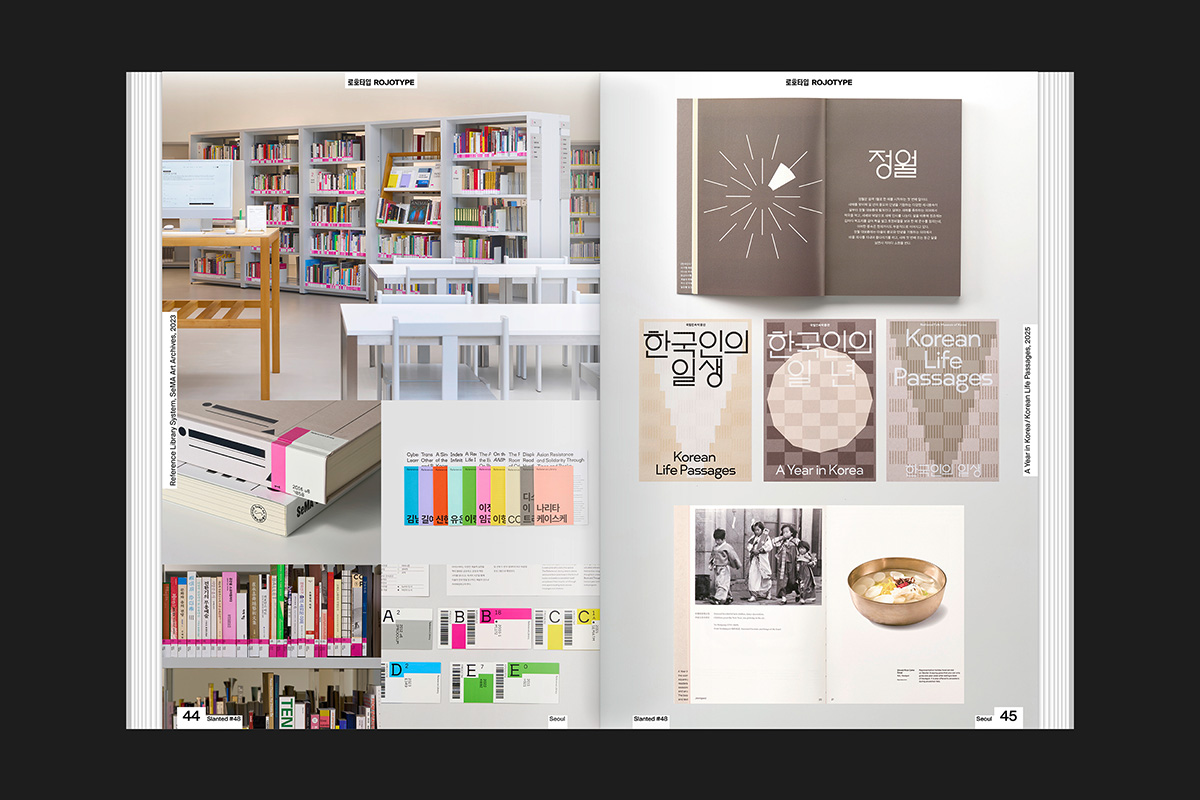
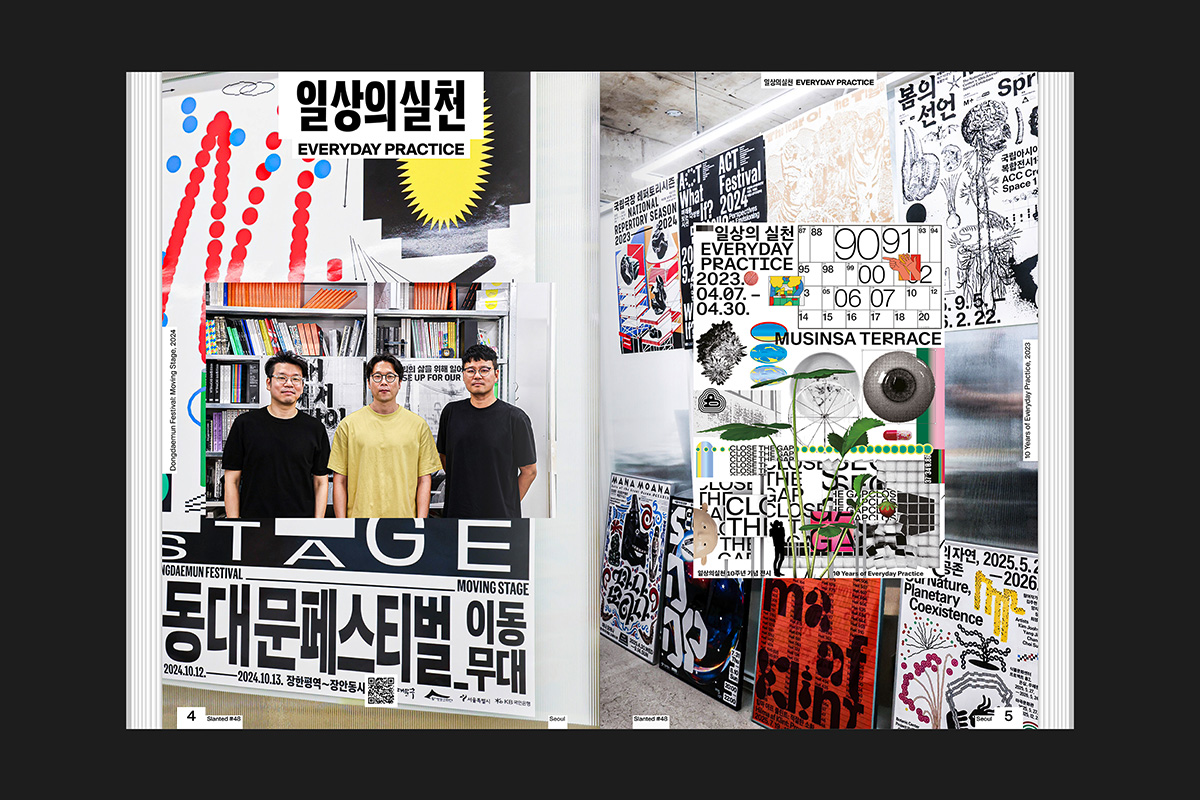
We always go to the places we write about; we physically meet the people in their studios and make video interviews with them. Then we go back and start designing the issue. It’s a completely different way of working when you go there, instead of doing such an issue remotely from the desk. Afterwards (or sometimes before), we also have a call for entries, where we ask people from a certain country to submit their work. The upcoming issue will be on Seoul, and we have already received 1,500 submissions.
The issue usually contains two parts: a part where we present the people we met, and a part with works selected from the submissions. With the open call, we have the possibility to find young designers who are probably not always in the spotlight and give them a stage.
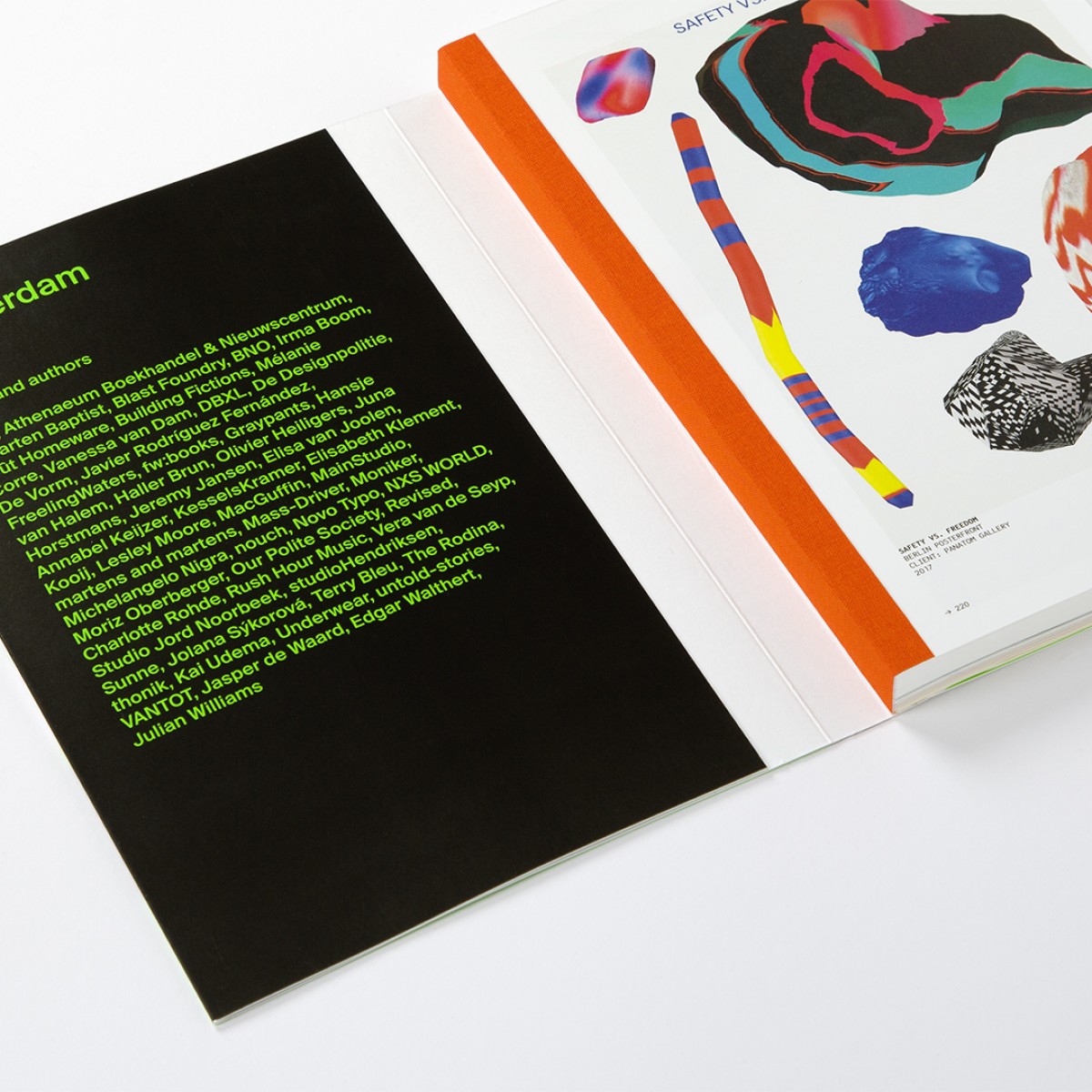
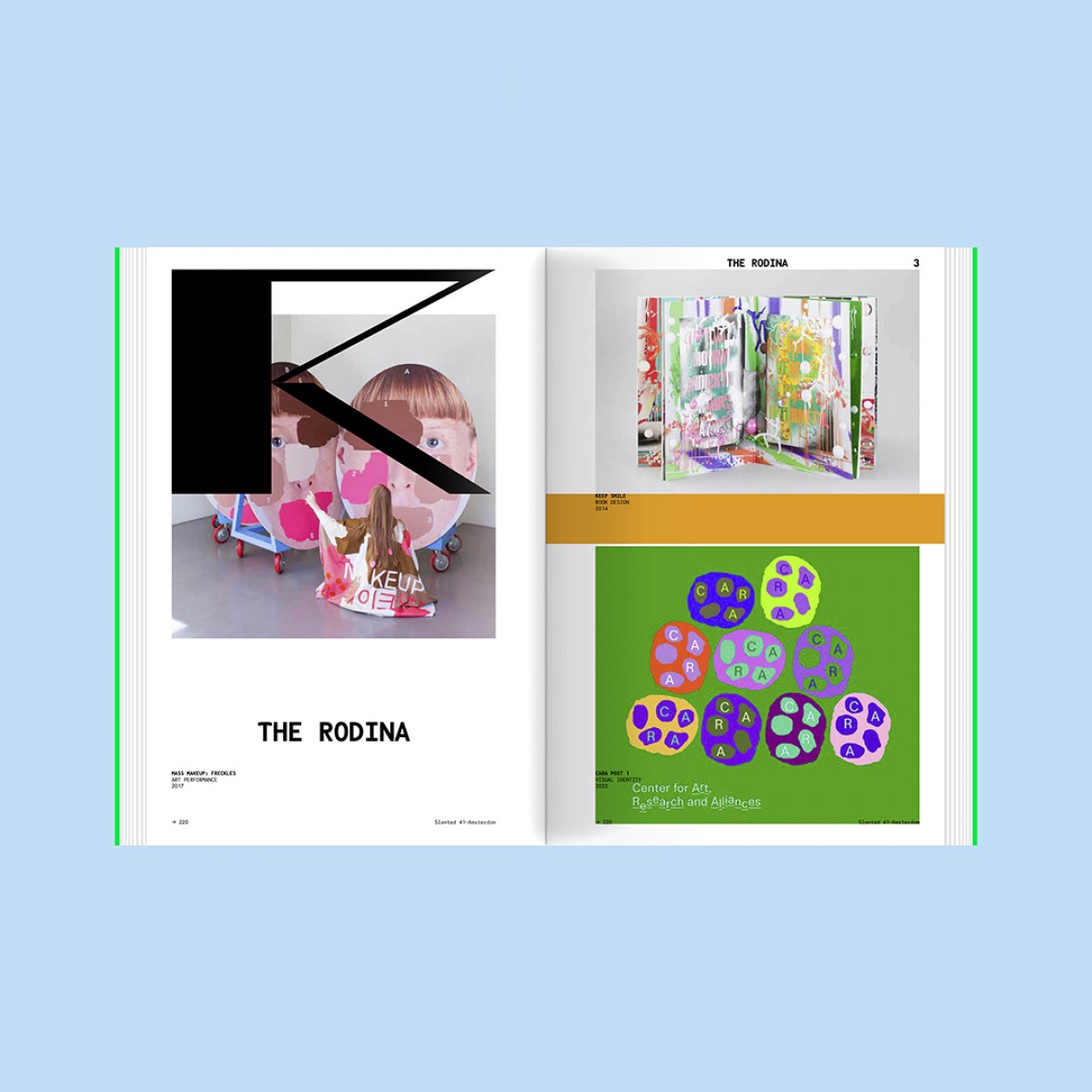
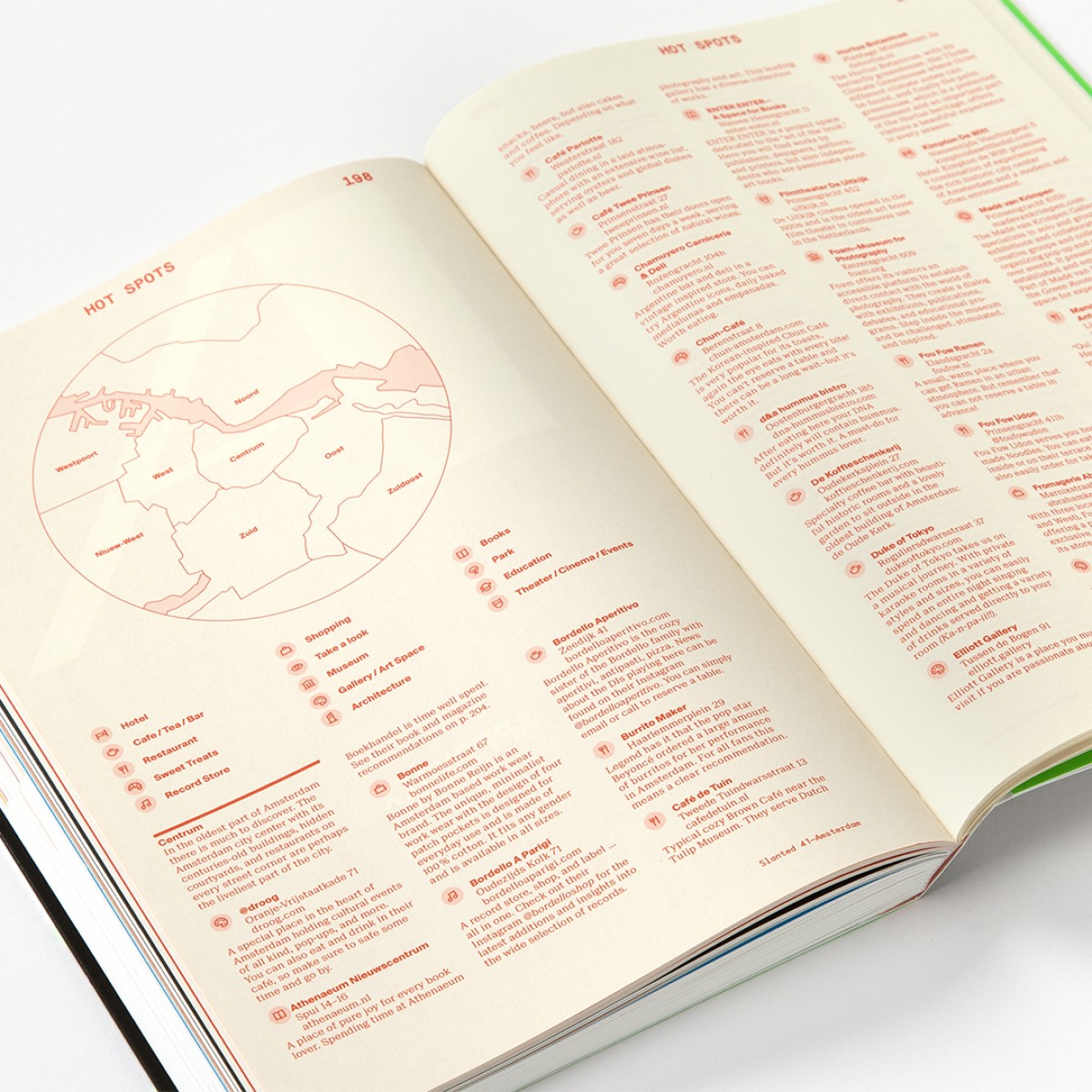
Slanted Magazine #41—Amsterdam
AS: How do you approach the work on site? Where do you stay, for
JK: It’s different every time. Sometimes we go to so-called classical hotels, because we might have a hotel deal with them, which is good for us because those travels are super expensive and it’s very difficult to cover the travel costs.
But most of the time we stay in Airbnbs in the neighbourhoods of the people we meet. And of course, we go to lunch and dinner with them. Once we are there, we have a full schedule because the designers want to show us special things in their area.
And we plan time for that as well, because it’s super important for us to be with the locals and also spend time together. For instance, we were in Stockholm during Midsummer. So we celebrated a classical Midsummer event with the Swedish people.
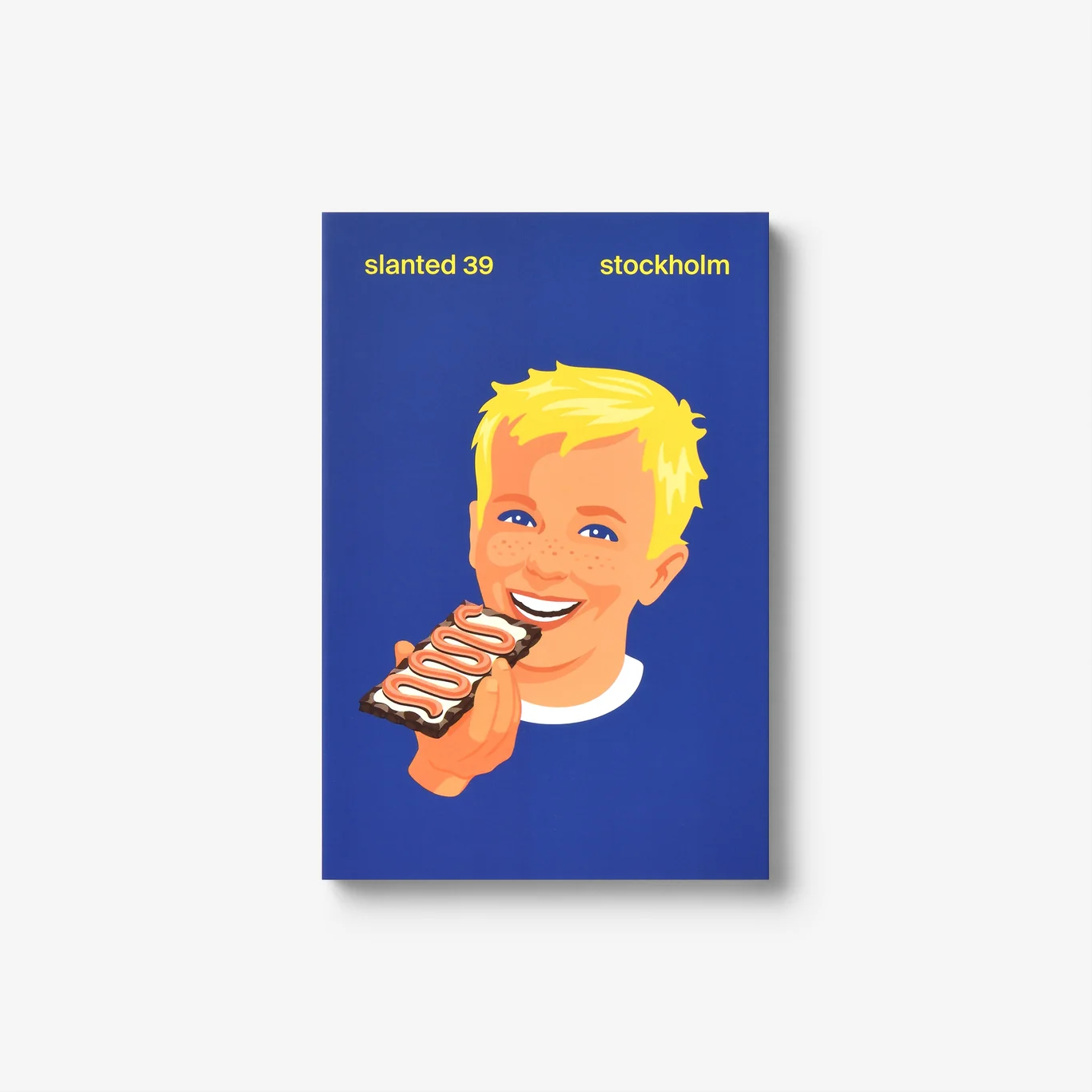
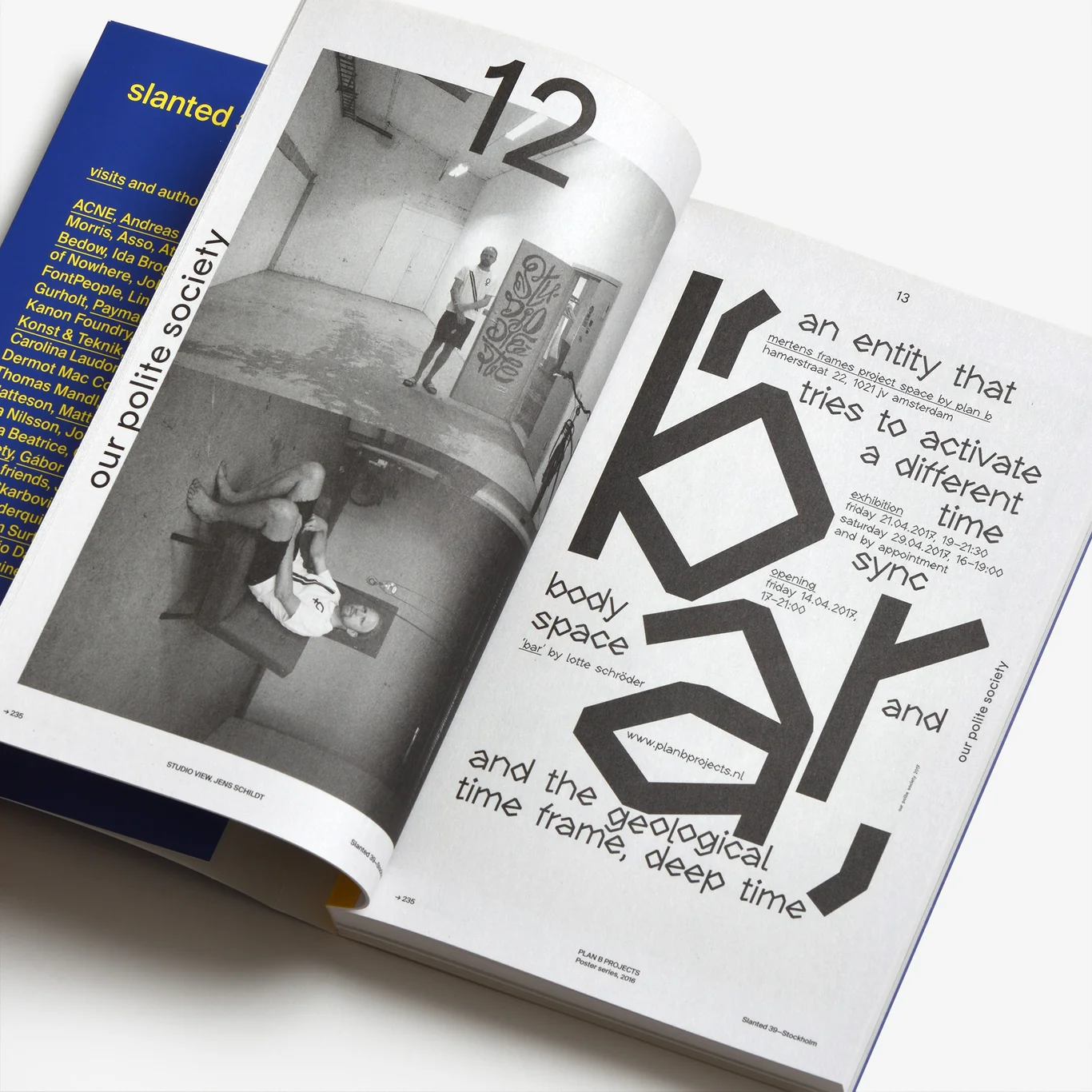
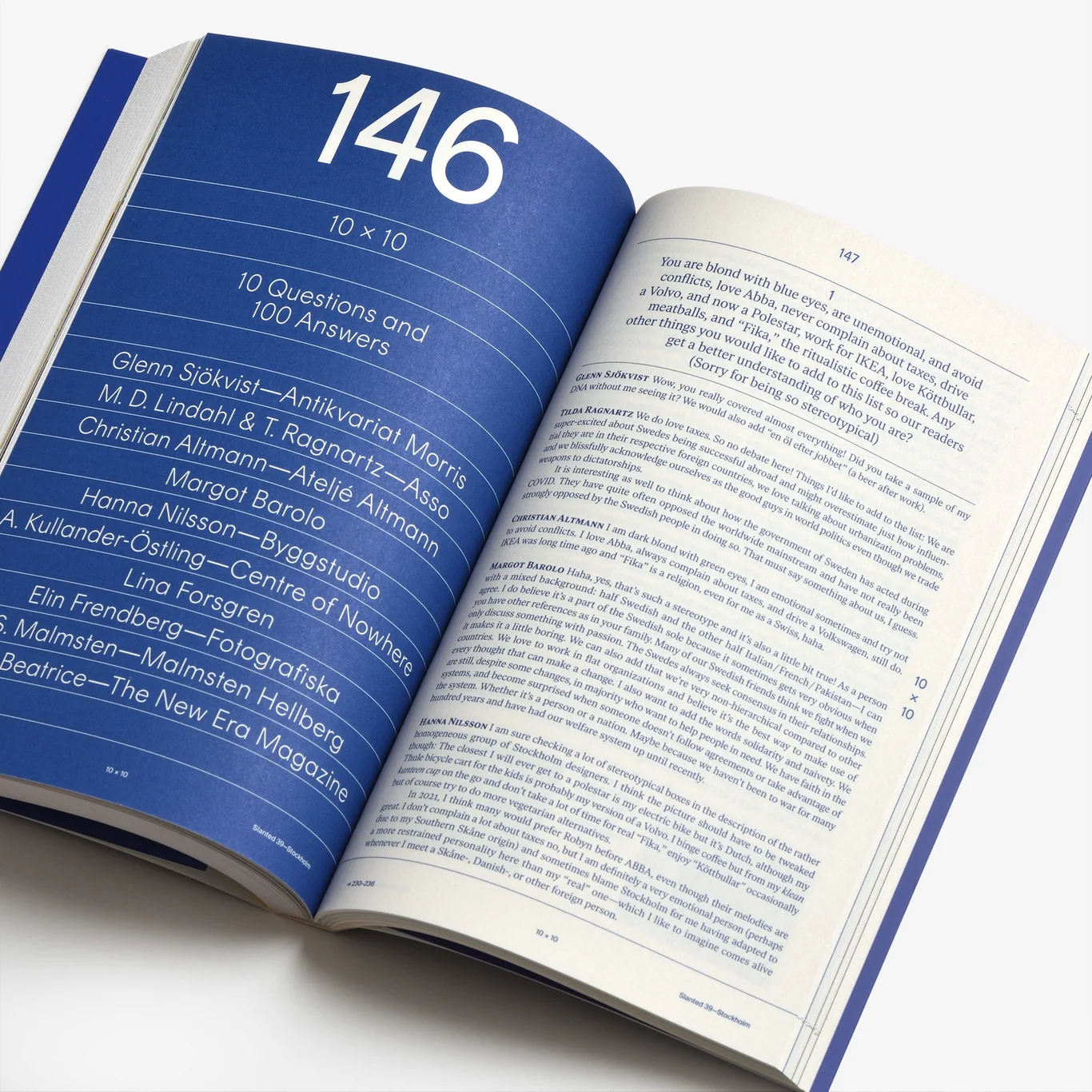
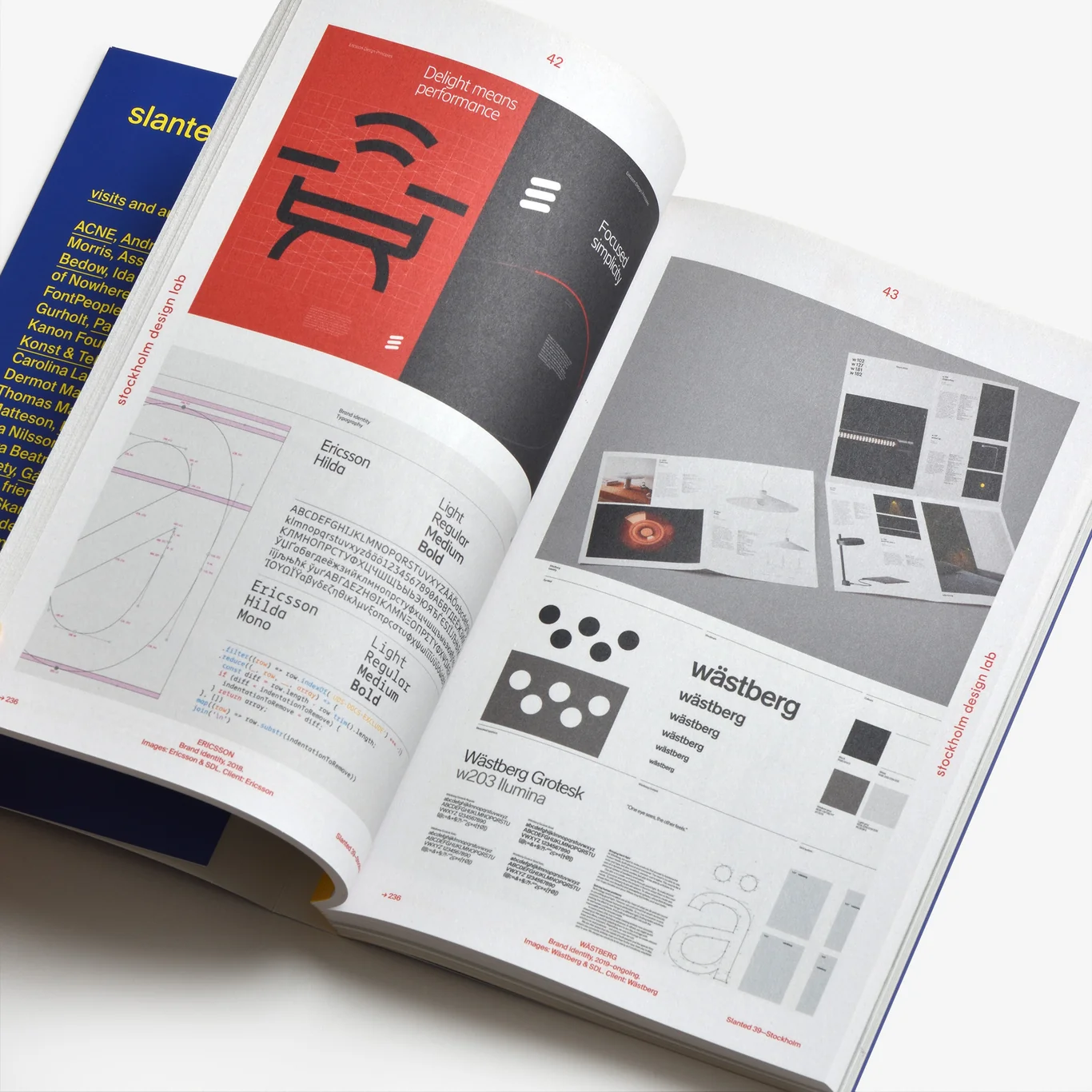
Slanted Magazine #39—Stockholm
AS: Didn’t you notice that globalisation made national design identities more difficult to recognise?
JK: Sometimes probably, yes, but when we were in Cairo, it was very clear that they still have a specific style. Of course, designs from that area might be more recognisable because they are working a lot with Latin and Arabic on the same poster. But aside from that, the design from Cairo is always very colourful, very loud, very vibrant.
Sometimes the design comes from the craftsmanship that you still have in places like Egypt, and that you lose more and more in countries which have a long tradition of design, such as Germany or Switzerland. Yet people say that one can recognise a poster from Switzerland because of the Swiss style.
I don’t think there is a very specific and visible style everywhere, but still there are some things that could give you
I think that people whom we meet try not to design in a way that you can see every day on Instagram. I have the impression that they are looking for their roots and trying to find a design language that reflects their heritage.
AS: How do you avoid exoticising the design scenes you present in the regional issues?
JK: It’s not a question that we ask ourselves. We are not thinking whether it’s okay for us to go to Rwanda, where we have also been. We just go there and see what’s there.
A big factor is that we have connections on the inside, and we are not visiting the countries as tourists going to design museums.
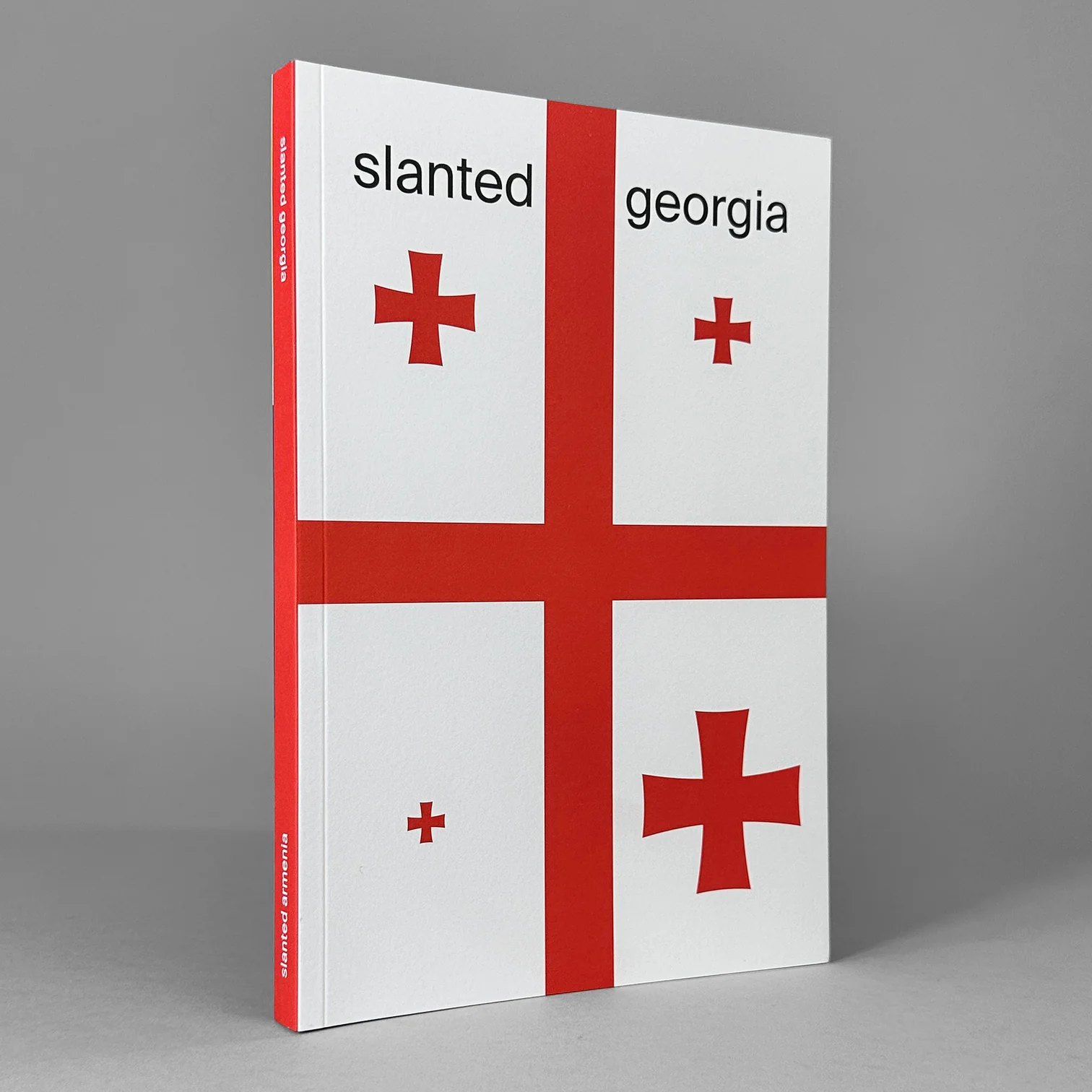
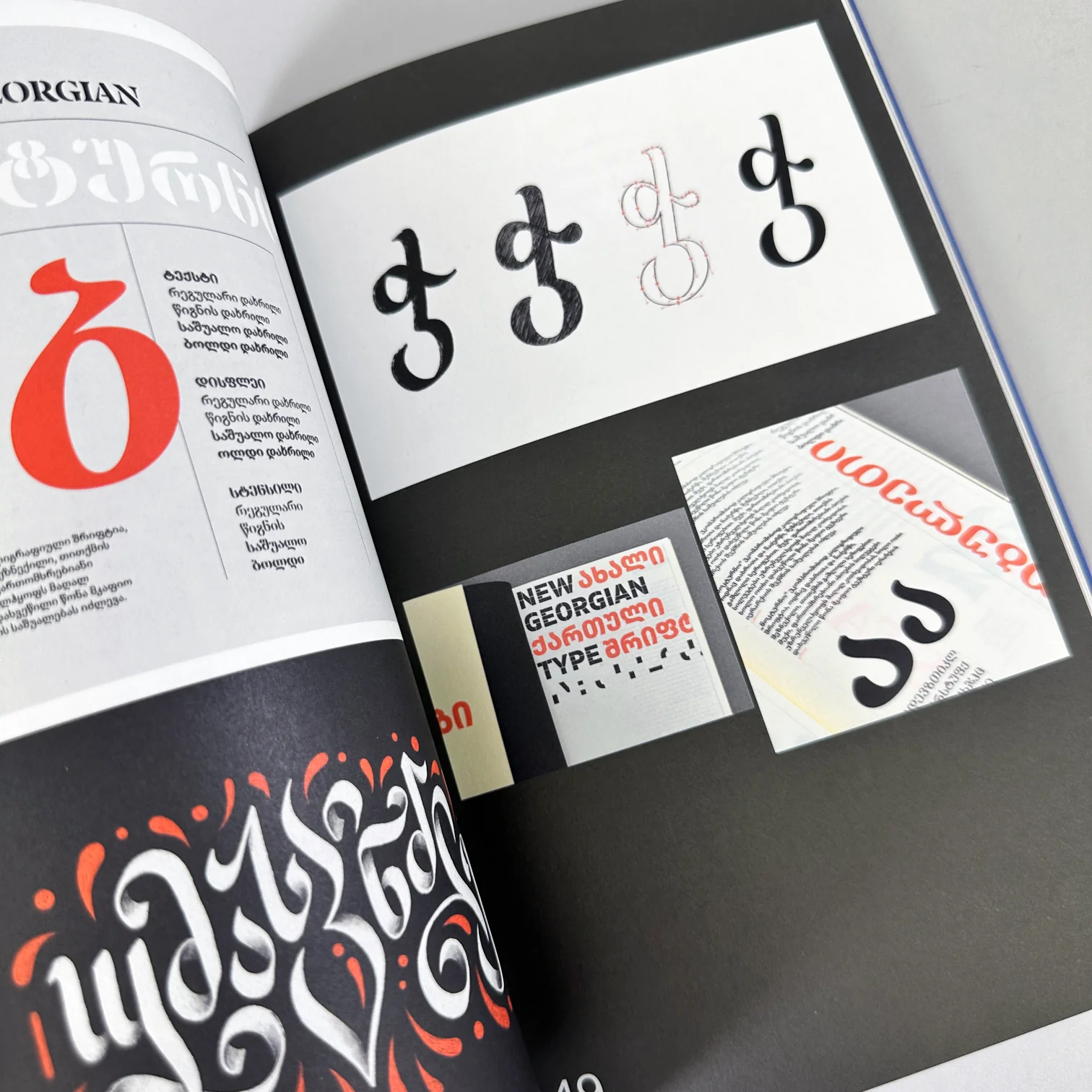
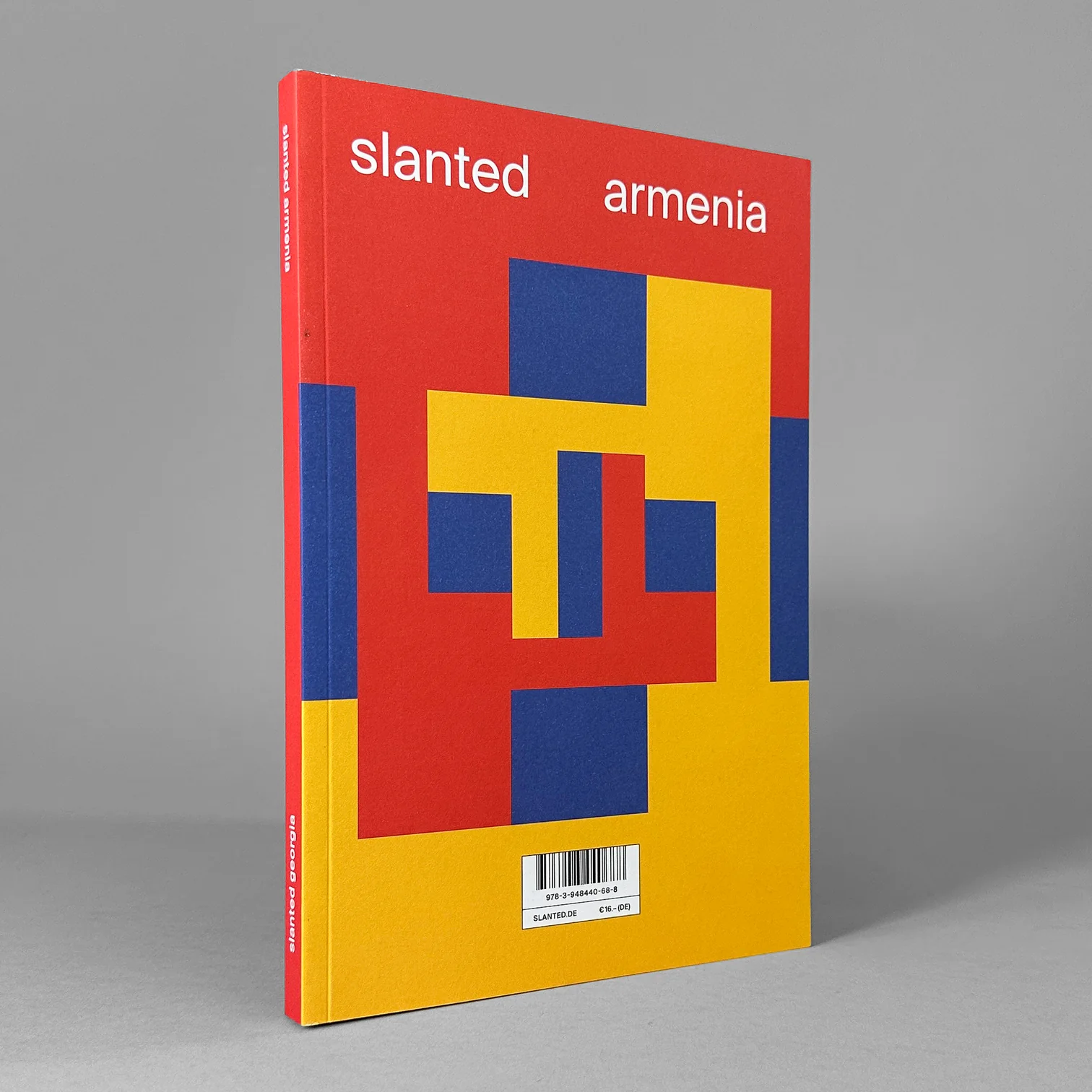
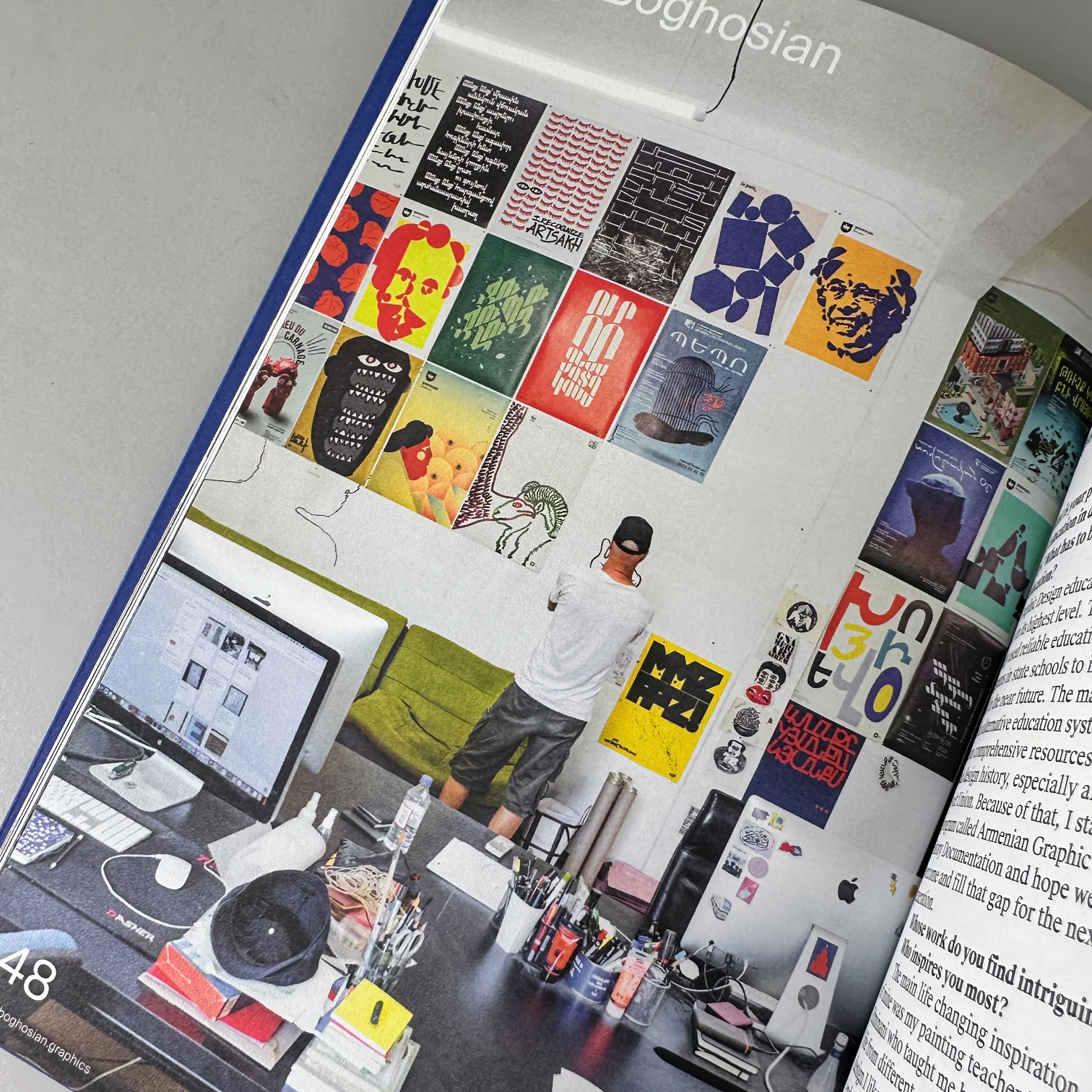
Slanted Special Issue Georgia/Armenia
AS: Part of your publishing programme is design criticism. Do you think there are enough critical articles on design now?
JK: I’m not so much into theory. But I think that social media lacks depth in a lot of topics. Of course, you always have websites and magazines that deal with design criticism on a very high level, but are they accessible for the general audience? I think they need to be easier to access, and it would also be good if there were more critical design thinking on social media, because this is where you reach many people.
But how to reach many people with such a complex topic is another question. For example, we just had another book, which was called What Was Design? It’s not a book about design criticism, but a collection of declarations and definitions of design, curated by Florian Walzel. On each page you have big quotes on design, and then you have the context of those quotes in the back. Also, it has tags or keywords that help you find quotes related to a certain issue. And it’s funny because it’s a book, not a website.
So maybe this is one possible approach to reflect on what has been said. It’s not exactly a critical book, but an attempt to make more designers think critically about design.
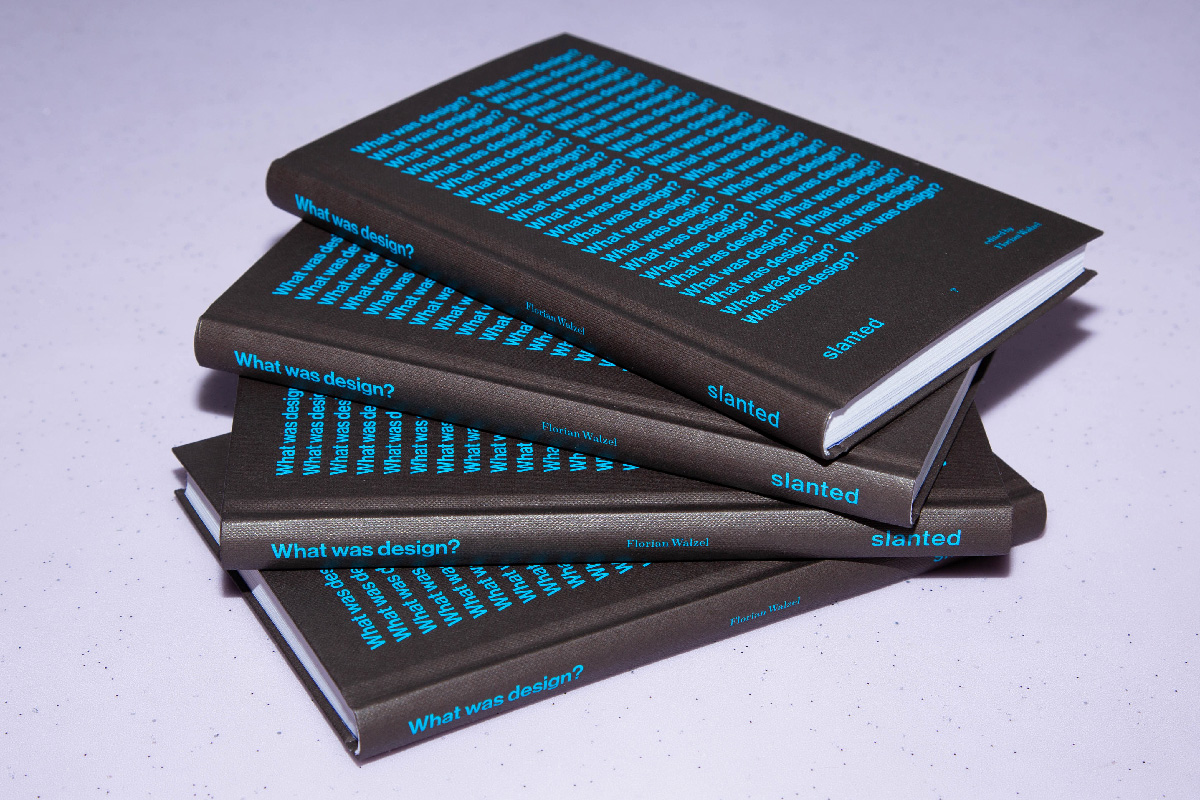
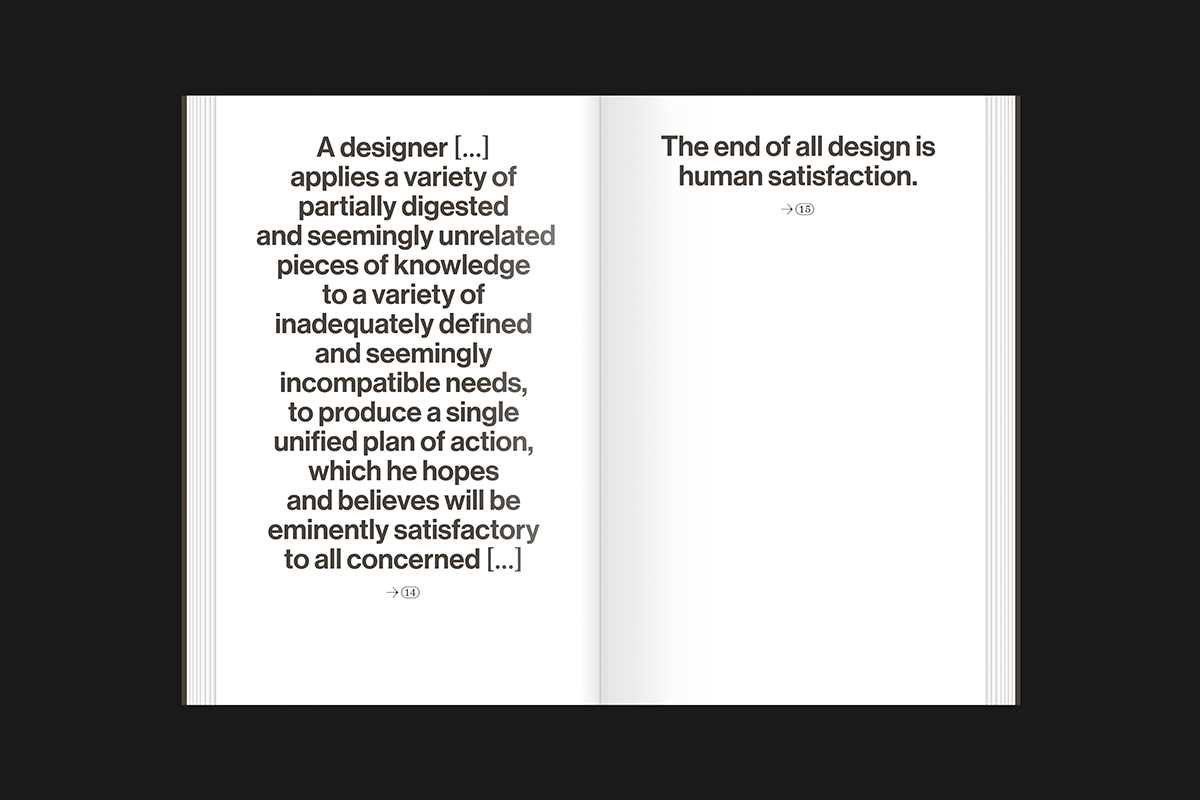
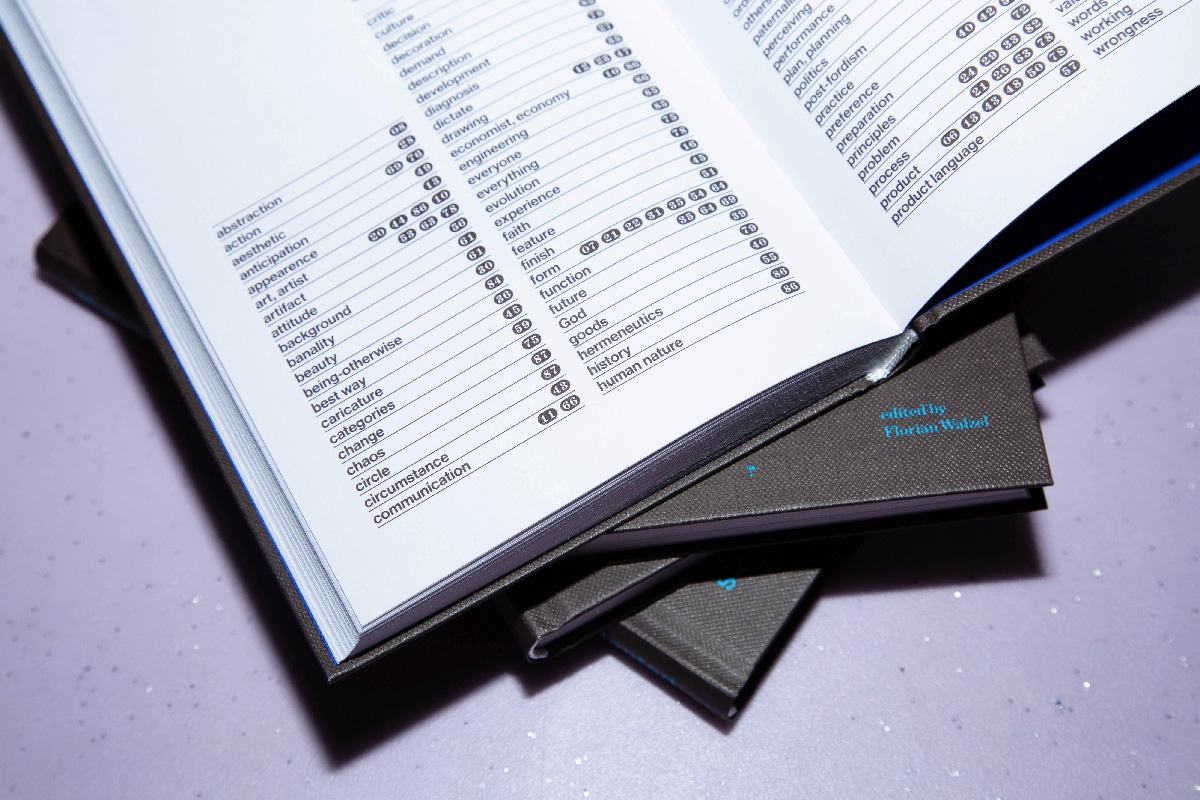
What was design? Edited by Florian Walzel. Published by Slanted
AS: If I were starting a publishing house today, what would you recommend I think about?
JK: Calculation,
With Slanted, we started with only the online shop, and I also called a few bookstores in Germany and asked them whether they would want to take five copies of Slanted Magazine. From there, it was a very long way, and we always tried different things. The biggest change was five years ago, when we changed the worldwide distribution of our publications. We are still handling German distribution ourselves, but for all other countries, we have distributors who take care of it. Of course, they take some money to distribute our books, and that means distribution costs us more than before. But with their help, we might reach bookstores that we haven’t reached before, as shipping worldwide is difficult and it’s getting more and more difficult with people like Trump constantly changing the regulations. So it might not be obvious, but we are affected by global political problems.
This also means that if people, let’s say from Taiwan, want to order books from our online shop, it’s super expensive to ship them, because books are heavy. And most of our books are heavy, so sometimes we start creating a book from its
On the bright side, I don’t think it’s super important to have a clear schedule from the beginning. We did not have one when we started.
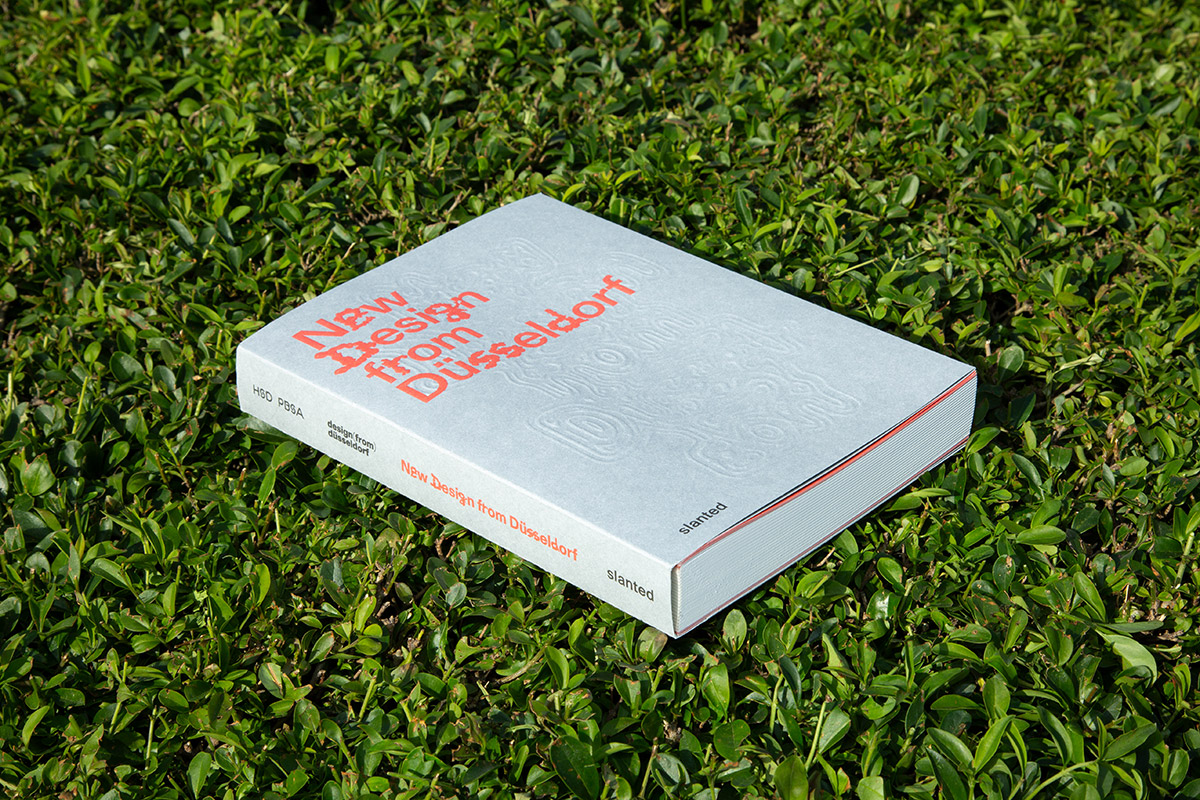
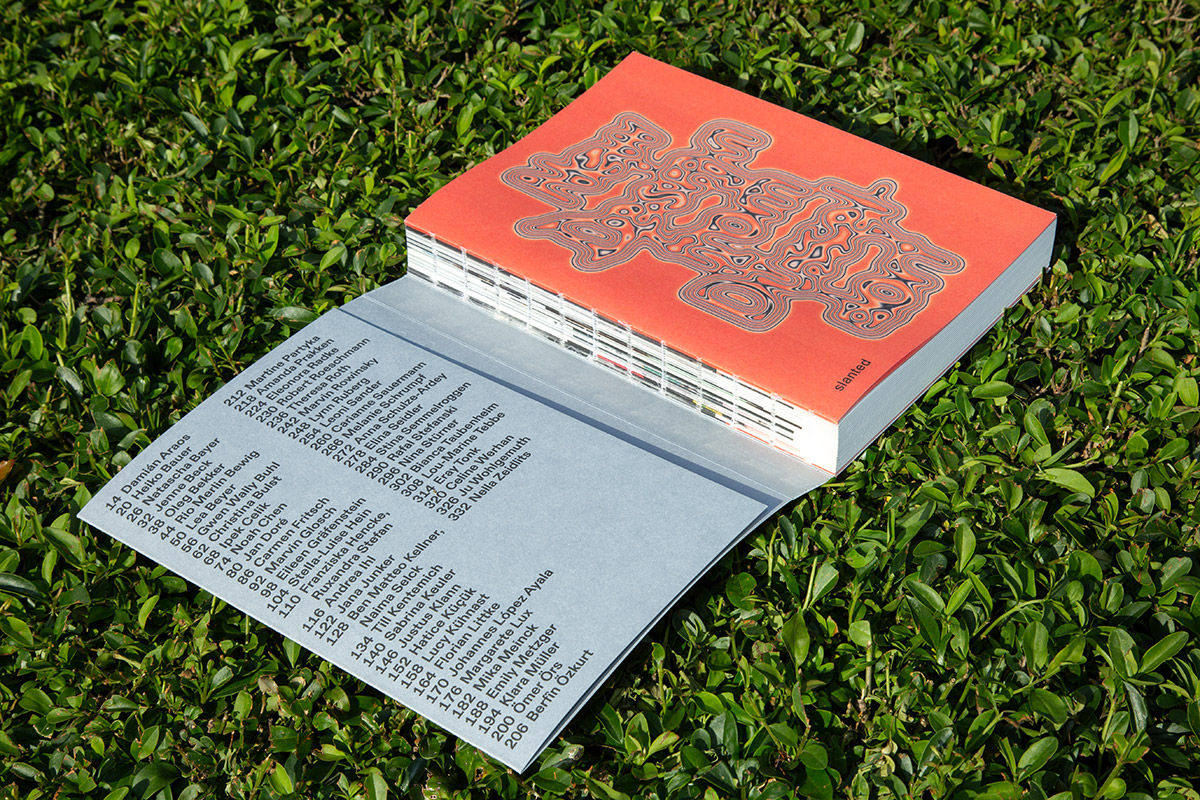
New Design from Düsseldorf 2026. Published by Slanted
AS: And how many months or years ahead are you planning now?
JK: Till 2028. We have the first book of 2028 scheduled. But now we’re actively working on spring 2027, because these are the books that we need to include in the next publishing
We do have to have covers. We do have to have texts about these books. We do have to have some information and price, which means at the moment, I’m finalising all contracts for spring/summer 2027, but also doing contracts for the end of 2027 and also 2028.
AS: What else, apart from finances, do I have to think about before starting my publishing house?
JK: I would recommend starting to set up social media and a website early on, and getting in touch with the
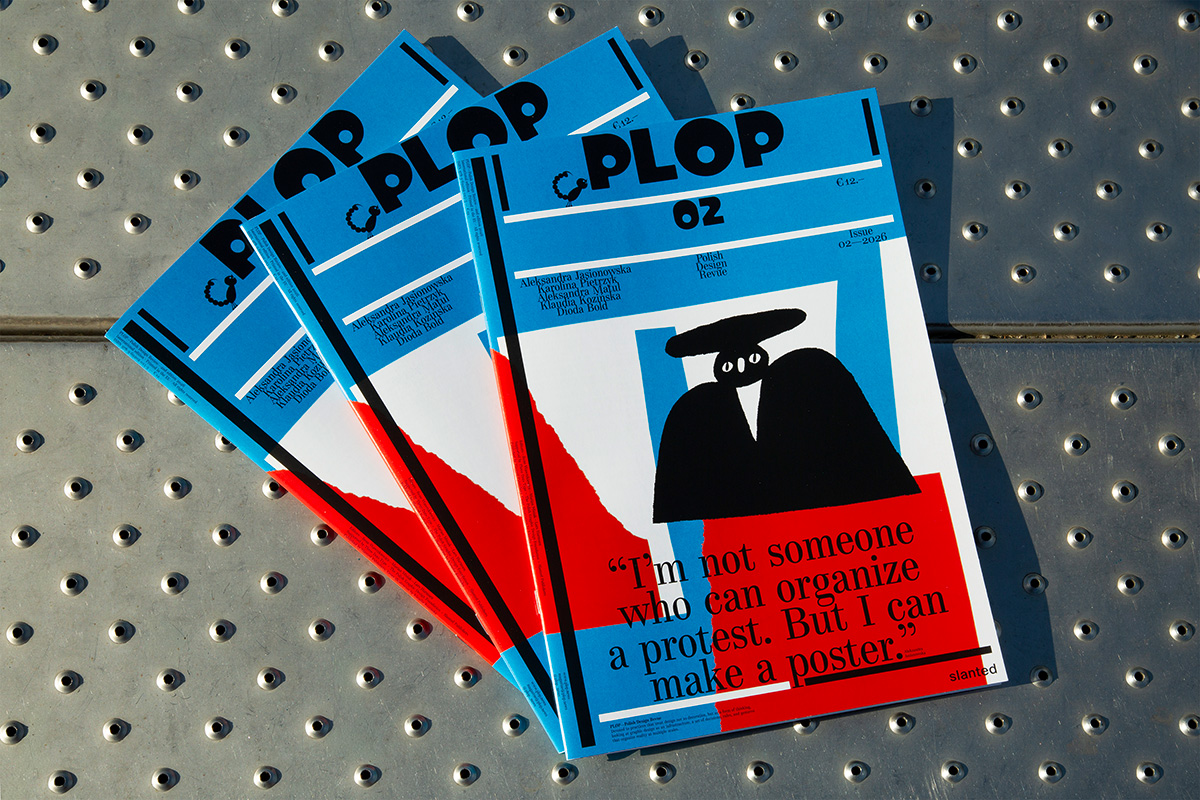
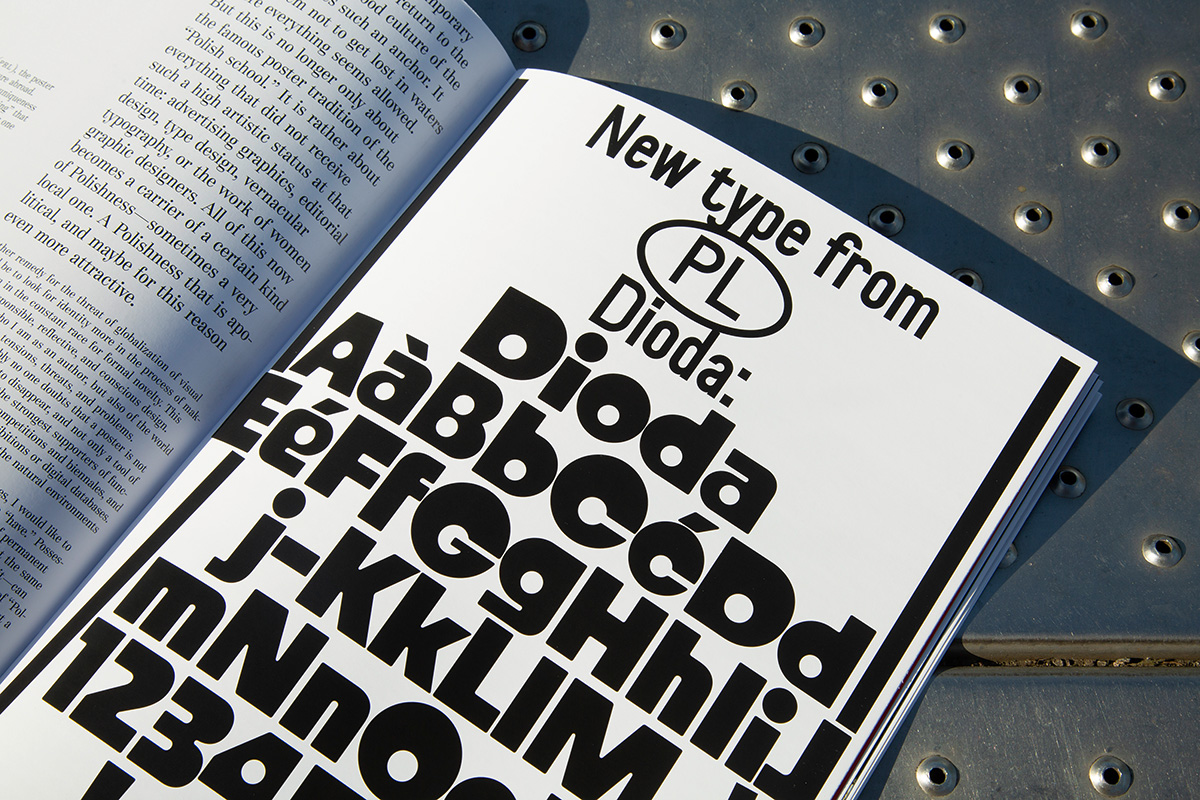
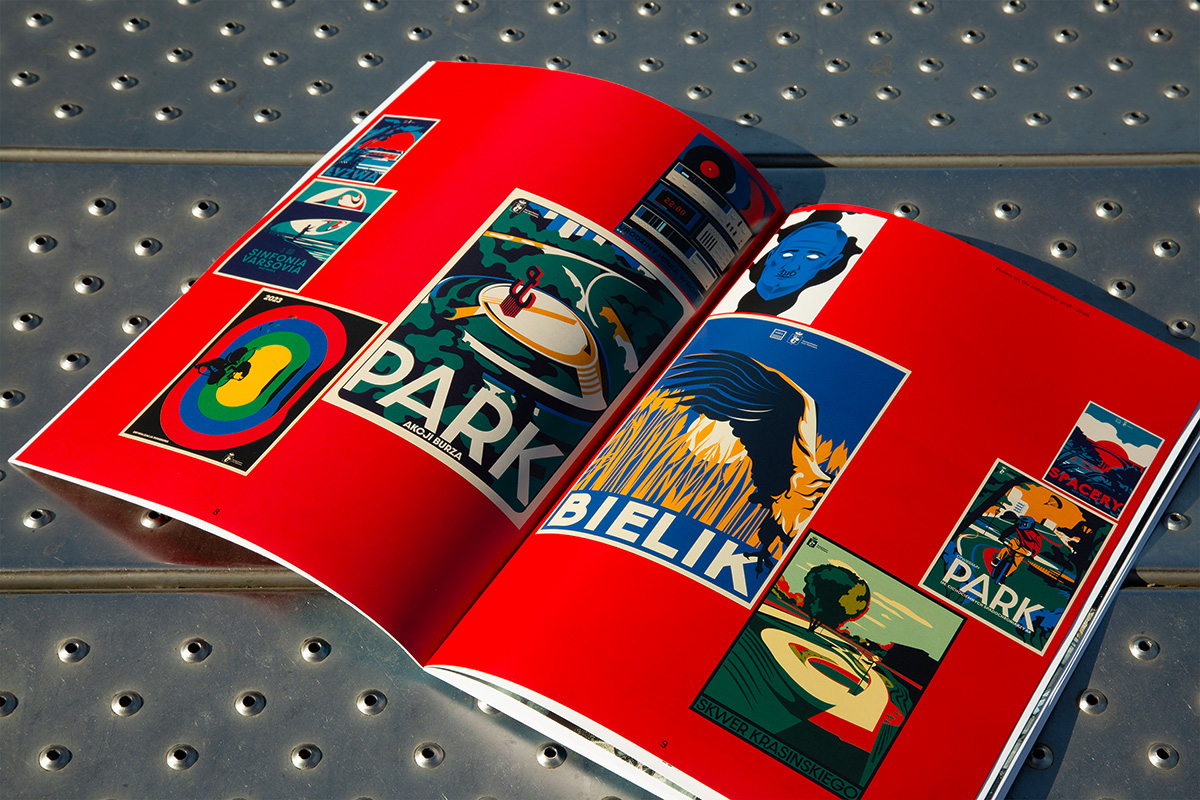
SPLOP #02—Polish Design Revue. Published by Slanted
AS: If I have all of that, would you recommend me launching a publishing house today?
JK: It’s a difficult question, because it’s getting more complicated to do what we do in terms of money. Print runs are getting smaller and smaller. Books are becoming more of a niche product. We have a really good
We have a lot of work, and we are burning for it. So we really love what we do. But if you are not 100% convinced you want to do that, don’t do it.
AS: If you say it’s getting harder and harder every day, what gives you hope for the future?
JK: The fact that we cover really interesting topics in our publications. And I think they are relevant. And I believe people are going to buy them. And also that we can adapt, as a small team, quickly to whatever comes. There is also a fear that it’s all going to shut down tomorrow. I lost a little bit of this fear in the past 20 years, but I’m still working on losing the rest.
On the other hand, there are always ways to move on, and there are always new opportunities coming up. I think if you are open and prepared to probably change things quickly, there is no need to be afraid of the future.
AS: Which kind of books do you enjoy reading and buying yourself?
JK: Sometimes I buy design books, of course, but I’m very much into gardening, and I’m also a big fan of children’s books. I have a son, he’s turning nine now, and I don’t think there are other children in Germany who have as many books as he does.
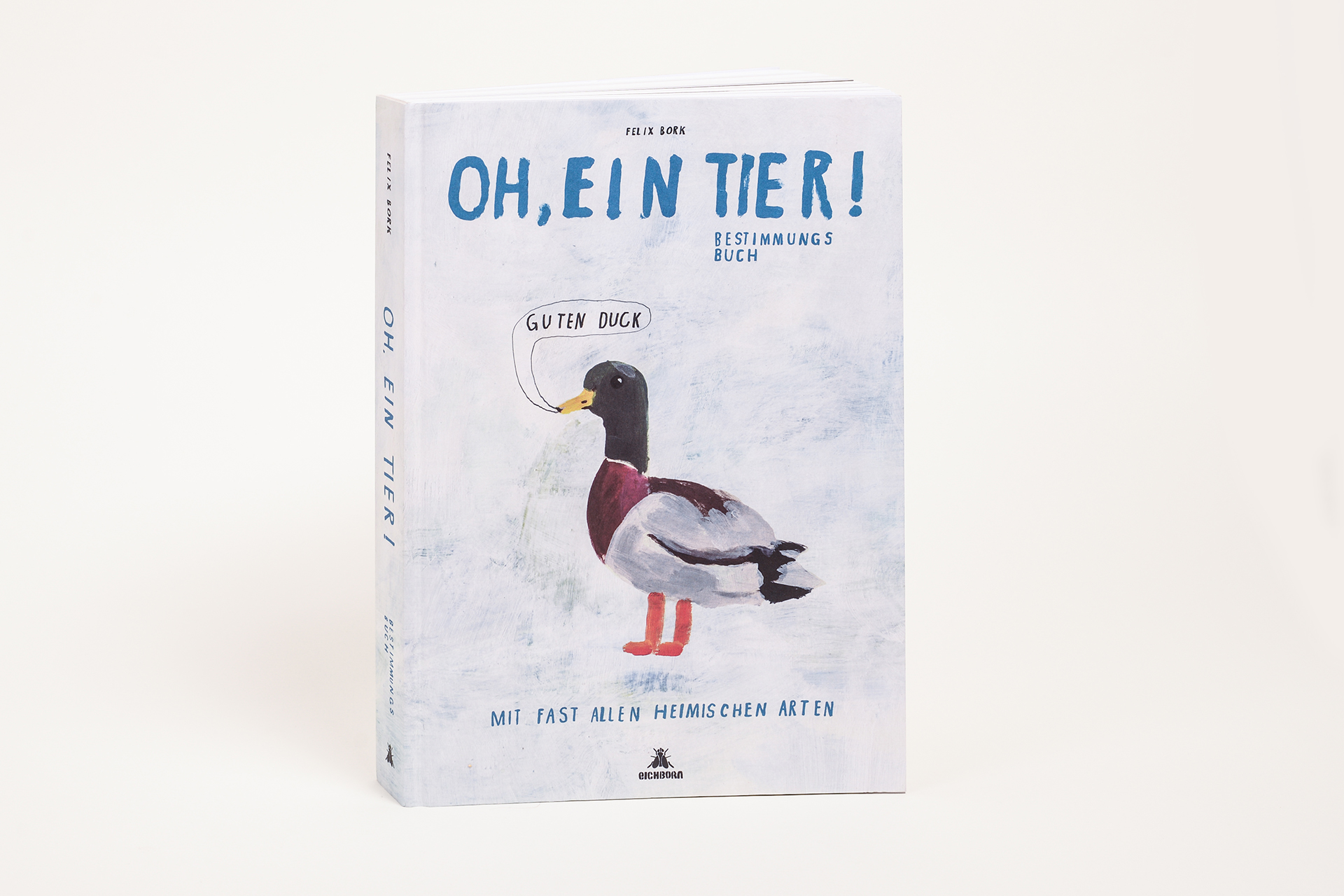
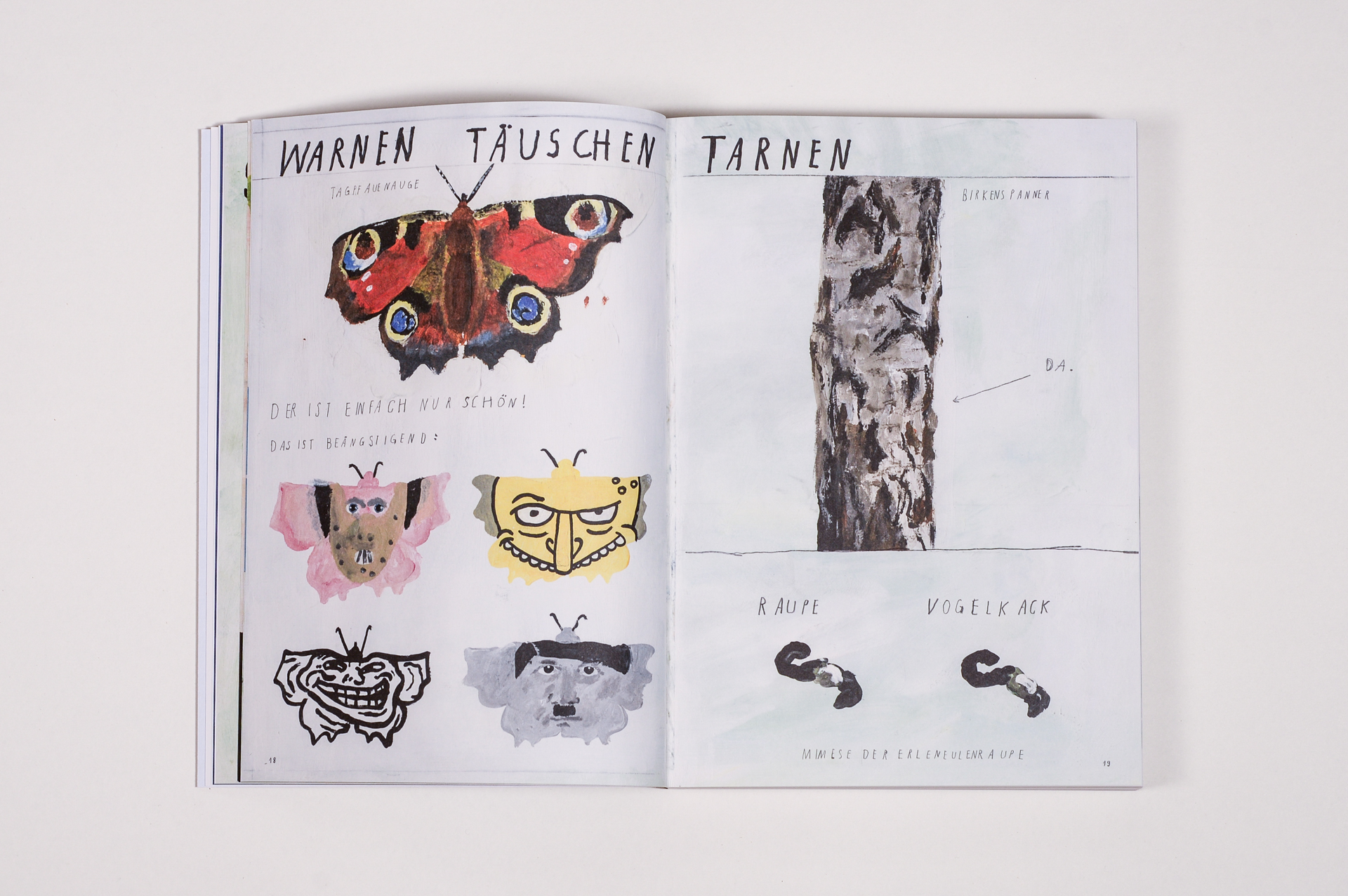
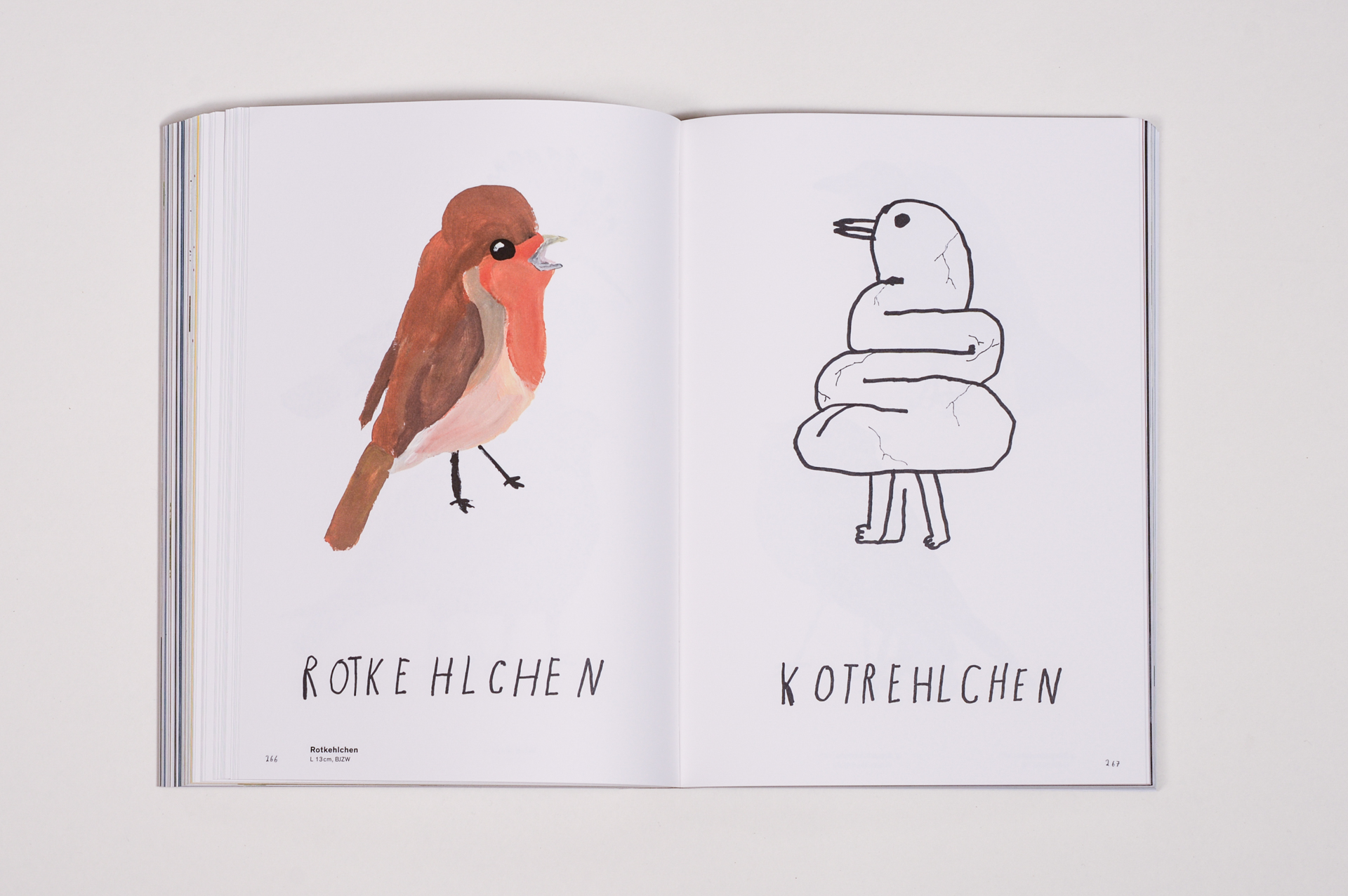
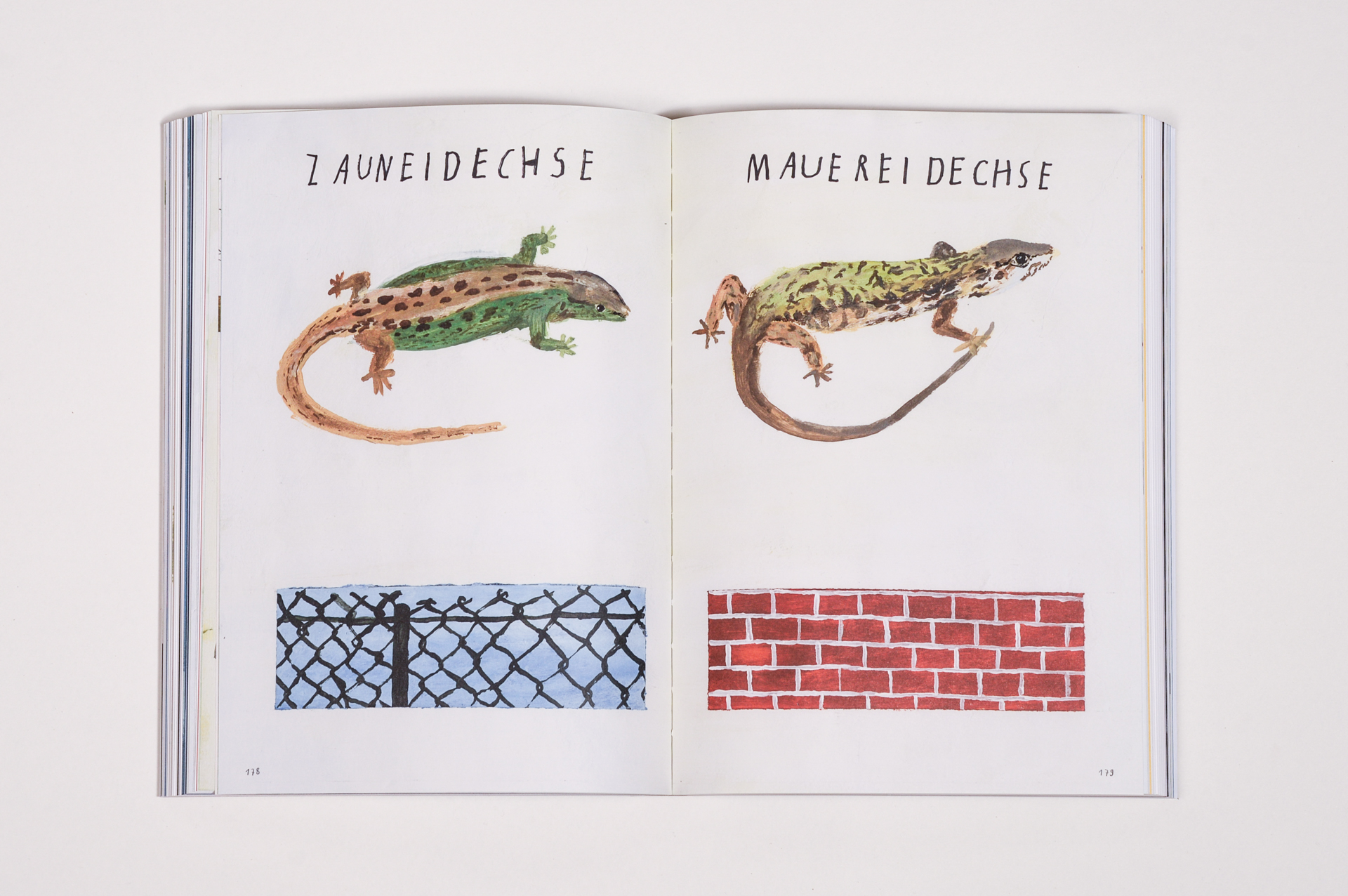
Oh, Ein Tier by Felix Bork. A book from Julia’s bookshelf. Images: Felix Bork
AS: You mentioned gardening. Do you approach your publishing house as a garden?
JK: Of course, you could say that in a publishing house a lot of things are growing, and sometimes you put seeds and it’s not working. This all happens.
But I’ve never thought about Slanted being a garden. I think I really have to think about that. But probably there are a lot of things that a garden and a publishing house have in common.