The Bibliothèque universitaire des langues et civilisations (BULAC) is an academic library located in Paris and focused on area studies research. The library provides more than one million documents written in 350 different languages and addressing 40 writing systems.
Type designer and typography researcher Anya Danilova and our editor Adelina Shaidullina talked to the library’s deputy head for science, Benjamin Guichard, about how and why institutions like BULAC and type designers or typography researchers should collaborate.
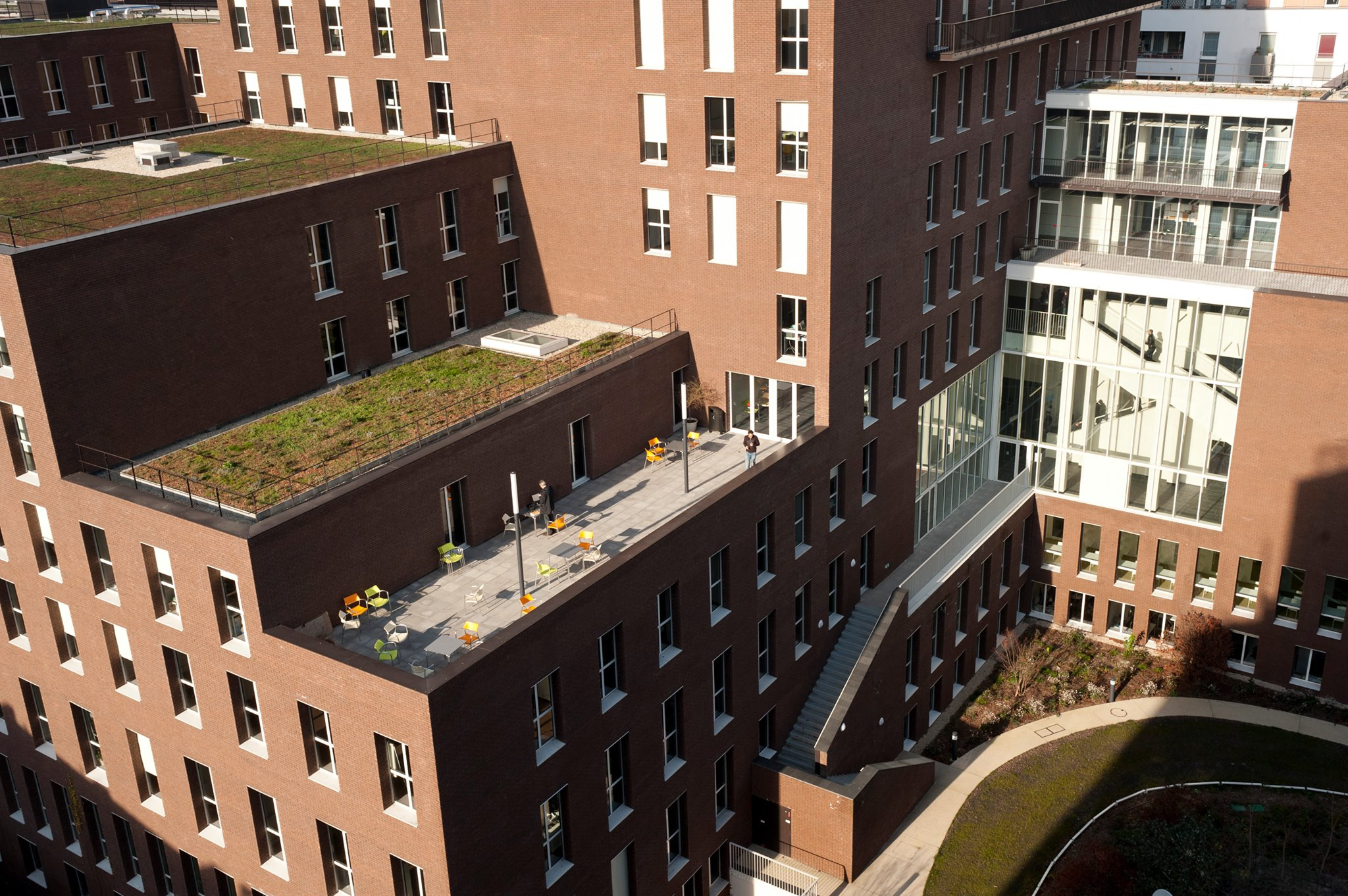 BULAC. Photography: Grégoire Maisonneuve
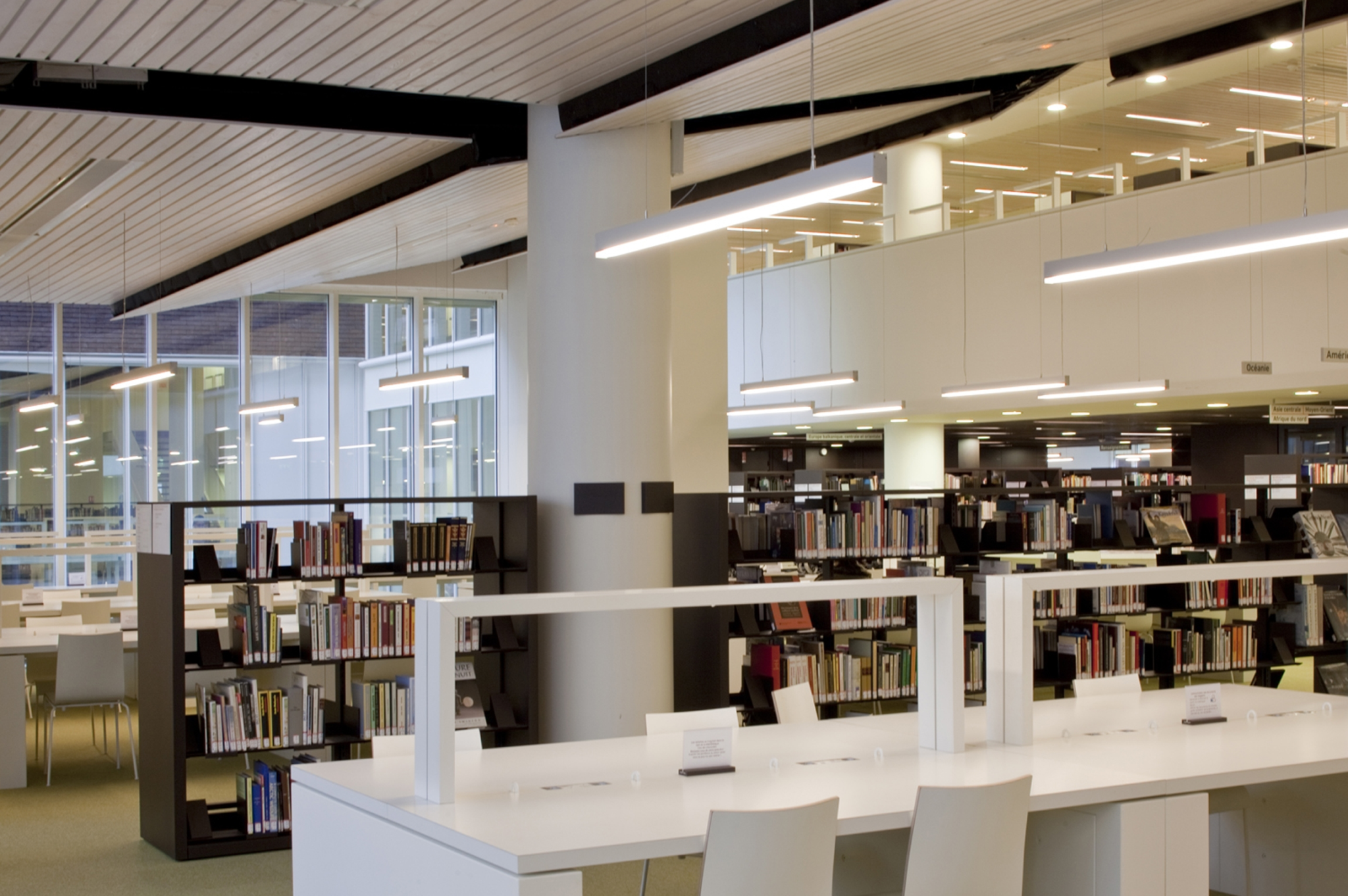 BULAC. Image: Crassewig
Adelina Shaidullina: What does your role at BULAC involve on a day-to-day basis?
Benjamin Guichard: I’m a librarian. I’m deputy head for science, which means I develop research projects with research teams and coordinate the collection development policy of the library, organise training programs, etc. I coordinate everything connected to the public and the development of connections with research teams and the research world. I track what topics researchers are working on and plan where we should lead the collections policy or the services.
AS: What is the collection development policy at the moment?
BG: BULAC opened to the public 15 years ago. It was the result of a 10-year project to gather together all the collections that were thought to be pertinent for what we now call ‘area studies
A hundred years ago, we would have said orientalist, but now we say area studies. It’s not just a change of term, because the main idea of area studies is that you have to study a society through its own optics. You don’t try to project a Western way of seeing the world onto a foreign society, but rather try to understand how this society itself sees the world.
So what we do is buy books and documents that are academic works about foreign lands, but also academic publications, fiction, and any text that is published in the countries our researchers are working on. Two thirds of the books that enter the library are published outside Western Europe and North America, because we try to provide firsthand sources for area studies researchers. We are not just trying to gather primary resources in so-called exotic languages. We try to give access to the French public to academic production from countries outside Western Europe and North America. We do have works from North America,
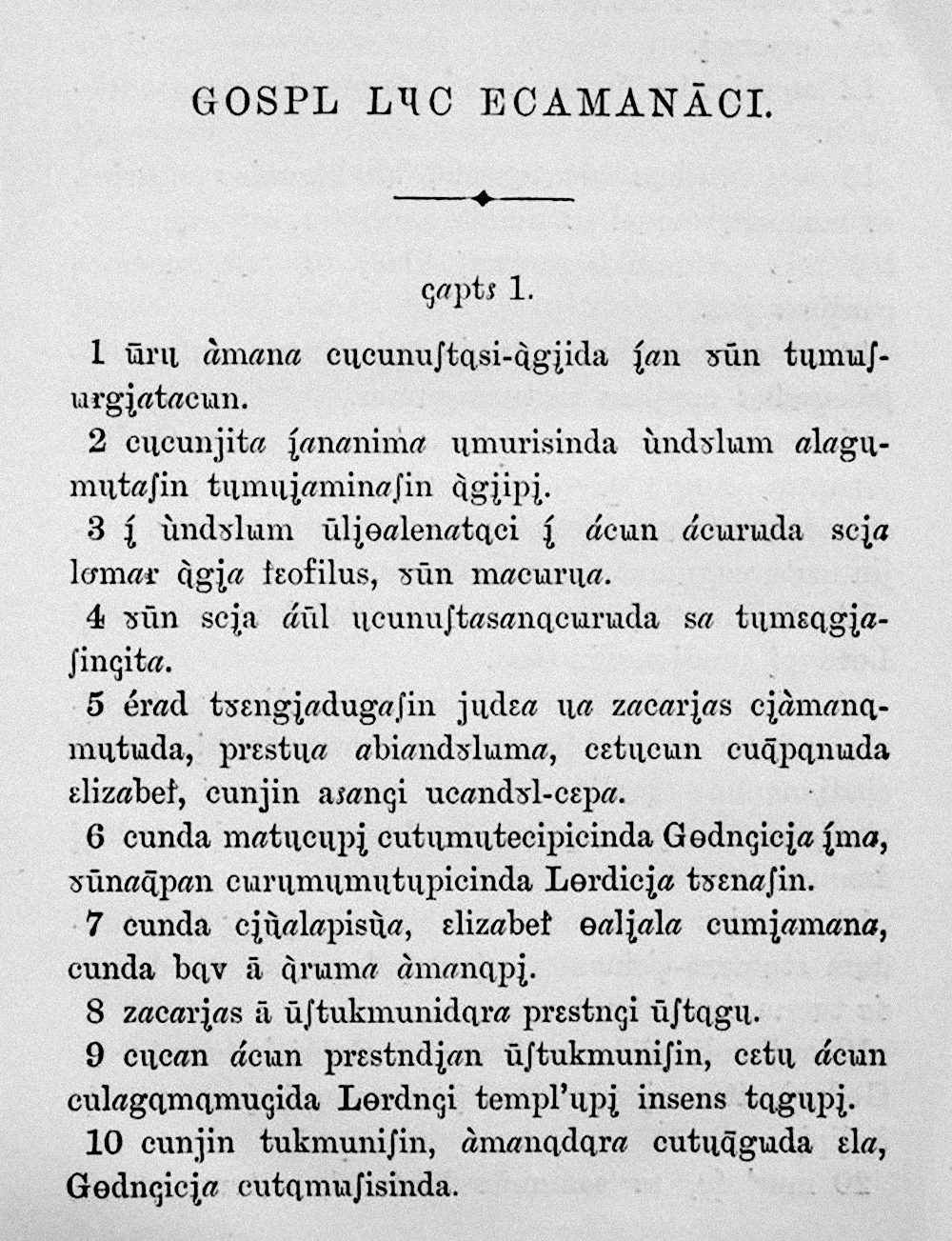
The Gospel of Luke in the Yahgan language, 1886. From the BULAC collection
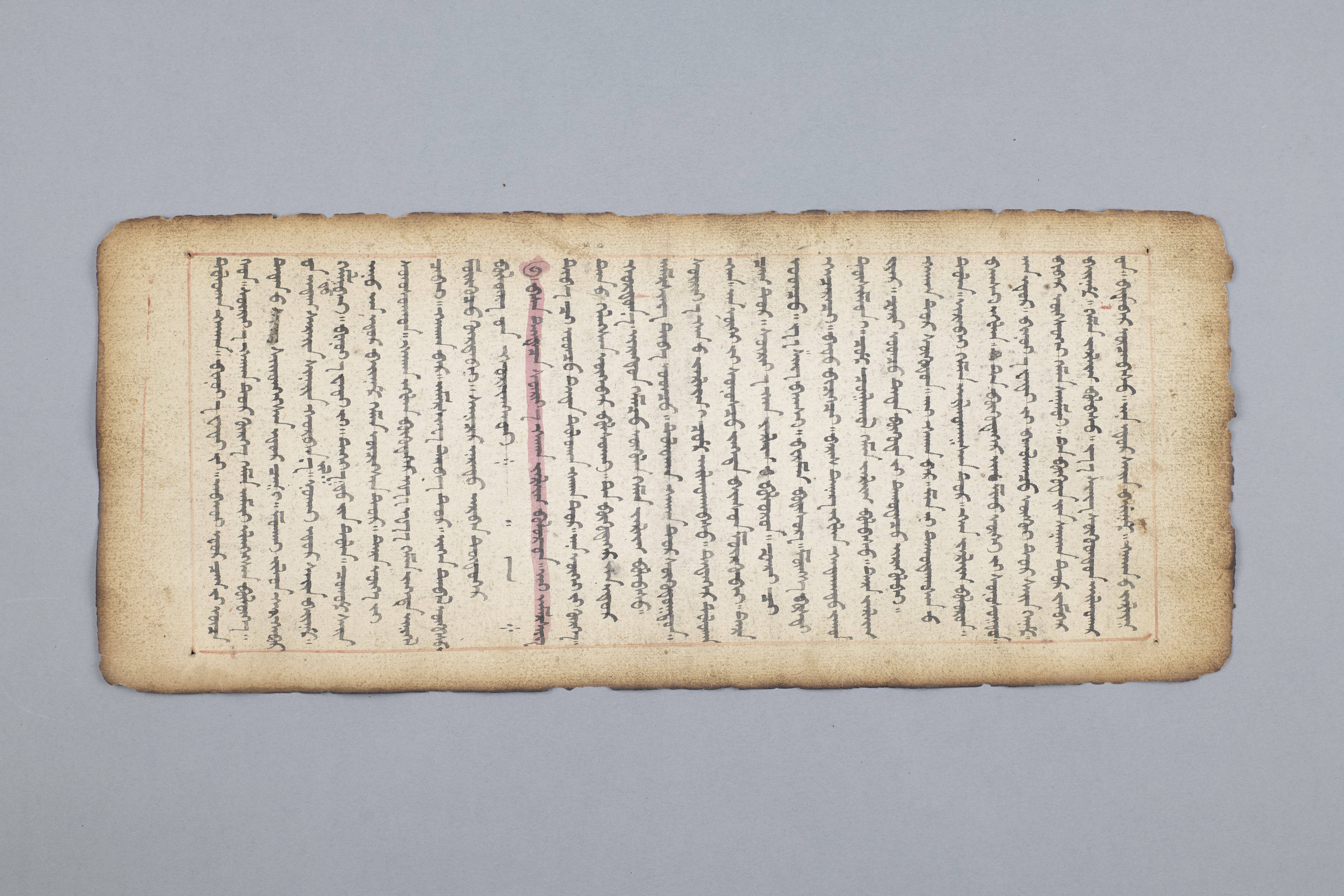
Tales of King Bikramijid and King Kisna, as well as the tales of the thirty-two wooden men, in Mongolian, 1701. From the BULAC collection
Anya Danilova: Is there anything in any part of the world with the same idea of preserving, collecting, and researching non-Western books?
BG: Maybe we are the only one with such a geographical scope. But SOAS in the UK is working on Middle Eastern, Asian, and African collections; Stabi in Berlin has very good Chinese and Eastern European materials, Leiden University library in the Netherlands for Middle-Eastern and Asian studies. Maybe we are one of the few libraries to have such a scope including Central and Eastern Europe, Asia, Africa and the Americas. But of course, there are some major libraries that do this.
AS: Do you keep statistics on which books are the most popular among researchers?
BG: We keep track of the most wanted books but I must say we are not driven only by quantitative demand. We are not buying the books that readers want most right now. What we try to do is buy things that others do not
AS: If someone has an item they believe would be valuable for your collection and would like to donate it, what criteria do you use to decide whether to accept the donation?
BG: We’ve gathered collections from several libraries in Paris. The majority of our collection comes from the former library of the School of Oriental Languages, whose library was created about 150 years
We have institutional donations from external partners, who usually know what we accept, and we have donations from collectors and researchers. For Western books, we try to select what we don’t already have. For foreign books, we accept them more broadly. Duplicates are not a problem if the book is not available anywhere else or if no one else will be able to catalogue it because no one else manages the language in which the book is written.
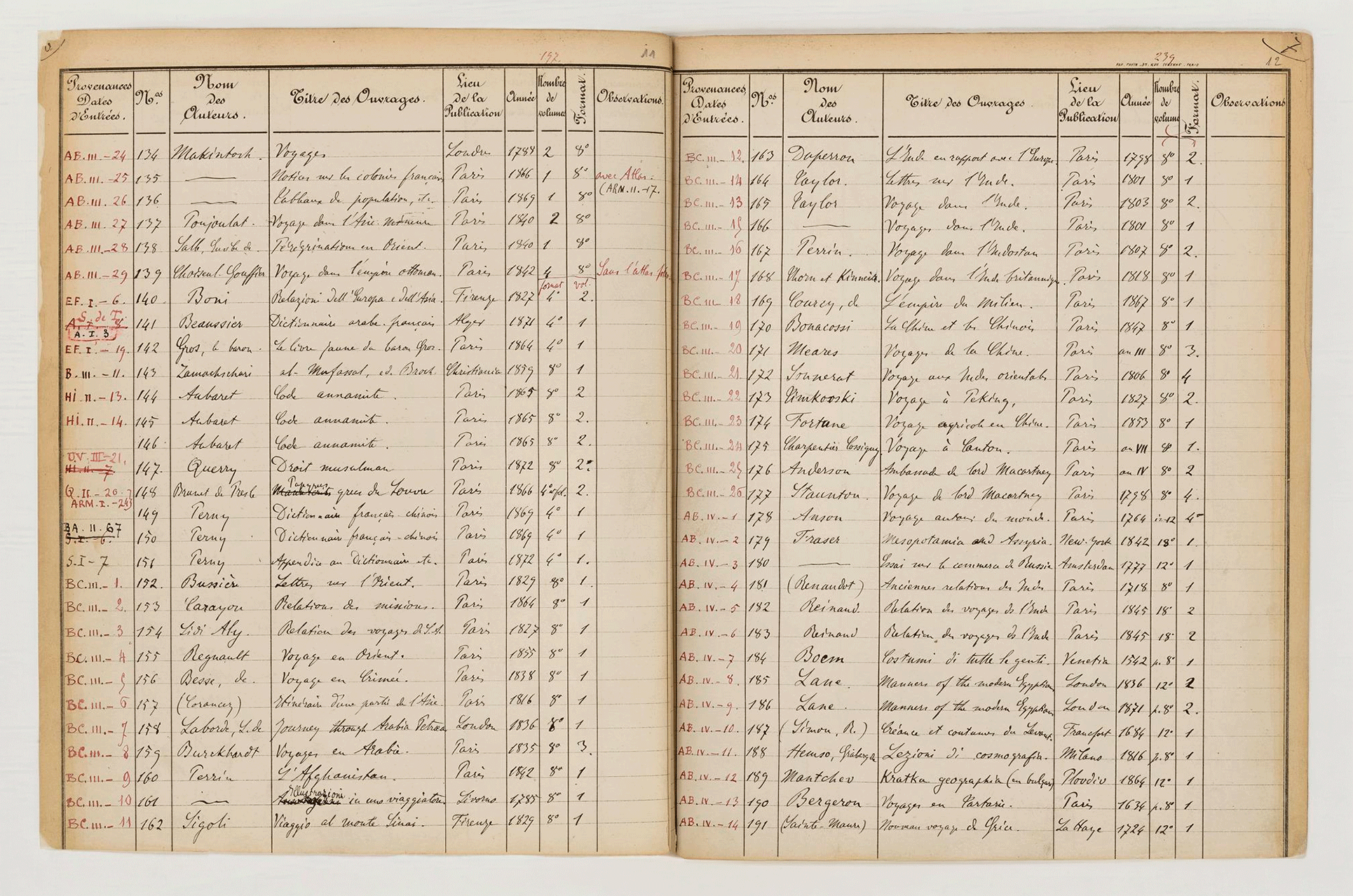
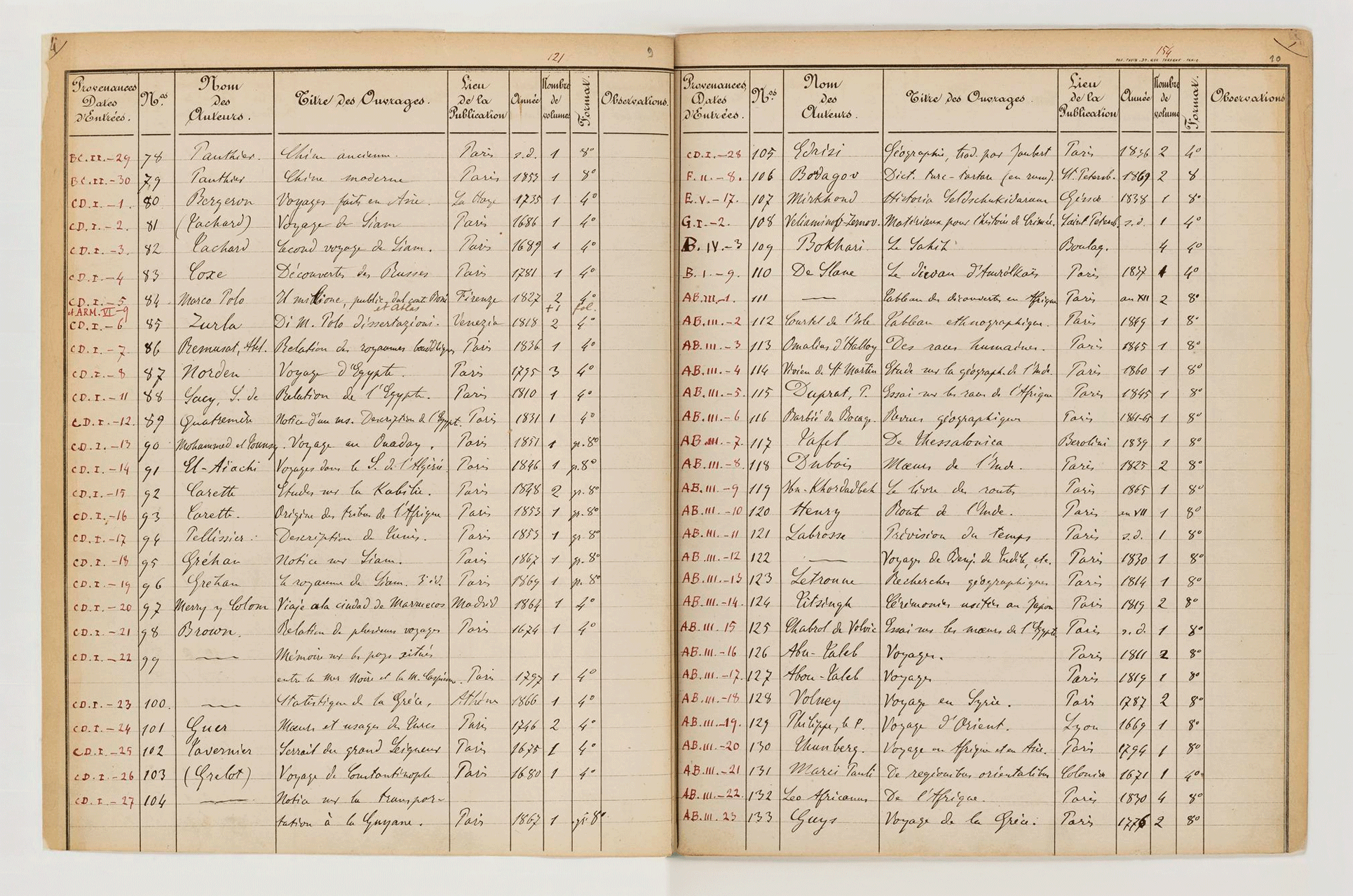
Inventory (of the Old Collection) of the School of Oriental Languages, 1874. From the BULAC collection
AD: Do you feel that there are areas that you lack materials from?
BG: Of course, we do. We have limited resources. About 10,000 new books enter our collection every year. Compared with what is published all over the world, it’s a very small part. We have 350 languages in the collection, but we have only 25 people working on acquiring and cataloguing books. These 25 people don’t speak 10 languages each, so we have to make choices.
We have a list of languages for which we try to have a full-time librarian. These are only about
For specialists in other languages, we have a rotating system. Every 8 years, we invite a professional on a two-year contract to buy and catalogue books. For example, we now have a colleague working on the Georgian collection, but before her, we had someone only eight years ago.
AS: You mentioned Armenian. I was told that it’s an actively researched script, particularly in France.
БГ: It can be explained quite easily because there is a huge Armenian diaspora that settled in France after the genocide of 1915. The Armenian community in France was very keen on keeping the Armenian language alive. By Armenian, I mean Western Armenian, which is the Armenian that was spoken in the Ottoman Empire, not Eastern Armenian, which is spoken in Armenia today.
Armenian was also a language that was at the center of the renovation of linguistics in the 19th century. One of the main figures in this modernisation of linguistic science in France was Antoine Meillet, and he was a specialist in the Armenian language. So Armenian has been, I would say, Latin for linguists in Oriental studies, in a way.
Right now, there is a very strong academic community in dialectology and linguistics in Armenian. For example, 10 years ago, we received the full collection of an Armenian daily newspaper that was published in Paris, Haratch. It was founded just after the genocide and was active in Paris from 1925 to 2009. We’ve done a lot of work around it since, with the help of our Armenian librarian. The newspaper itself has been processed for optical character recognition and is used as a dataset by linguists and dialectologists. Right now, there is a digital humanities project going on analysing the ads in the newspaper to harvest the places, shops, and libraries of the Armenian community in France in order to reconstruct the social history of the Armenian diaspora.
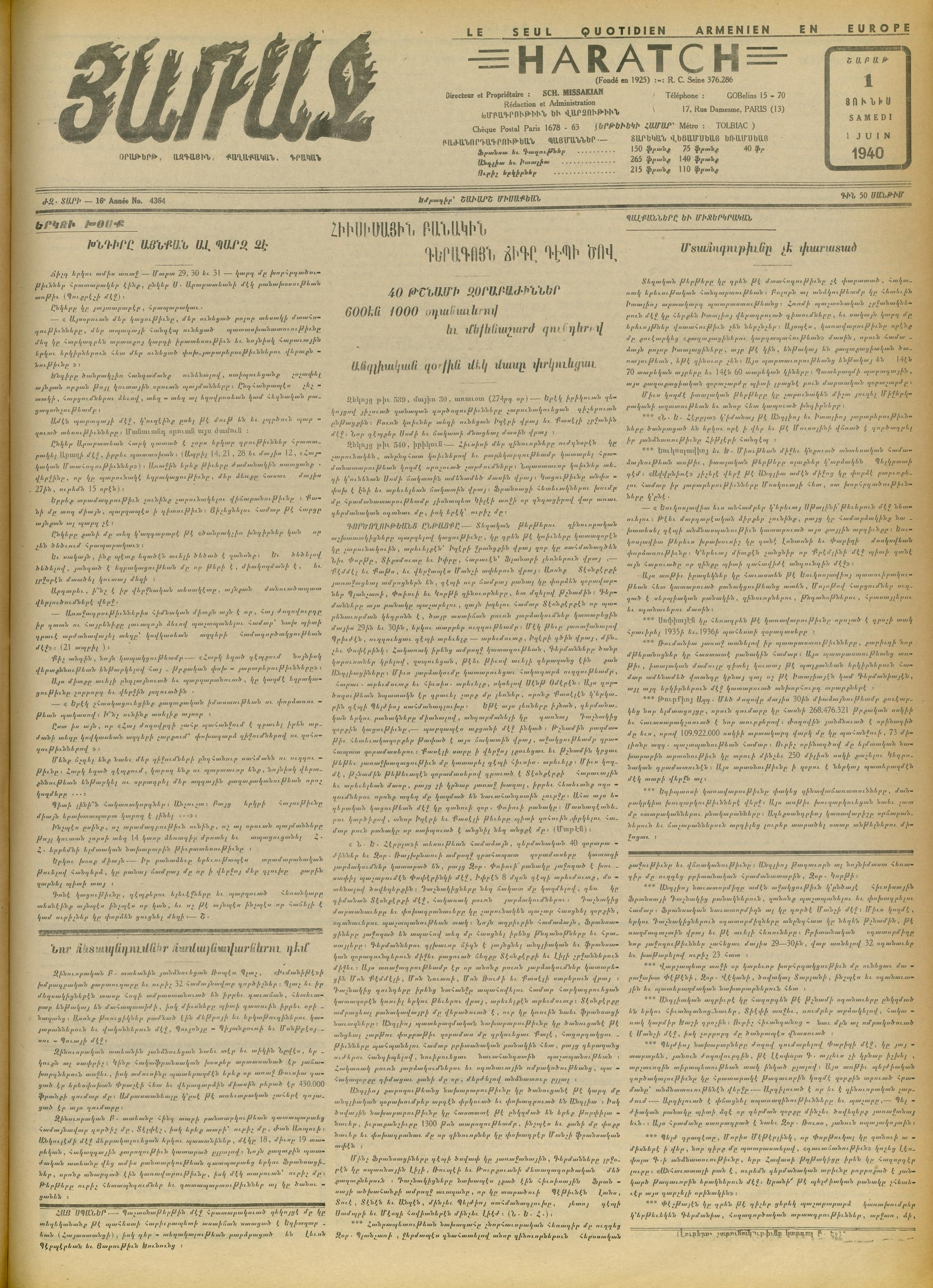 Haratch, June 1, 1940. From the BULAC collection
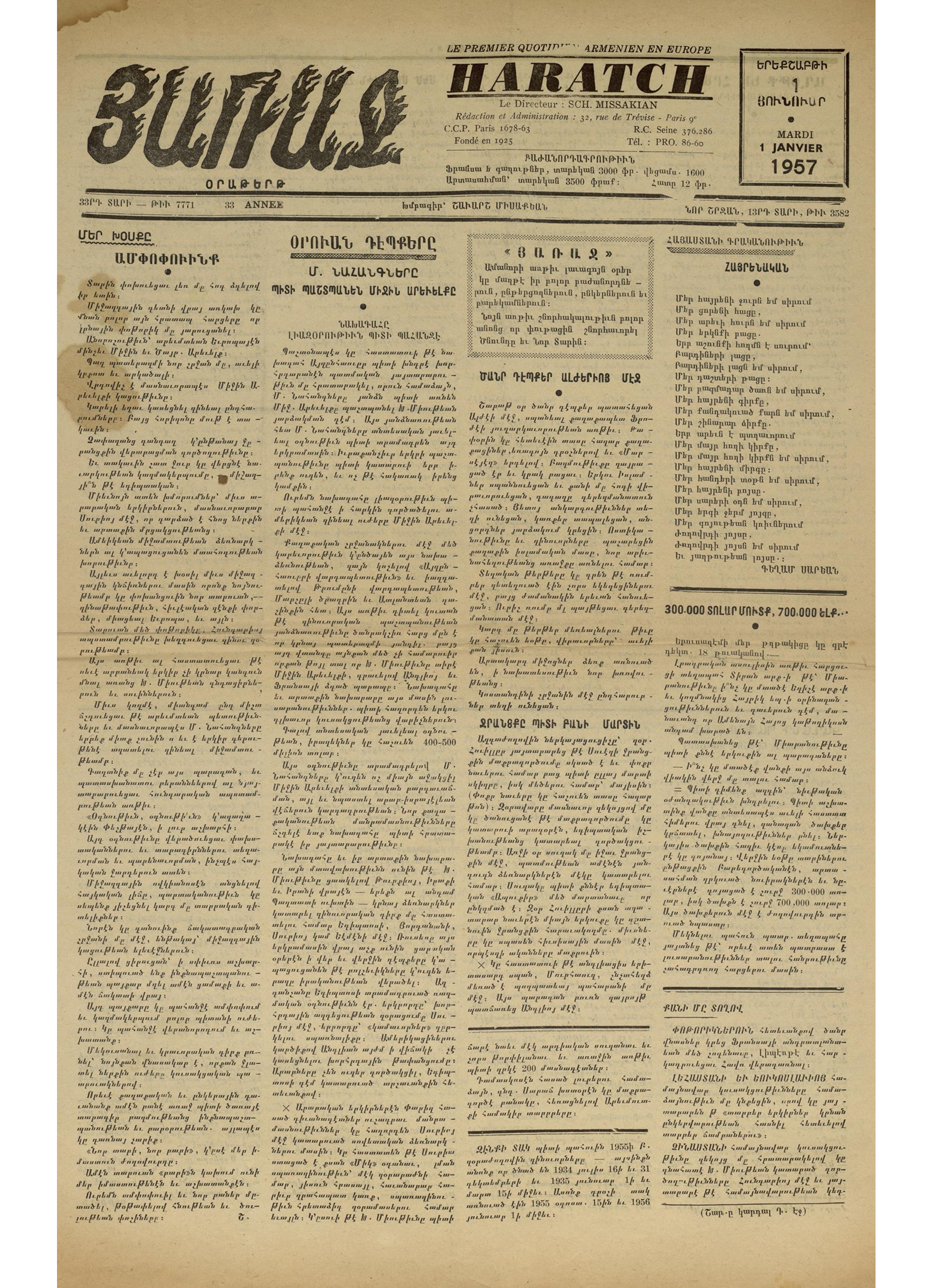 Haratch, January 1, 1957. From the BULAC collection
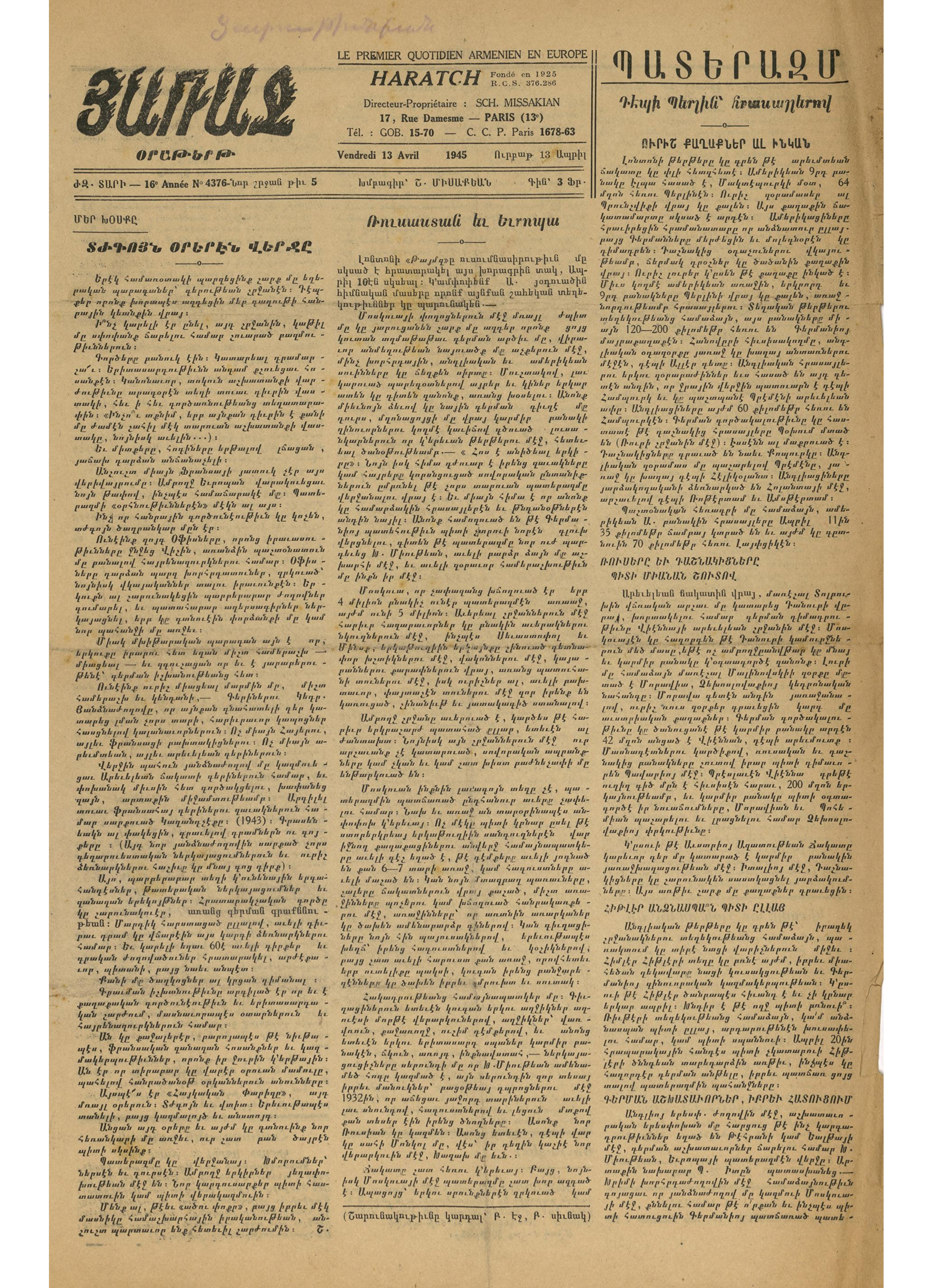 Haratch, April 13, 1945. From the BULAC collection
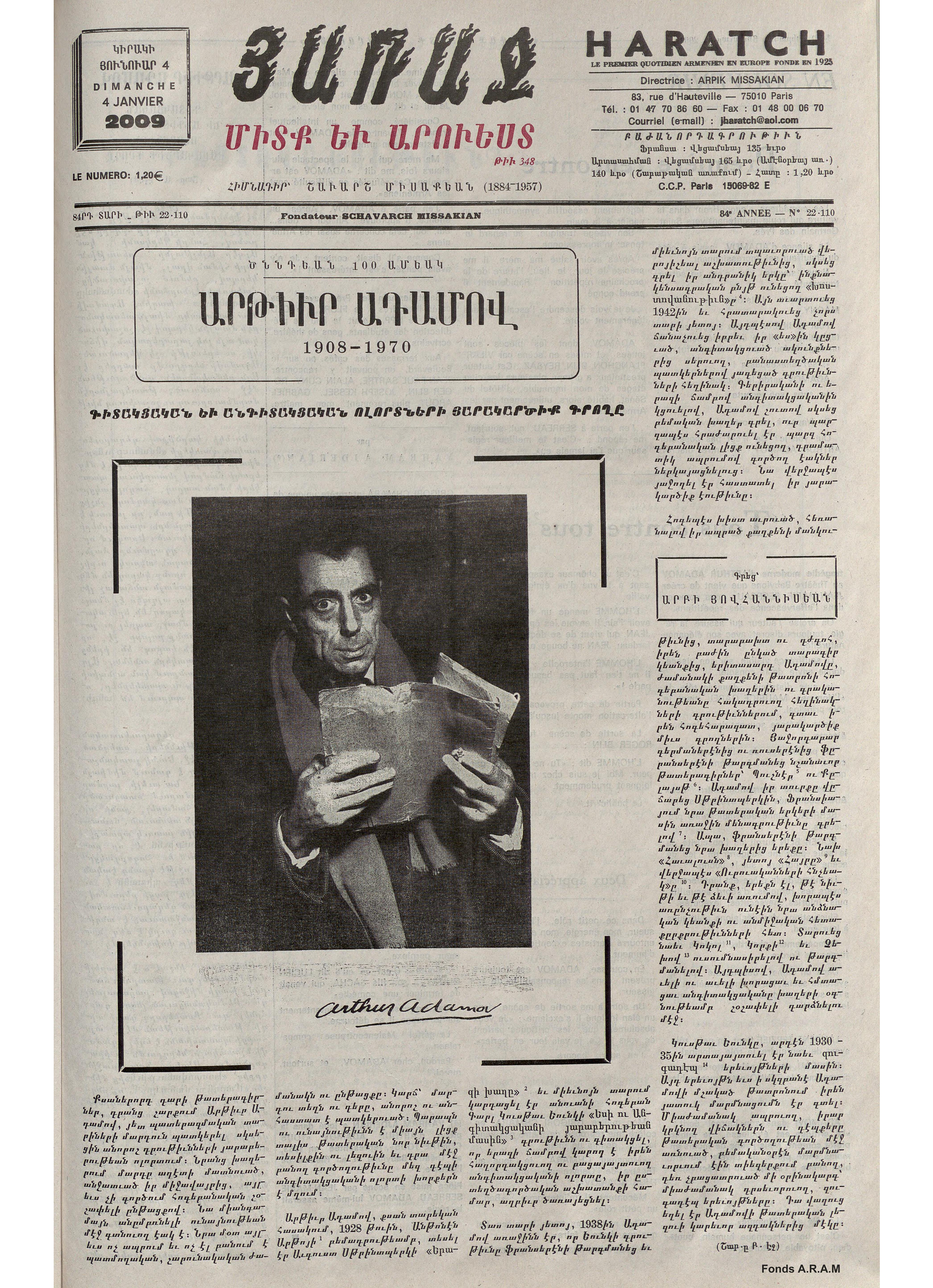 Haratch, January 4, 2009. From the BULAC collection
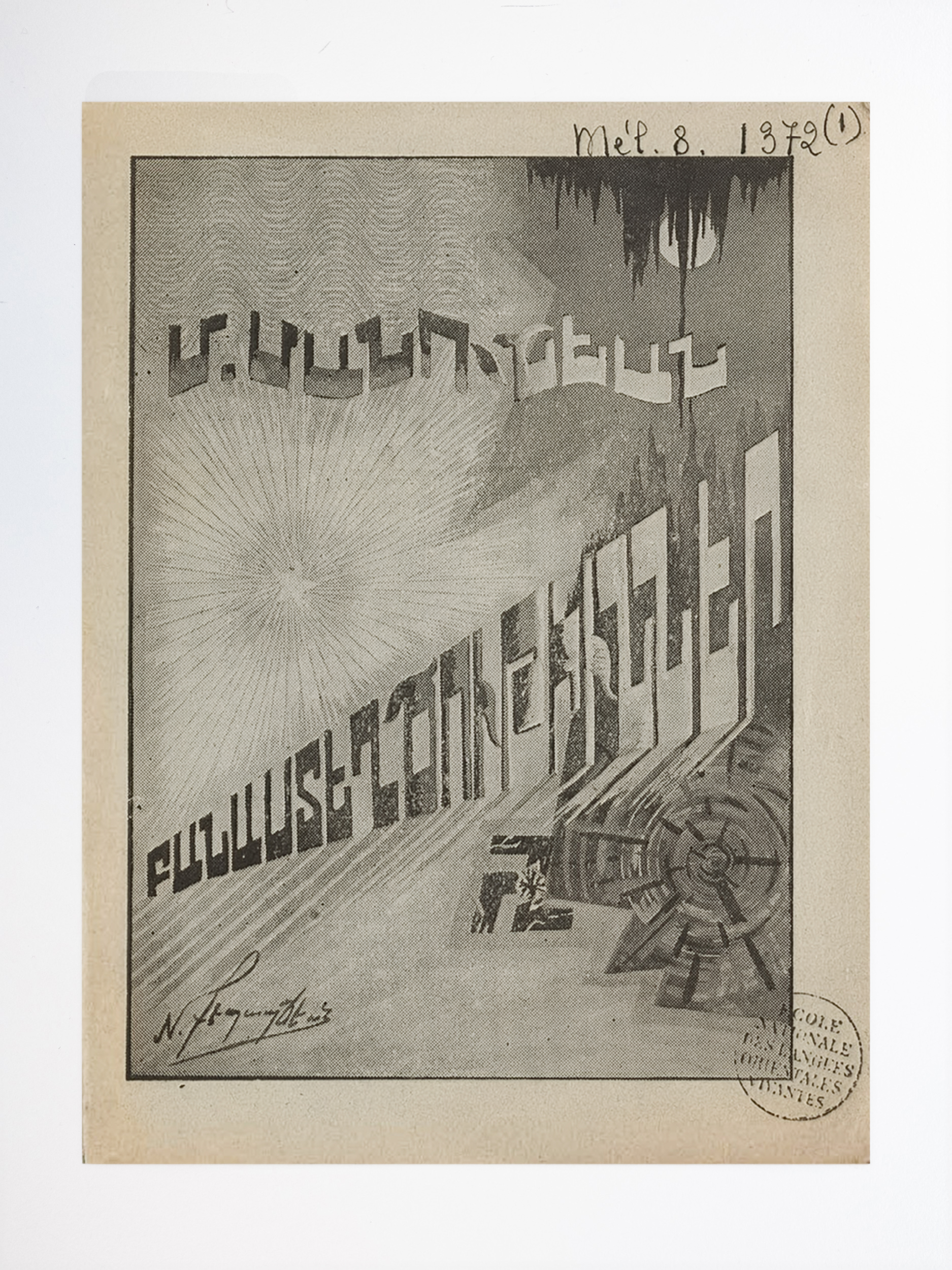
Poetry book by Missak Manouchian, 1946 (cover). From the BULAC collection
AS: Do many type designers or typography
BG: I wouldn’t say a lot, but there have been some nice experiences, and we try to strengthen these collaborations. There are several reasons for that. The first is that a lot of writing systems and languages are present in the catalogue, so we needed to process non-Latin scripts in a computing system at a time when Unicode was just starting.
While doing the first batch of cataloguing, my colleagues found that our collection included many writing systems that had disappeared because the languages stopped using them. The most famous example is Turkish, which switched from Ottoman to Latin. Most of the languages from the former Soviet Union transitioned from Arabic or another writing system to Latin, and then to Cyrillic. All this diversity became a pain in the neck for my colleagues when they started.
We also had the will to always catalogue the books in their original script, plus a scientific transcription in Latin, to provide multiple ways of accessing the data. So our first interest in typography was mainly about encoding characters.
But then we realised that even if you have a Unicode character, you don’t always have the fonts and software to use it. This is when we decided that open-source software was the best way to manage a very large diversity of writing systems. We’ve been using open-source software for our online catalogue and for all our systems. All the computers in the reading rooms run Linux because it allows for many input systems in many languages.
And since we have this historical and geographical diversity of languages, you start to look at your collection not only as an archive of languages, but also as an archive of printing history. When you take this perspective, you discover that there are researchers who work on this topic. So we started to collaborate with people concerned with typography and research methods.
AD: Can you give an example of such collaboration?
BG: The first thing we did was a project that took a lot of time and money. It was an exhibition set up with a research team in 2015 about the history of printing in Arabic script. We created exhibition panels with text and facsimiles from books in the collections that allowed us to retrace the history of printing
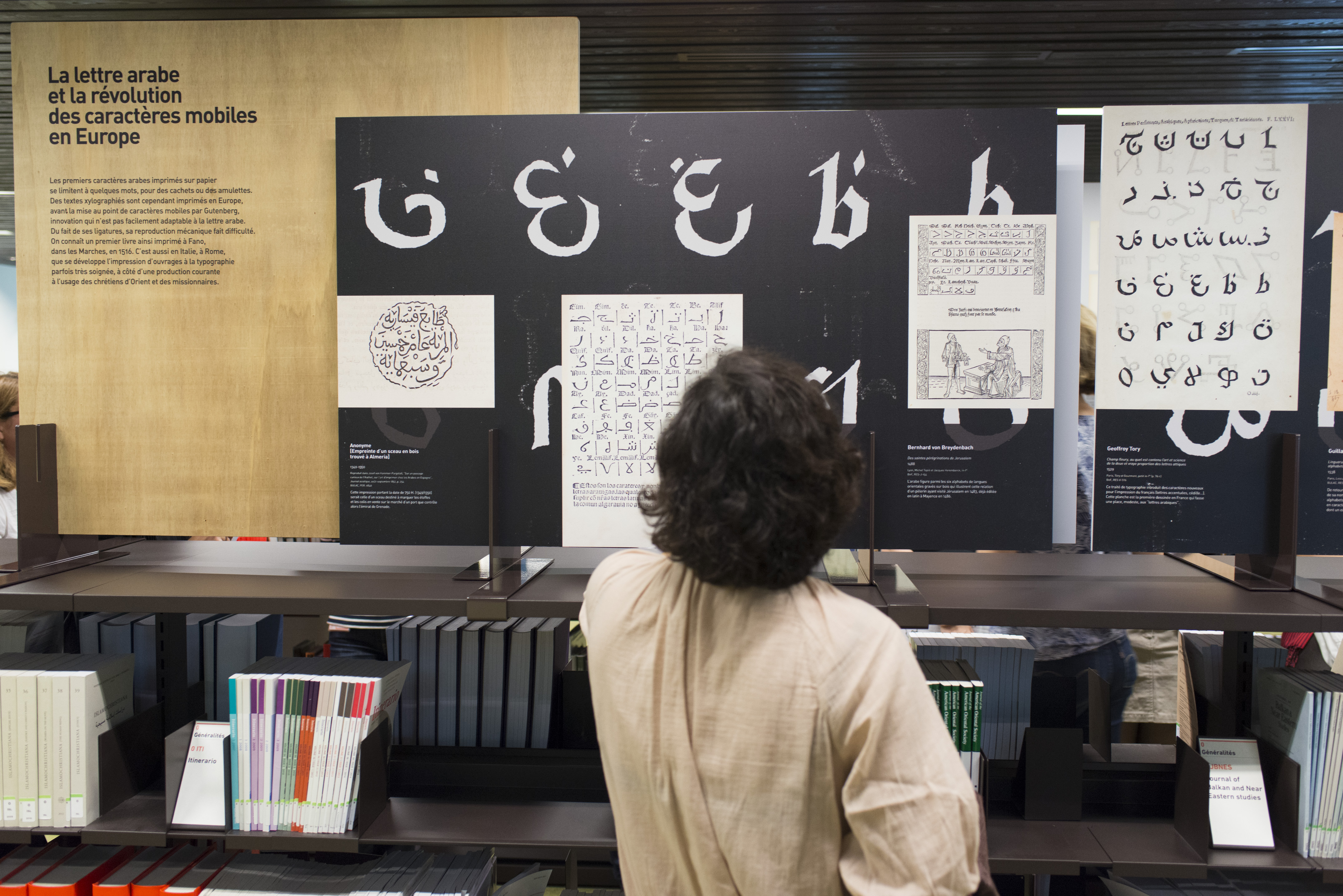
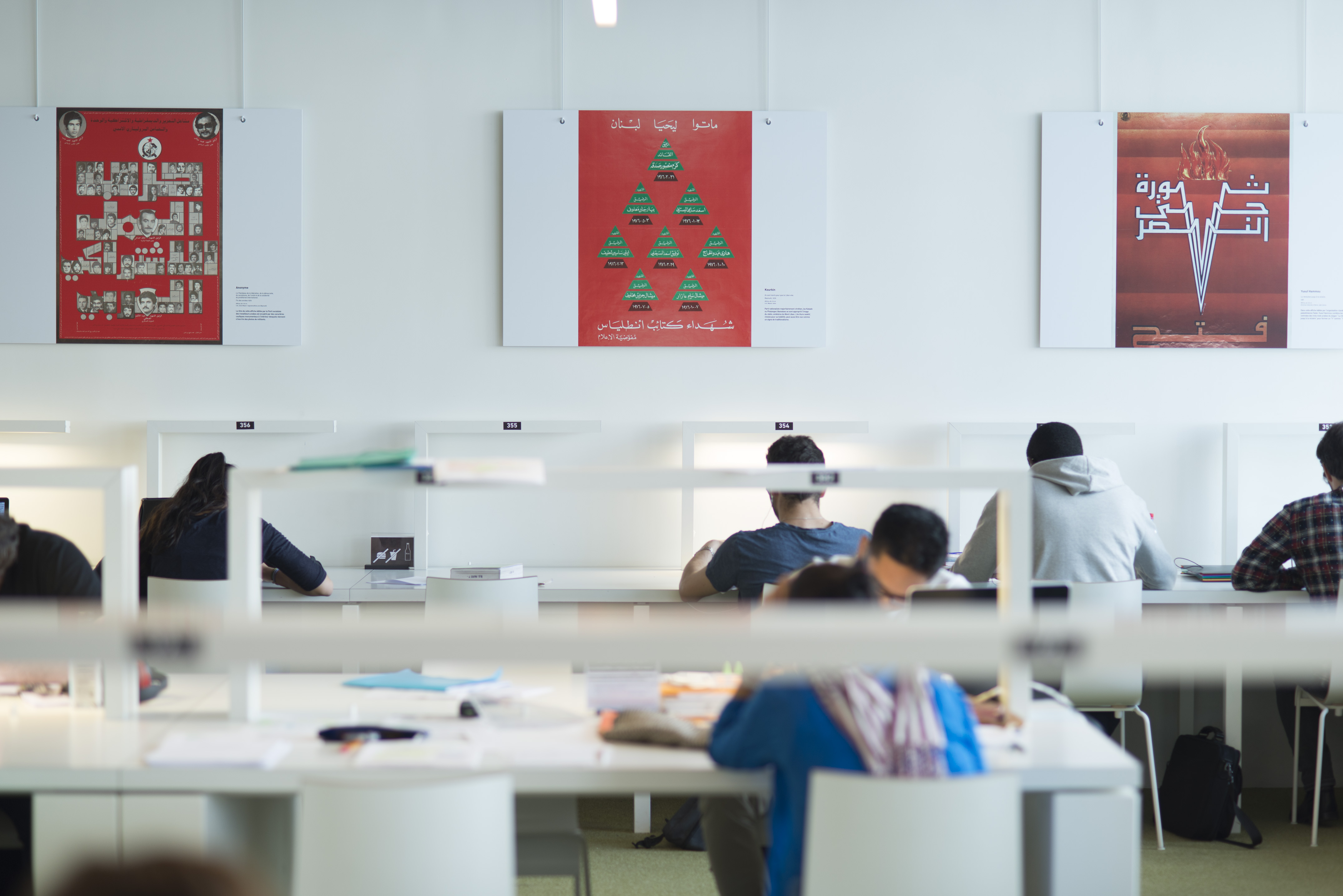
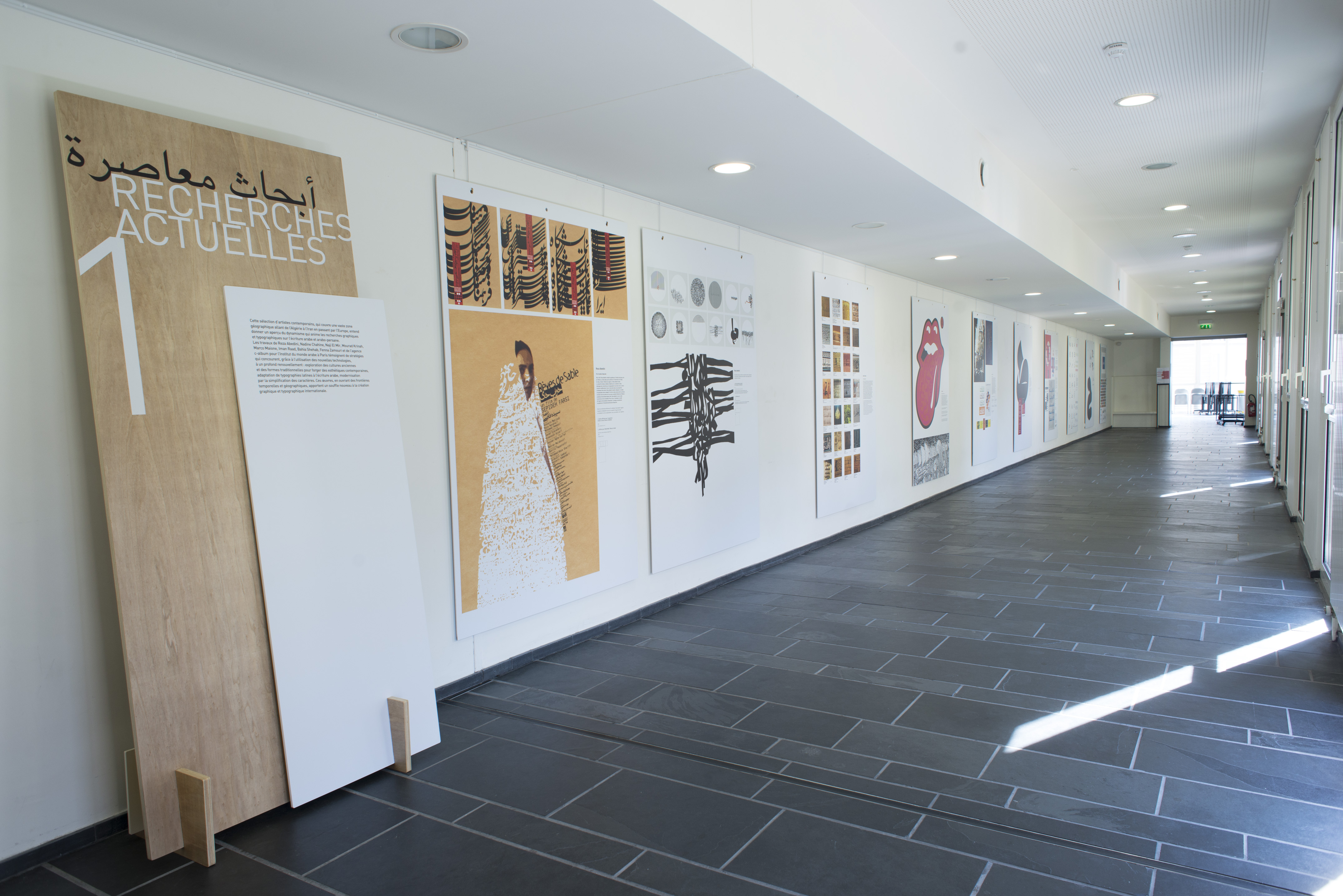
Exhibition on the history of printing in Arabic script. Images: ARVIMM
This historical background was confronted with a set of historic posters showcasing the variety and diversity of typographic design in Arabic. In the main hall, we displayed contemporary typographic creations. It was the first time we tried to combine a historical look at the collection with contemporary design. Many students visited the exhibition as part of a field study.
Most of the exhibitions we create are, so to say, movable. They can be lent for free to other institutions, and this exhibition has already been shown in six locations around the Mediterranean.
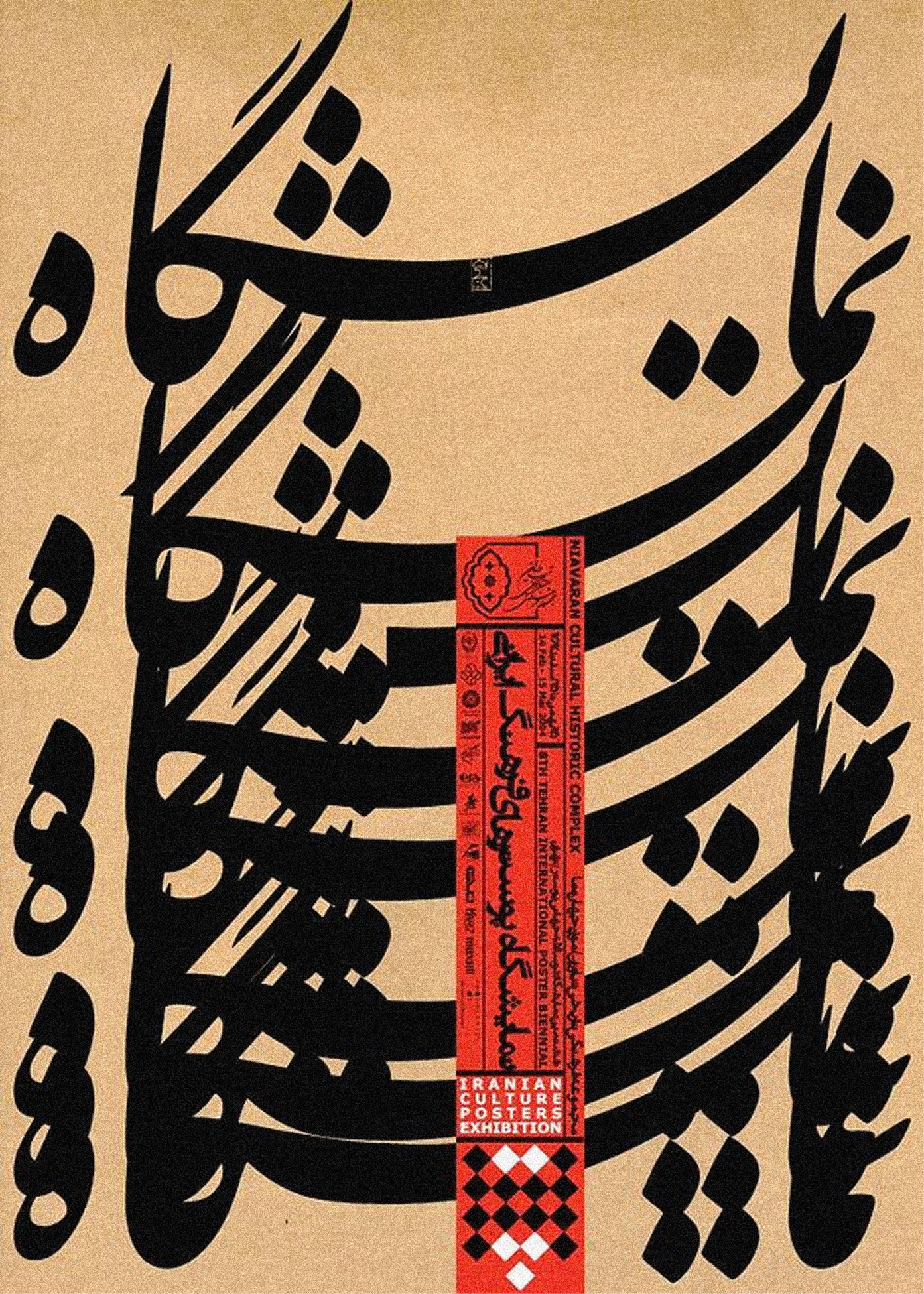 Poster shown at the exhibition on the history of Arabic printing at BULAC. Reza Abedini, 2004
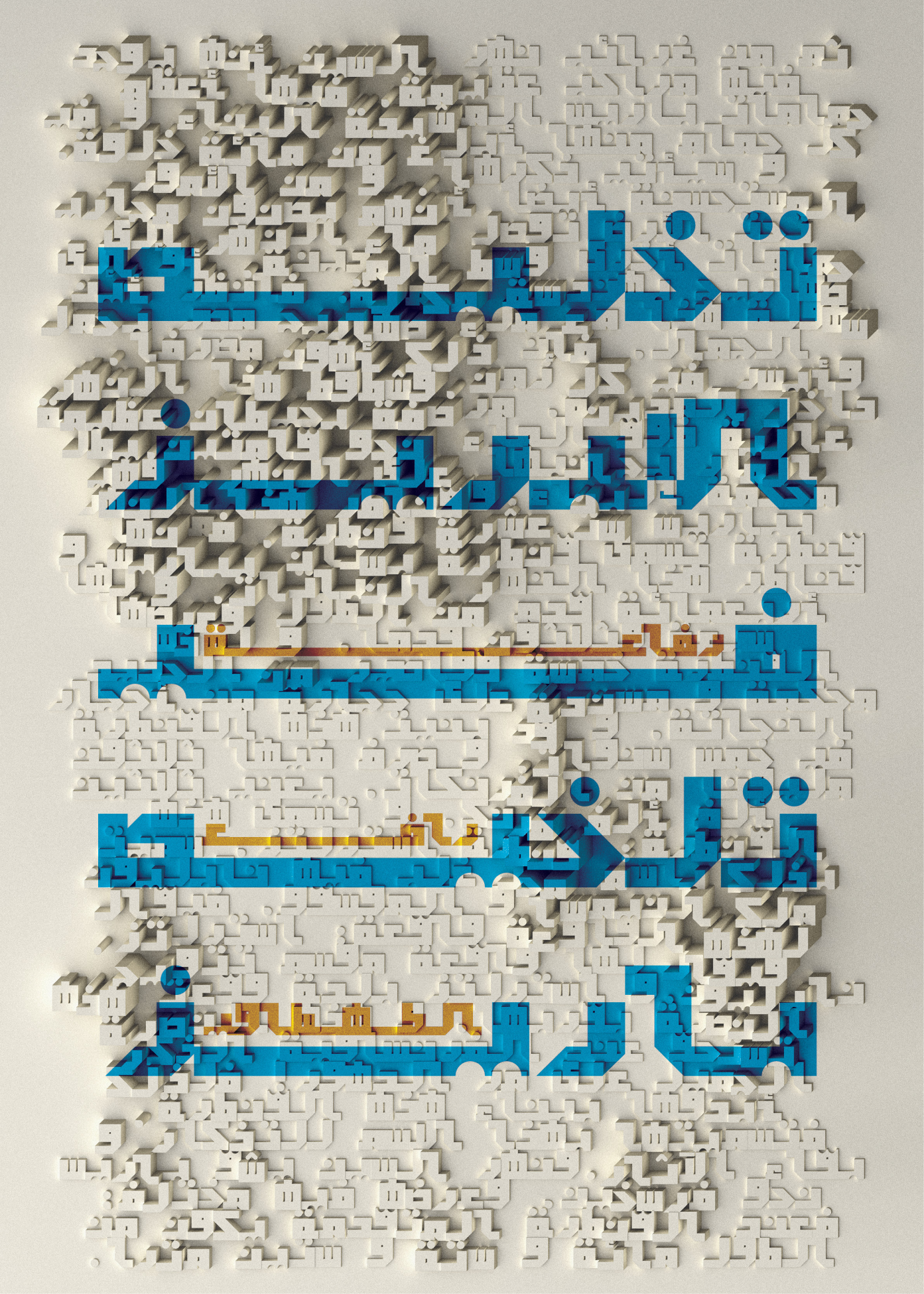 Poster shown at the exhibition on the history of Arabic printing at BULAC. Naji El Mir, 2015
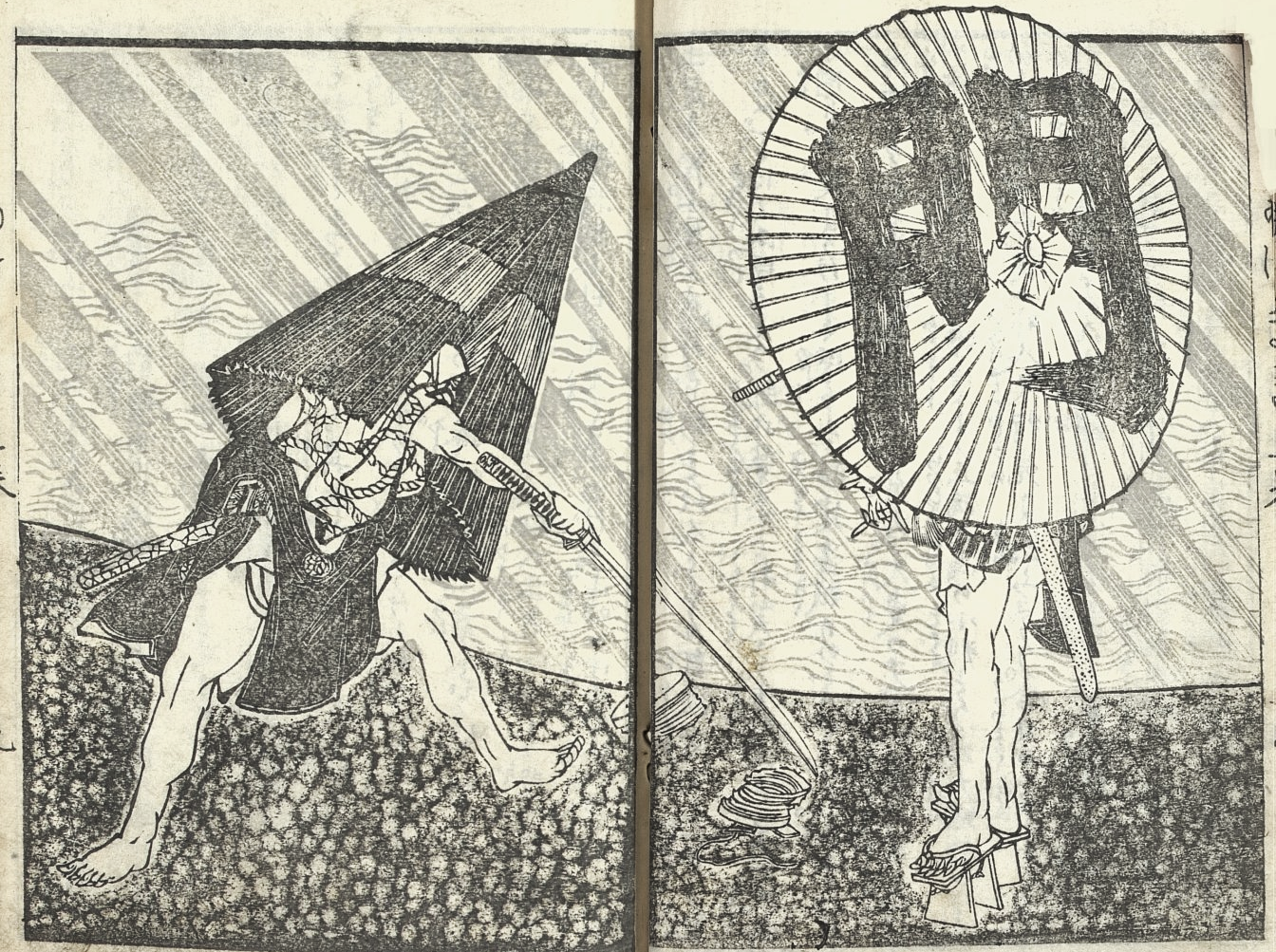
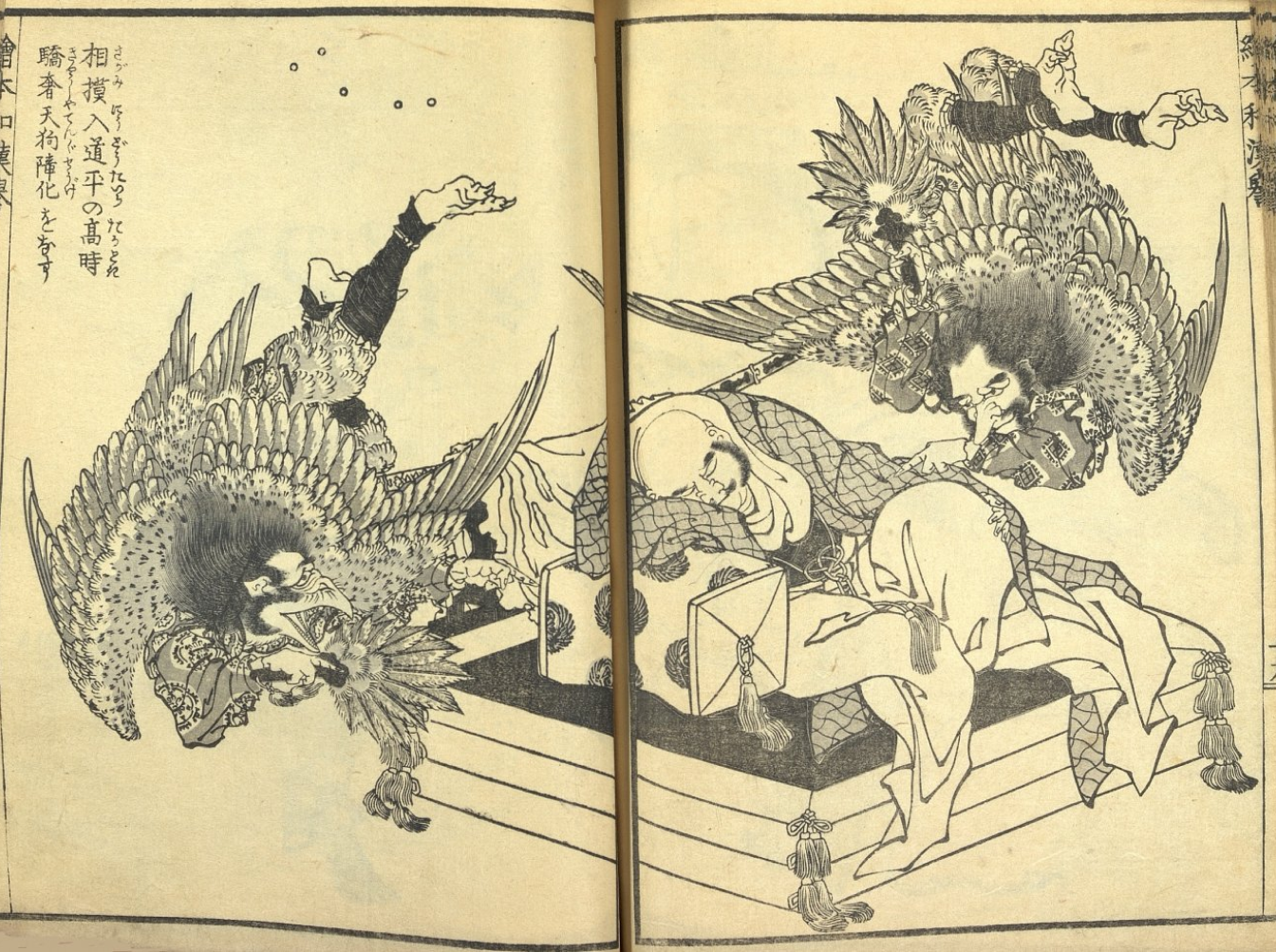
We’ve also done a similar project around Japanese typography. This was in 2021, when André Baldinger, the designer we work with for our visual identity, had a residency in Japan. He tried to adapt his fonts he created to Japanese scripts. At the same time, a graduate student, Émilie Rigaud, was working on designing Japanese fonts. The two of them collaborated on the exhibition and on a round table with various researchers and designers discussing Japanese scripts. There was also a small historical section about the introduction of the Japanese script to the Western world.
 Confrontation between Taira no Takatoki and the mountain deity Tengu, Katsushika Hokusai, [1809]. From the BULAC collection
 Sukeroku is attacked under a spring rain, Katsushika Hokusai, [1850]. From the BULAC collection
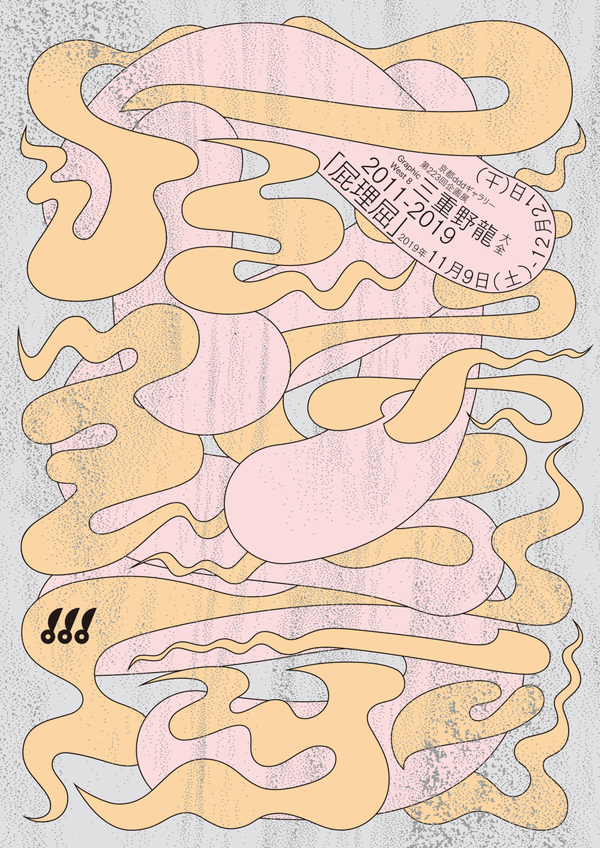 Poster shown at the exhibition on the history of Japanese printing at BULAC. Ryu Mieno, 2019. Image: BULAC
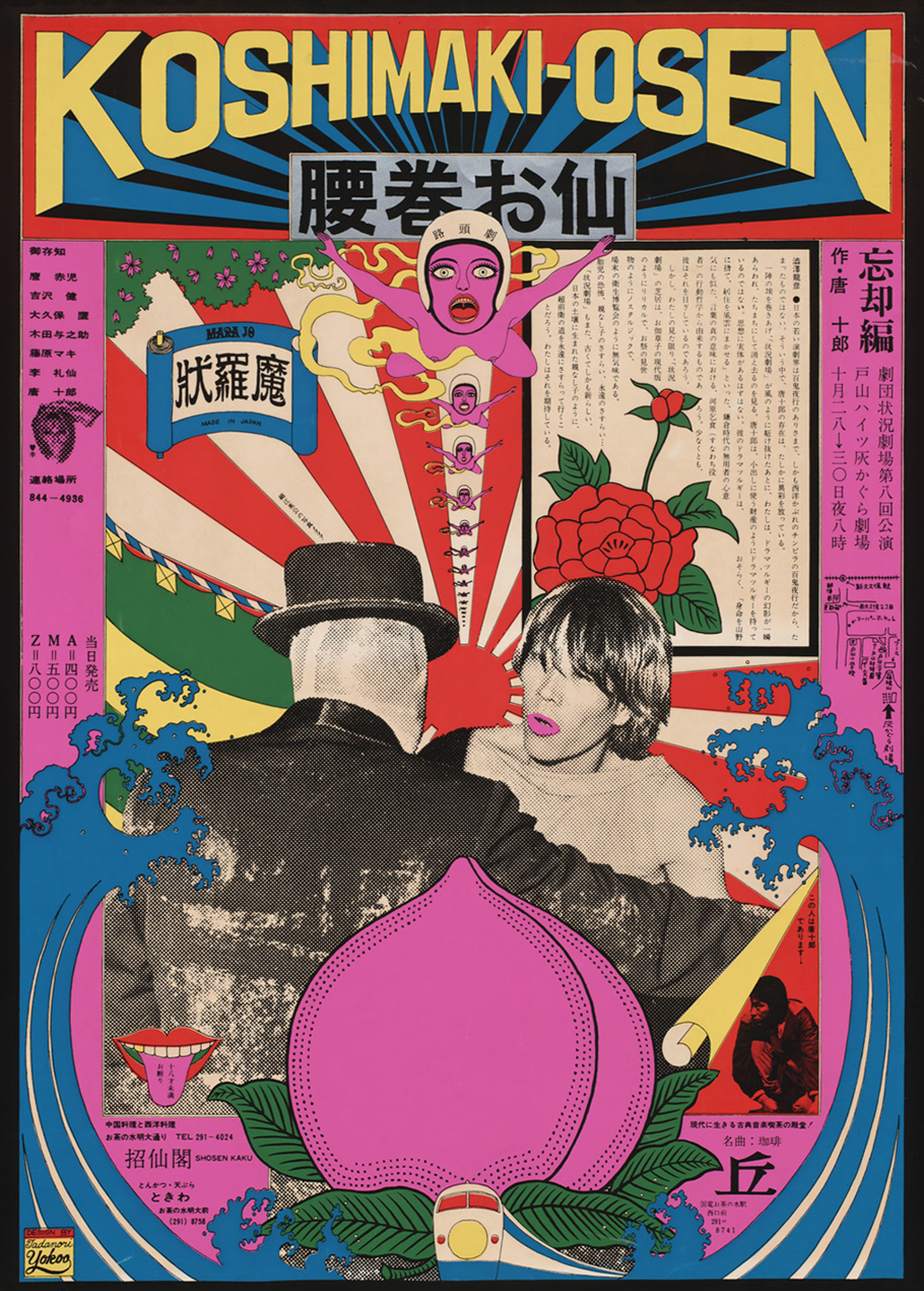 Poster shown at the exhibition on the history of Japanese printing at BULAC. Tadanori Yokoo, 1966. Image: Museum für Gestaltung Zürich
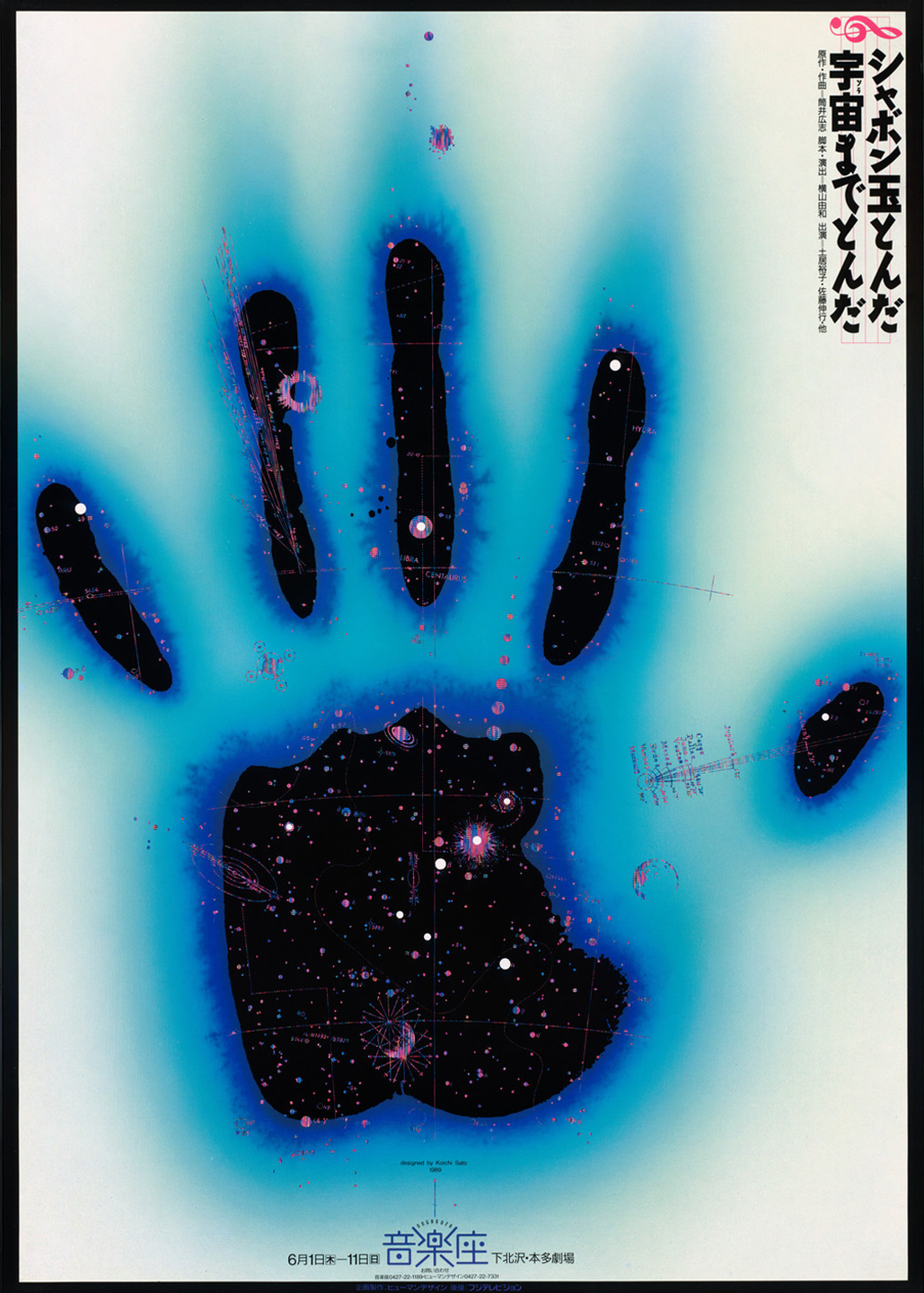 Poster shown at the exhibition on the history of Japanese printing at BULAC. Koichi Satō, 1989. Image: Museum für Gestaltung Zürich
AS: Do you have any in-progress typography-related projects?
BG: We have a project in the making. We had an exhibition about the Romanisation of Vietnamese. This exhibition explored how the shift from Chinese characters to Latin characters in Vietnam was carried out. After the exhibition, we were contacted by Khải Quang Nguyễn, a researcher who works with the Atelier National de la Recherche Typographique. He has been studying the Vietnamese press in the 1920s and 1930s and researching which fonts were developed in Vietnam to cope with the complexity of diacritics in Romanised Vietnamese characters.
Now, Khải Quang Nguyễn, together with our colleagues in charge of the Vietnamese collection, Thi Hai Nguyen, and a post-graduate student, Vy Cao, working on the history of the printing industry in Vietnam, is selecting documents to study typographic creation in Vietnam in the 1920s and 1930s, trying to understand the systems developed to handle the complex diacritic system of Romanised Vietnamese.
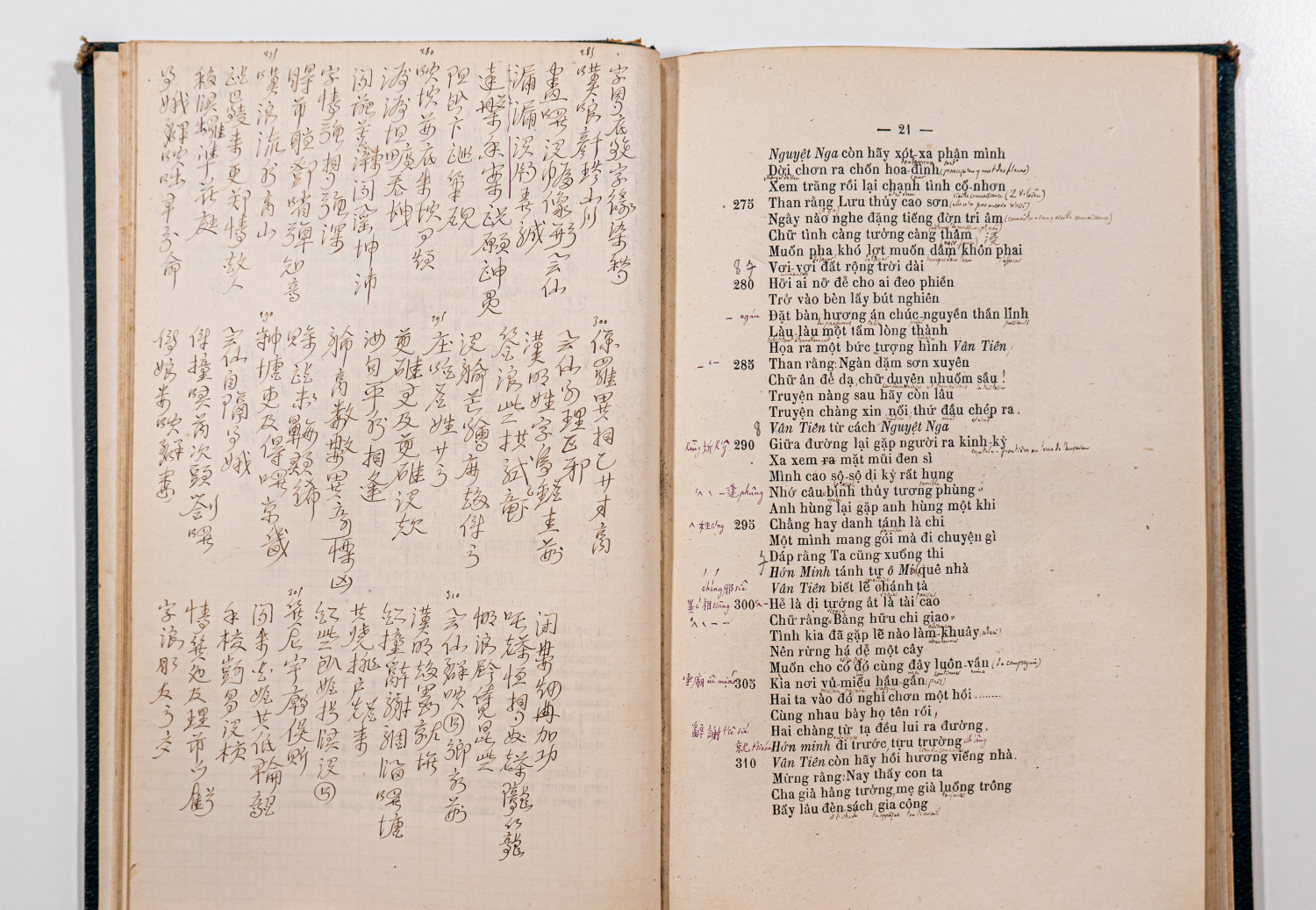 Nguyễn Đình Chiểu, Gustave-Jean-Auguste Janneau, Lục Vân Tiên. Annamite poem, 1873. From the Vietnamese collection (BULAC)
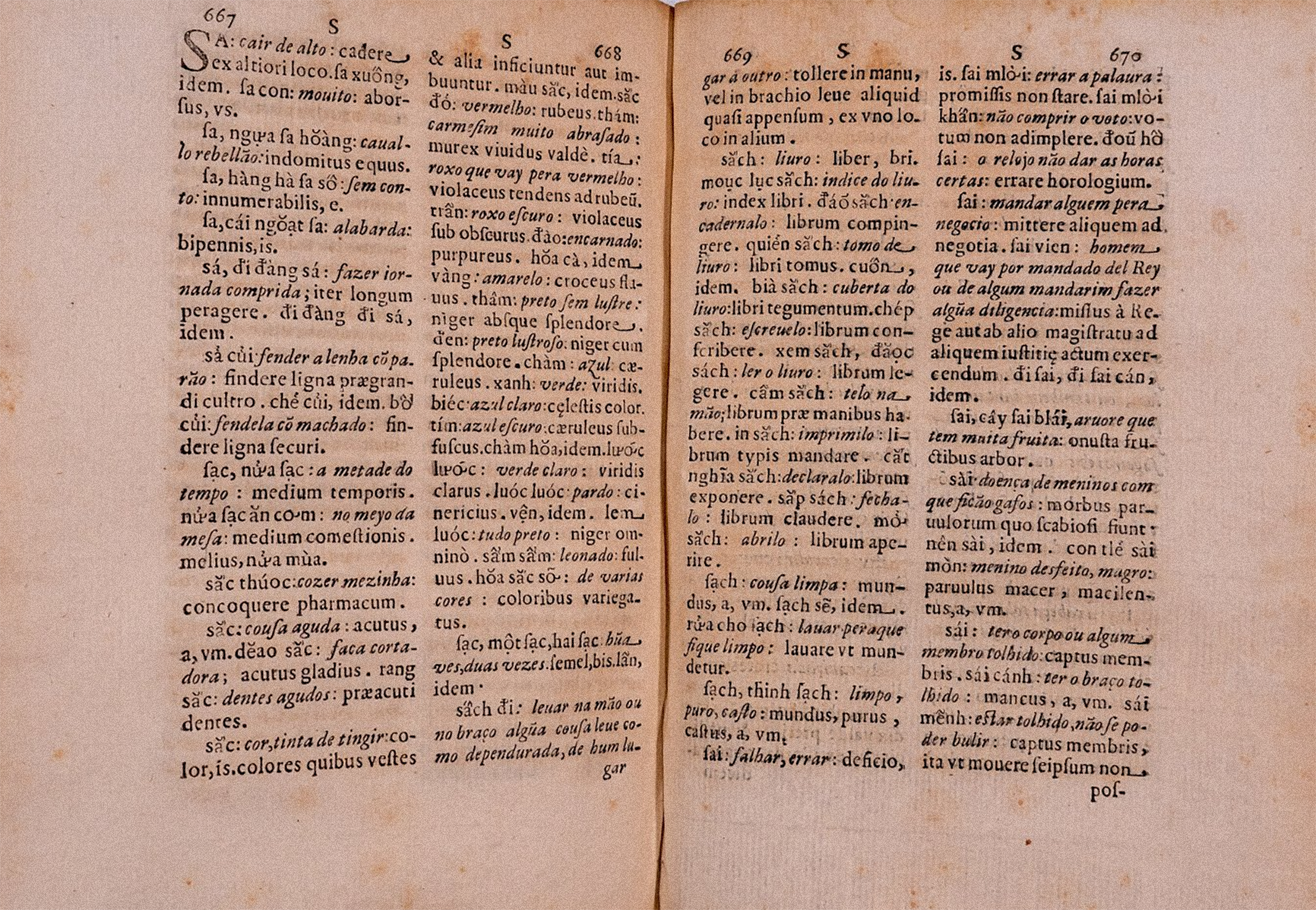 Alexandre de Rhodes, Dictionarium annnamiticum. From the Vietnamese collection (BULAC)
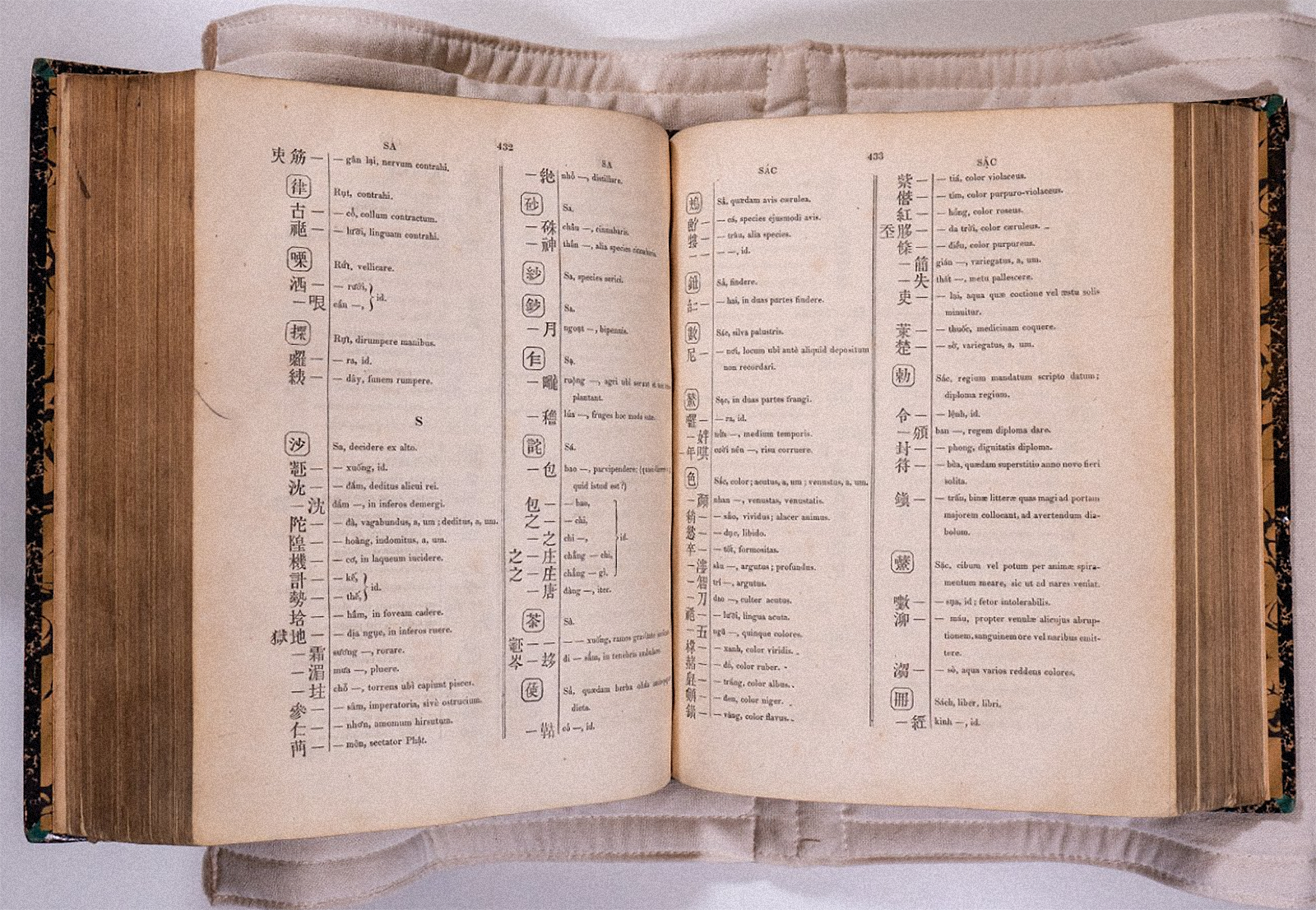 Pierre-Joseph Pigneau de Béhaine, Jean-Louis Taberd, Dictionarium anamitico-latinum. From the Vietnamese collection (BULAC)
AS: Do you also collaborate with people creating rather artistic research?
BG: We have a project that was completed this year. Teachers from École Estienne were interested in the variety of writing systems in our collections. They created a purely artistic project with their students. The students worked with our collections and developed what we call a science fiction installation. They created stories of a post-apocalyptic world, from which only some vestiges remained. Among those vestiges were testimonies of writing systems from the future. Based solely on the shapes and forms of languages they did not know, they created small stories.
They developed about eight fictitious writing systems, built histories around them, and created small artifacts for exhibition. It was very amusing to see. What was even more amusing was that linguists and scholars studying writing systems came to see the exhibition. While the students approached the writing systems purely visually, the linguists were looking for signs and meanings. AS: I’ve always wanted to combine elements of letters from different scripts into a single font to create a new writing system, since my mother tongue shifted from Arabic to Latin, then to Cyrillic, briefly back to Latin, and then back to Cyrillic.
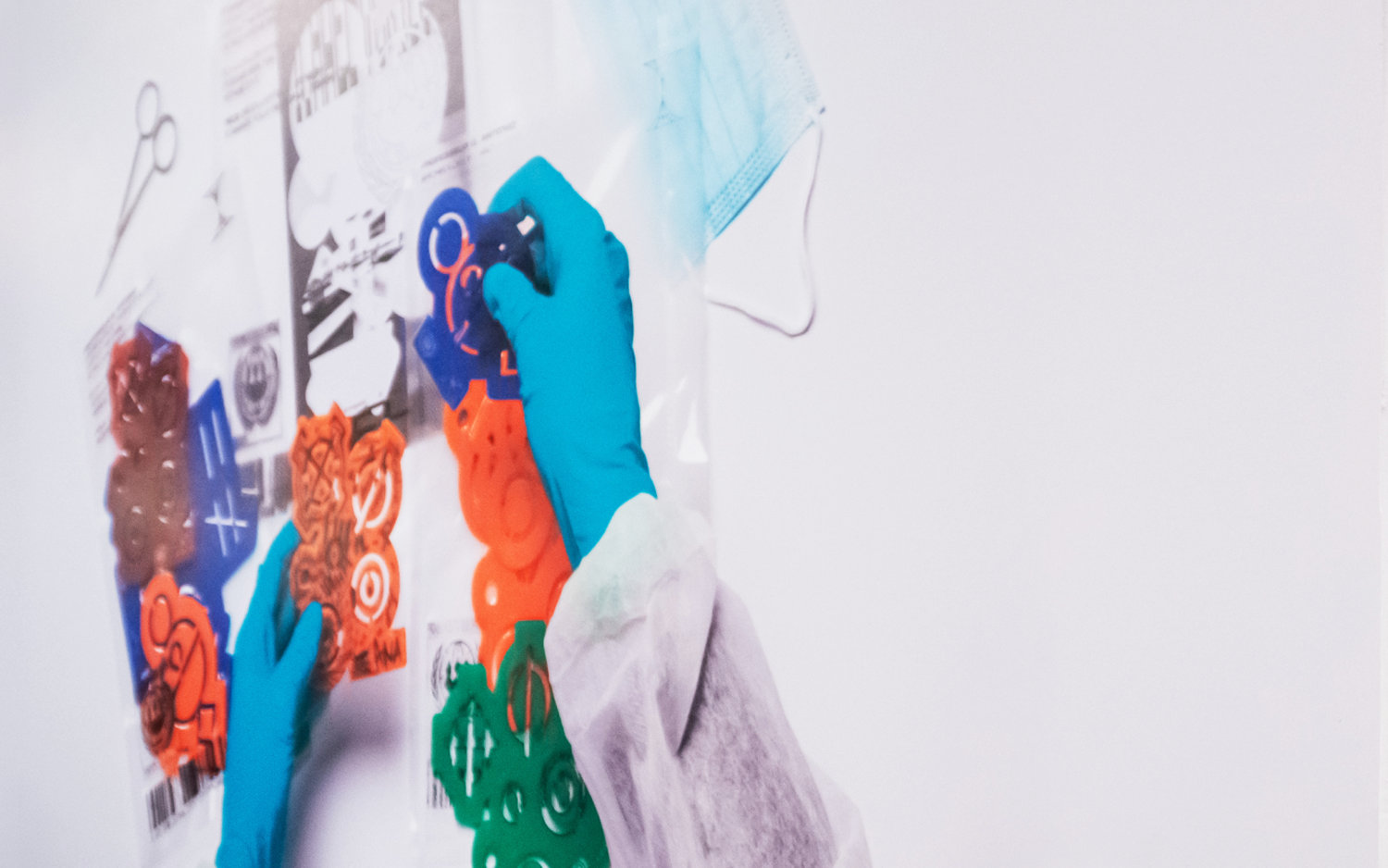
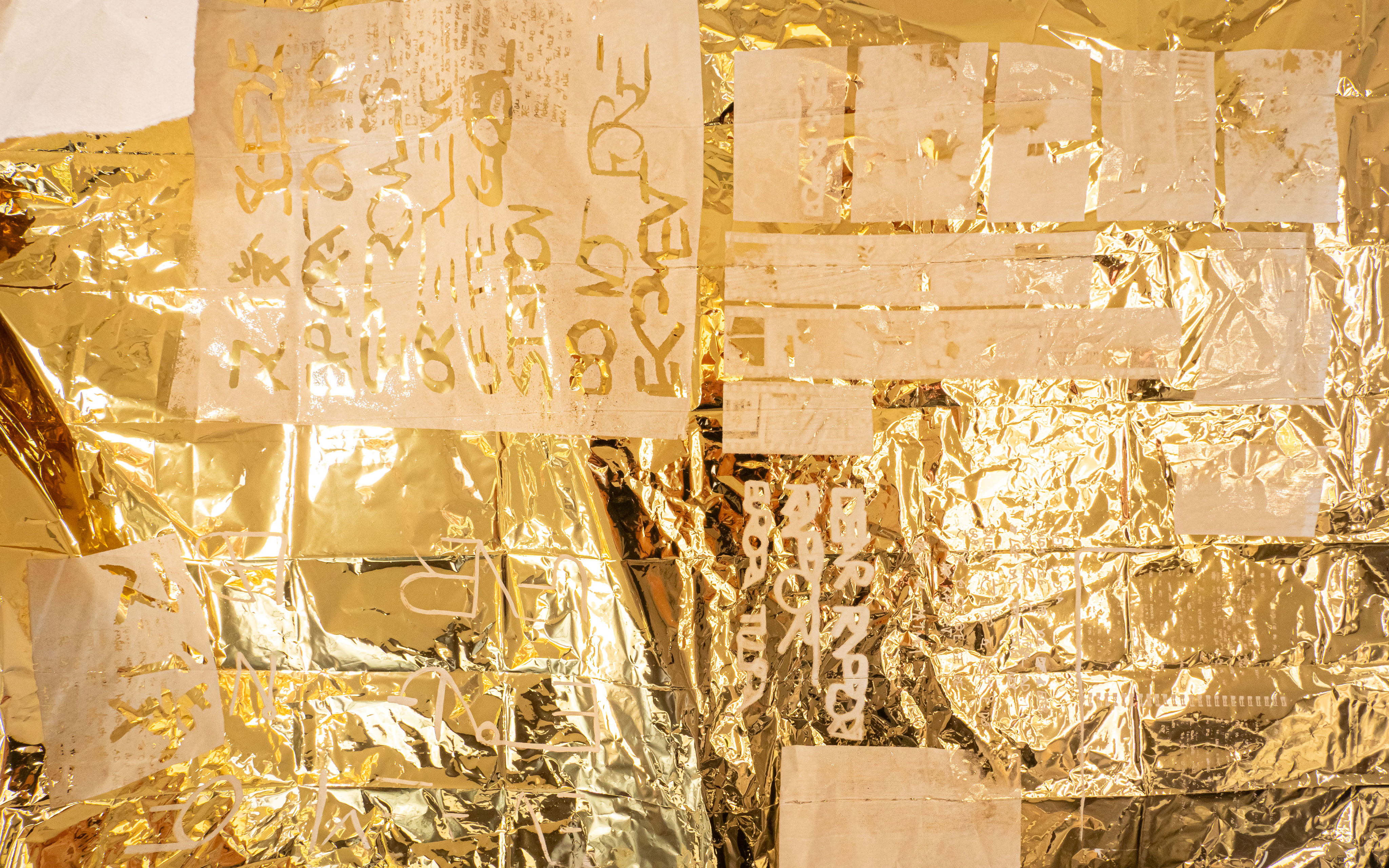
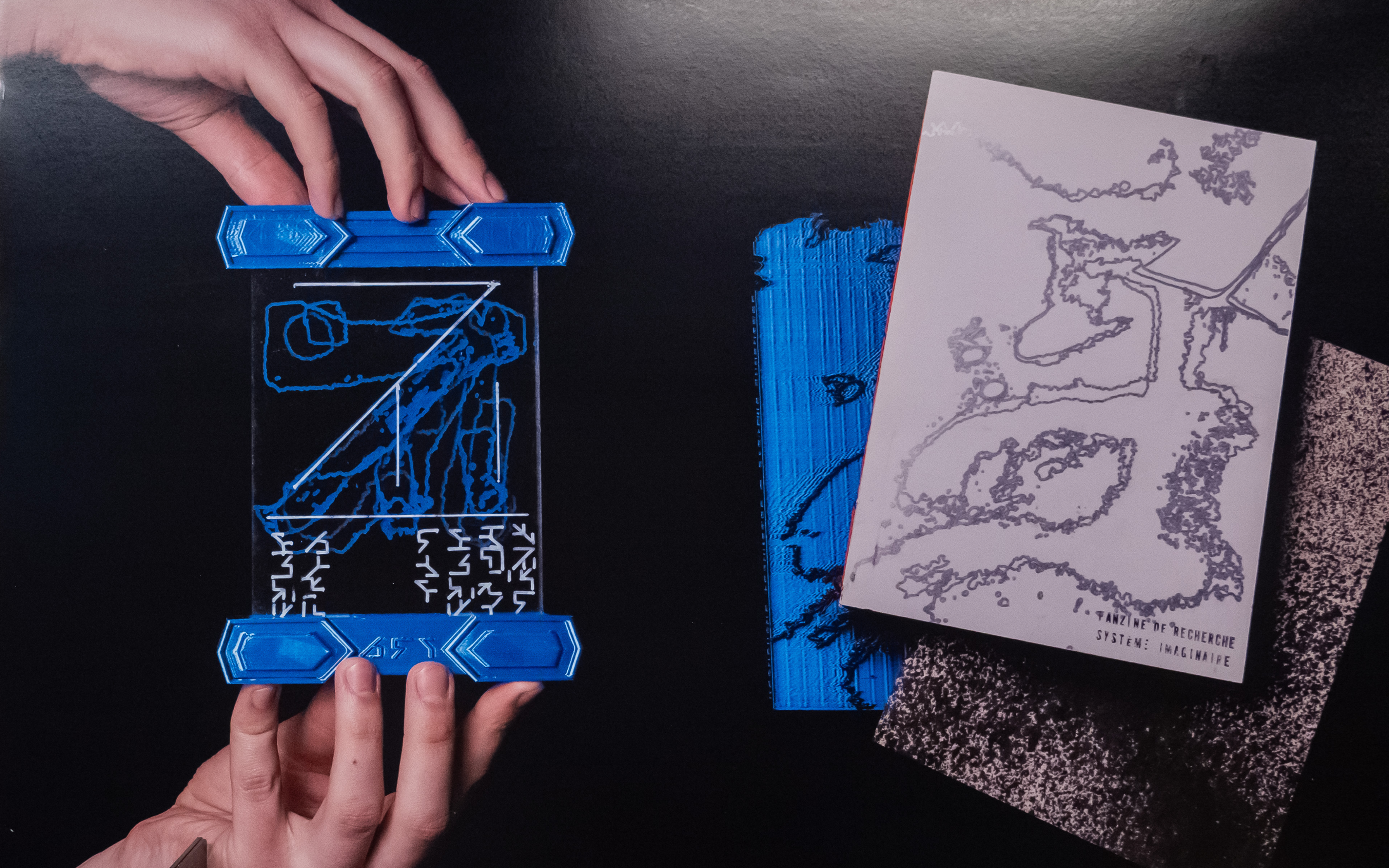
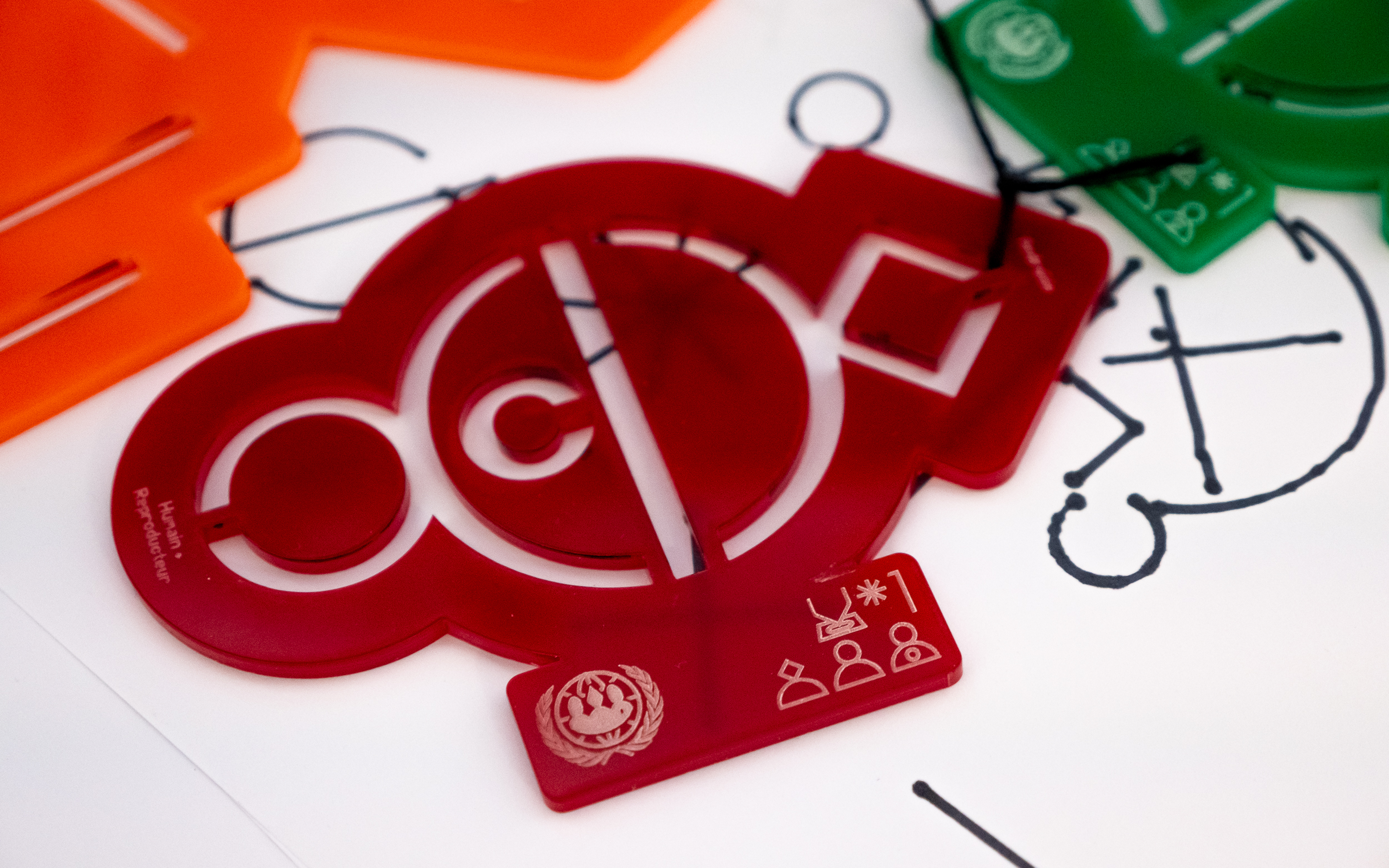
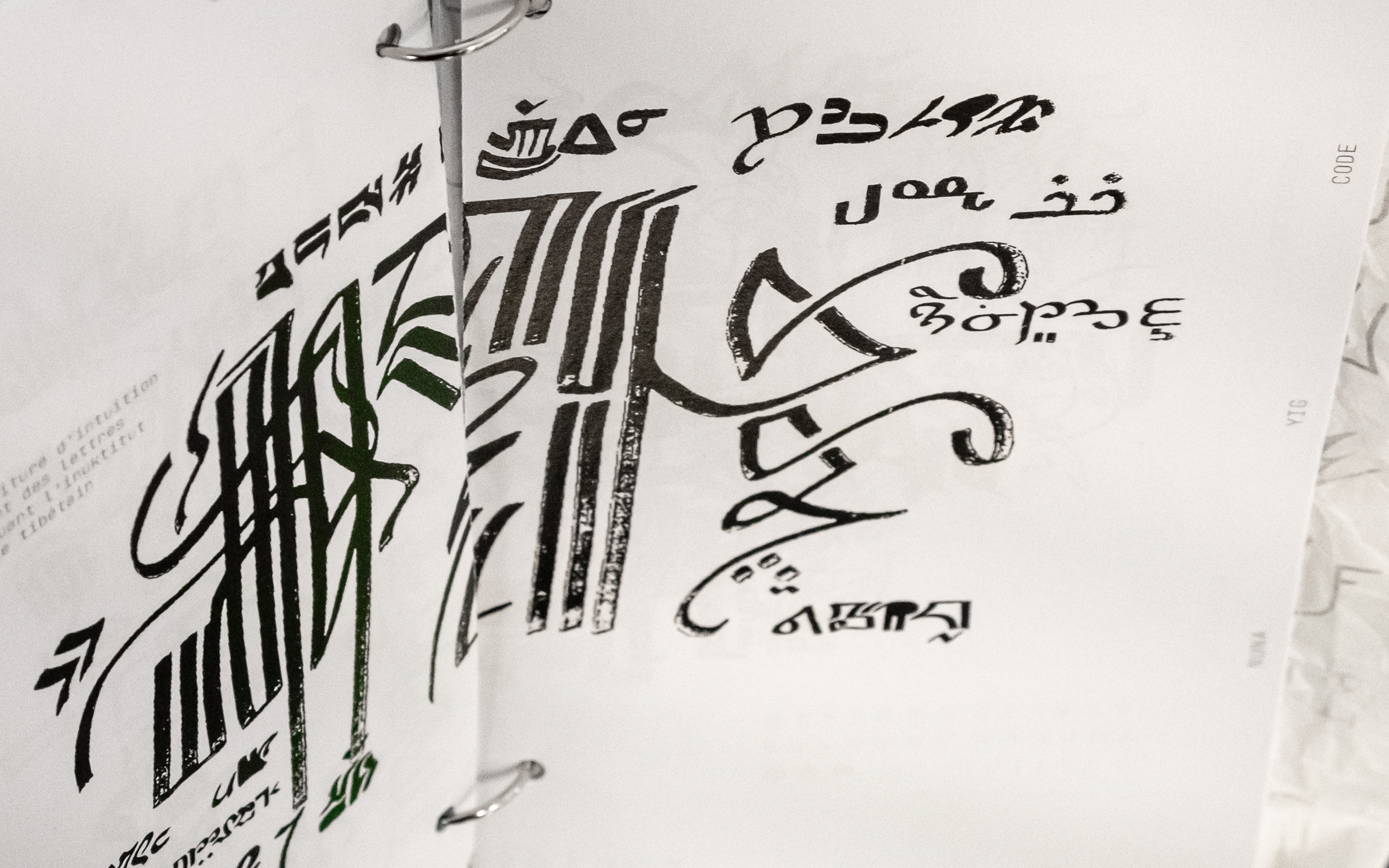
Projects created in collaboration with the students and teachers from École Estienne. Images: BULAC
AS: I’ve always wanted to combine elements of letters from different scripts into a single font to create a new writing system, since my mother tongue shifted from Arabic to Latin, then to Cyrillic, briefly back to Latin, and then back to Cyrillic.
BG: In 1937, there was the World Exhibition in Paris. There was a huge Soviet pavilion, and Nazi Germany and the Stalinist USSR wanted to show their strength to each other. Among other things, the USSR wanted to demonstrate how it promoted the diversity of languages and cultures within the Soviet Union. This was at the height of the Latinisation policy for minority languages. We have a rather unique set of materials in many languages, some of which were Latinised for only five or ten years before switching to Cyrillic, as Soviet policy changed.
I like showing one book to demonstrate what this Latinisation policy resulted in. It’s from Kyrgyzstan and written in Dungan, a language derived from Chinese. It was spoken by a Muslim population, so the language used to be written in Arabic script. It was switched to Latin script in the early 1930s and is now written in Cyrillic.
But they wanted to show the influence of Chinese culture. So they wrote in Latin, mimicking a Chinese brush. Moreover, they framed the characters in geometrical forms to give it a constructivist touch. And the result is completely unreadable!
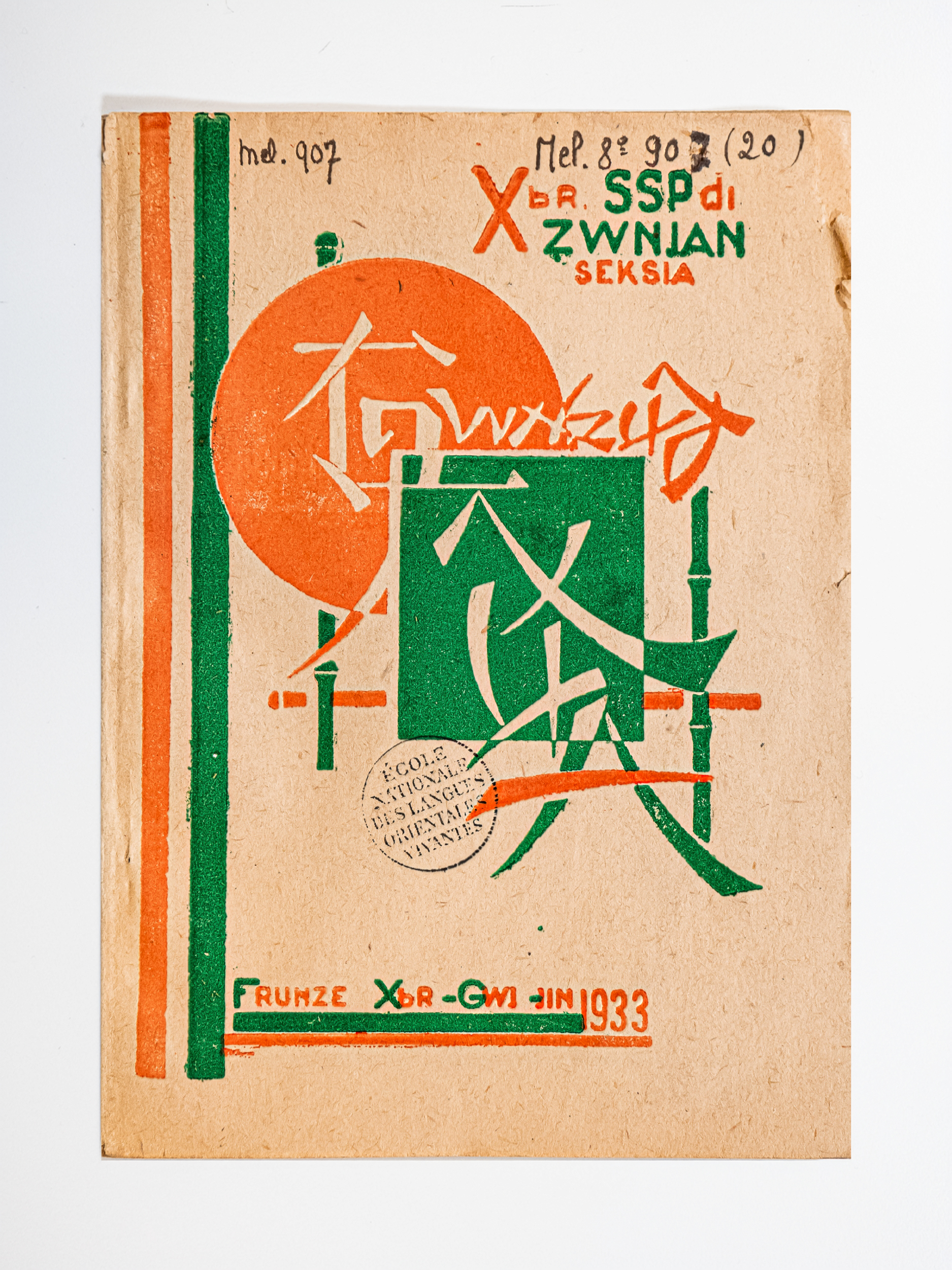
КGwnzuə xua in Dungan. From the BULAC collection
AD: There is a term for that kind of practice: chop suey fonts.
BG: I didn’t know that! The other project we did with scripts is a handwritten text recognition model for Arabic manuscripts, specifically in the Maghribi script. Maghribi has very round shapes, and ascenders and descenders from neighbouring lines overlap a lot. Adding to the difficulty, Arabic letters have many forms depending on their position in the text. So we trained the model specifically for the Arabic script, fine tuning models that were trained at first for Armenian script with the help of the team from Calfa, a start-up gathering philologists and IT specialists for data extraction from textual and visual sources involving non latin scripts. After that proof of concept, we extracted texts from a larger Maghribi corpus, mixing various manuscripts, lithographic and typographic prints.
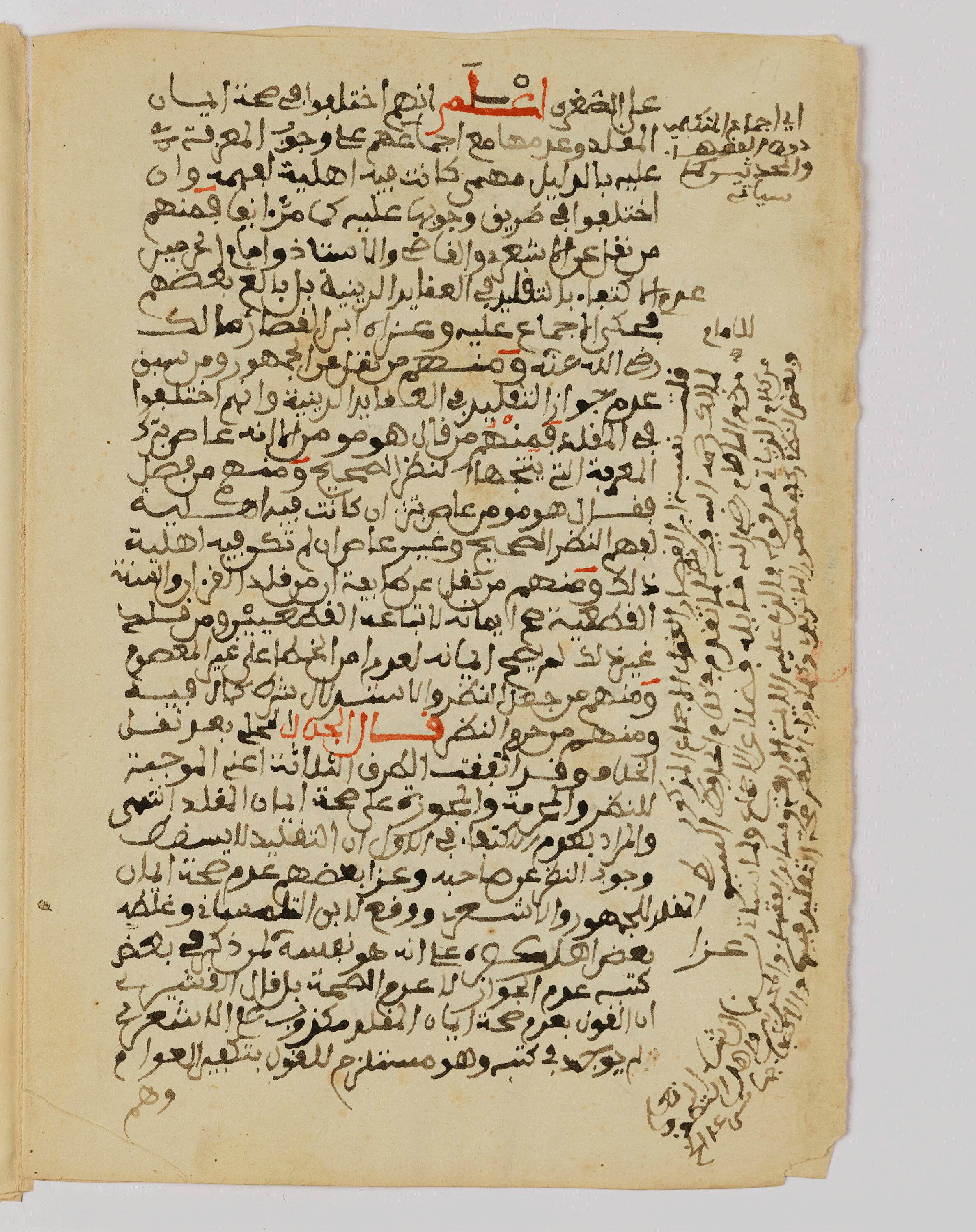
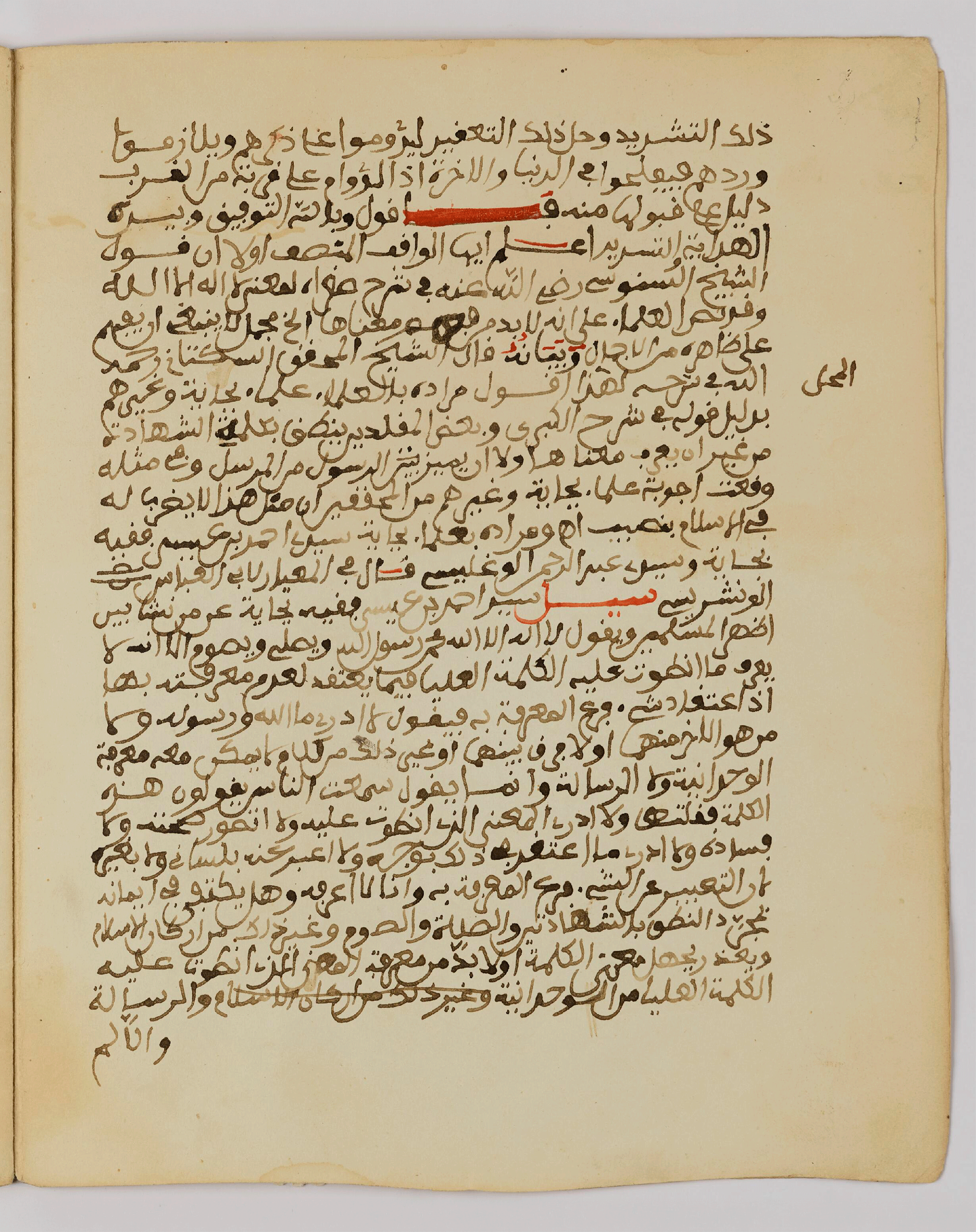
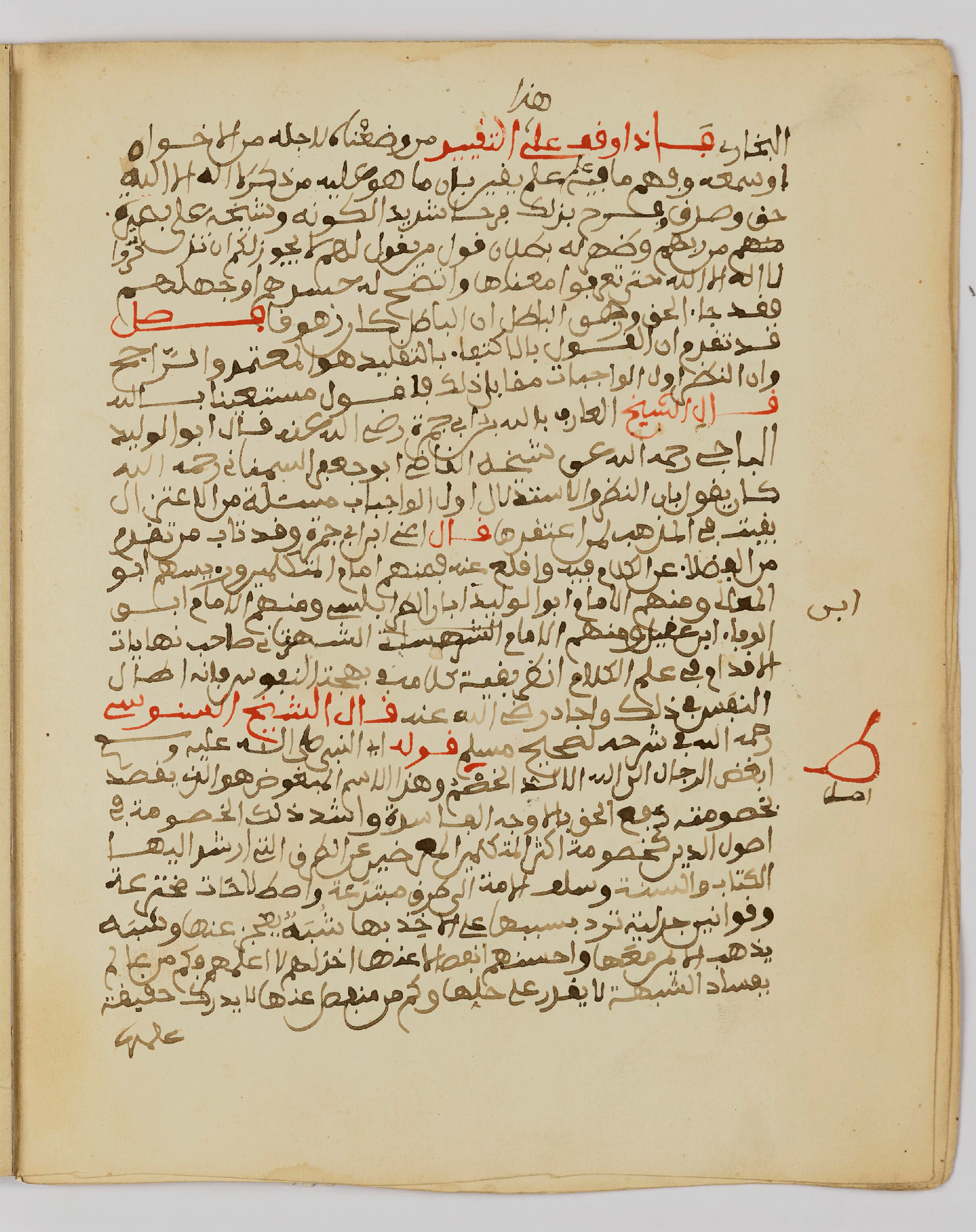
Treatise on Sufism written in Maghribi script, 1859. From the BULAC collection
In parallel, Calfa technology was used to analyze xylographic Chinese texts for a Digital Humanities project on Chinese medieval encyclopedias. At first,
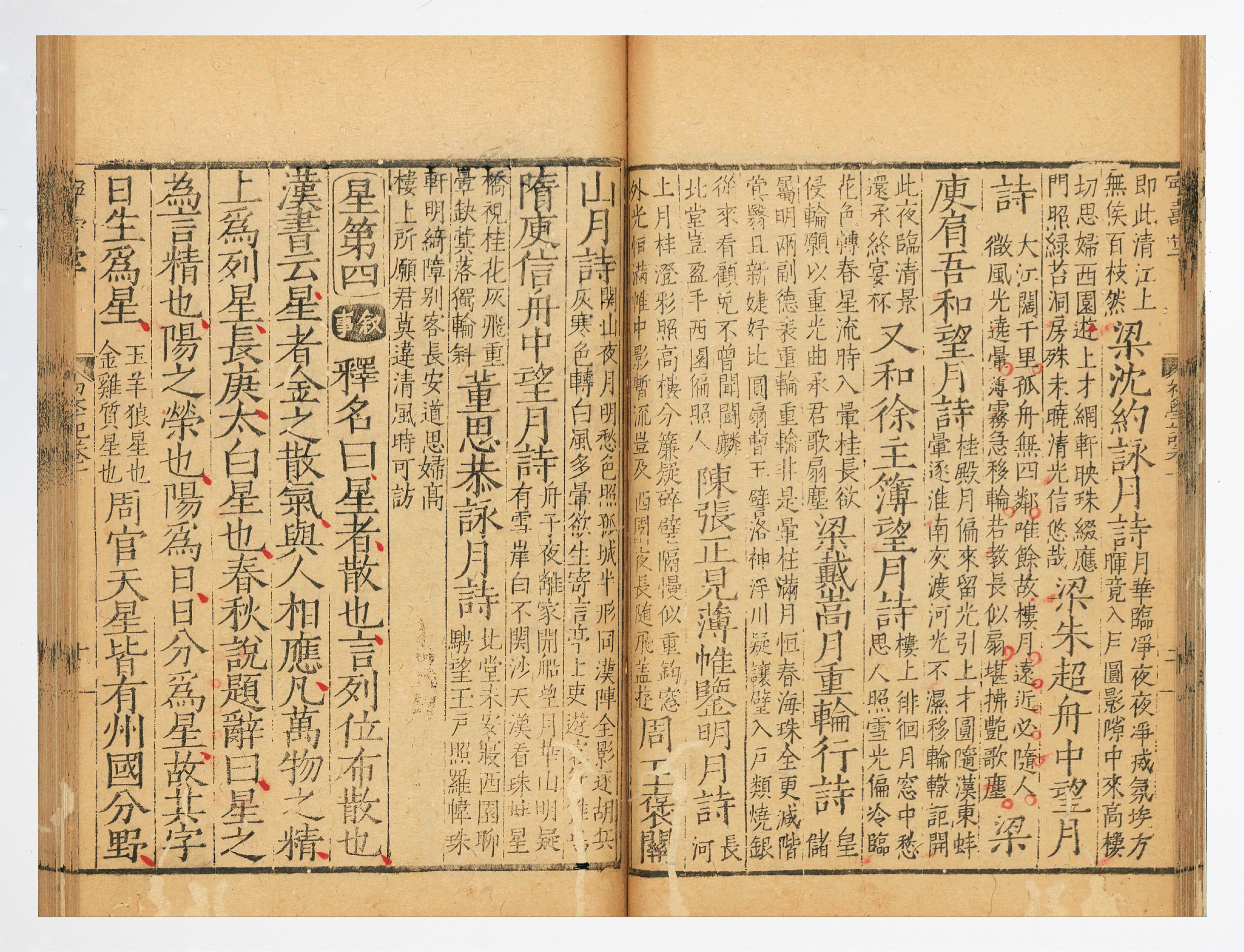
Books from the corpus of Chinese xylographic books CHI-KNOW-PO. Image: Calfa
In short, fine-tuning an Automatic text recognition engine for a new script requires a small amount of work to manage even a large set of characters. But the training of a model on various page layouts involves a lot
Speaking of directionality and orientation of writing systems, we have in our collections a very interesting set of Chinese books on Islam. The way Arabic script is integrated into the Chinese text is a pleasure to observe, showing how people found ways to cope with different writing systems on the same page.
AS: You run a lot of workshops on the parts of research that are less visible and were overlooked, like promoting your scientific work or managing your bibliographies. Did you start doing that because the universities overlooked that?
BG: We started them as soon as we opened to the public. But it’s rather common in academic libraries nowadays, in France and abroad to offer various training sessions for students and researchers on data management: management of sources, management of bibliographies, and management of research data. I must say there is an obvious familiarity between the traditional role of libraries regarding access to their collections and fostering information skills and data management capacities. Our endeavour is to adapt this digital literacy to area studies specialists, dealing with sources that are less documented. We are involved in a broader effort to foster digital humanities in Asian, African and Middle-Eastern studies through collaboration between data management specialists, librarians and research project investigators.
AS: Is collaborating with master’s programmes or PhD programs also a common thing to do for the university libraries in France?
BG: Yes. But the only difference is that we are not a library of a single university. We specialise in one topic, and we’ve been creating and gathering collections from nine different universities and research institutions. We try to serve these institutions as a priority, but also the community of researchers in our field at large.
All our funding partners have their own libraries. We try to offer training programmes that deal with our specialty.
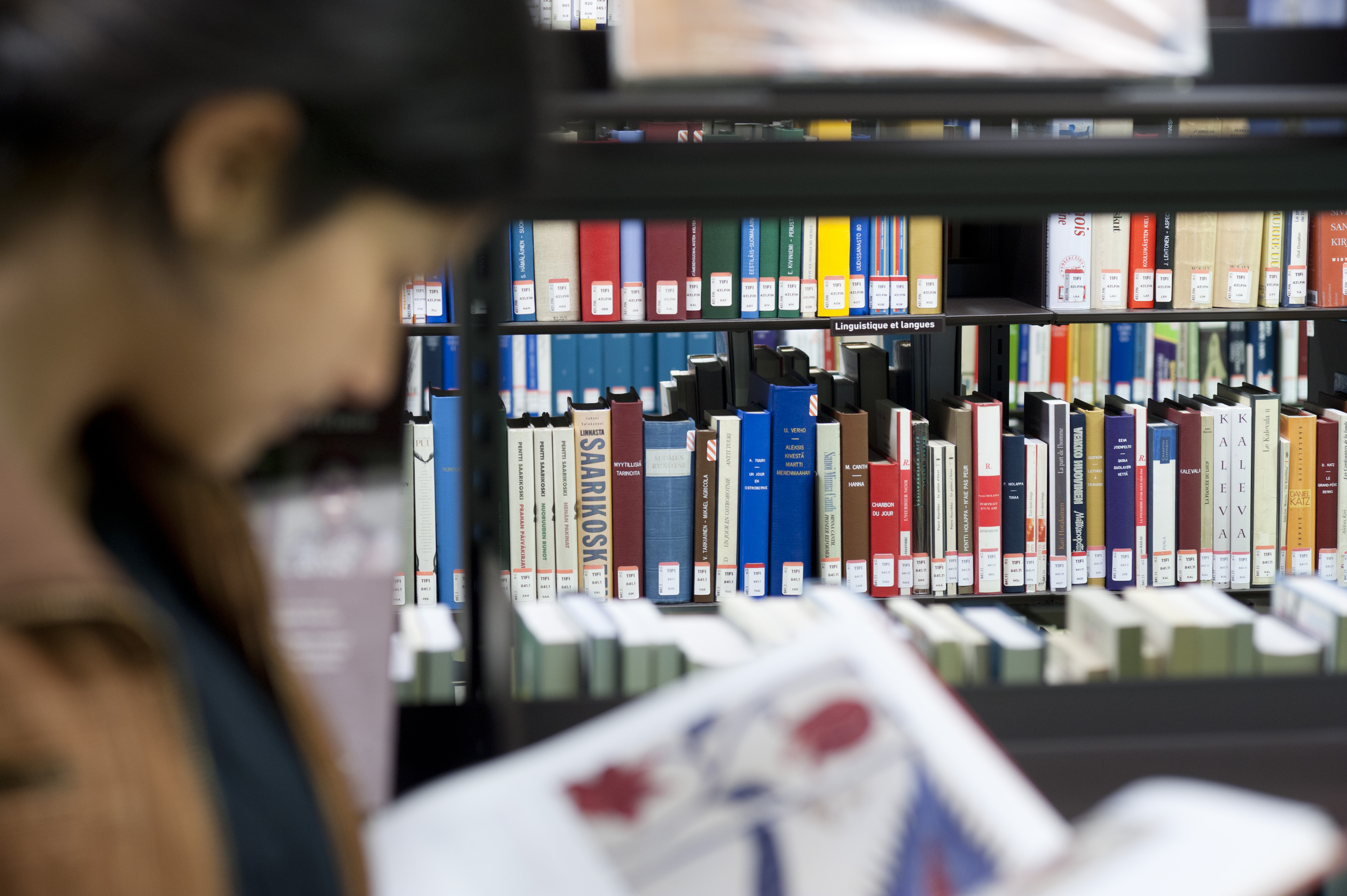
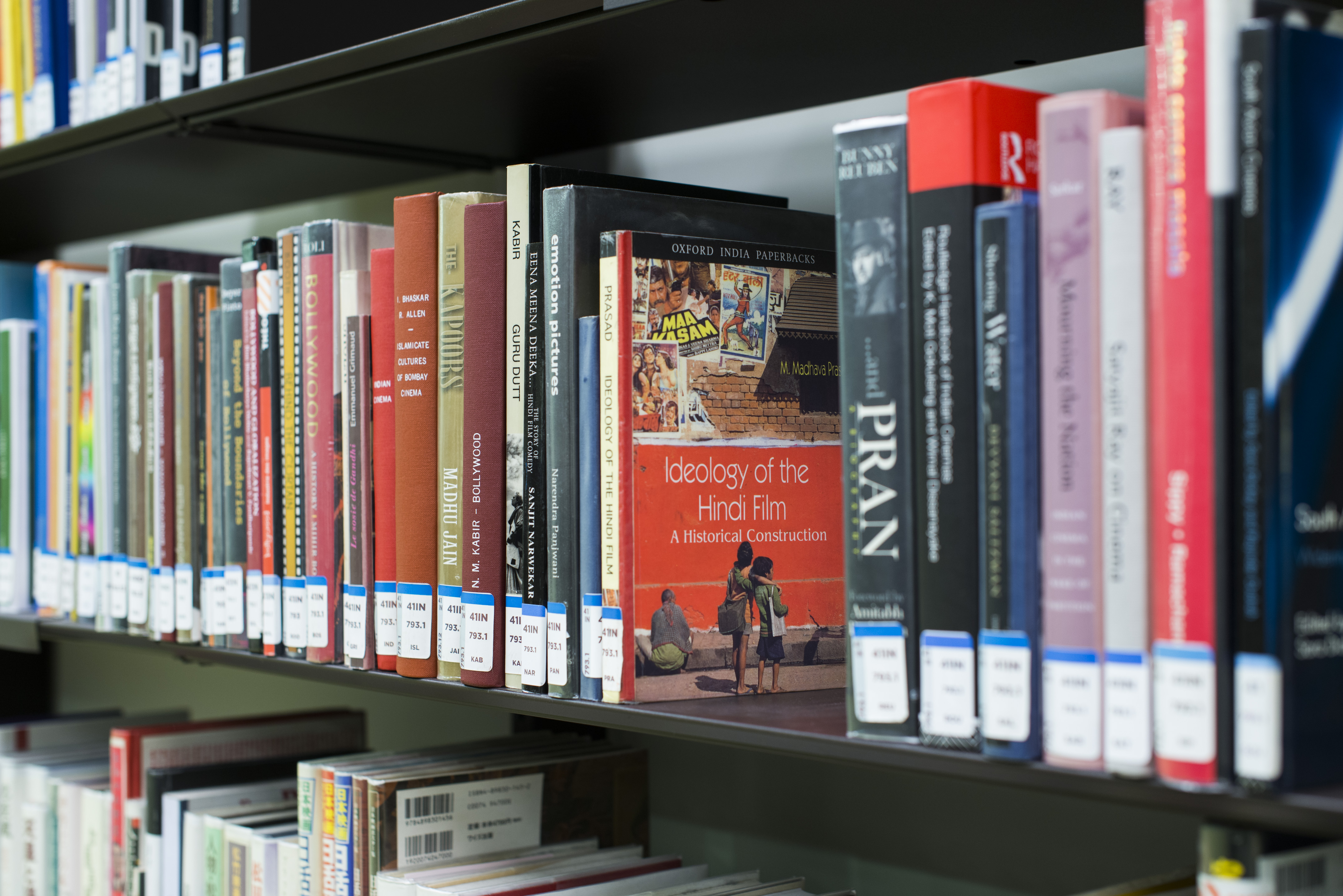
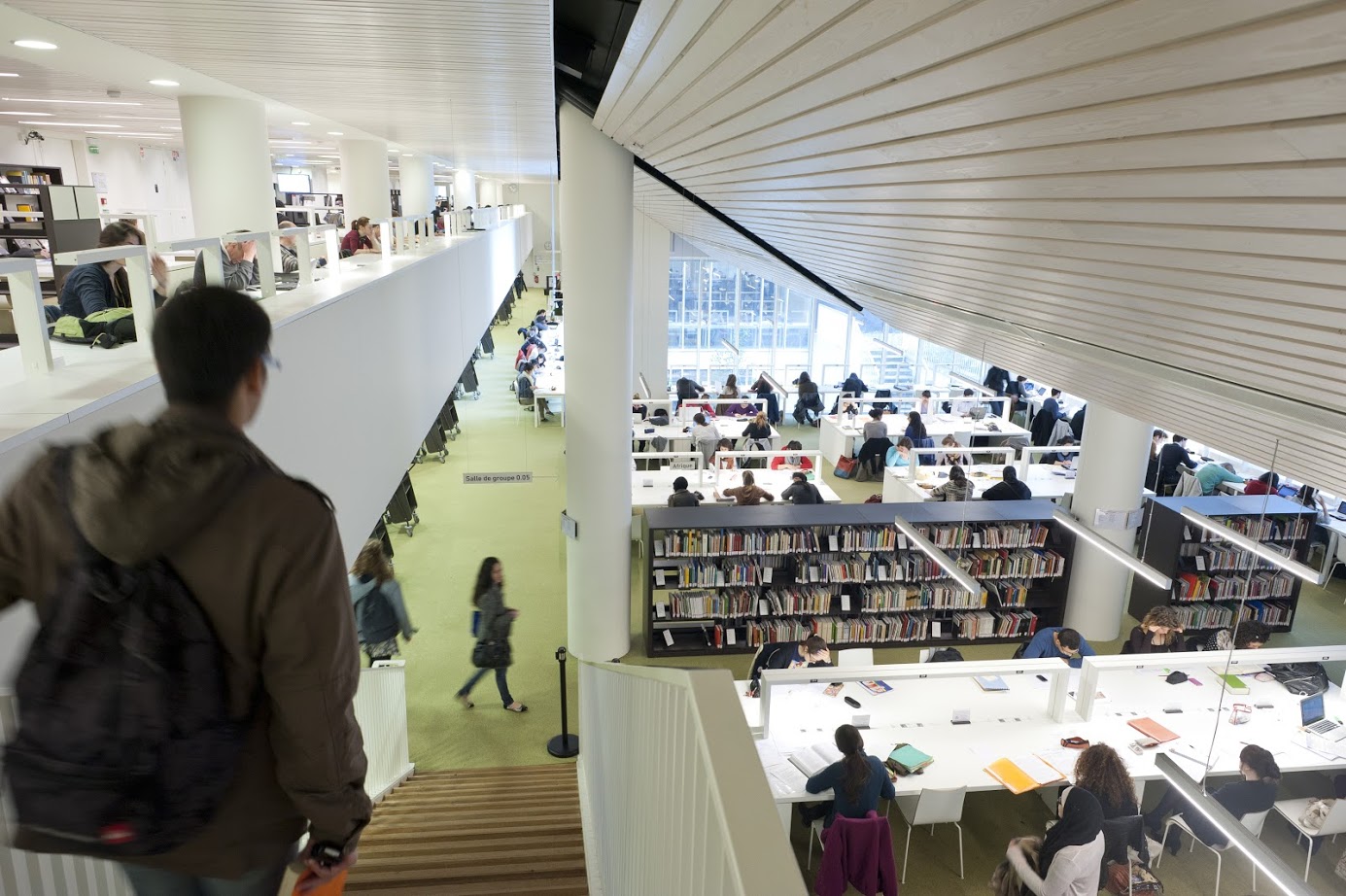
BULAC reading rooms. Photography: Grégoire Maisonneuve
AS: How do you balance the need to preserve the books, your archives, with the fact that you need to provide access to them to the researchers?
BG: We opened to the public with the goal of making access to the collection modernised. Modernised from a French point of view, because if you compare with libraries in Germany, the UK, or the US, there is nothing revolutionary in what we have done. But we opened the library with 200,000 volumes on open shelves, while the libraries we succeeded had only around 200. Our visitors can consult up to 15 books a day. Researchers from the core institutions can borrow 15 books for up to six weeks.
To balance this broad access with preservation issues, we spend a lot of money on conservative and preventive preservation. Every book that we put on the open shelves in the reading rooms has a hard binding or has been consolidated with a special treatment. So this is about 200,000 euros a year just to take the books into hard binding or shapes for them to have on open shelves. We have a restoration section in the library to repair the books that are in bad shape. We do not do renovation, just small repairs.
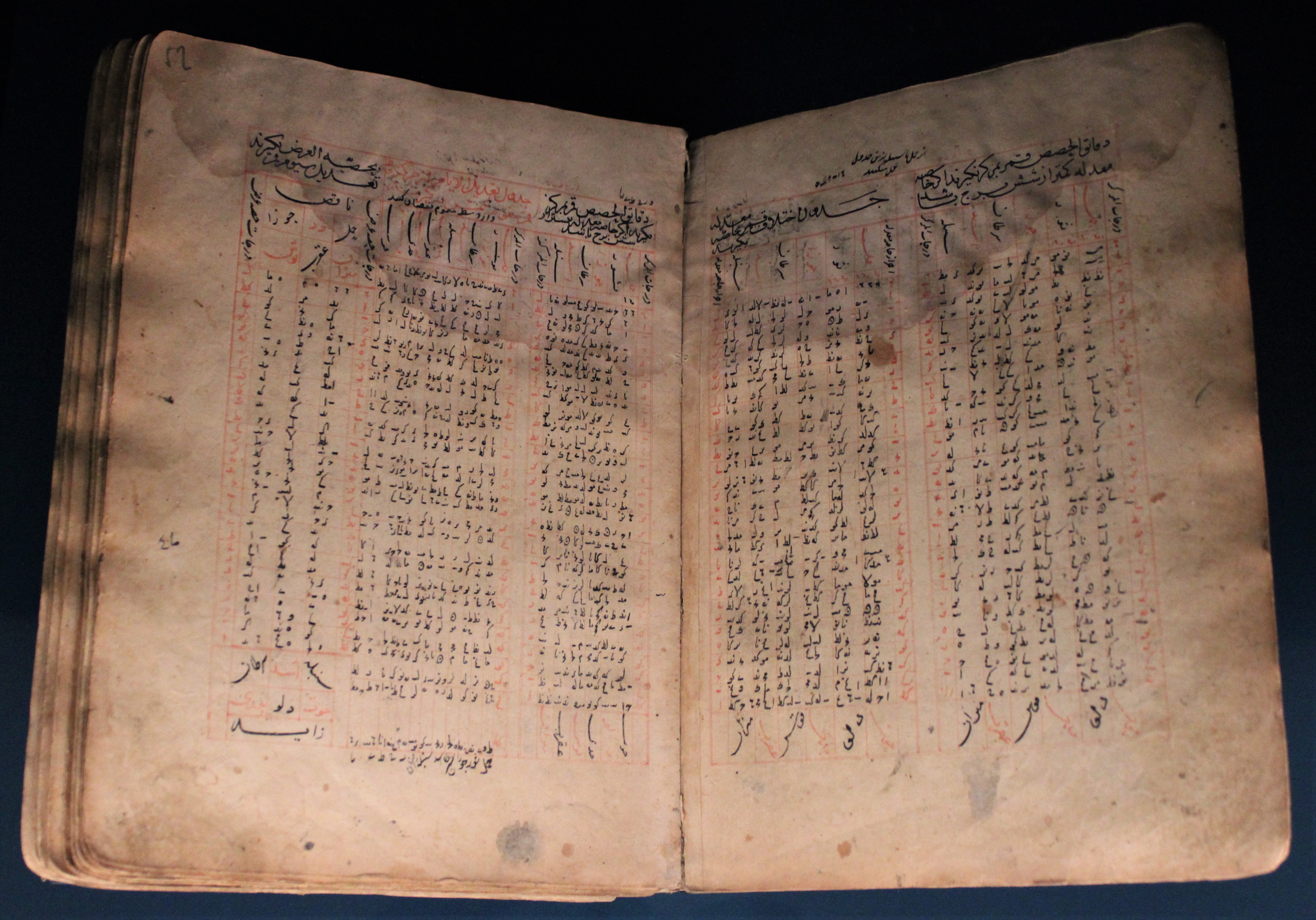 Collection of texts on astronomy and astrology compiled by Imad Ibn Jalal al-Bukhari, 1475–1500. From the BULAC collection
And we have a section that we call our heritage collection. It is stored in a special reserve room. But we have special rules to have access to these documents: only three a day, only under special supervision. We put in these special stacks all the books that were published outside Europe before 1920 and all the books that were published in Europe before 1850.
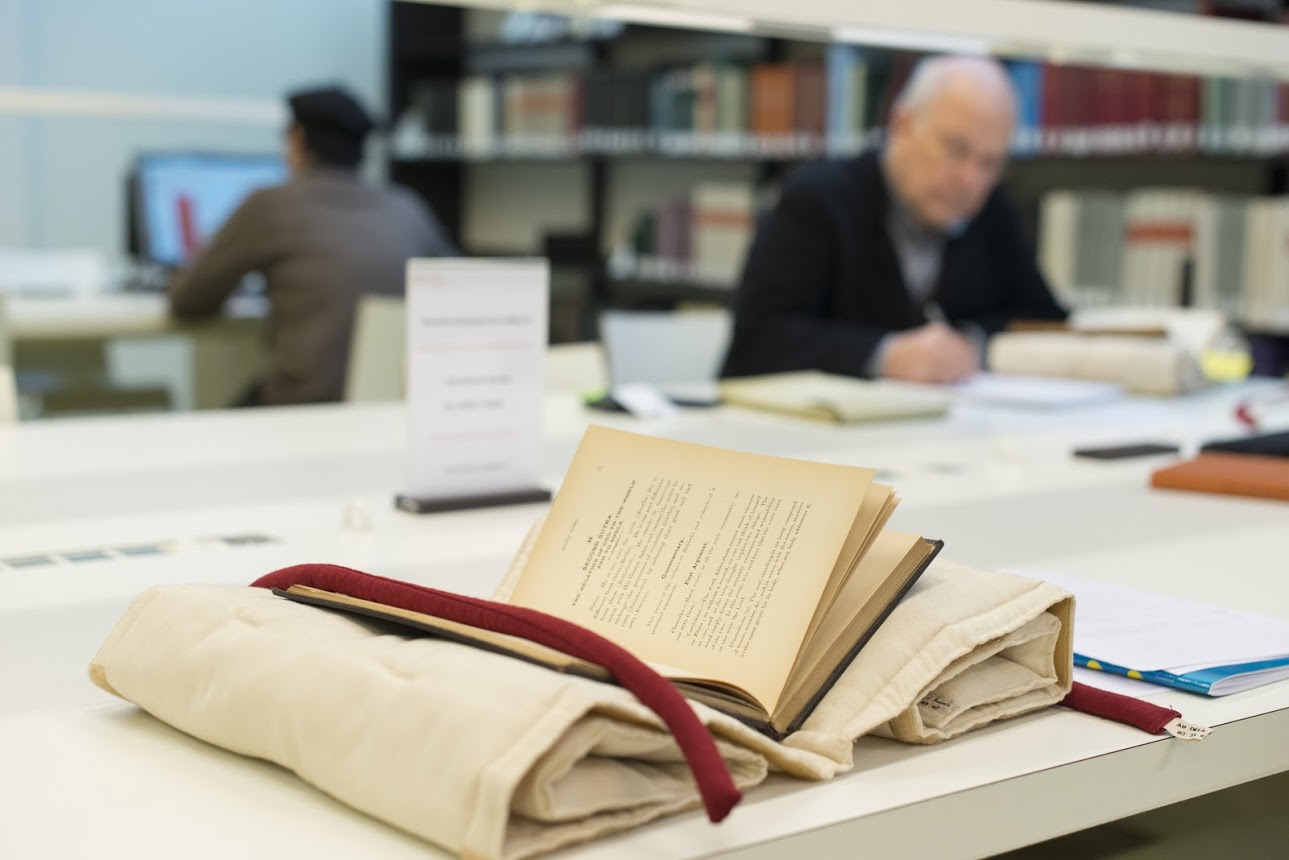 Special reserve room. Photography: Grégoire Maisonneuve
AS: How do you choose materials that have to be digitised first?
BG: We have one policy for digitisation: to prioritise manuscripts. There are only three collections we are working with
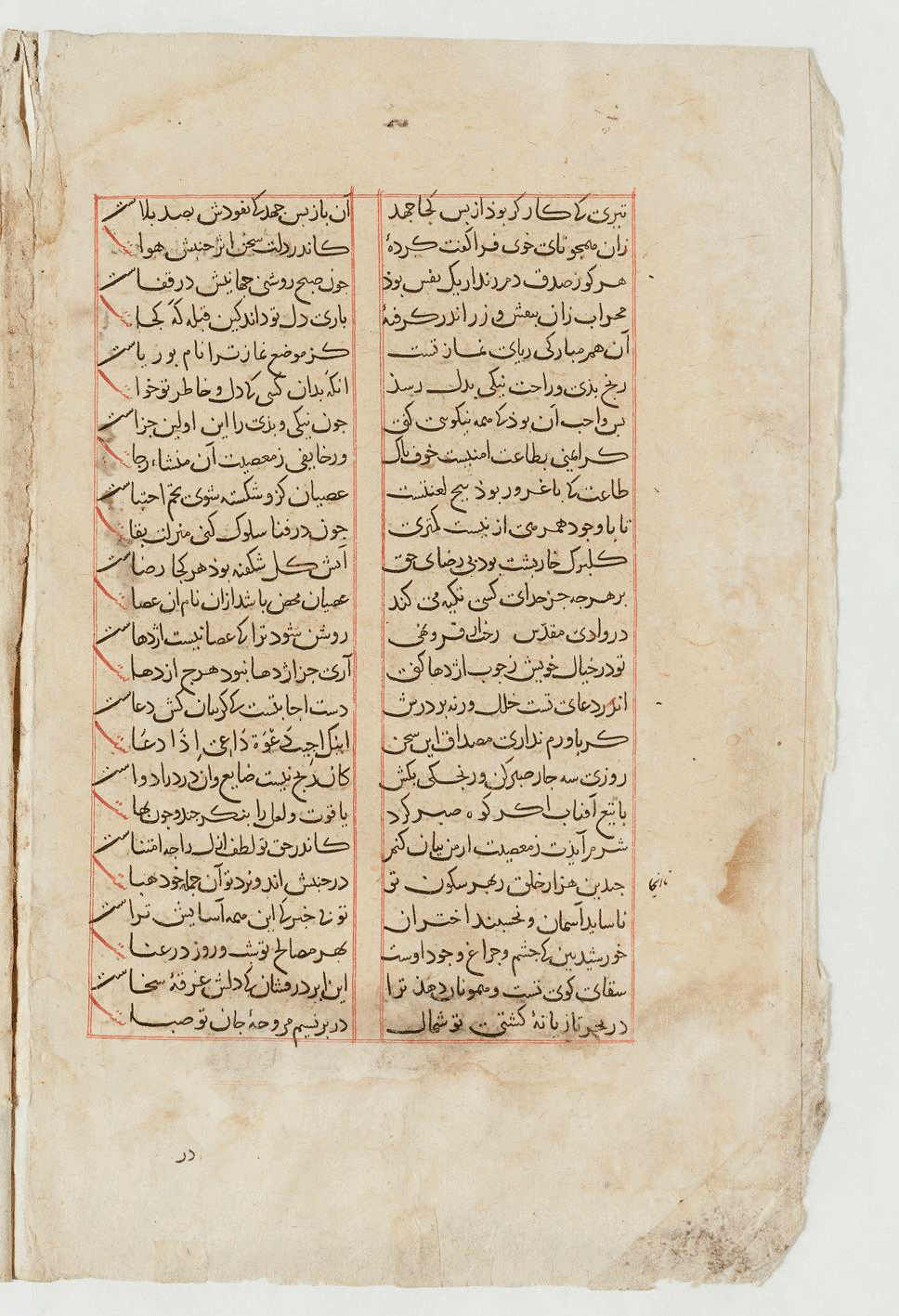
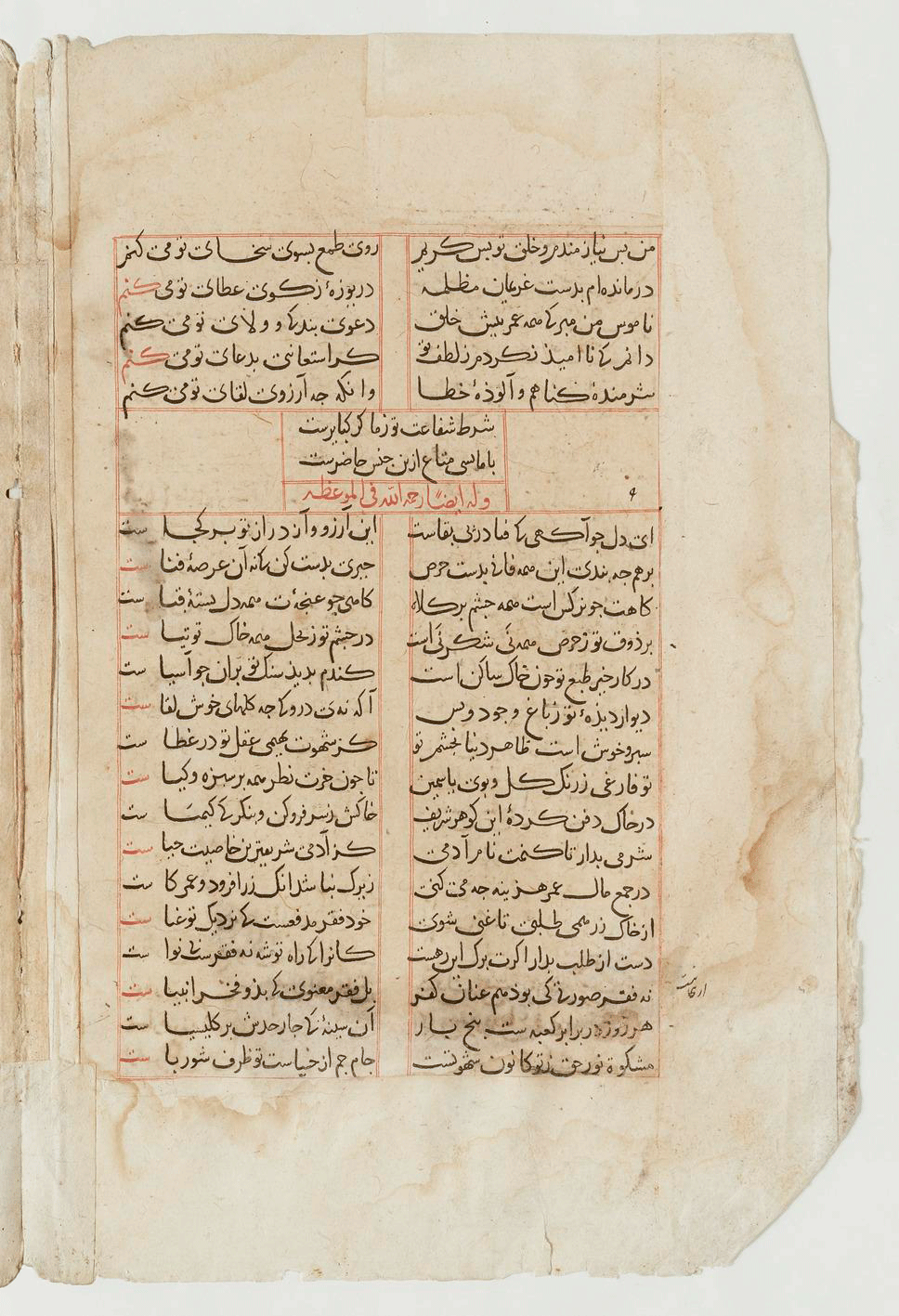
Divan of Kamal Ismail, 14th century. From the BULAC collection
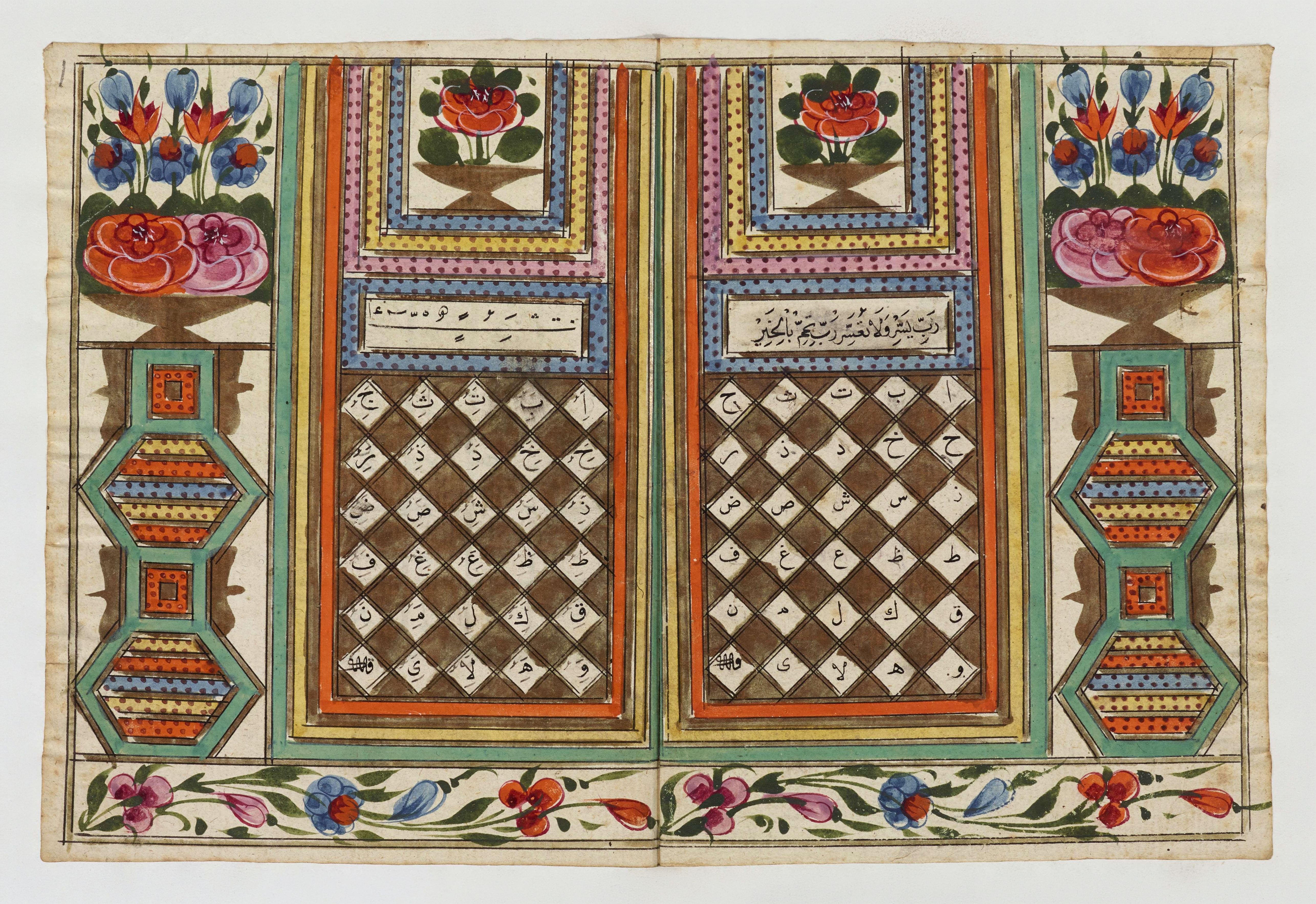
Frontispiece of an Arabic syllabary primer, first third of the 19th century. From the BULAC collection
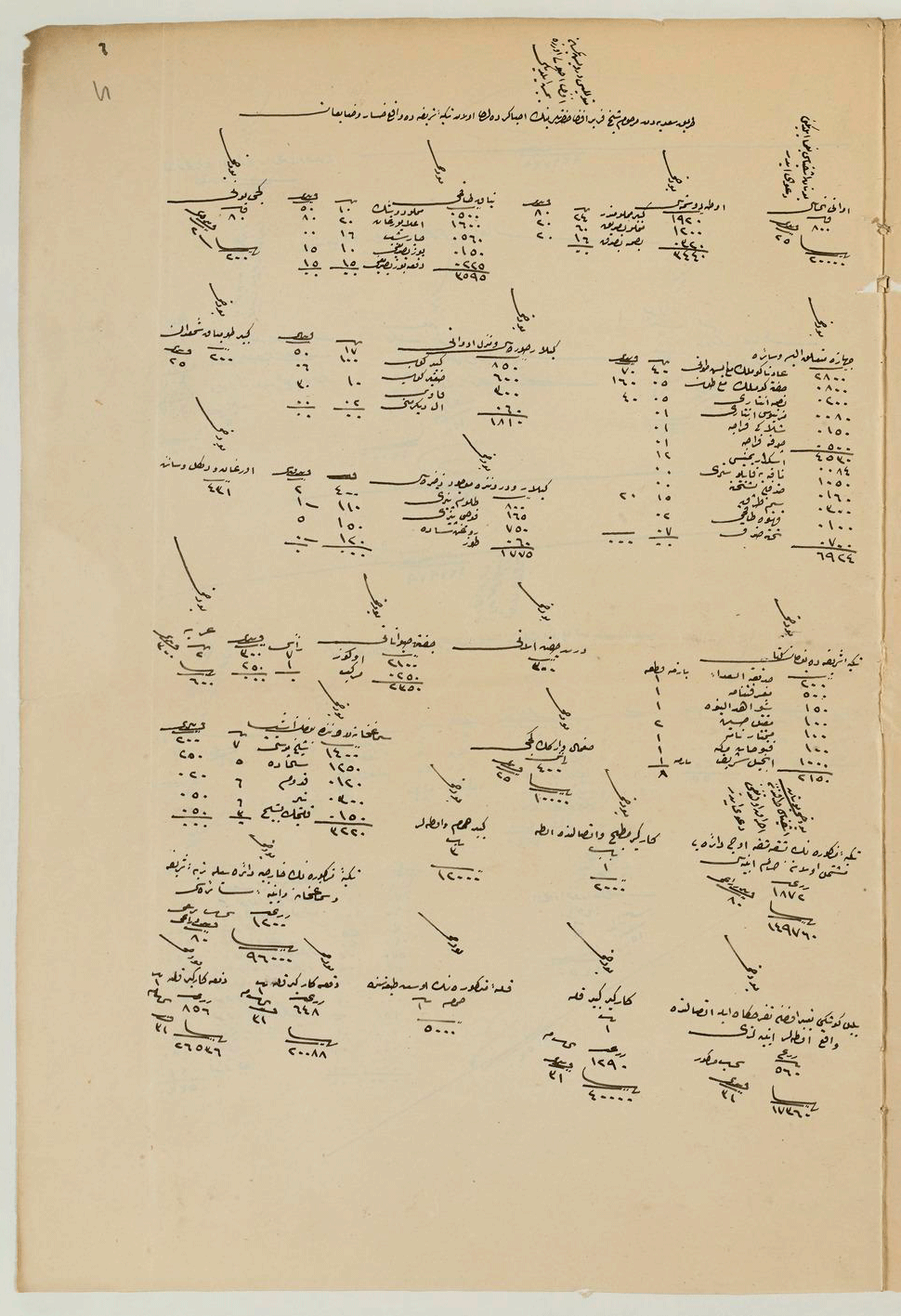
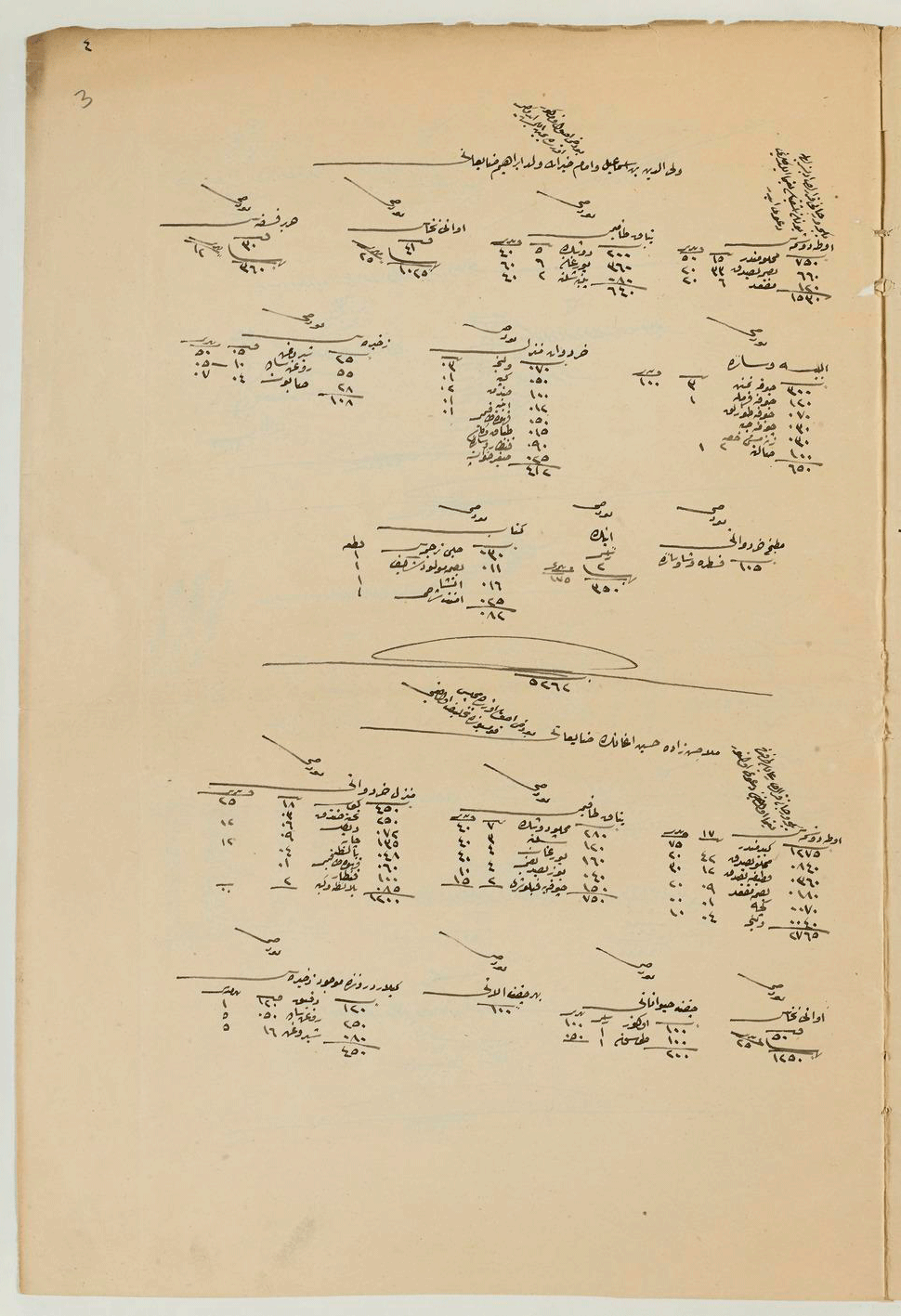
Copy of a statistic of the losses suffered by Muslims and Christians in the village of Aydınlı, 1850–1855. From the BULAC collection
AS: Name your favourite document from your collection!
BG: Only one? I think the one in Dungan is one of my favourites. I found it during the period of COVID half-confinement, when we had restricted access but we were open to the public. A colleague of mine was wrapping up a bilingual anthology of constructivist texts she had been digging with her research team in various sources. We decided to build up an exhibition confronting a preview of this selection of text and constructivist books from our collections. I had a few hints but I took the opportunity from this particular period, when everything was working at a slow pace, to make a systematic review of our Soviet books published in the 1920’s and early 1930’s to find some hidden gems. And I found a lot, as illustrators and book designers are not commonly mentioned in the bibliographic records.
You can easily find some Rodchenko. It is always a pleasure to come across a book by Rodchenko or Stepanova. But I found many others who were totally overlooked either by the bibliography or by existing catalogues, because they are lesser-known designers who worked with lesser-known languages. For example, Vadym Meller, a Ukrainian artist whose work, I must confess, I had no prior knowledge of.
One particular book I found during that time still makes me smile every time I look at it. It’s a handbook for political lecturers. You have common syllables of various words appearing in the title, so you can read it three or four ways: Selkor, rabkor, seltchitets The title of the book is divided into four sections, each containing one or two syllables: the first has ‘rob,’ the second — ‘sel,’ the third — ‘kor,’ and the fourth — ‘chitets.’ To reveal the title, the reader has to combine these sections in different ways. The book itself is a guidebook for volunteer correspondents working at factories and in rural areas, published by the newspaper Pravda. I love the trick!
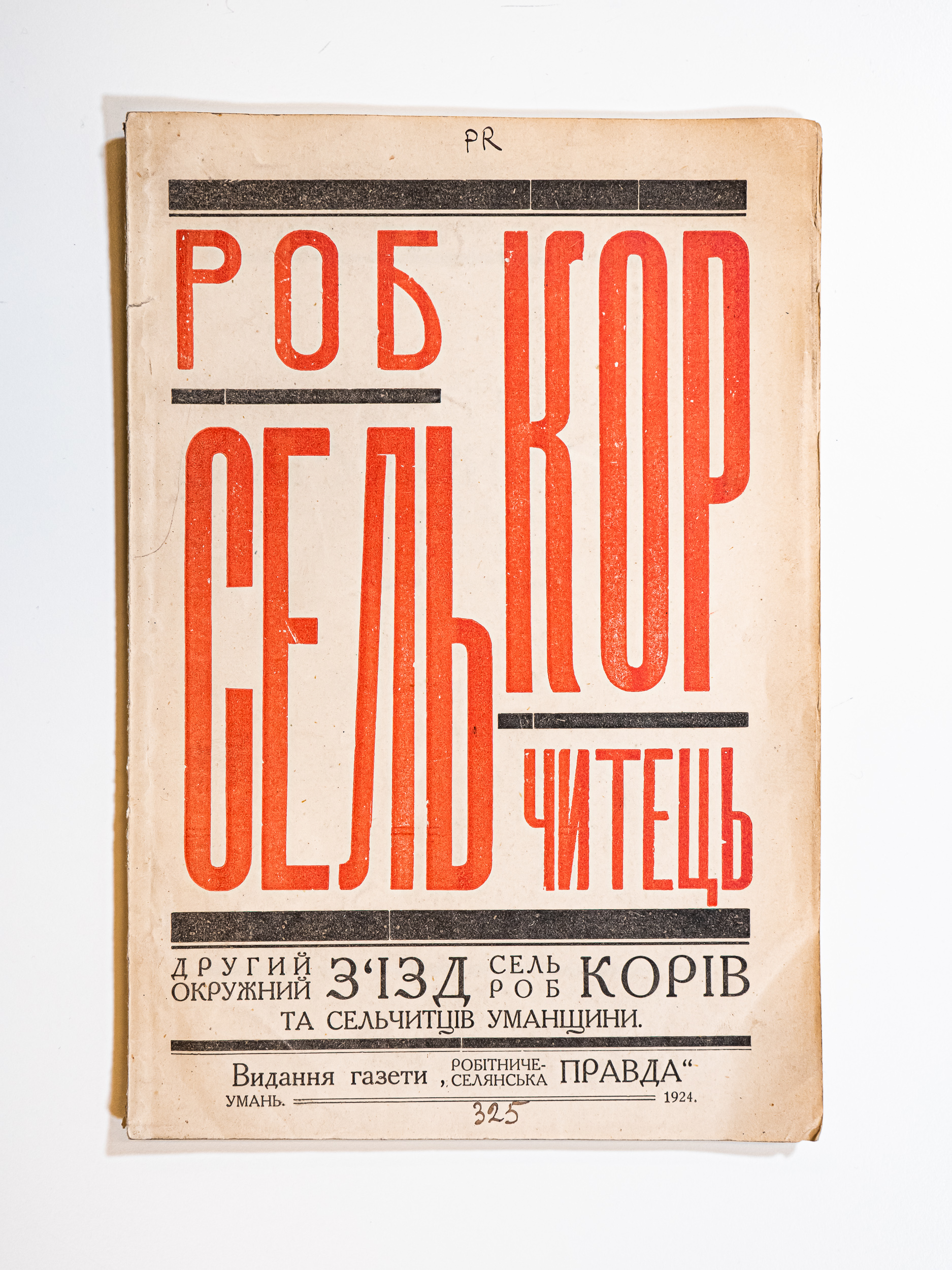
Selkor, rabkor, seltchitets, 1924. From the BULAC collection
AD: I just wonder how exactly you managed to create a collection of such a broad scope?
BG: It’s the result of limited resources and independence. We can’t buy everything that we would want to, and we had the independence to choose to buy what others do not buy in France, not to focus only on the most common books for researchers. Still, we have many of them, of course.
Working as an independent library gave us the ability to stick to this policy while facing a reduced budget. We ran out of money in 2023 and lowered the number of books we bought. We tried to keep the electronic resources and the journals. The year after that, together with our scientific council, we chose to say: ‘Let’s stop paying for electronic resources. We pay for subscriptions that are valid for a year; we don’t build a collection for the next generation.’ We won’t be able to buy the books we don’t buy now in five or ten years because they will simply disappear. The subscriptions we cancel today can be renewed.
As a joke, we made scratch
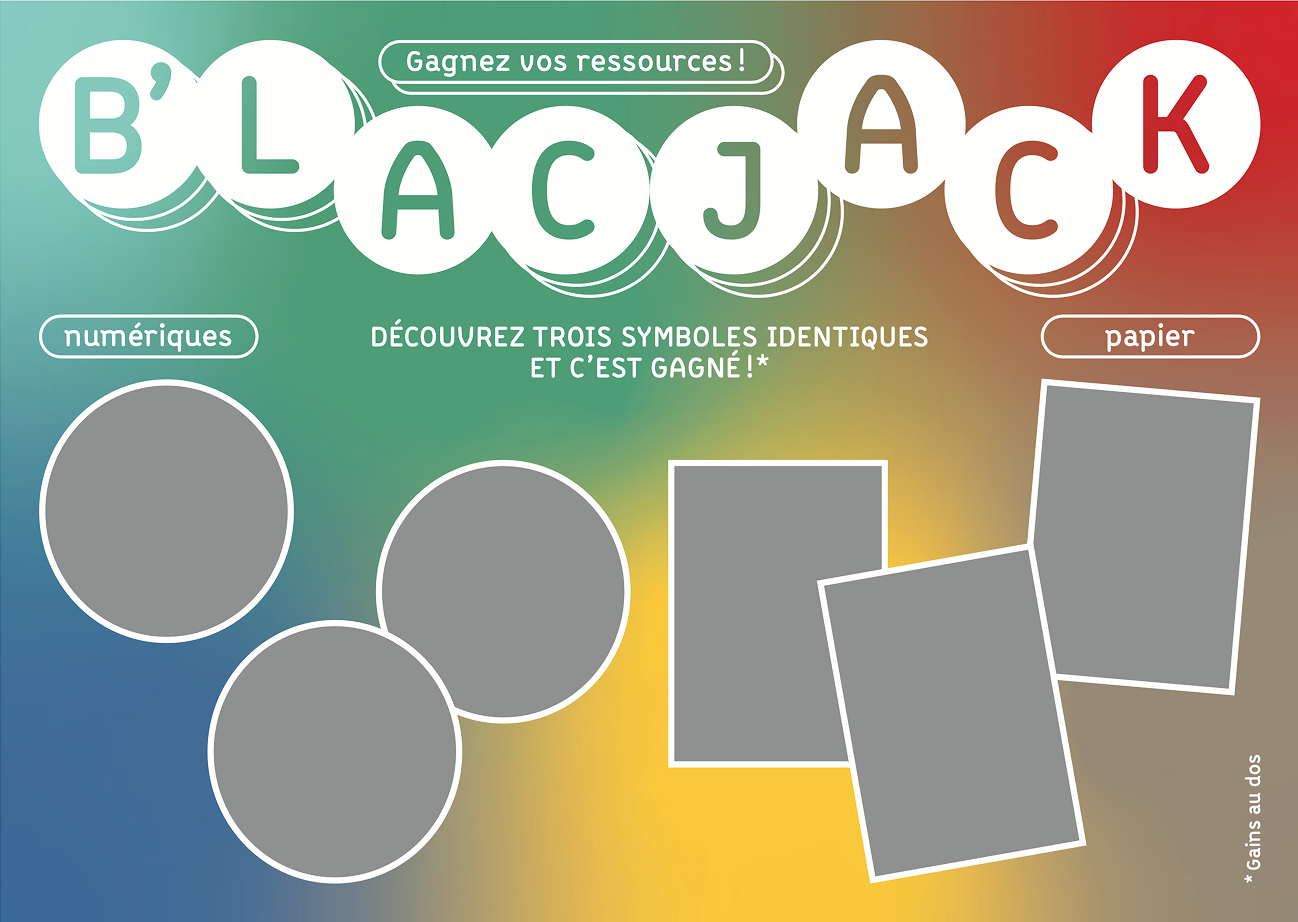
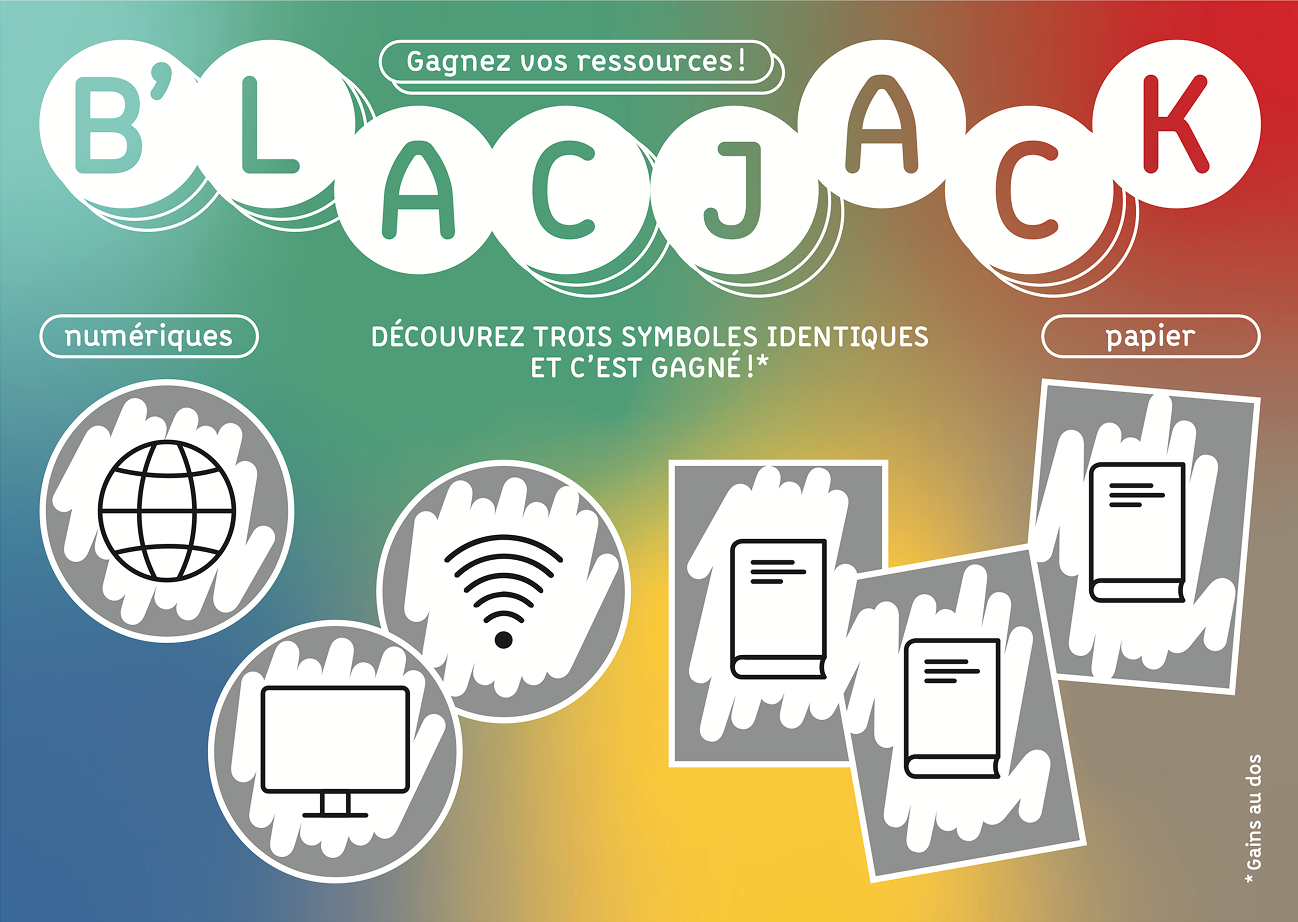
Scratch cards. Design: André Baldinger
Luckily we managed to save most of the electronic resources we offered, thanks to tight negotiation, and we preserved a limited offer of journals.
To give you an illustration of what we chose to prioritize, I can mention the joint project we have with EFEO (French School for the Study of the Far-East) regarding the press published in Cambodia. After the Khmer Rouge, the national bibliography disappeared completely. We have an ongoing programme with local correspondents gathering all the newspapers currently published from Cambodia. In times of crisis, we continue to pay for processing these Cambodian newspapers. Even if readers come in ten years, it’s only now that we can do this.
So we try to step away from a short-term vision and focus on the long term. Although, I’m not confident it will be so easy in the near future.